Author: Alison O Hanlon

  • The City’s Guide To Milan

    The City’s Guide To Milan

    This slideshow requires JavaScript.

    Milan is Italy’s second most populated city and is the main industrial, commercial and financial centre of the country. The city is also a major world fashion and design centre, with the likes of Prada, Gucci and Louis Vuitton popping up on every corner.

    But this city has so much more to offer than designer boutiques and TheCity is here to help you explore it.

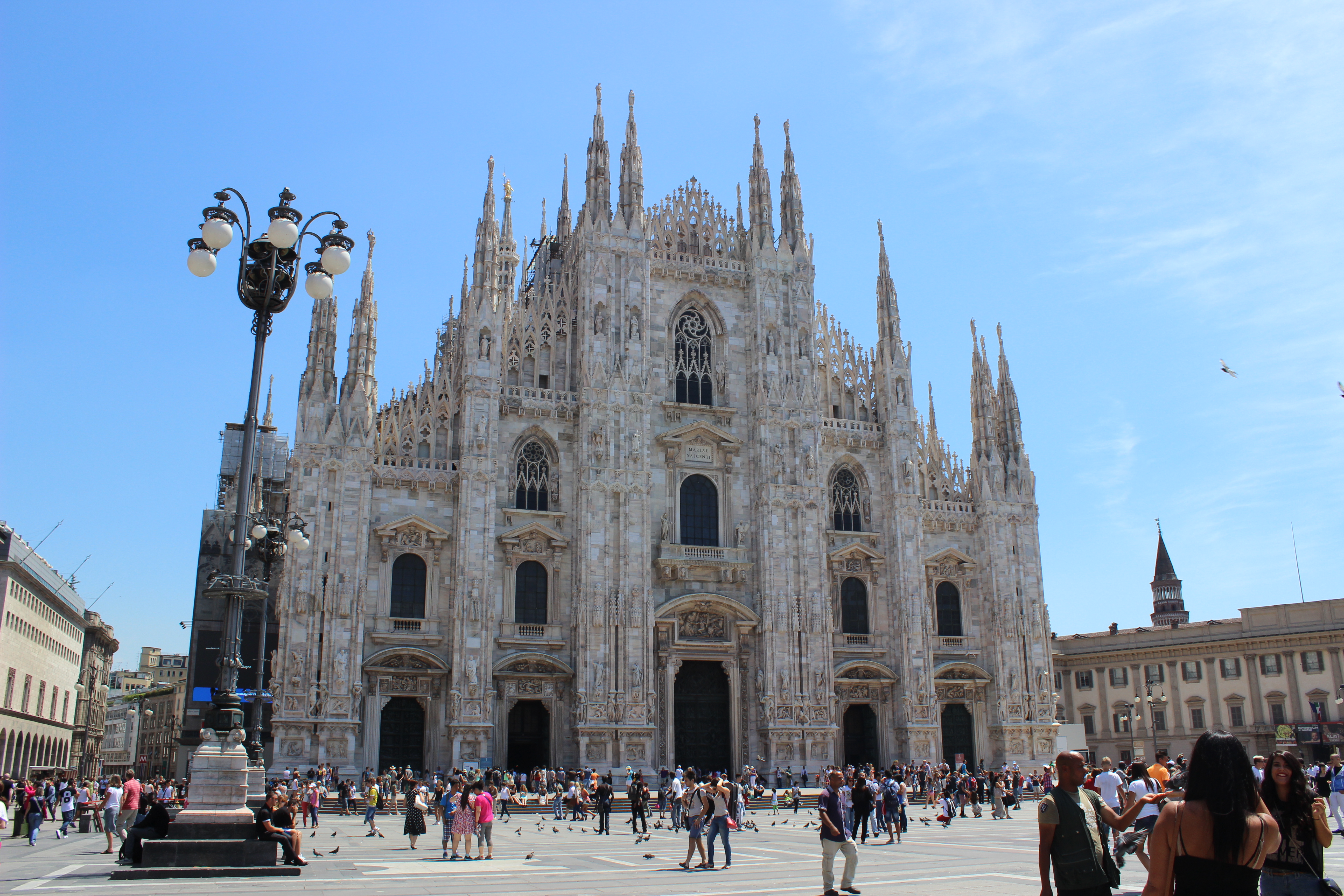
    One of the main landmarks is the Duomo di Milano or Milan Cathedral, the fifth largest Cathedral in the world (which seats forty thousand people). This church has been written about by Mark Twain and was actually where denim was invented. They used denim because their clothes constantly ripped on the rocks and denim was tough. Years later Levi Strauss came to Milan and bought the material to use in everyday fashion. That is why Milan has an absurd number of Levi Strauss stores. One of the best things to do is climb to the top, via stairs or elevator and take in Milan’s splendid views.

    The Galleria is located right beside the Duomo and is one of the oldest shopping malls in the world, dating back to 1861. Unless you are packing serious cash you can expect to do a lot of window shopping as this is the home of Dolce and Gabbana, Valentino, Roberto Cavalli and Versace, to name but a few . You will normally see a crowd of people in the middle taking turns doing something –they are spinning on the bull’s balls for good luck. G’wan, give it a go!

    Next stop, right near the Galleria is Luini (Via Santa Radegonda,16 20121 Milano), which sells panzerotti, a typical stuffed savory pastry from Puglia, brought to Milan by Giuseppina Luini in 1949. It is dough with fresh ingredients inside of it, so soft and good. It’s super cheap as well and you can make an amazing meal out of it. The line will look big but it moves quickly and is beyond worth it.

    Right across the road from Luini is Cicciolatitaliani, the best gelato shop in Milan. Not cheap but so unbelievably worth it. Tip: grab a ticket to stand in line at Cicciolatitaliani before you go to Luini if the line is super long, you could be waiting up to a half an hour for your Gelato.

    From there head east a few blocks (a compass may be useful at this stage) to the Rectangle of Gold. You won’t be buying anything there because it is so outrageously expensive, a shirt would set you back a mere €40,000. However, it is a really cool place to window shop.

    Check out Castello Szforcesco, the home of the former Milanese Royal family. The castle has a ton of museums but if you are tight on time, you don’t need to go see them. One of them houses The Rondanini Pietà, the last sculpture Michelangelo was working on when he died.

    When you walk through the Castle you end up in Parco Sempione. Don’t go after the sun sets because it can be super sketchy, but during the day it’s beautiful. Grab a cheap bottle of wine and some cheese or meat and hang out there for a little bit.

    If you’re looking for the best coffee in Northern Italy, there is a street called Via Dante, which is basically packed with amazing cafés. A little tip for you is, it’s cheaper to drink your coffee when standing. One cannot visit Milan without ordering at least one shakerato –  it’s Italian iced coffee and will blow your mind. Try Caffé Milano (via Dante 13/15) they do a great shakerato.

    A trip to Milan is also not complete without visiting the canals. Not many people know of their existence but they were built in order to transport stone to Milan from other parts of Italy and Europe to build the Duomo. A great place to head to is Piazza Ventiquattro Maggio, it’s where several of them meet and there are great restaurants along them with seating outside, we really liked the young hip vibe you get from this less touristy part of the city.

    Here around 6-9 PM you can find aperitivo which is a very Milanese tradition and I strongly suggest you do it. You buy an overpriced drink (7-10€), then you get to eat unlimited food from the buffet. My favourite place is called Spritz and is a two minute walk from the Piazza.

    For night life, you can head to Colonne where everyone will be drinking outside listening to music and just having a good time. Lots of students and lots of fun. It’s also very close to the Piazza. If you wanting to go clubbing in Milan, it usually depends on the night. The clubbing scene changes based on the month, so ask your hostel or hotel for more information.

    With respect to eating dinner out, anywhere that is five blocks away from a tourist trap and doesn’t have an English menu is likely to be more authentic and usually much cheaper as well.

    Finally, Milan is also the home to one of the most famous paintings in the world. Da Vinci’s The Last Supper is located in the refectory of the Convent of Santa Maria delle Grazie, and is incredible to see, however, you must book tickets well in advance, especially during the summer months.

    So there you have it folks, now go forth and eat pizza and pasta to your hearts content… Caoi!
  • Women in Sport: Lyndsey Davey, Dublin GAA

    Women in Sport: Lyndsey Davey, Dublin GAA

    Picture credit: Brendan Moran / SPORTSFILE
    Picture credit: Brendan Moran / SPORTSFILE

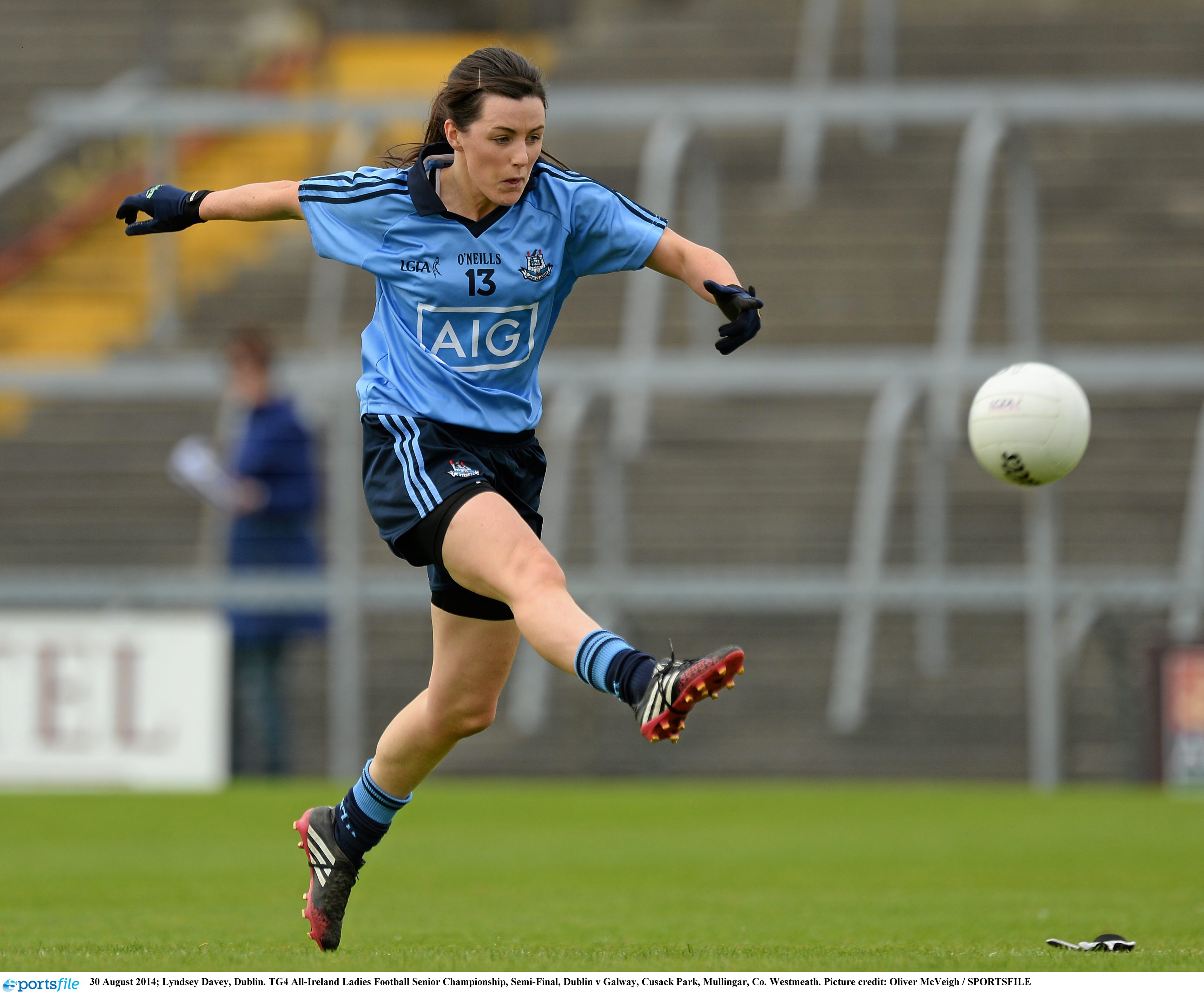
    The City’s Alison O’ Hanlon talked to Dublin Ladies GAA All Star Lyndsey Davey about the commitment of playing for your county and her hopes for the future.

    It’s been a year of highs and lows for Dublin vice captain Lyndsey Davey whose side were beaten by Cork in a one point defeat in this years All Ireland Final.

    Davey also received an All Star award, along with three of her team-mates, for her performances throughout this year’s championship.

    “It was a great honour to have been even nominated and I was very shocked to have won as I was up against some brilliant players. It was a great achievement for Dublin to get 11 nominations and I feel privileged to be one of the four Dublin players to have won an All-Star”, Davey told The City.

    But success like this doesn’t come easy or without commitment. Davey started playing Gaelic at 5 years old for Skerries Harps and progressed on to play with the boys teams until under 14 when a girls team was set up in the club.

    Davey spoke of how much of a commitment GAA players have to give to play county football, but insists that the success is a just reward for the sacrifices she has to make,

    “Players have to give massive commitment when playing county football. The standard of Ladies Gaelic is increasing every year and girls are training like professional athletes while still holding down a full time job or education. Even in terms of nutrition players have to be very disciplined.

    “At times it can be difficult as you can’t be going out at the weekends with your friends when you have training or are playing matches. However, when you get the opportunity to represent your county, especially in an All-Ireland final, it’s an easy sacrifice to make.”

    Given that most GAA players train as much and as hard as many professional athletes, the 25 year old said given the opportunity she would love to play Gaelic football at a professional level, but it’s the love of the game that keeps her going, “I suppose if the option was there then I would but it’s not really something I think about. I play Gaelic because I enjoy it and I love playing for Dublin.”

    “Even if there was a chance to play Gaelic for Ireland I would be interested. There was a female International Rules game a few years ago but unfortunately I was unable to play. If the opportunity was to arise again then I would love to play.”

    Davey also commented on the highly topical area of media coverage that female athletes receive and the coverage gap that seems to be closing in Ireland in the last few years.

    “I think over time that gap is starting to close and female sports are getting increased media coverage. This is helped by the success of Katie Taylor and the ladies Irish rugby team and I think Stephanie Roche being short listed for goal of the year is a massive boost to Irish female athletes. It was brilliant when AIG announced their sponsorship of all Dublin teams, including the ladies, as this has gone a long way in helping to close that gap and I hope other sponsors start to do the same.”

    Although Davey’s September didn’t have quite the ending she hoped for she was honoured when her fellow team-mates picked her as their Player of the Year.

    “I think to win any individual award is always a nice achievement but the players player is definitely a special one to me, as it was my team mates who voted for me. So many Dublin players had a great season this year and I think that was proven when we received 11 All-Star nominations so to have been picked as the players player of the year was a massive honour for me.”

  • Video: Would you rather?

    Video: Would you rather?

    The City’s Alison O’ Hanlon and Áine Hennessy took to the streets of Dublin to ask the public to make some tough choices.. The question is.. “Would you rather…?”


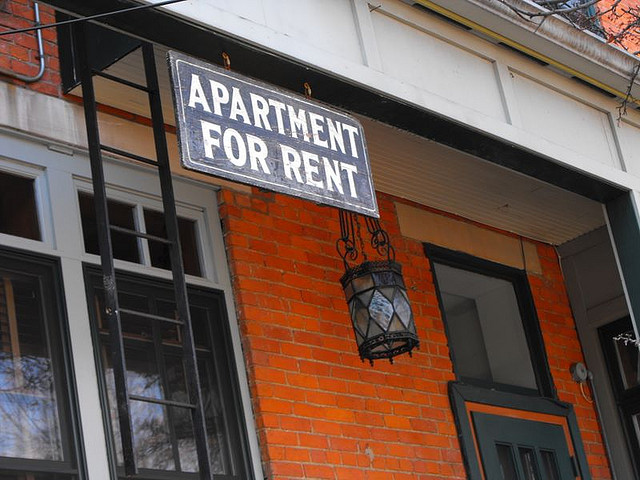
  • Rent prices increase as property available plumet

    Rent prices increase as property available plumet

    3344771391_02b74ac075_z
    Image:cincyproject http://bit.ly/1zypMev


    Bad news for students this week as figures released by Daft this week have shown an average nationwide rent increase of €150 a month, a total rise of 11%.

    Over the last two years rent has risen nationally from €790 a month to €933. The report from Daft claims that the national drive in rent prices is coming from Dublin, with the capital’s rent increasing by €300 since 2012.

    The cost of rent in Dublin has increased by 17% since last year. Despite this, Daft claim that the increasing prices in the capital have slowed down for the first time in five years.

    The report, compiled by Ronan Lyons, Assistant Professor of Economics at Trinity College, says that rent has risen nationally by 11%. Counties surrounding the capital have seen large increases in price, with Meath witnessing an 11% growth, Wicklow 13% and Kildare 14%.

    The number of properties available on the rental market have also dropped significantly. Fewer than 5,400 properties were available nationwide on the online property website Daft this month, the lowest it has been since May 2007. The lack of available properties has resulted in rent prices soaring.

    Ronan Lyons commented on the report saying that the lack of available properties to rent is more concerning than the high rental rates.

    “Clearly the two phenomena are inextricably linked. The only silver lining is the fact that this quarter was the first time in five years that rent inflation in the capital eased somewhat.

    “However, even if an easing in Dublin inflation continues and stops the affordability crisis from worsening, it does nothing to change the availability crisis,” he said.

    Less than 500 properties are currently under construction by Dublin City Council on land under their control, which Mr Lyons expressed his concern about.

    “The lack of housing supply was particularly worrying as Dublin’s population is growing by roughly 10,000 households a year,” he said.

    Leitrim remains the cheapest place to rent in the country, with the average rental price being €422 a month. Other significant increases outside the Dublin commuter belt are Laois, up 8.1% on last year, Kilkenny, up 7.8% and Galway, up 7.0%.

    This increase in rental prices is bad news for students who already feel the burden from college fee and rises in transport costs.

    Nicole Whyte (22), a nursing student in DCU, told The City that she had to consider commuting from her hometown in Monaghan for her final year.

    “My rent has nearly doubled since first year, from €240 to €416, and now I’m in my final year I’ve considered commuting from Monaghan.

    “If you take into consideration the increase in transport and the cost of living, it’s a struggle to stay in Dublin. Unfortunately I’m on placement for most of the year so I have no alternative but to rent,” she said.

  • International Rules: Star-studded Aussie side prove too good for Ireland

    International Rules: Star-studded Aussie side prove too good for Ireland

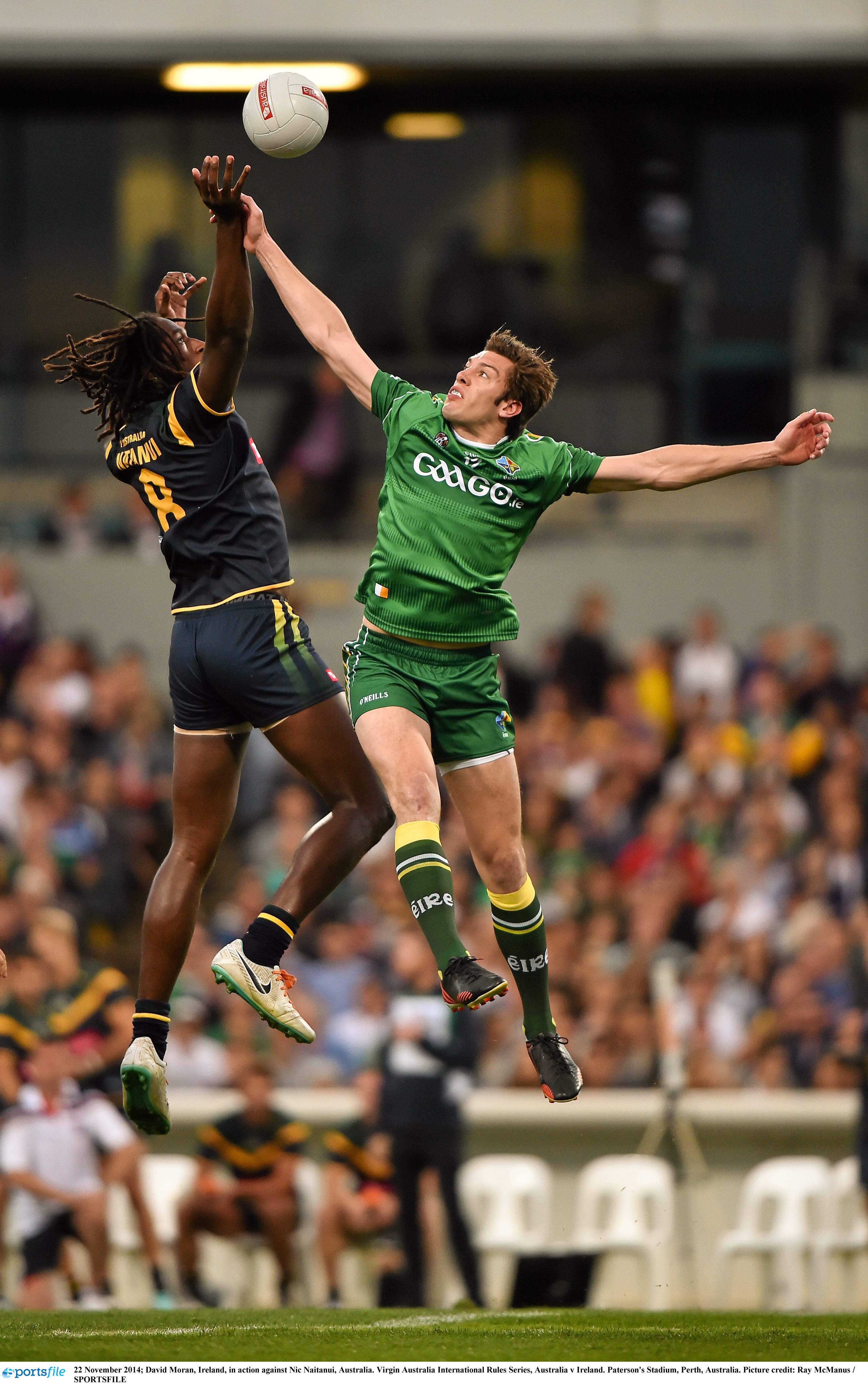
    David Moran, Ireland, in action against Nic Naitanui, Australia. Virgin Australia International Rules Series, Australia v Ireland. Paterson's Stadium, Perth, Australia. Picture credit: Ray McManus / SPORTSFILE
    David Moran (right) in action against Nic Naitanui of Australia (left) during the game in Perth’s Patersons Stadium. Picture credit: Ray McManus / SPORTSFILE

    Australia regained the International Rules Series title on Saturday November 22 after seeing off a late comeback from their Irish counterparts. 

    Paul Earley’s side struggled to keep up with the Aussies for the first half, scoring only one point in the first quarter, and went in trailing 35-7 at half time.

    “Australia were incredibly accurate in the first quarter – I think they had nine shots at goal and hit seven overs. We were uncharacteristically wild with our kicking and we didn’t hit our targets up front which we had worked on all week,” Earley said in the post-match press conference.

    “Outside of that first quarter, we actually won the game. We changed it in the second half, pushed up and went man to man, adapted our system and were much more competitive,” he added.

    Ireland did indeed rally in the third quarter, putting on an exceptional performance by dominating midfield and keeping the Australian side under immense pressure. Monaghan’s Darren Hughes got Ireland’s first goal of the game in the sixth minute of the second half, which helped cut the deficit to 41-14.

    By the end of the third quarter, Ireland had cut the gap to 16, with Man of the Match Conor McManus and fellow Ulster men Darren Hughes and Mattie Donnelly leading the Irish charge with some superb scores.

    The luck of the Irish was with this group of players when Australia’s Nick Smith struck the ball into his own net earning Ireland six points with only four minutes left in the game.

    McManus then scored his fourth over of the game to bring Ireland back to within 10 points, but it was not to be, as the die had already been cast and the home side held on to win a fiercely fought contest.

    The match – and indeed the way in which the end result panned out – was just what this hybrid series needed, as Ireland had come out on top in the last four meetings. The competitive nature of the tie showed that this traditional fixture does have a future.

    Following the sell-out attendance of 38,262 in Patersons Stadium, Perth, the series seems set to return to Irish soil in 2015 with a provision in place for Australia to travel to Croke Park in November of next year. There was a visibly large attendance of Irish immigrants at the match too.

    “It meant so much to so many Irish people. The game was excellent – sporting, hard and fair. We needed a good game and we got that. It put International Rules back on track, which was clearly needed. It’s easier to go back to Central Council now and make a case (for the series to continue),” said Paraic Duffy, GAA Director-General.

    Many of the Irish squad who travelled Down Under will be re-packing their bags for the All Star’s trip to Boston which takes place at the end of November 2014.

  • Review: The Hunger Games: Mockingjay Part I

    Review: The Hunger Games: Mockingjay Part I


    If you know your Hunger Games, you’ll know that heroine and coal miner’s daughter, Katniss Everdene (Jennifer Lawrence) was rescued from a life or death struggle in the Quarter Quell area at the end of the second film, by a group of rebels from Panem’s District 13.

    The film is based on the popular Suzanne Collins series of novels. 

    It was widely understood that District 13 was bombed into oblivion two generations ago, which resulted in the beginning of the Hunger Games, but in fact, much of the population survived and went to live underground plotting their revenge. Now the moment to strike back has come.

    They live in a subterranean missile silo, they have been stockpiling for years and they even have a leader with determination and the strategic nous to overthrow the despots in the Capital.

    The problem is that President Coin (Julianne Moore) of District 13 lacks the personality to ignite the districts into war, so they turn to Katniss, who has become a heroine to all the districts of Panem through her actions in the Hunger Games.

    Assisted by Plutarch Heavensbee (Philip Seymour Hoffman, in his final screen role) Coin devises a plan to transform Katniss into a weapon to sell to the masses.

    And that basically, is where we come in to The Hunger Games: Mockingjay Part 1. Katniss is increasingly uncertain about how she might be used in this rebellion and seems more concerned about the well-being of Peeta (Josh Hutcherson), her on-again, off-again boyfriend who has been captured by the Capital dictatorship and is being used as a central part of a propaganda campaign.

    “I never wanted any of this, I never wanted to be in the Games, I just wanted to save my sister and keep Peeta alive,” Katniss pleads with the villain of the series, Panem dictator President Snow.

    As Warner Bros did with Harry Potter, the final book in the Hunger Games franchise has been divided into two parts which result that Mockingjay Part I is about the build up to the war. This means although there is a lot of tension, it lacks the action of the first two movies in the series. At times the film seems stretched, and too much like a link between the previous instalment and the next, but the story line and tension is strong enough to hold.

    With a notable cast involved this makes for a funny and enjoyable movie and Lawerence comes into her own giving the film depth and emotion in some outstanding and haunting scenes. But one thing’s for sure we have an action packed Part II to look forward to next year, and as Katniss puts it…

    “Fire is catching! And if we burn, you burn with us!”

  • Ultimate Guide to Interrailing

    This slideshow requires JavaScript.

    One of the best things about living in Ireland is that you are only a stones throw away from many of Europe’s main cities and with cheap flight deals always popping up, especially now in the off-season, it’s the perfect time to start planning your interrailing adventure.

    For those of you that haven’t hear about interrailing before it is a rail pass that comes with two options: a Global Pass, which gives you the freedom to travel in 30 European Countries, or the One Country Pass which does what it says on the tin and entitles you to travel as much as you want in one country for a set number of days. These passes give you an amazing opportunity to see so much of Europe and believe me, you definitely get your money worth.

    Having said all that I’m going to share with you some tips and tricks I learned along the way during my three weeks of interrailing.


    1. DON’T OVER PACK

    This is mostly aimed at all my fellow ladies out there. I know it may be hard to pick between the 20 t-shirts that would look so cute on a Gondola but trust me, when you’re wandering around the city at 10pm at night looking for your hostel, you will be cursing all the extra clothes you brought! Try packing stuff that can be used as both day and night wear and that is light and will dry quickly if it needs a wash. Repeat after me: YOU DO NOT NEED 7 PAIRS OF SHOES.

    10581632_10152314971073733_1331370182_n

    1. Book your Hostels ahead

    This is key if you want a hassle free interrailing experience. There is nothing worse than traveling in high season and having to ring five different hostels every time you move location looking for a place to stay. And you can multiply the difficulty of getting a place to stay with every extra person in your group. Most hostels only charge you a small deposit when booking so if your plans change along the way, you aren’t out a whole pile of cash. Another tip when booking hostels is sometimes it pays to spend a bit more on your accommodation in certain cities. The Wombats chain of hostels are really modern and affordable and are great for meeting other travellers and won’t blow your budget out of the water. We decided to stay in a Guest House instead of a Hostel in Lake Bled which meant we were a 3 meter walk from the lake, with a stunning view. (I can’t praise Carmen Guest House in Lake Bled enough!!)

    I would also recommend googling how to reach your hostel from the train station before you set out as it can be confusing once you get there.

    10491228_10152250949058733_4842431981719461340_n

    The view from the Carmen Guest House in Lake Bled.

    1. Roughly organise your trains

    I say “roughly” because you don’t want too tight of a schedule but rather to be flexible and go with the flow. But having some plan of where you are going is better than none. This can also help you figure out where you might need to use your pass on an overnight train, instead of booking into a hostel. One thing I highly recommend is booking a bed on an overnight train… Believe me there is nothing worse than being on a seat in a cabin with six other adult for 10 hours straight on a chair…it ain’t fun.

    10362538_10152294032078733_1696680715411827654_n

    1. Download helpful apps.

    When travelling the one app we all found so useful was the XE Currency app. This handy app lets you see how much Euro you will get if you convert it into other currencies, which is helpful in places like Hungary, Poland and Czech Republic and it works offline too! Other apps like hostel bookers and Trip Advisor are also great for finding out the best rated attractions and accommodations in that city, and a travel guide can be worth the extra weight. And if in doubt do the old fashioned thing and buy a map, or failing that make hand signals at confused locals until they can figure out where you want to go.

    10516786_10203115555182380_7291302006080850058_n

    1. Go to the SPARTY (Spa Party) in Budapest

    This was one of my most memorable nights during my trip. You can buy tickets from your hostel which is recommended because it can sell out during the day. Then you are free to party the night away in heated pools, with a DJ on the deck all night- a one of a kind experience. The next day head back to the baths and chill out for the day in what will be the best hangover day ever. Nothing to cure the post night blues like a dip in a medicinal pool from a natural spring and an ice cold beer.

    10371376_10152289674198733_8065698836058837382_n

    6. Do the touristy things

    Don’t waste the day away in bed, get up and explore the city and soak up the culture of whatever city you happen to be wandering around. Take a trip in a Gondola, pose with the US Army at Checkpoint Charlie, visit the Jewish Quarter in Krakow, learn about the Holocaust at the memorial in Berlin, touch Juliet’s boob for good luck in Verona, the option are just endless. Most cities offer free walking tours where the guides work for tips instead of charging and many are of a really high standard and are a cheap way to discover a city in a short space of time. If you only have a day to cover a vast city, then paying for one of the City Tour Buses is a great way to go. Trust me, there is no point in paying out to visit all these cities to spend every day hungover because it’s likely that this will be the only time you visit these places.

    10384202_10152289560423733_3720985238508671819_n


    1. Find local treasures off the beaten track

    Want to taste the best Gelato in all of Milan? Head to none other than Cicciolatitaliani. Want to see Il Duomo from a great view? Head to Aperol Cocktail bar which overlooks Milans main square. The best meal in Venice for us was the slices of pizza and bottle of wine we got to take away and ate by the canal. There are so many smaller places to see off the main tourist route so take time to visit those to and sample some of the local cuisine. Eat plenty of pizza in Italy and sample the Kebabs in Berlin, but don’t forget to try the famous Bled Cake in Lake Bled. This goes for the places you choose to visit also, try pick a city that you would never fly to direct from Dublin, for us that was Ljubljana in Slovenia, a small university town which is definitely one of the most underrated travel destinations.

    1656244_10203369813538680_7186374544933758612_n

    1. Explore Lake Bled by Boat and Bike

    Lake Bled in Slovenia is a great getaway from all the hustle and bustle of city life when you’re interrailing.You can rent boat from all sides of the lake and row yourself out to the beautiful island in the middle. Which was a challenge at first for three Irish Girls who never rowed a day in their lives, (let’s just say there was a lot of going round in circles). After this I recommend hiking up to the castle to take in the breath taking views from above. If you have a second day, rent some bikes in town and cycle out to the beautiful Gorge just outside Bled. Make sure to take a map and get them to show you the route in the hostel before you leave so you won’t end up travelling 20 minute in the wrong direction like us!!

    10570322_10152289622443733_5406101129613724705_n


    1. Do the Drunken Monkey Pub Crawl in Prague

    Not much to say here…Just do it. So much free alcohol. So worth it. I promise.

    photo-php

        10. Take loads of pictures and enjoy yourself.

    You’re going to want to remember this adventure when you’re old so invest in a decent camera and snap away till your heart is content. And no, you can never take too many pictures. (I myself took 800 in just three weeks) Just enjoy it and remember whatever happens it’s just all part of the experience that is Interrailing. (Although, try and make it back in one piece.)

    10489811_707399069296339_3837737666047067563_n


  • Croker an insider’s view

    Croker an insider’s view

    10670171_10152402399028733_4673937741540461965_n
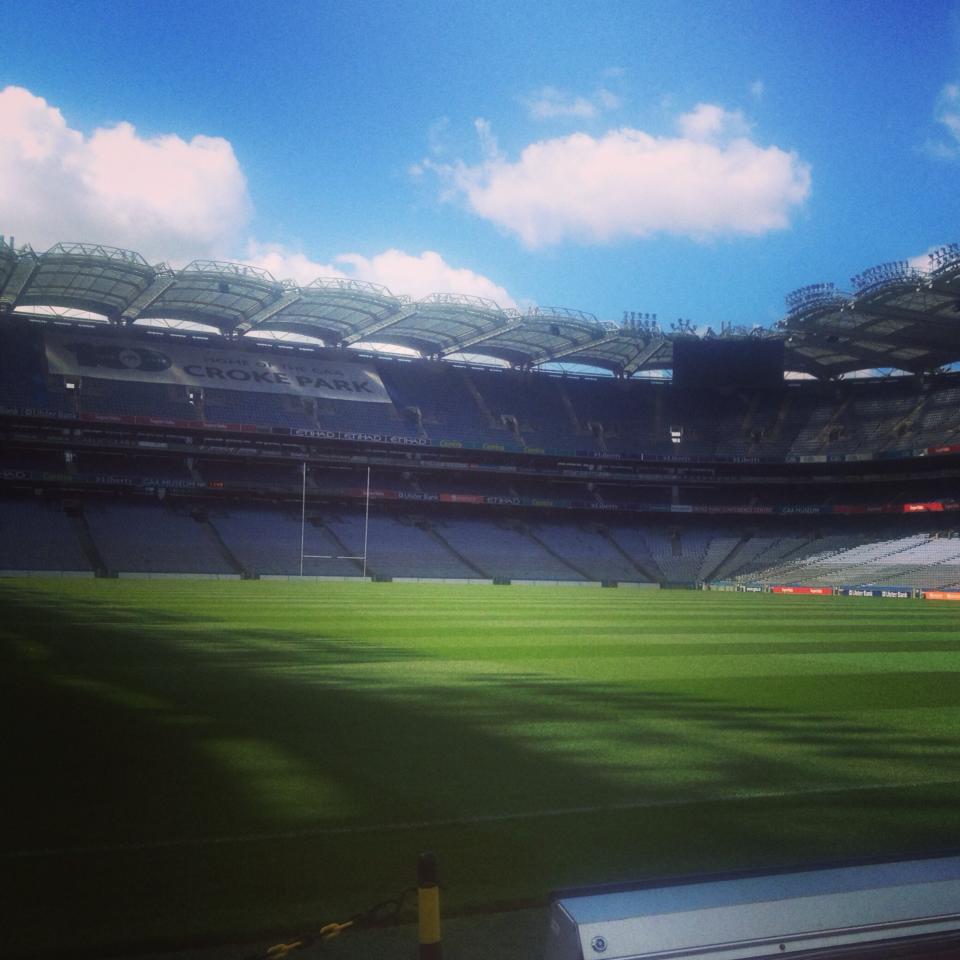
    Croke Park on matchday. Photo: Alison O’Hanlon

    There’s an uncapturable magic that surrounds Croke Park on All-Ireland day.

    As part of my job in the press office at the stadium I get unrivalled access on All-Ireland day.

    It all starts from the minute you wake up and pull on your county colours. It all comes to either a triumphant or turbulent end once the referee blows the final whistle after 70 minutes of play; an indescribable feeling comes over you.

    It’s a sense of pride and Irishness that – if it could be bottled – would be worth millions. It’s the banter on Jones’ Road, the pint in Quinn’s Pub and the pre-match discussion with your match day companion; it’s all these things, but so much more.

    Days like the All-Ireland Final don’t just happen by themselves. It takes a team of 2,200 people to put in weeks of hard work in order for the day to run as smoothly as possible.

    Like all good Irish traditions, All-Ireland day for the GAA staff starts with mass at 9am in the GAA museum. The mood for the day is set as either Liam or Sam (the two coveted GAA trophies) join the priest on the alter for the celebration of the Eucharist. As the mass ends and the match day staff “go in peace”, another great Irish tradition is next to be observed: ‘the Full Irish’.

    Mass being celebrated in Croke Park.

    Bellies full from the big breakfast, attention soon turns to the organisation of the 2,000+ staff that help run the event in different capacities. Last minute team meetings take place to make sure everyone is fully aware of their role. From cooks, stewards and media officers to programme sellers, ticket scanners and An Garda Síochána, everyone is expected to put in an error-free performance.

    Midday hits. Stiles open. It’s lights, camera, action for the workers. Behind the scenes, Croke Park is being watched from every angle through security and TV cameras in the Garda and Event control rooms located above Hill 16.

    View from the control room in Croke Park Picture credit: Ray McManus / SPORTSFILE
    View from the control room in Croke Park.                       Photo: Ray McManus/SPORTSFILE

    As team buses pull in, you can see the focus which surrounds the players. They are zoned in, mentally prepared and are trying to escape into their own little world through their headphones.

    With dressing rooms lined out and pre-match rituals beginning, you can stand in the Hogan tunnel and experience the roar of the 82,000 strong crowd. You start to feel the beat of your heart in your ears as nerves and excitement take over.

    The Kerry Football Team arrives in Croke Park Picture credit: Brendan Moran / SPORTSFILE
    The Kerry Football Team arrives in Croke Park.
    Photo: Brendan Moran / SPORTSFILE

    The Sam Maguire and Liam McCarthy cups are brought to the pitch from their holding place in the GAA museum by two pre-selected school children from the participating counties. Gerry Grogan, who is the match day announcer and principal of Donaghmede National School, then takes the cup up to its resting place in front of the President, Michael D. Higgins and GAA President Liam O’Neill.

    Picture credit: Brendan Moran / SPORTSFILE
    The Liam McCarthy Cup. Photo: Brendan Moran / SPORTSFILE

    The competing teams then take it in turns to run out onto the pitch, with the subs and team management lining the tunnel to hype the players up as they take the famous steps out onto Croke Park.

    1382414_10151688307773733_1806566238_n
    The Cork hurling team take to the field.

    In what feels like a blink of an eye, the 70 minutes of playing time are over and Kerry or Kilkenny or whoever is lucky enough to have been named All-Ireland Champions ascend the steps of the Hogan Stand to collect their silverware.

    At that moment, everyone who has participated in the day’s events feels a sense of pride. You are no longer just a steward, a cook, a member of An Garda Síochána or a ticket-seller; you are a witness to a historical moment in time and you are there to take it all in with the victors.

    Henry Shefflin celebrates his 10th All Ireland medal with his two children
    Henry Shefflin celebrates his 10th All-Ireland medal win in September 2014. Photo: Alison O’Hanlon

    Following the afternoon’s drama, cameras are switched off and another hectic season comes to a close. The staff of the GAA all tumble out of Croke Park in dribs and drabs, woven into the travelling supporters, back to their everyday lives. The players head to a special reception, where each player is allowed to select one person to join them and the team in a lounge beside the dressing rooms.

    This is what is so special about our national game and the GAA. On game day you could play the role of a manager, a player, an official, a spectator or a steward. On the next day, you go back to being a farmer, a teacher, a student or a parent.

    A volunteer steward keeps an eye on the final.    Picture credit: Ray McManus / SPORTSFILE
    A volunteer steward keeps an eye on the final.
    Picture credit: Ray McManus/SPORTSFILE

    It is the sense of pride in the jersey, the commitment of playing unpaid and the fact that all of this is done year after year on a voluntary basis that makes this day so special. That is what makes the GAA.

    1237144_10151688305983733_861481116_n
    The promised land of Croke Park. Photo: Alison O’Hanlon