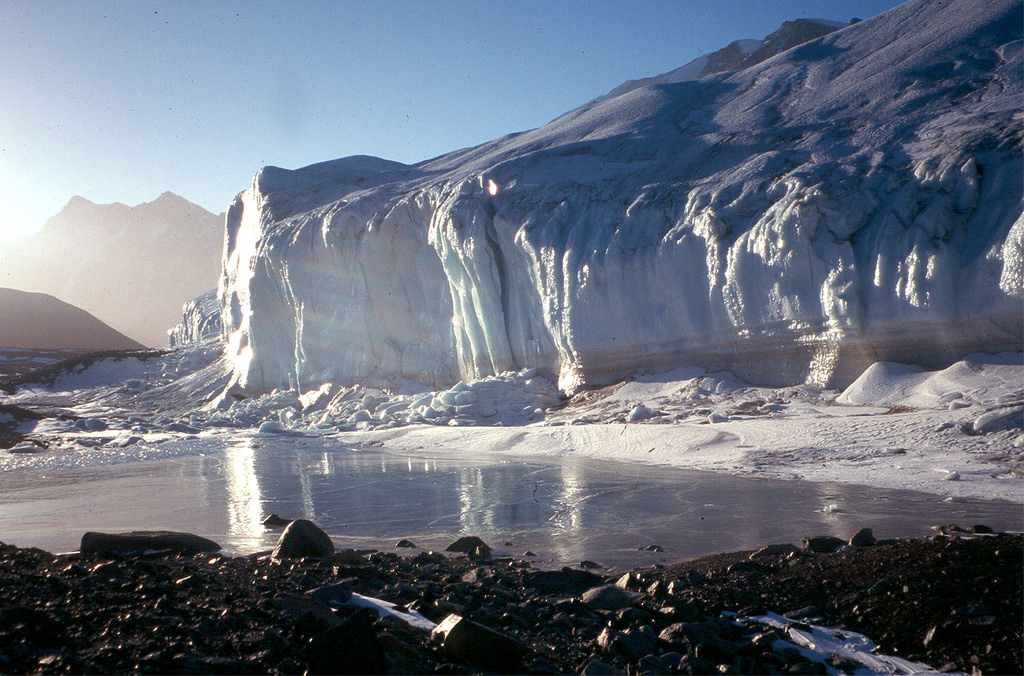
Ireland is unlikely to reach the ambitious emissions targets set by the EU for 2020. Cormac Murphy explores the cost of the country’s environmental record.
Author: cormacamurphy
-
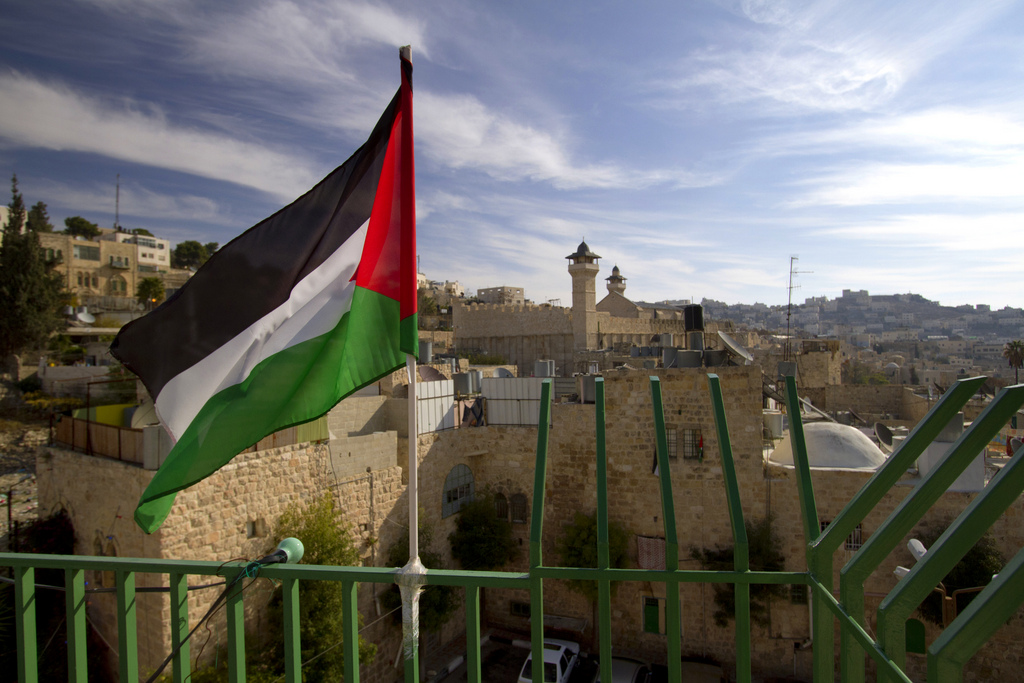
Palestinian Flag to Fly Over City Hall in “Gesture of Solidarity”
Green, white and black with a red triangle – the Palestinian tricolour is not typically seen above Dublin City Hall, however, there is a proposal to fly the flag there next month. Cormac Murphy explores the debate.
-
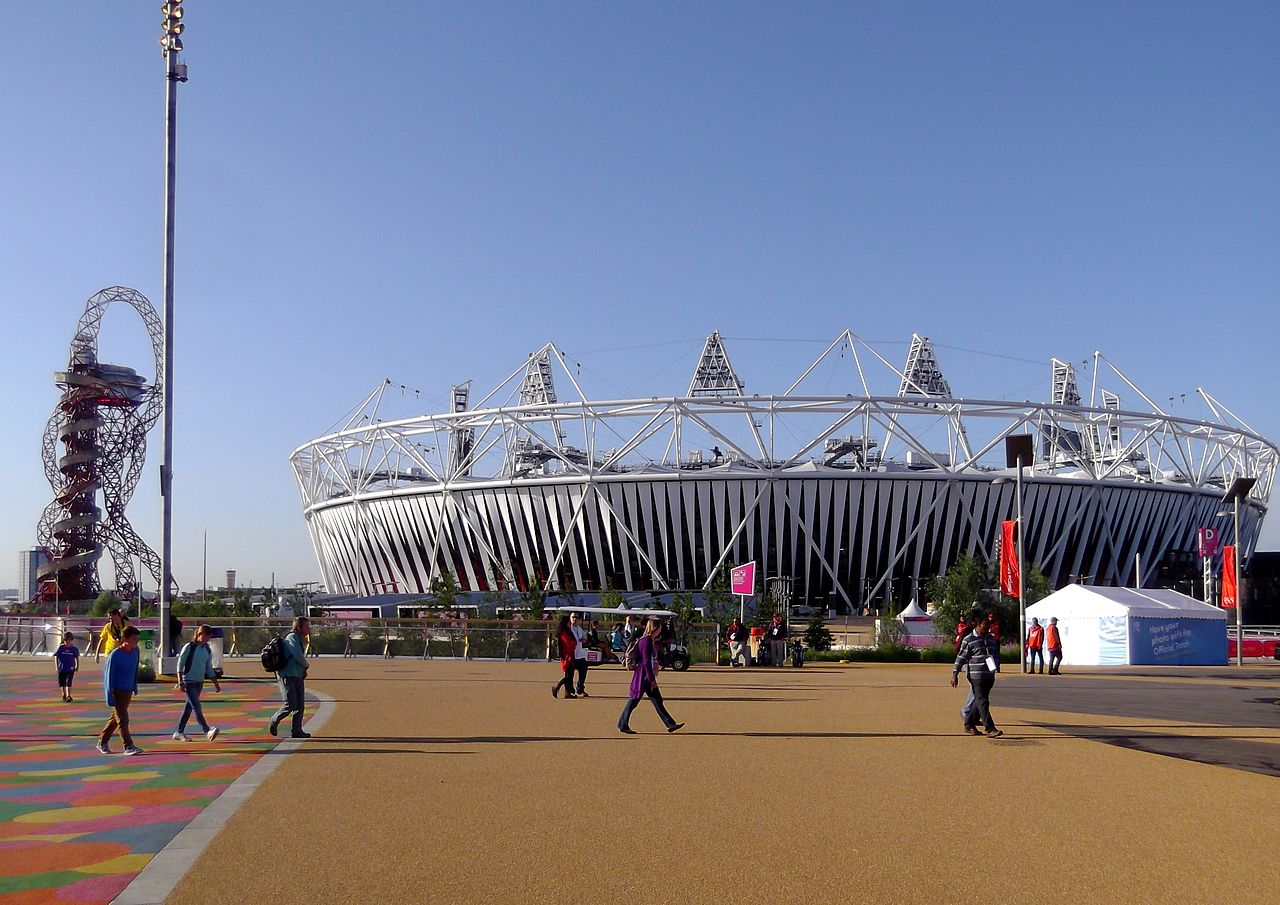
Going for Gold: Past, Present and Future of the Olympics
In advance of the awarding of the 2024 Olympic Games, Cormac Murphy profiles the two contenders and looks at some of the controversies of previous Games
-
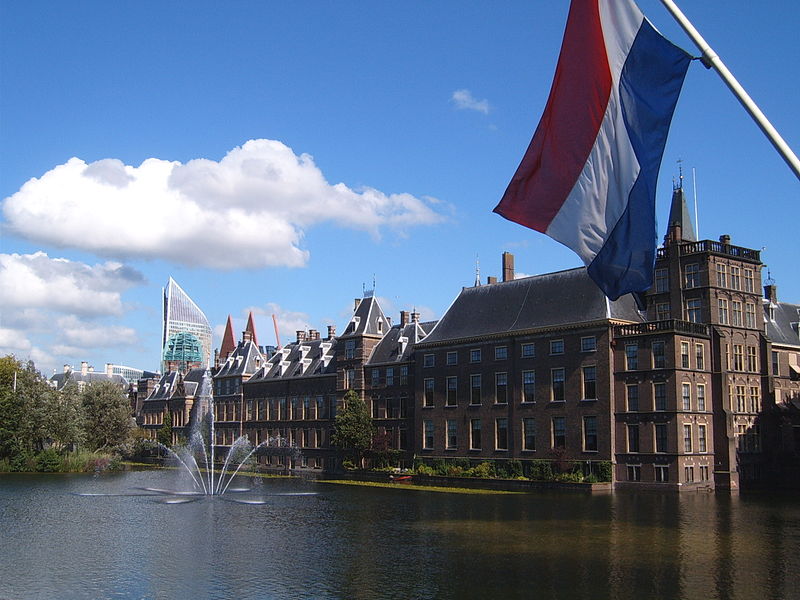
Lost in the Wilders(ness)
Cormac Murphy examines the significance of the recent Dutch elections and considers whether populism has reached its limits in Europe.
Swept up in a sensationalist frenzy, one of the most anticipated and fiercely contested elections in Europe produced, at best, modest electoral success for the far-right.
Dutch voters defied earlier predictions that suggested Geert Wilders’ Party for Freedom (PVV) was on course to snap up thirty or more seats in a parliamentary election dubbed “Europe’s quarter final” by incumbent Prime Minister, Mark Rutte.
The seemingly high importance of the election in the run-up to further European elections in France (Europe’s “semi-final”) and Germany (Europe’s “final”) sparked a storm of international media attention.

Geert Wilders campaigning in Spijkenisse. Image by Peter Van der Sluijs via Wikimedia Commons Branded as a pivotal battle for populism in Europe, the PVV managed to increase their share of seats from twelve to twenty.
With 13% of the vote, they are now the second largest party in The Netherlands.
However, this is significantly lower than earlier indications suggesting a thirty seat win.
Furthermore, their second place showing was barely ahead of the next largest line-up of parties. The Christian Democrats and Democrats 66 came in joint third, with nineteen seats each.
They are also distant second, being paled by Rutte’s People’s Party (VVD) which won thirty three seats — thirteen seats more than the PVV.

Image by Cormac Murphy Negotiations to form governments in The Netherlands are notoriously drawn-out and difficult.
According to Bloomberg, since 1945 the average time taken has been seventy two days — a process that, if repeated, would take us well past the French presidential and parliamentary elections scheduled this year.
Coalition talks are currently underway to forge a future government between the VVD, D66, the Christian Democrats and GroenLinks. The PVV will not be included however.
Locked out of power as others unite against him, the final tally is not even Wilders’ best electoral outcome — falling short of the 2010 election results.
Considering the electoral wind-down for Wilders, was the heavy media coverage justified and do these elections have a wider significance for Europe as a whole?
Unravelling the Far-Right
Speaking to The City, Gavan Titley, a senior lecturer at Maynooth University who specialises in media studies of race, racism and multiculturalism in European politics said:
“The relationship between results [in different European countries] are often overemphasized and are generally much more complex, involving very particular national issues.”
However, he stated a common theme among the far-right in Europe is their ability to bring the issue of national identity into the spotlight – stating the Dutch election became a “question of Dutch identity”.
Despite Wilders being locked out of power, Titley says the election was in fact “ a dual victory for the far-right” and cited that the PVV not only managed to increase its share of seats from the previous election but also managed to shift political discourse to one that was “openly racist.”
https://twitter.com/GavanTitley/status/842303000274194432/photo/1
When asked about the fractured nature of proportional representation and the thresholds many far-right political parties fail to advance beyond, he emphasized that power is not defined solely as “executive or governmental”:
“Far-right parties have the ability to shape the news agenda and change the political culture of a country – even if they can’t take office and be involved in the decision making.”
When questioned about the future of the far-right and whether Wilders’ PVV would attempt to ‘de-demonise’ the party to broaden their appeal, he stated:
“There is no incentive for [Wilders] to defuse his language” — as he is able wield a strong degree of influence, without entering government.
The bigger European picture
The Brexit referendum and Donald Trump’s presidential win shook established politics during 2016.
Scattered in-between these two earthquake results were a series of smaller, yet emblematic elections.

Heinz-Christian Strache, head of the Freedom Party of Austria. Image by Thomas Prenner via Wikimedia Commons On December 4 2016, Austrians went to the ballot box for a second time to elect their president. While the role is purely ceremonial, Austria’s tight presidential race reflected a shifting political tide.
The far-right candidate Norbert Hofer lost to Alexander Van Der Bellen (The Greens) in the end — with it came a sigh of relief but, nevertheless it was a close call for an already embattled EU.
The same day, Italians took to the polls to vote on a constitutional referendum, which if passed, would have granted the Italian government a broader range of powers.
Populists in the country rallied behind a no vote and a no vote it was.
Following the vote Italian Prime Minister, Matteo Renzi resigned and Italian populists rejoiced.
Speaking to Time. Alfonso Bonafede of the Five Star Movement stated “Our victory shows that Italians have also said ‘no’ to the austere and destructive policies of the European Union and to the diktats of Germany. It’s about time to ask Italian voters, through a new referendum, whether they want to stay or leave the euro-area.”Fast forward a few months and all eyes were focused on The Netherlands.
Writing in The Guardian, prominent Dutch political scientist and lecturer, Cas Mudde criticised excessive media coverage of the Dutch Election – claiming the international media declared The Netherlands “the bellwether” of European politics despite lacking a winner takes all system.
In hindsight, the media may have offered Wilders an overtly ample platform.
However, given the bigger German and French elections on the horizon and a string of past close calls across Europe, the coverage was understandable.
Contagion from the Right
Despite negligible gains for the PVV, the most noteworthy result of the elections was a general move to the right.
Aping Wilders’ inflammatory language towards immigrants, Rutte made a series of strongly worded statements towards minorities in The Netherlands.
Demarcating a greater distinction to his rival, Rutte wrote an open letter in January stating that “The solution is not to tar people with the same brush, or insult or expel whole groups, but to make crystal clear what is normal and what is not normal in our country.”
“If you reject our country so fundamentally, I’d prefer you leave,” he added.
Another feature of the election was a highly charged diplomatic dispute between The Netherlands and Turkey, which threatened to blow the Dutch elections apart, just days before voters took to the polls.

The Turkish Foundation in Amsterdam. Image by Persian Dutch Network via Wikimedia Commons Turkish efforts to hold political rallies and campaign for a Yes vote in the upcoming Turkish constitutional referendum backfired when Turkish officials were banned from The Netherlands.
Mevlüt Çavuşoğlu, Turkey’s Foreign Minister urged all Turkish citizens in The Netherlands to protest outside the Turkish consulate in Rotterdam as a response.
Despite the fiery rhetoric and explosive escalation of the incident, it did not aid the far right in the Netherlands. Instead, Rutte’s hard-headed handling of the affair boosted his appeal among Dutch voters.
https://twitter.com/geertwilderspvv/status/840668970483122178/photo/1
Wilders attempted to exploit the diplomatic rift by portraying Turkish immigrants as a fifth column. The tweet above translates as “Four decades, open borders, mass immigration, preservation of culture, zero integration, dual nationality…. This is the result.”
A similar sentiment echoes across Europe as mainstream parties scramble to keep their grip on power.
Angela Merkel who welcomed over one million migrants into Germany in 2015 has made several political U-turns.
In a seemingly desperate attempt to prevent voters straying to the fledgling, far-right Alternative for Germany (AfD) party, Merkel has spearheaded a burka ban as well as revoking her open doors policy to incoming asylum seekers.
She has faced several state elections in the last year that have witnessed AfD gains at the expense of her own Christian Democratic Union (CDU) party.
With the larger federal elections scheduled for September this year, Merkel may find herself struggling to retain her position as German premier.
One down, two to go: Three of the far-right contenders who are to contest elections this year. Marine Le Pen – France (left), Geert Wilders – Netherlands (centre) and Frauke Petry – Germany (right)
Conclusion
While Dutch voters may not have been as discouraged with their political system as previously thought, it is undeniable that the mainstream victory in this election came at a cost.
Much of the centre-ground was ceded — highlighting and perhaps, partially validating some of Wilders’ positions in the eyes of the electorate.
On 25 March, EU Leaders gathered to celebrate the 60th anniversary of signing of the Treaty of Rome. Considering Britain’s departure, and a surge in populist Eurosceptic politics, it is unclear if the union will last another 60 years.
With more elections on the horizon, Europe will have to brace itself once again. Will Le Pen take the Elysee in May and deliver a fatal blow to the EU, or has the dust settled for the populist right?
Either way, the issue of national identity is rising to the forefront of many EU countries’ political agendas — aided and abetted by a far-right holding their feet to the fire.
A Netherlands’ exit from the EU, or ‘Nexit’ has failed to materialise, but with Marine Le Pen promising a ‘Frexit’ in the upcoming French elections, anything is possible, even if her chances at victory are improbable.
Time will tell who wins and how much the mainstream will mimic populist politics in an attempt to regain its appeal. Even if far-right efforts at power prove unattainable, their ability to influence the broader political spectrum is abundantly clear.Featured Image by Markus Bernet via Wikimedia Commons
-
Ashes to ashes: Lent and its observance in 21st century Ireland
With the season of Lent upon us, Cormac Murphy explores the past and present reality surrounding this rich spiritual tradition.
-

Bussing it to bankruptcy: is insolvency Bus Eireann’s final destination?
With Bus Eireann in financial meltdown, Cormac Murphy investigates the wider impact it could have on its competition and customers.
-
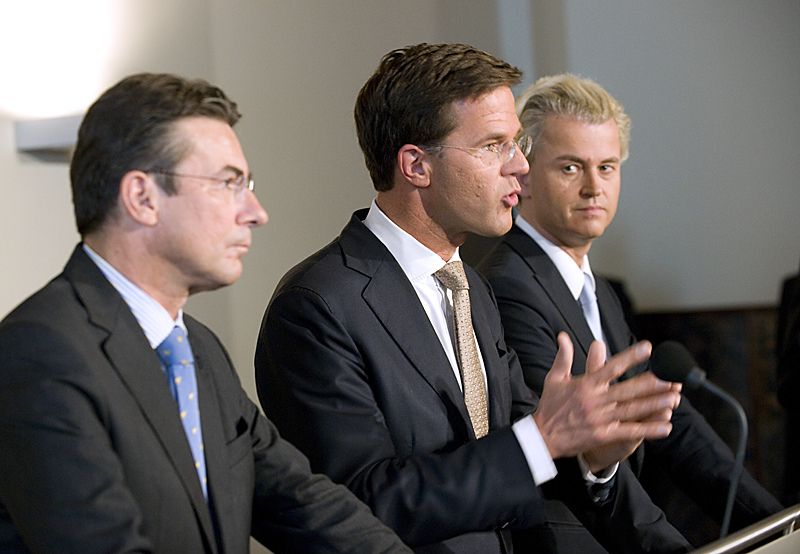
Dutch (dis)courage: after Brexit and Trump will the Netherlands be the next political domino to fall?
With Dutch elections less than a month away, Cormac Murphy probes the political atmosphere that may cause fresh upset across a struggling post-Brexit EU.
-

Gone but not forgotten: Obamas’ Freedom of the City clouded by controversy
Cormac Murphy reports on the debate surrounding Dublin City Council’s controversial decision to award the Obamas Freedom of the City.
In a move surrounded by controversy, former US President Barack Obama and his wife Michelle are to be awarded the Freedom of the City of Dublin.
The Lord Mayor of Dublin, Brendan Carr put forward the contentious proposal to grant the Obamas the title on Monday, 6 February. The motion was passed by a majority of Dublin City councillors with 30 votes for the measure and 23 against.
The vote followed a heated exchange between those who opposed the motion and those who supported it. Members of the Anti-Austerity Alliance, People Before Profit, Sinn Fein and the Green Party were represented among the parties who opposed the decision.
Defending his position in a press release, the Lord Mayor stated “The award is often a political statement… at this juncture in world politics our city can make a clear statement about what example we would wish the paramount global political leader [the US President] to set… I believe Barack and Michelle Obama set the right direction for the US both domestically and in international relations.”
He elaborated that Obama’s presidency oversaw several important international developments such as the cessation of military activities in Afghanistan, the Iran nuclear deal and Obama’s normalisation of relations with Cuba. He also noted Michelle Obama had campaigned throughout her husband’s term in office for women’s rights around the globe as well as drawing attention to the plight of refugees.
Speaking to the Thecity.ie, Councillor Michael O’Brien of the Anti Austerity Alliance said, “Obama is guilty of heinous acts that should disqualify him from being bestowed the award”. He cited examples of drone strikes in the Middle East, Pakistan and Somalia as examples and claimed Ireland has a “blind spot about the nature of the Democratic Party”.
The decision also divided opinion online with several users taking to Twitter to vent their anger. One Twitter user called Obama the “drone king” and blasted his record in office.
https://twitter.com/eamonnh96/status/828736030417240064
Another Twitter user implied it was just a photo opportunity for the Labour Party which currently controls Dublin City Council.
However, others welcomed the decision. One British expatriate stated the move was “lovely”.
https://twitter.com/ukexpat19/status/828696382152253440
Dublin City Council’s decision to grant the Obamas the prize means that Barack and Michelle Obama will become the 82nd and 83rd beneficiaries to receive the title.

Dublin City Council buildings At Wood Quay, Image by YvonneM via WikimediaCommons What is Freedom of the City of Dublin?
The Freedom of the City of Dublin is the highest civil honour granted by the Dublin City Council. Irish Home Rule pioneer Isaac Butt was the first to receive the award in 1876.
Notable recipients include Nelson Mandela who received the title as a freeman of Dublin in 1988 and Aung San Suu Kyi, a leading advocate for democracy in her home country of Myanmar (formerly Burma). Other famous people include General Ulysses S Grant, President John F. Kennedy, Pope John Paul II and musicians such as Bob Geldof and Bono.
The award acknowledges the contribution to the life of the city or Ireland in general, which includes politicians, public servants, humanitarian activists, artists and entertainers. Honourees sign the roll of freemen at the City Hall or the Mansion House.
Freedom of the City is mostly ceremonial. The benefits offered to freemen include ancient privileges such as exemption from octroi, a duty once imposed on various goods entering the city, and pasturage of sheep on city commons such as College Green or St. Stephen’s Green. Bono attracted considerable media attention when he exercised the right to graze sheep in 2000.
It’s not the first time the award has sparked controversy. Distinguished Celtic scholar Kuno Meyer who received the award in 1911 for his role in the promotion of Irish culture, was removed from the roll of freemen in Dublin for his pro-German views during World War One. This decision was later retracted posthumously in 1920 when Sinn Fein won control of the city council.
The couple indicated to several contacts that they are happy to receive the award. A meeting with US embassy officials will reportedly be held within days and could result in an official visit by the end of the year.
Barack Obama and his wife Michelle visited Ireland back in May 2011. The former US President has ancestral links to the country through his mother Ann Dunham who has relatives from Moneygall in County Offaly.
Featured Image: Barack and Michelle Obama at the Lincoln Memorial in 2009 by Mark O’Donald via Wikimedia Commons
-

Opinion: Keep politics out of awards shows
In the wake of a politically charged SAG awards and Meryl Streep’s Trumbashing speech at the Golden Globes, Cormac Murphy awaits more of the same self-adulating politics at the Oscars.
You must be logged in to post a comment.