Author: Molly Mc Niffe

  • Making a Mark

    Making a Mark

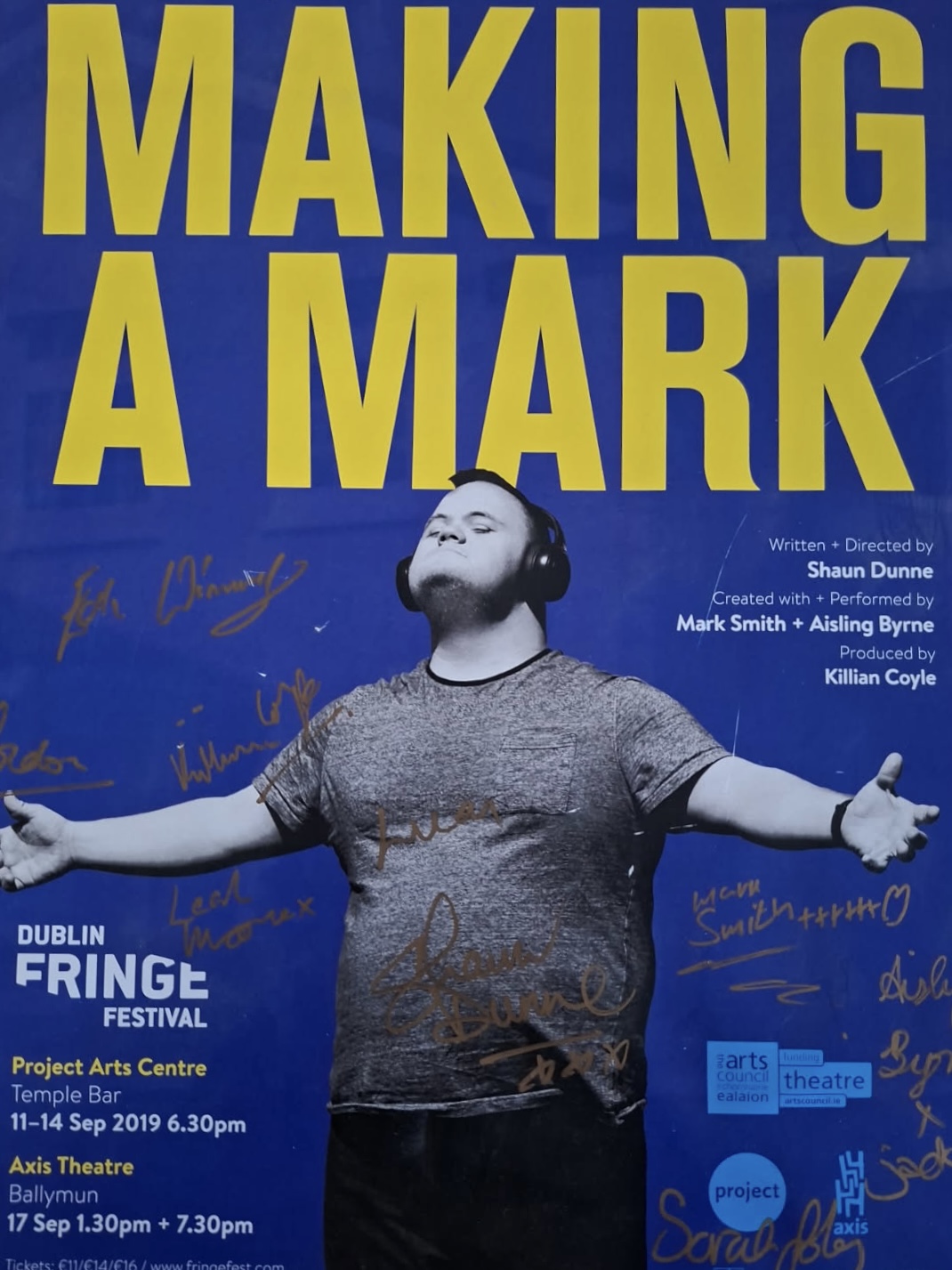
    Mark Smith is an award-winning Irish actor and theatre maker.  

    He is best known for his one-man autobiographical show, ‘Making a Mark’, which toured Ireland in 2019. 

    The Celbridge star, who has Down Syndrome, turned 44 in April, but started acting at just four and a half years old in school Christmas shows.  

    Smith’s accomplishments don’t stop there.

    “As well as the acting, I won a silver medal for Ireland in the World Special Olympics in 1999. I went over to North Carolina, and I was this close to winning a gold!”, he told me.

    He was involved in many Special Olympics after this and met Nelson Mandela and Stevie Wonder at the 2003 event, noting that Mandela was such a “lovely guy”. 

    At 14, he began acting classes in Leixlip, alongside Harry Potter star, Devon Murray, who played Seamus Finnegan in the iconic movies, and numerous Fair City stars. 

    “Have you ever heard of Song for a Raggy Boy? The director, Aisling Walsh, was my early acting mentor”, Smith explained, referring to the 2003 hit movie starring Robert Sheehan and Aidan Quinn. 

    He also recalled the moment his career took off, when he met Aisling Byrne, the creative director of ‘Run of The Mill Theatre’, a company he works very closely with. 

    “It was Christmas 2018; I was sitting in a cafe signing about eight or nine forms with Aisling for my show, ‘Making a Mark’, and I remember her saying to me – “You’re not an amateur anymore, you’re a professional actor now” – and I just couldn’t believe it,” he said. 

    The play was co-written by Shaun Dunne and produced by Aisling Byrne. 

    Smith explained how the show toured for over four months across nine venues, with his nephew Cian traveling with him.  

    He explained that this was an amazing experience, not just for him, but also for Cian, as he was a budding sound technician, who was able to get behind the scenes with his actor uncle. 

    Though he loved performing in Sligo and had a great laugh, his most memorable performance was at, “The the Axis Theatre in Ballymun – had a few shows there for my Nana, which was so important to me. It was the only time we did matinee and evening shows. She passed away not long after. It was the last time I saw her”. 

    Family is important to Mark Smith, especially with him being one of six children. 

    In 2014, four of the Smith family were attending Maynooth University together.  

    Smith’s mum Jacqueline, his sister Yvonne, and his brother Gary went to college alongside Mark, which he admitted was very helpful. 

    “I was able to get free lunches and coffees from them at the breaks”, he laughed. 

    He studied 14 different modules during his time in the ‘The Inclusive Learning Initiative’ (ILI) – a project with specialised teaching and tailored to those with special needs. 

    As well as professional acting, Mark has a second job on Tuesdays and Wednesdays in the same university, nearly ten years on from his time as a student there. 

    “I manage a lot of their post and big deliveries there, and I organise what goes in and out, like packages. I also help the students a lot, I sort out their student leapcards for them and help them get new ones,” he explained. 

    Meanwhile, in his other profession, he has been putting a huge amount of time and effort into a short film called, ‘Mary is Missing’.  

    “I play the main character, Pete O’Hara,” he said.

     “Let’s just say he is evil, I can’t tell you any more than that yet.”

    Mark Smith playing main character – Pete O’Hara – in new movie, ‘Marry is Missing’ – Photo courtesy of Run of the Mill Theatre.

    Smith had to be a tad cryptic as though the movie has been released to film festivals, it hasn’t had a public showing yet. 

    Just a month ago, it won awards at the International Cork Film Festival and now has been long listed for the 2027 Oscars – a huge success. 

    Westlife singer Mark Feehily was watching the movie at the festival, and congratulated Smith on his incredible performance, telling him that he will follow his career. 

    “I couldn’t believe it, I love Westlife. He even sent me voice messages about the movie after he watched it, he called me an absolute legend. He also gave me two free tickets to the next Westlife concert! I can’t wait,” said Smith, after his interaction with a singer from his favourite band. 

    Nelson Mandela, Stevie Wonder, Mark Feehily, Harry Potter stars, and even Hozier?  

    Smith told me about the fellow celebrities he has met over his years in the industry, yet his favourite was none other than Canadian heart throb, Justin Bieber. 

    “It was 2016 and I was in Maynooth after winning a lip sync battle with a few friends. That’s when I met Justin Bieber, in the Glenroyal Hotel. We had a few drinks together and had a chat”, he told me. 

    Smith knew Bieber was in the area and spotted him in the carpark of the hotel and jumped out of the car to say hi. They chatted for hours about what they had in common over some Cokes and Fantas. 

    Smith and Bieber having a stroll in Maynooth 2016 – Photo courtesy of Jacqueline Smith.

    Smith would like to live near Bieber in the future in a big house in LA – where his family could go and visit in “small batches”. 

    When asked about his five-year plan and he told me, “I’d love to work with Netflix and Disney, but that would be more of an eight or nine-year plan. I’d love to be in a big TV show and play a villain.”. 

    Smith’s favourite series is ‘Law & Order: SVU’, with his favourite character being Olivia Benson. 

    His top three films include The Silence of the Lambs, Harry Potter – The Deathly Hallows Part Two, and High School Musical – adding that he would love to star alongside Zac Efron one day. 

    Julie Walters, who played Molly Weasley in the Harry Potter franchise, is one of Mark’s inspirations as an actor, along with Judy Dench, and also Daniel Radcliffe, who Mark shares a birthday with.  

    Smith is a strong advocate for people with disabilities and Down Syndrome all around the world. 

    Mark Smith has a very important motto, “You have to see it to be it”. 
  • Campus Pride : TUD LGBTQ Society

    Campus Pride : TUD LGBTQ Society

    In recent years, Ireland has made huge progress in equality and representation for queer communities, with our country even being the first in the world to legalise gay marriage by popular vote in 2015. 

    Yet, for many young people, questions around identity, belonging, and visibility are still deeply relevant.  

    On university campuses, societies play a vital role in creating spaces where everyone feels safe and supported, especially today, as Ireland has seen a growing wave of conservative and far-right narratives, the work of these groups feels more important than ever. 

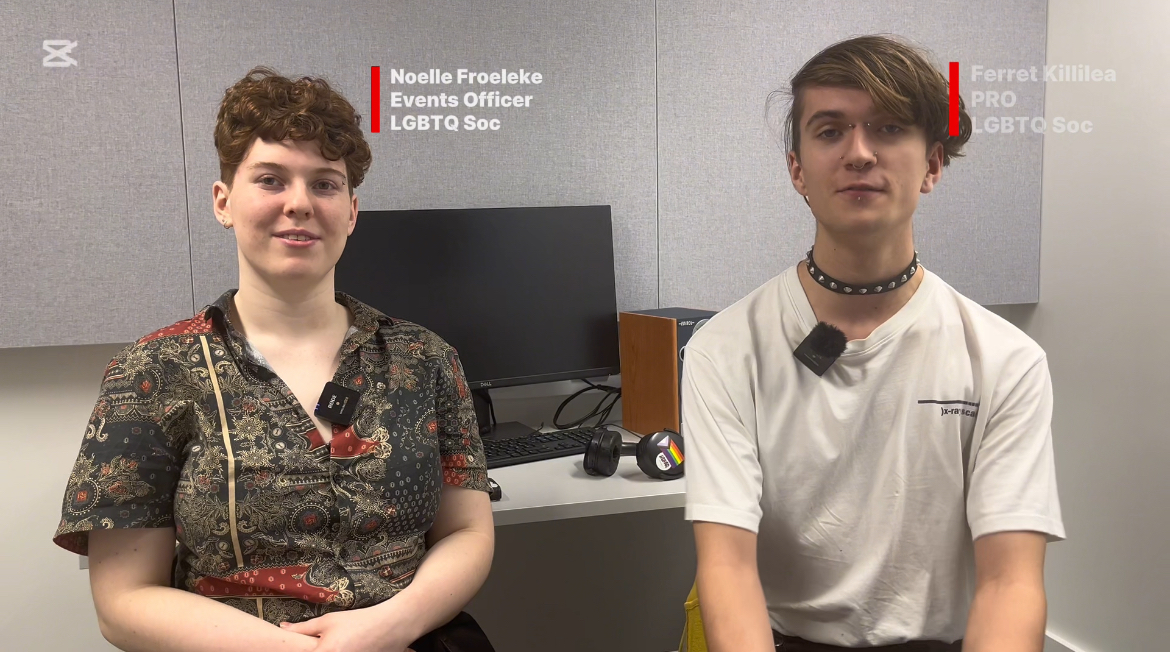
    At TU Dublin, the LGBTQ society has become one of the most welcoming and active groups on campus, first established over 30 ago. 

    We talked to them to see what happens behind the scenes, what the society means to them, and why diversity and inclusion matter.

  • Catastrophe: Nakba II – Fintan Drury with Dublin Book Festival 

    Catastrophe: Nakba II – Fintan Drury with Dublin Book Festival 

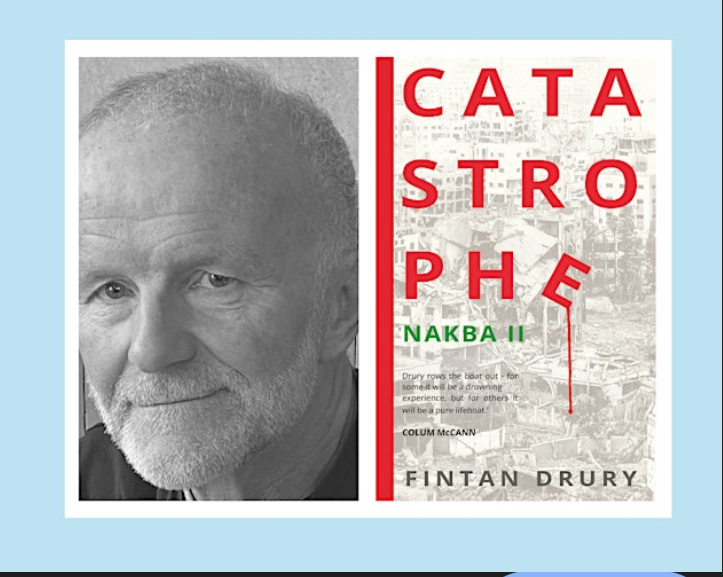
    Author Fintan Drury with his latest work – Photo courtesy of Dublin Book Festival 

    Catastrophe: Nakba II brings the decades-long plight of the Palestinian people into focus at the Dublin Book Festival. 

    The Dublin Book Festival is in partnership with Green Foundation Ireland and TU Dublin. 

    Attending gives students and the general public a chance to hear authors in discussion, ask questions, and engage with current debates. 

    DBF 2025 runs from 5 – 9 November across venues in Dublin, featuring over 100 events including: author talks, panel discussions, workshops, walking tours, and launches. 

    On Wednesday 5 November, hosted at TU Dublin, Grangegorman, Irish journalist-turned-author Fintan Drury will present his latest work. 

    He explains his inspiration for the book.,  

    “My main inspiration was my mother who died 20 years ago. She was a devout Catholic and proud Irishwoman who believed both the Vatican and the Irish government had not done nearly enough for the Jewish people during the Holocaust,” said Drury.   

    “She used to say, ‘at least nothing like that could happen again’. It has. I can research, write and talk so as I’m an old fella with grandchildren I thought I should look at what was happening to the Palestinians.” 

    Drury was a news and current affairs journalist with RTE in the 1980s. He was a correspondent in Northern Ireland and did overseas reporting before presenting Morning Ireland for over two years. 

    He left RTE at 30 and worked in business until 2015, establishing his own communications consultancy and Ireland’s first full-service sports management business, with both companies continuing to trade today.  

    He has a longstanding interest in human rights and migration – in his twenties he took a six-month sabbatical from RTE to work with GOAL in Sudan.  

    When he returned to journalism and to writing in 2016 it was after spending time working in a refugee camp in Greece at the height of the Syrian war. He wrote a 15-part series on an individual Syrian refugee’s story in the Irish Times. 

     Since then, he’s been a regular opinion and feature writer on migration and gambling addiction in the media in Ireland and sometimes in the UK. 

    Photo courtesy of Fintan Drury 

    His research for the book consisted of a “huge amount of reading”, followed by trips to Lebanon, Jordan and the West Bank as well as carrying out interviews in places in Europe, UK and Ireland too. 

    Drury explained the publishing process., “It wasn’t difficult as I was known for opinion writing and I’d published another book (about my time in business) so I knew my way around, I’ve a great agent in Louise Dobbin of Repforce and Merrion Press is an outstanding publishing company which is known for its independence and courage.” 

    What he would like readers to take away from the book is, “First, better understand this genocide has nothing to do with October 7th, 2023. Two, Israel is not a democracy; it’s an apartheid, settler colonial state that wants to destroy any prospect of a state of Palestine.”  

    Reviewers have described the book as “Urgent and thought- provoking” and “Well researched, organised and deeply affective”. 

    Catastrophe: Nakba II has been received extremely well by the Irish audience and greater public and has been shortlisted for non-fiction book of the year which Drury considers to be an honour. 

    In today’s media landscape, where narratives around Israel and Palestine can often be simplified or polarised, Drury’s book aims to provide a deeper historical and journalistic context. 

  • Every Voice Counts – Disability and Democracy

    Every Voice Counts – Disability and Democracy

    Despite clear laws protecting their right to vote, citizens with intellectual disabilities still face real issues at the ballot box. 

    From confusing, and non-publicised information, to inaccessible polling places, it’s a quiet form of exclusion that is rarely spoken about. 

    Conor Barrett, from Leixlip, has a rare syndrome called ‘MYT1L’, which is a neurodevelopmental disorder.

    He voted for his first time in the local elections last year and is excited to cast his vote for the presidential election on Friday October 24th

    For most of us, marking an X on a ballot paper is a given and could be taken for granted. 

    But for Conor, who has an intellectual disability, it’s a moment that represents visibility, independence, and equality. 

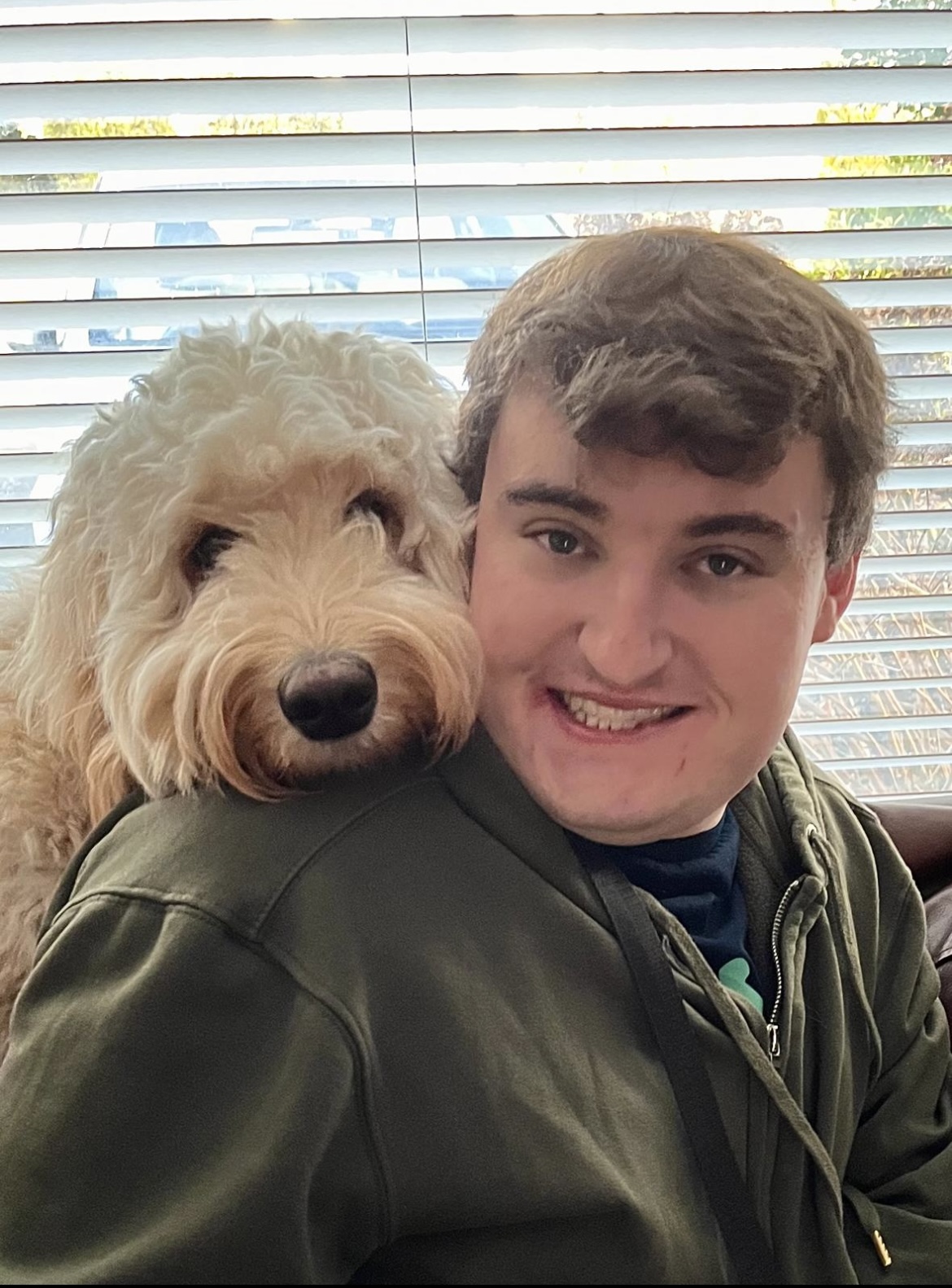
    Conor with his beloved goldendoodle, Sally. Photo courtesy of Una Barrett. 

    The 27-year-old attends a day service called Stewarts and loves it, partaking in swimming there. 

    He recently was chosen for swimming in the Irish Special Olympics next year and won an award for volunteering at the Arts Club in Leixlip. 

    Conor thinks it is extremely important to vote and has said, “I’m voting for Catherine Connolly because I love her, I’ve watched her talking on TV.” 

    With a love for following all current affairs, watching and listening to the news, keeping updated via Instagram and having his mother, Una, read him their local newspaper, ‘The Liffey Champion’, weekly, why wouldn’t he be able to vote? 

    Conor after winning an award in Leixlip Arts Club. Photo courtesy of Una Barrett. 

    Conor’s mum, Una Barrett, has shared, “It’s absolutely his right as a citizen to vote, he has the capacity to also. When people with special needs vote, I feel it shows they have a voice, and it gives them confidence.” 

    Una has also said how she never knew Conor could vote until just last year, despite him being eligible since he was 18 years of age. Una expressed how it was never said or told to their family and is calling for it to be publicised more. 

    Another mother from Kildare, who wishes to remain anonymous, has a son with a severe to profound intellectual disability also did not know that her son had the right to vote and he missed his first referendum. 

    No matter what disability, physical or intellectual, mild or profound, every single citizen of Ireland over the age of 18 has the right for their voice to be heard through their vote. 

    This right isn’t just an idea, it is protected by the law. 

    In 2018, Ireland signed the United Nations Convention on the Rights of Persons with Disabilities (UNCRPD).  

    By signing it, the State promised to make sure that people with disabilities can “vote and be elected on an equal basis with others.” 

    The Oireachtas Joint Committee on Disability Matters has made it clear that “Ireland legally upholds the right to vote for all persons with disabilities, without restrictions.” 

    This means that if someone can’t get to a polling station because of a disability, such as those living in residential care or nursing homes, can apply for a postal or special vote.  

    If they need help marking their ballot, they can ask a companion or a carer to enable them to vote. 

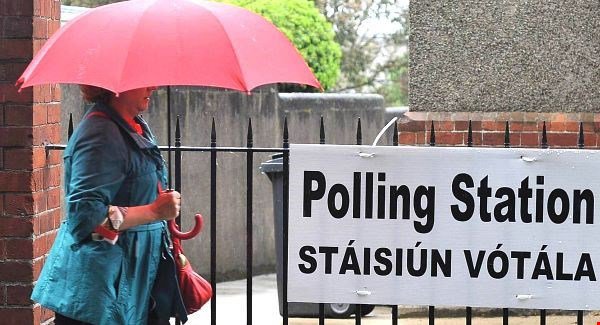
    The Electoral Commission also says polling stations must be accessible, and extra supports are available to make sure everyone can cast their vote. 

    Disability should never stand in the way of democracy, the challenge now is to make sure that these rights work in reality, as well as on paper. 

    Parents and carers in Ireland are demanding for this information to be publicly known, so their family members don’t miss out on a single election or referendum from the day they turn 18. 

  • Young voices, big vote: Are young people voting?

    Young voices, big vote: Are young people voting?

    This podcast was recorded before the recent news of Jim Gavin leaving the presidential election. 

    With the upcoming presidential election drawing near, the political engagement of young people is once again in the spotlight.  

    Do they turn out to vote? If so, which candidates and issues resonate most with them? Today, our podcast will take a fresh look at this topic, including interviews from TU Dublin students. 

    Whether you’re a first-time voter, or simply curious about youth perspectives, this conversation sheds light on the role young people play in today’s political landscape. 

  • ‘Paddystinians’ – The Surge in Irish Support for Palestine

    ‘Paddystinians’ – The Surge in Irish Support for Palestine

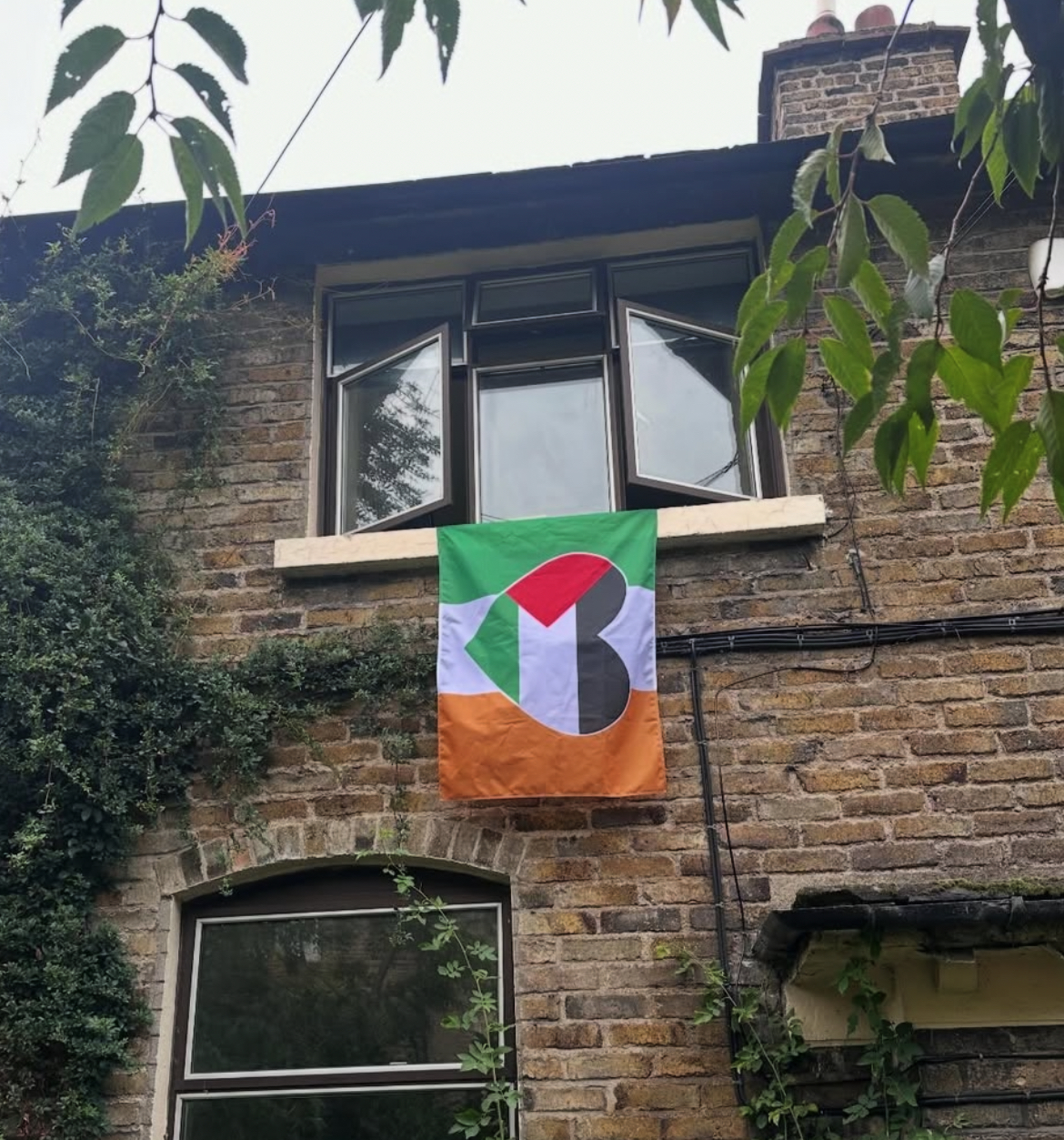
    Photo Courtesy : Céad Míle Flags

    In recent years, many Irish people of all ages and backgrounds increasingly have one thing in common – standing in solidarity with Gaza and Palestinians.

    From large-scale marches through the city centre to local fundraisers and solidarity vigils, Irish people are voicing their concern over the humanitarian crisis in Gaza.

    Ireland has long held a unique position in global solidarity movements, shaped by the country’s own history of colonialism and conflict.  

    Many Irish people see parallels between their past and the Palestinian struggle.  

    That sense of shared history continues to resonate, particularly among younger generations who are increasingly vocal on issues of global justice. 

    There are many fundraising groups such as Irish Queers for Palestine, Irish Artists for Palestine, GAA for Palestine.

    Earlier this month, Electric Picnic festival saw many artists, both Irish and international, vocalising their support.

    Artists such as Kneecap, Hozier, Becky Hill, and Girls Don’t Sync all paid massive tributes to Palestine and the festival was packed with red, green, black and white flags.

    Artists show their solidarity for Palestine at Electric Picnic. Taken at the ‘Mother After Dark Stage’.
    Photo Courtesy of Jack Maguire

    Among many groups are ‘Irish Sport for Palestine’, who are currently pushing the following narrative; “Show Israel the red card”. 

    The group describes themselves as egalitarian, anti-sectarian, anti-racist, and all-Ireland based.   

    “We started the group as many Irish sports figures, and indeed sports fans, were and continue to be opposed to Israeli apartheid, genocide and occupation,” spokesperson Joanne McDonald said.

    “There was a collective understanding that we needed to add voices from sport to demand a ceasefire and end the brutal occupation of Palestine,” she said.

    “Israel is a terror state and sport sanctions need to be applied”

    Joanne McDonald of Irish Sport for Palestine

    The group has come together with Bohemian FC and Fairsquare to call for UEFA to suspend Israel’s football association (FA). 

    They are fighting for this as Israel’s FA is breaking UEFA and FIFA rules by facilitating clubs operating in illegal West Bank settlements and failing to stop racist and violent chants targeting Palestinians. 

    They explain that the bigger picture is how the United Nations has found Israel guilty of committing genocide in Gaza. 

    “Football cannot ignore these violations while Palestinians are starved, displaced and killed,” said McDonald.  


    A recent campaign – Photo Courtesy : Irish Sport for Palestine

    Another Irish support group is ‘Céad Míle Flags’. 

    They aim to “re-claim” the Irish tricolour flag from the recent popularity of using it in anti-immigrant and far-right protests across the country. 

    Photo courtesy of Céad Míle Flags

    €10 of every purchase of their Palestine flag gets donated to the Irish Red Cross Gaza Crisis Appeal. They also have options of Ukrainian-Irish hybrid flags or Indian-Irish flags.

    They are also made with 40% recyclable materials and the flags are 100% recyclable and you can click here if you want to see more of their products on Instagram.

    In big ways and small, across cities, towns, and rural communities, MANY Irish people are showing up for Palestine, not just in protest, but in both creativity and compassion. 

    Whether it’s musicians on festival stages, sports fans calling for justice on the pitch, or young artists sewing flags from recyclable fabric, support for the Palestinians remains a popular cause.