Author: Patryk Goron

  • The guy behind Pheonix Park: the story of Terry Moore 

    The guy behind Pheonix Park: the story of Terry Moore 

    Taking care and being responsible for a national historic park that is one of the largest enclosed parks within any European capital city is very impressive. 

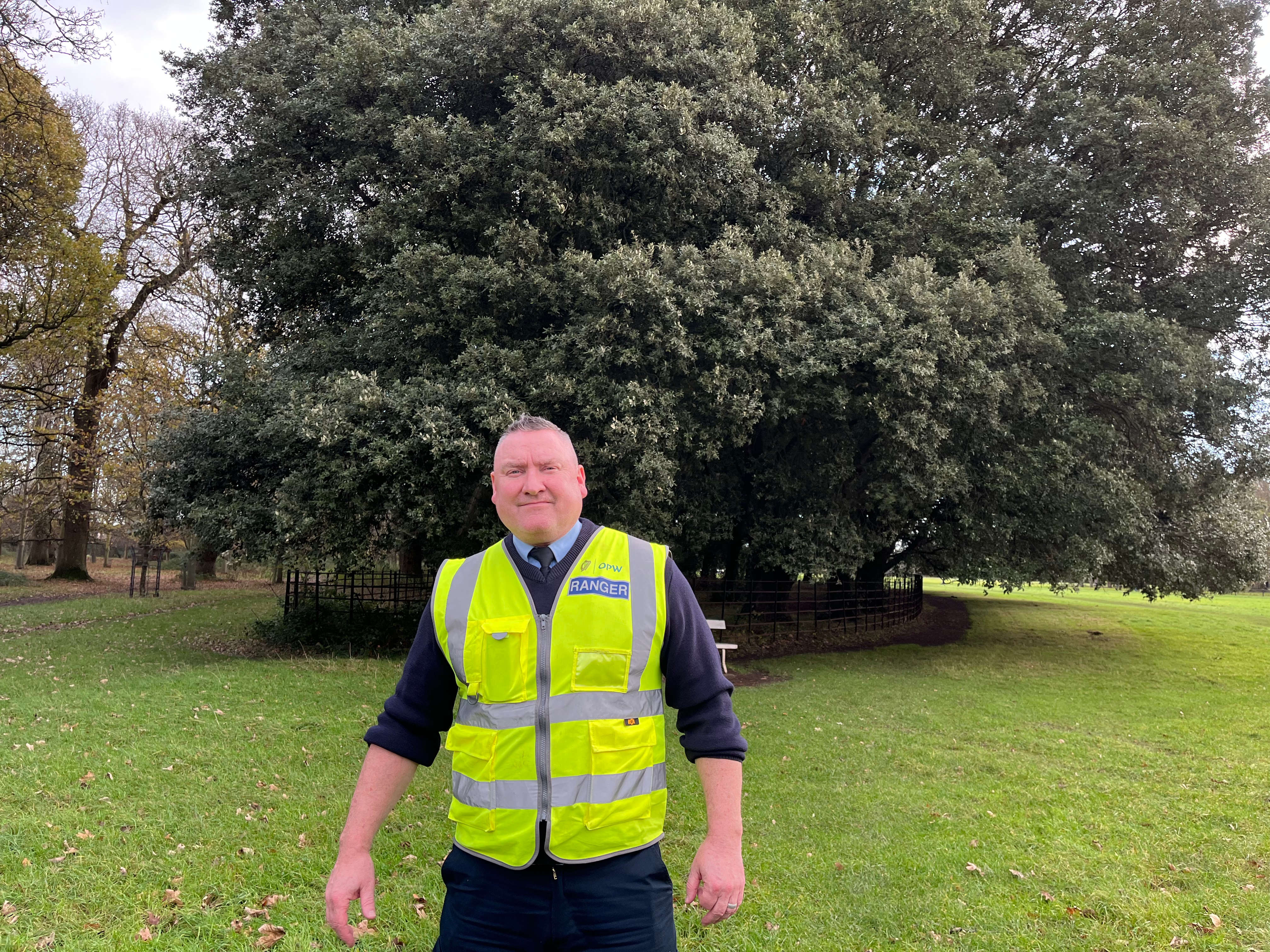
    Terry Moore (53), a Ballymun-born Santry resident,  became Pheonix Park’s  head  ranger about five years ago. 

    He started his journey in St. Stephen’s Green as park constable, and after two years he got a job in Phoenix Park as a park ranger, which was deemed as a promotion. 

    After around two years of being a park ranger, Pheonix Park’s deer keeper went for retirement and that’s when Moore got another position in the park.

    Five years ago, another retirement helped Moore’s career, making him the head ranger of Pheonix Park.  

    “It’s lot more responsibility now as the head ranger, and I’m still finding it hard to adapt to it,” he said. 

    His duties now involve more administrative stuff, like  delegating  work  to the rest of the twelve park rangers and managing their rosters.  

    “I’ll go out and look at the deer herd, make sure everything’s in order there. And then throughout the day, I patrol the park to make sure everyone that comes into it, has a pleasant time.” 

    “My thing is just monitoring the park in its present state, reporting any structural damage, and reporting on incidents that happen out there in the park,” said Moore.

    Terry Moore (picture taken by Patryk Goron)

    There are over 200 major sporting events in the park each year.  

    “For the last six months, we’re having nearly a race every week.  There’d be lot of preparation to put everything  into  place, like  closing  and opening the roads.” 

    “Then once the race is finished, we’ll put everything back to normal, get the park back open again.” 

    There are always events, politicians, charity events happening in the park as well. 

    “While a high-profile person is about to visit Aras, we’re locking the park down and we must do it in less than 20 minutes. We did it for the Queen, Joe Boyden, the Chinese prime minister.” 

    There’s a set of bylaws that run the park that go back to as far as 1925, so “our job is to enforce them, to make sure they’ve been adhered to by all so that everyone that comes into the park respects it.” 

    A big problem that Phoenix Park has been facing for a long time now is people feeding deer. 

    There are approximately 600 deer in Phoenix Park at the moment. The bucks occupy the east side of the park and the does occupy the west side. 

    “Deer need to eat grass, rest, and digest the food. But then you constantly get these people coming in, disturbing and moving them, giving them junk (carrots, crisps, all sorts of stuff) they don’t need.” 

    “We don’t fine, we don’t go down that road, but it might be inevitable, because it’s getting so bad,” Moore warned. 

    People don’t understand how dangerous feeding those animals might be both for humans and for deer. 

    There were incidents of deer having Covid. It’s very rarely to hear about people being attacked by those lovely animals, however, it has happened a few times, but it was always involving people who tried to feed them.  

    “It’s mostly when people try to feed them. They don’t do it on their own initiative. Red deer tend to be a little bit more aggressive, but fallow deer are quite timid.” 

    Moore advises to observe them from approximately 50 metres, and he says that the best spot to find them is the grounds of St Mary’s hospital.  

    “They’re in the park so long, they’re used to people jogging, to people walking dogs, the events that go on in the park, even people flying model airplanes, it doesn’t faze them at this stage because they’re so used to it.” 

    Deer in Pheonix Park (picture taken by Patryk Goron)

    Being a head ranger has its hard times, but most of the time it can be very rewarding. 

    Moore jokes that “the most rewarding part is clocking out and then getting paid.” 

    He added: “it’s great to observe how the park changes over seasons, especially while walking through plantations and meadows. The day goes really fast, it’s always filled with some kind of activity.”

    “One time, there was this one lad, who was trying to commit suicide. Me and another colleague, just by chance, came upon him while we were on a walk. We tried to calm him down and persuade him not to do it. Eventually we were successful and about three months later he came back to thank us.”

    According to Moore, it is essential to have an open mind and always be a courteous employee. 

    “We are dealing with the public on a daily basis. You must be patient, a good listener, and don’t get offended too easy.”

    “There are moments when you’d have to be a little bit diplomatic, you have to be a certain type of person to enjoy such work. If you don’t have much patience, it’s not going to work.”

    Like with every job, though, it is good to have an outside hobby. For Moore it is gardening, which he took up few years ago.  

    “It’s nice to see the labour of your work, especially when everything starts to bloom. It is very therapeutic.” 

    Moore’s journey and career path to becoming head ranger for Phoenix Park is an inspiring one. If you are interested in working in facilities management to someday manage iconic sites like this one, visit the facilities management department. 

  • Video: Reporters Without Borders Festival 

    Video: Reporters Without Borders Festival 

    To mark 40 years of fighting for press freedom and the right to information, Reporters Without Borders (RSF) took over the Gaîté Lyrique music centre in Paris on 15 November to host its Informing Tomorrow’s World festival, with a programme that included conferences, a photo exhibition, a concert and the 2025 RSF Press Freedom Awards ceremony.  

    Twenty-nine journalists, photojournalists and media outlets from around the world were honoured across five categories: the Courage Prize, the Impact Prize, the Independence Prize, the Mohamed Maïga Prize for African Investigative Journalism and the Lucas Dolega-SAIF Photo Prize.  

    “This festival is our way of saying thank you to all those who inform, question, doubt and tell stories. And above all, to you, curious public, engaged citizens, without whom press freedom would be nothing but words with no substance,” Thibaut Bruttin, Director General of Reporters Without Borders, said. 

  • Dalymount Park renovation faces another roadblock 

    Dalymount Park renovation faces another roadblock 

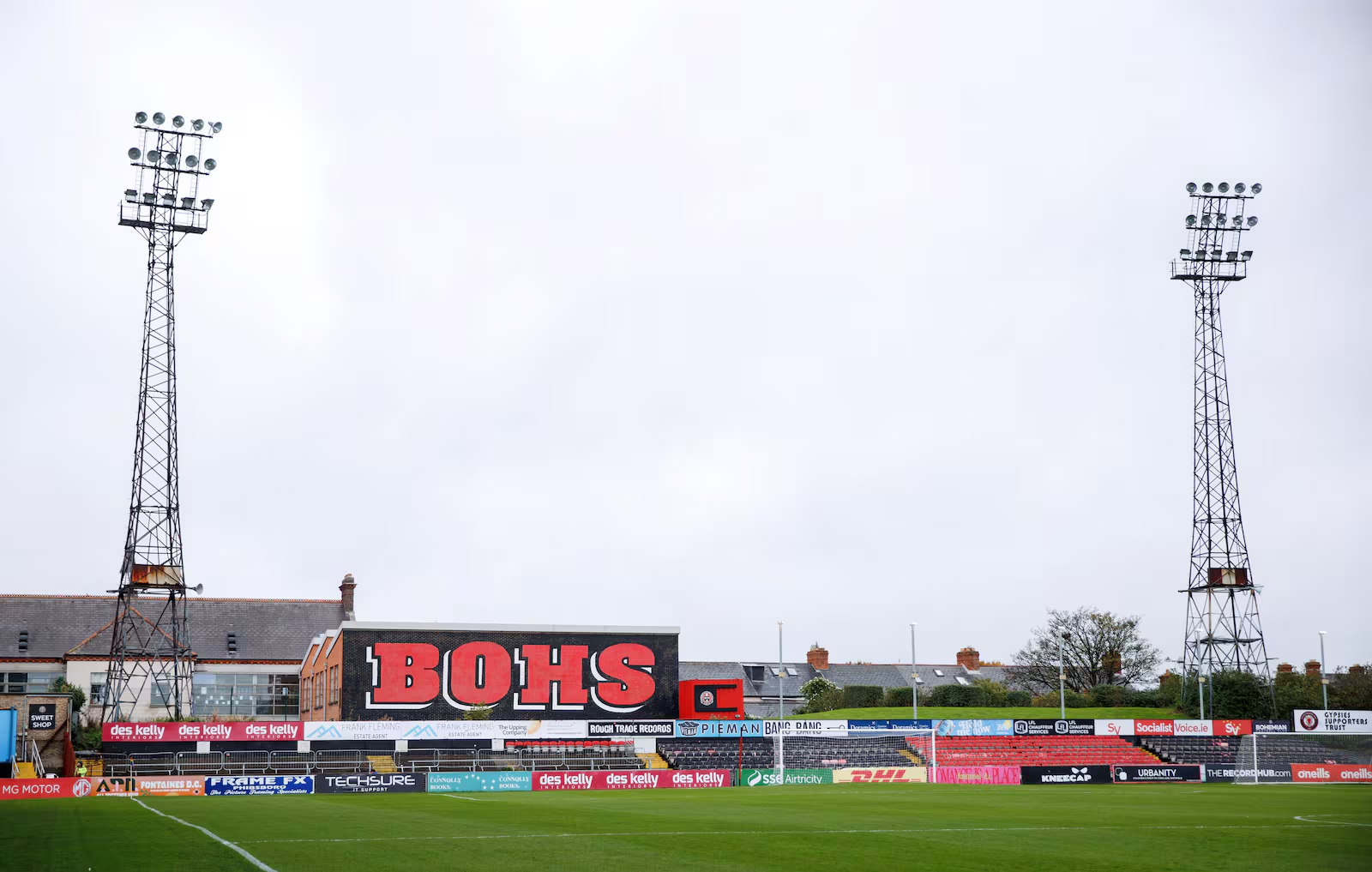
    Dalymount Park football stadium in Phibsborough, home to Bohemian Football Club, faces problems with its redevelopment again. 

    The cost of redeveloping the Dublin pitch has more than trebled since Dublin City Council (DCC) bought the stadium a decade ago, reaching as much as €63 million. On top of that, the construction of the stadium is expected to be delayed by as much as two years. 

    In 2015, the council purchased the sports ground from Bohemians for €3.8 million. The following year, it unveiled plans for a new stadium costing an estimated €20 million. 

    In the same year, DCC purchased Drumcondra’s Tolka Park, home to Shelbourne Football Club, with the goal of selling the property to raise money for Dalymount’s renovation into a facility for both teams. 

    However, following a campaign by Shelbourne supporters to maintain the ground, it subsequently modified its plans regarding Tolka Park. 

    The council agreed in 2022 to abandon plans to rezone Drumcondra’s stadium for housing and to redevelop Dalymount Park as a standalone project. 

    In February 2024, planning permission was granted for Dalymount’s demolition and reconstruction, with a new 8,000-seater stadium the aim for the redevelopment. 

    One of the entrances to Dalymount Park football stadium, home of Bohemian Football Club (picture taken by Patryk Goron)

    At that point, the project’s total cost, which included team facilities, club offices, a bar/function room, and community facilities had increased to over €40 million. The cost had again risen to €56.6 million by the end of the previous year when the council released its capital plans for 2025-2027. 

    New estimates, submitted to municipal councillors last Monday, suggest the cost has reached €63.75 million.  

    The council has received €25.6 million in government funding, an additional €2.6 million from levies paid to the municipality, €1 million from the long-term lease of Tolka Park back to Shelbourne FC, and €500,000 from UEFA. This results in a gap of over €34 million. 

    Around €25 million will come from government funding but Dublin City councillors have now approved the borrowing of €34 million to get the project under way. Repayments will be “partly funded from the annual rental income, match day revenue and non-match day revenue,” the council said. 

    It is expected that work will begin around the end of 2026 or early 2027, with the reconstructed stadium opening in time for the new League of Ireland season in February 2029. 

    Bohemian FC praised the council’s ruling in a statement, calling it “the final step in a process that began with DCC acquiring Dalymount exactly 10 years ago.” 

    The borrowing, along with government funding, “will allow for the historic stadium to be fully redeveloped and serve the people of Dublin and beyond long into the future.” 

    Councillors questioned if the stadium’s capacity could be extended to accommodate European football games, whether there was a business plan for the stadium’s operation, and how the project’s cost could be kept within budget. 

    Don Daly, the Council’s Capital Projects Manager, stated that Bohemian FC’s decision to have terraces for standing was one of the reasons the stadium could not be constructed to category 4 standards, while Richard Shakespeare, CEO of Dublin City Council, stated that it would require “a whole different level of pain financially” to make the stadium eligible for hosting European games. 

    Additionally, Mr. Shakespeare stated that while the stadium’s operational elements are still being worked out, the predicted costs have “a whole range of contingencies built into it” and he expressed confidence that the project will be completed within the allocated budget. 

  • The main concerns of young Irish in today’s hectic world 

    The main concerns of young Irish in today’s hectic world 

    A new survey shows that Ireland faces several challenges and major international problems, which make it hard for young people to grow up with confidence and ease when looking towards the future.  

    According to the most recent Central Statistics Office (CSO) “Growing Up in Ireland” survey, people aged 25 are mostly concerned about housing and poverty, with domestic issues being the most impactful. 

    Their concern is understandable. This is not only a policy issue but also a real and ongoing challenge. Many people in Ireland are aware of it through their own experience, or through family members and friends who are facing housing difficulties. 

    New stories emerge every week of students commuting long distances, couples in their 30s trapped in shared flats, or young adults who simply cannot afford to move out from their parents.  

    In total, over ten thousand people were officially homeless in Ireland in 2022, and more than 7,200 of them were in Dublin – a city rapidly becoming unliveable for many.   

    Although poverty and housing instability often come hand in hand, one of the main issues facing Irish families of all backgrounds is finding safe, reasonably priced homes. According to the latest government statistics, as of December 2024, more than 2,000 families in Ireland were residing in emergency housing. 

    This has a huge impact on children, as homelessness affects every aspect of their lives from infancy to young adulthood. Temple Street Hospital research shows that homelessness has a negative influence on a child’s physical, emotional, cognitive, and social development. 

    Even though the number of homeless people for young adults is not the highest out of the age groups, it is still a significant number, despite Ireland having one of Europe’s lowest youth unemployment rates (ages 15-24). 

    Ireland’s youth unemployment rate appears to be encouraging. Compared to several other EU member states, including Spain and Greece, where youth unemployment still surpasses 25%, the Irish percentage is far lower at only 12% of those aged 15-24 being unemployed or out of education. 

    But having a job does not guarantee housing access. Many young Irish workers are underemployed, working part-time, on zero-hour contracts, short term or temporary employment, and sometimes without any benefits or security being offered with the contract.  

    New data from the CSO shows that 18% of 25-year-olds went back to their parents’ house after attempting to live on their own, while 43% have never left. This indicates that by their mid-twenties, over 60% of young adults remain in the family home. Many of whom do so out of necessity rather than choice.  

    The numbers show a generation trapped by rising rents, stagnating incomes, and a property market that continues to price everyone out of the market but the wealthiest. While Ireland has one of Europe’s fastest-growing economies, many of its younger residents and workers are missing out on that wealth.  

    Having a stable place to live is one of the basic prerequisites for being able to engage as a full member of society and build your own independence, future and family. Yet it has become a privilege that is denied for so many young people in Ireland.  

    High pricing, a lack of availability, and low-quality housing are causing stress and worry, forcing thousands of young people to go abroad, including those educated and certified to become much-needed teachers and healthcare workers.  

    Without continuous and engaged government intervention, we risk allowing another generation to grow up not finding in Ireland the security and support they need to thrive.  

  • Podcast: China sentences former agricultural minister to death

    Podcast: China sentences former agricultural minister to death

    We are in the 21st century, there are many international NGOs dedicated to human rights, and yet the death penalty still exists in some countries. One of them being China, and it is exactly there were the latest death sentence was decreed. 

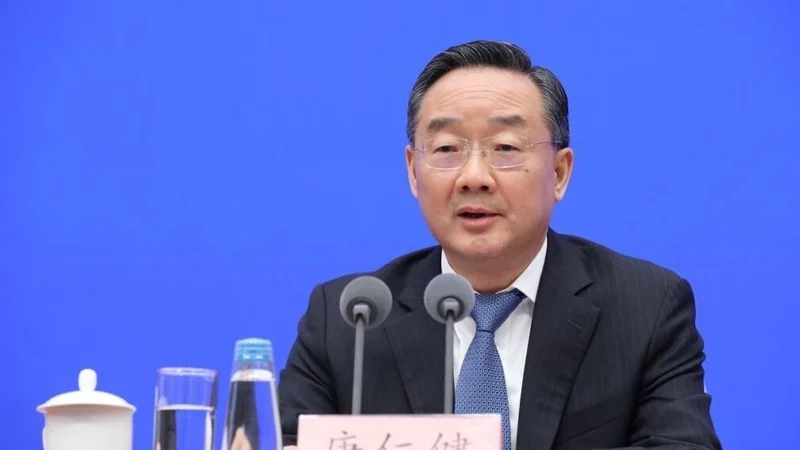
    On 28 Sep, China’s former minister for agriculture, 63-year-old Tang Renjian, was sentenced to death on corruption charges, with a two-year reprieve.  

    But why? What are Chinese citizens views on that? The City aimed to find out in this podcast. 

  • New Apple products – overview

    New Apple products – overview

    By Patryk Goron

    The next generation of the iPhone, Apple Watch and Airpods Pro are now officially launched.

    Let’s focus on phones first, since the new iPhone products come in four new distinct model variations: The iPhone 17, iPhone Air, iPhone 17 Pro, and iPhone 17 Pro Max.

    What is the biggest difference between the iPhone 17 and its predecessor, the iPhone 16?

    “It’s the chip that is being used, iPhone 17 uses the A19 chip, which is about 80% faster than what was used in iPhone 16,” editor of TechCentral.ie, Niall Kitson, said.

    Firstly, iPhone 17 will now be available starting with 256GB of storage, which is double the entry storage from the previous generation as well as a 512GB option, in five different colours: black, lavender, mist blue, sage, and white. 

    iPhone 17 promotional poster (picture taken by Patryk Goron)

    The front camera includes a “centre stage” option that takes advantage of a bigger field of view and a new sensor that allows users to capture landscape shots without having to spin the iPhone.

    Also, the new Apple iPhone 17 Pro Max will offer up to 2TB of memory, which is twice as much as the iPhone 16 Pro Max’s original capacity.

    All the latest iPhone models now have “ceramic shield” screens, instead of glass ones, allegedly making them more resistant to harm and cracks from drops.

    Having said that, Apple’s newest flagship smartphone, is receiving a lot of negative feedback online.

    Images of broken phones have begun appearing on social media despite claims of a scratch-resistant surface.

    The iPhone 17 Pro’s complaints bring back memories of previous models that had same issues.

    The ultra-thin iPhone 6 was criticized for bending too readily, the glossy black iPhone 7 was known for being scratch-prone, and the iPhone 4 had antenna issues.

    The big revelation of the launch is iPhone Air, which is advertised as the thinnest iPhone ever at just 5.6mm, while still retaining the A19 Pro chip on the inside.

    Constructed from titanium and made to be lightweight and robust, it provides the same functionality as the original iPhone 17 while giving Apple’s flagship a new appearance.

    What if you are not an expert and do not know what iPhone to choose?

    “It’s always important with an iPhone to look for two things, the battery length, but also the camera,” Kitson commented.

    “What’s interesting with the new iPhone Air, is that it only has one camera on the rear, so while your front facing camera won’t necessarily be affected, you will actually be losing something in terms of capability with your rear camera.”

    Select Apple store on South King Street (picture taken by Patryk Goron)

    Apple has also launched new AirPods and Apple Watches.

    The AirPods Pro 3 marked the first update to Apple’s AirPods Pro in three years.

    The new wireless earbuds can detect a user’s heart rate and provide superior spatial audio and noise reduction, live language translation, and a better fit with a larger range of ear tip sizes.

    Three new Apple Watch models were unveiled by the company: the Apple Watch Series 11, the Apple Watch Ultra 3, and a new less expensive variant named the Apple Watch SE 3.

    With features like 5G connectivity, a 24-hour battery life on a single charge, and thicker, more scratch-resistant glass, the brand labelled the Series 11 its “thinnest and most comfortable watch.”

    The Apple Watch SE 3 has a more powerful chip, allowing it to have an always-on display.

    The Apple Watch Ultra 3 has a larger and easier-to-read screen, as well as a larger battery that will last up to 42 hours.

    It also includes satellite connectivity, a critical emergency function that has gained popularity in the iPhone and allows users to use messages and “Find My” even when they do not have cell coverage.

    However, if you want to know a secret tip “there’s a rule of thumb to never get an odd numbered iPhone, because usually there’s an advance and then there is a refinement of it the following generation,” said Kitson.