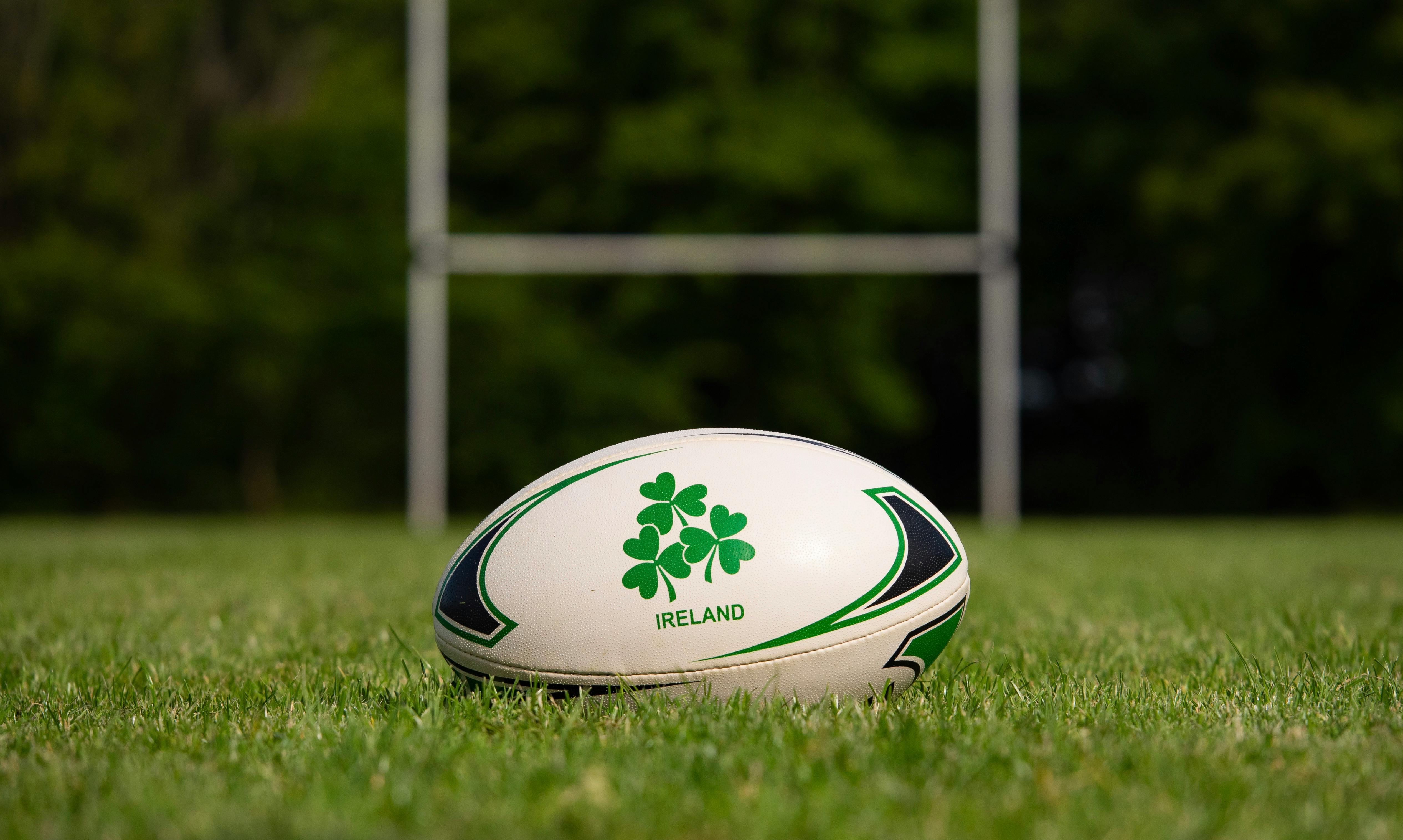
The women’s Six Nations had only an eighth. of the average television viewership of the men’s ix nations in 2025, according to the Central Statistics Office’s Women and Men in Ireland hub. This statistic shows a lack of engagement with women’s rugby from the Irish public. However, when compared with previous year’s statistics, it seems that this might be a positive trend for women’s rugby.
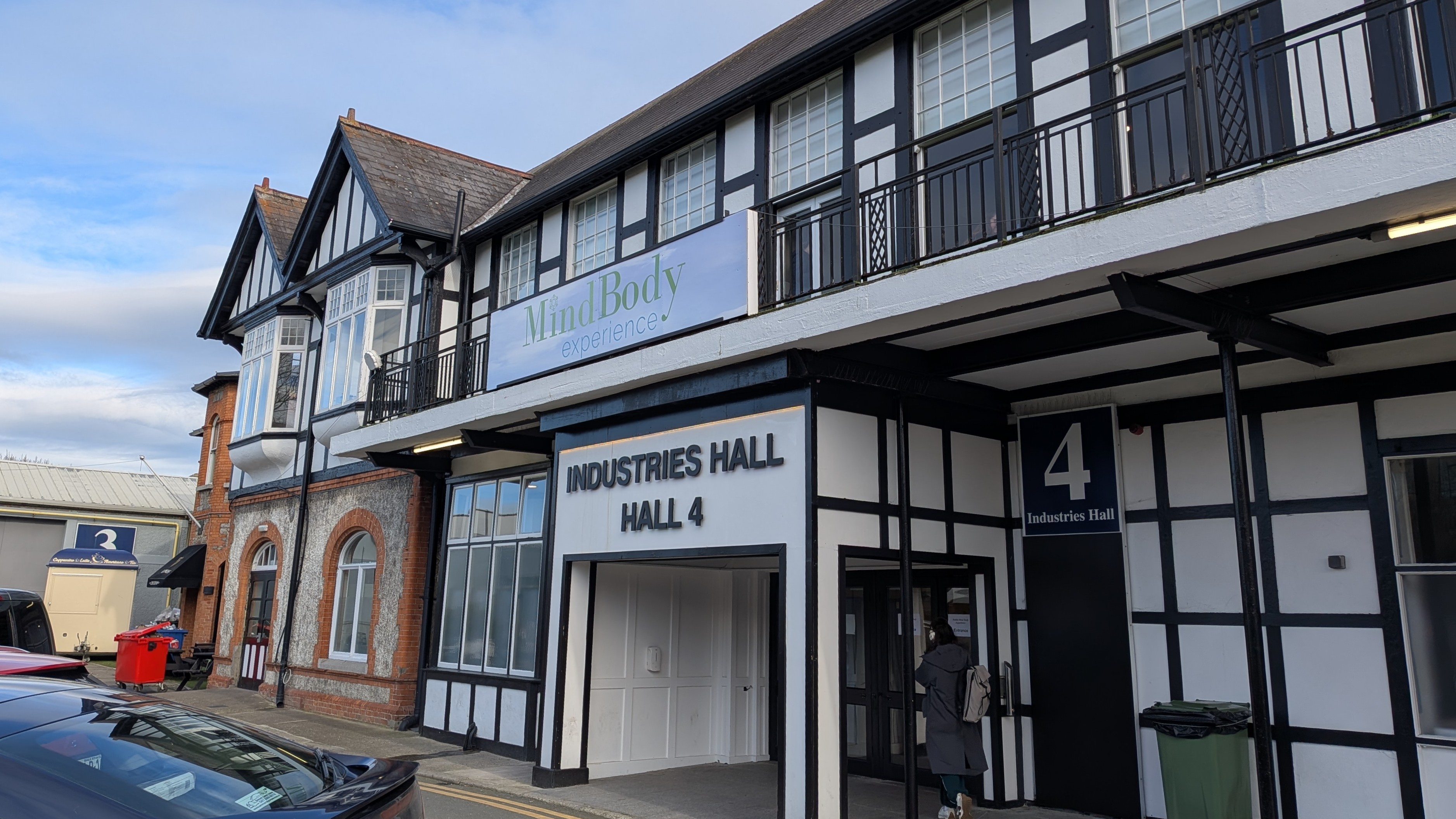
The Dublin Mind Body Experience was held over three days at the end of February and the beginning of March, bringing together a variety of exhibitors in the fields of holistic health, yoga and general wellness.
By Adam Jackson
The scent of incense was thick in the air in the RDS hall four, with almost 200 stalls set up, displaying a variety of products and organisations.
The Dublin Mind Body Experience might have seemed overwhelming at first, with so many different things jammed into a relatively small area, but after doing a circuit of the hall, one would be likely to see something that attracted their interest.
The event was a combination of four different elements: the Mind Body Soul Expo, the Yoga and Meditation Festival, the Dublin Wellness Expo, and the Dublin Psychic Fair.
As well as exhibitors desperately trying to make eye contact with anyone window-shopping, there were those consistently drowning in customer inquiries.
A café area, where people could take a break from perusing the stalls. Photo Credit: Adam Jackson
Immediately to the left upon entering, was a stall that might be easy to miss, with the intriguing name Ballyhubbock Bee Beds.
Gillian Moody, who managed this stall, talked about her experience attending the Mind Body Experience for the first time, drawing particular attention to the difficulties that came with exhibiting bee beds.
“This is my first time ever exhibiting or even attending the Dublin Mind Body Experience, and I’m here for people to understand what bee bed therapy is,” Moody said.
Moody’s bee beds are beds filled with multiple colonies of bees, the idea being that the vibration of the bees’ wings has some sort of therapeutic property.
Understandably, Moody was unable to bring one of these beds to the event.
“For the likes of these shows, I don’t necessarily have something that people can sample. Some people pass the stand, and you can see the hesitant look on their faces,” Moody said.
Moody explained that although it was difficult to get people interested without something physical to show them, once she explained the concept of the bee beds, people became more interested.
“People automatically assume that it’s bee venom therapy or that they might get stung, but with bee bed therapy, you don’t physically interact with the bees,” Moody said.
Although Moody did not have the ability to bring along her bee beds, there were plenty of stalls providing samples of different therapies or simply selling products.
One stall that sold a variety of tarot cards, among other things. Photo Credit: Adam Jackson
There was an entire corner dedicated to psychic readings, as well as beds and chairs set up for various types of mental, spiritual and physical therapy.
One thing that was impossible not to notice were the gongs and other sound devices set up in various stalls, all to demonstrate something called sound therapy.
One such stall was set up by AOSTI (Association of Sound Therapists Ireland), who were there to promote entering sound therapy as a profession.
Jennifer Cruise, the chairperson of AOSTI, explained the practice as the use of certain sound frequencies as a form of therapy, using instruments like Tibetan bowls, crystal balls and gongs.
“We’ve been absolutely inundated with people,” Cruise said.
“This fair, which is the largest indoor holistic fair in Ireland, has had far more sound therapists this year than any other year.”
Cruise attributed this popularity to the ease with which most people can use sound therapy.
“Anybody can experience sound; you don’t have to be a musician, you just have to understand how sound affects people,” Cruise said.
Although human wellbeing was a major focus of the event, somewhat surprisingly, there was one stall set up for the wellbeing of non-human animals.
IAVS (Irish Anti-Vivisection Society) were there to spread the word about animal testing in Ireland, specifically focusing on Botox testing.
“We’re here to publicise the amount of abuses carried out on non-human animals every year, both in Ireland and the world,” Catherine Morrow, IAVS chairperson, said.
While the EU has banned cosmetics testing on animals, Botox testing is still allowed on a technicality.
“At the moment, we are particularly focused on campaigning against the testing of Botox on mice, which kills thousands of animals in Ireland every year,” said Morrow.
Morrow emphasised the existence of humane alternatives to animal testing that she said were “more reliable” and “far cheaper”.
The Dublin Mind Body Experience seems to have been the right event for IAVS, with plenty of interest coming from the event’s attendees.
“We’ve had crowds of people today, a number of vegetarian and vegan people coming to the stall, so they are automatically sympathetic,” said Morrow.
Later on in the day, the event was no longer quite so busy. Photo Credit: Adam Jackson
Things were dying down by six o’clock, although the event was indoors, the skylight above made the waning light apparent.
There were no longer nearly as many attendees as there had been earlier in the day, and exhibitors were beginning to pack up their stuff and leave.
Exhibitors who had been previously eager to catch the attention of passing attendants were, at that point, comfortable with the lack of engagement, many of them using the downtime to read.
Like so many other things, the Dublin Mind Body Experience ended, slowly fading out.
Events include live podcasts, Bowie tribute bands, and former Bowie band members.
by Adam Jackson
David Bowie’s presence looms large in Dublin this week in the form of the yearly Dublin Bowie Festival.
The festival, founded by John Brereton in 2016, includes many events across Dublin, celebrating the life and work of David Bowie.
Brereton, who is the festival’s director, has been hosting Bowie-related events since 2009.
“I was manager of the Grand Social, and in 2009, I started doing Bowie birthday bashes in January,” Brereton said.
“Then in 2016, Peter Quinn, the singer in a trivia band called Rebel Rebel, and I said, ‘why don’t we expand it into sort of a mini festival?’”
The festival had an immediate draw as it featured musicians who had previously worked with Bowie.
“By magic luck, Bowie’s guitarist, who’s a Dubliner, Jerry Leonard, was in town, and we got him involved and had a great weekend,” Brereton said.
“People from the UK and Europe came over, then we woke up on Monday and found out Bowie had died, so it was all kind of mad.”
Ten years on, the festival still has a big appeal, attracting a large number of both Irish and international attendees.
“Most of the gigs are sold out already. We get a lot of people from abroad, from all over the world, from as far as Australia, Mexico, Iceland, America, all over Europe, and the UK is an especially big contingent. Lots of Irish people as well, of course,” Brereton said.
Although it is such a big tourism draw, the festival has not received much funding, relying mostly on ticket and merchandise sales.
“We’re getting a tiny bit of funding this year from the Dublin City Council, which helps greatly, but it’s our eleventh festival, and we don’t get any support from Fáilte Ireland, or Tourism Ireland, and we bring a lot of people over in an especially quiet time of year,” said Brereton.
“It’s the biggest Bowie event in the world, and not getting any support on that level is a bit disappointing.”
2026 marks the tenth anniversary of David Bowie’s death, as well as his final album, Blackstar.
Although it has been so long since Bowie’s death, the singer’s popularity and by extension that of the festival remains as high as ever.
Brereton expressed his thoughts on why Bowie has been such an enduring figure.
“I think he was the first and probably the only rock star who embraced and excelled at so many artistic disciplines. Obviously, he was a brilliant singer, songwriter and musician, but he was also an actor, and he painted as well.”
“Through his music and his life, he opened a lot of cultural doors for people; I got into a lot of movie directors and books, because Bowie loved them, so it wasn’t just about his music.”
Brereton also mentioned Bowie’s connection to the LGBT community as an important factor for the singer’s continued cultural significance.
“He was one of the first rock stars who was openly bisexual, and made people in the LGBT community feel that they weren’t alone. He opened a lot of doors and made people feel like there was a community there, and that it was okay to come out.”
“That was a huge thing in the seventies and eighties, when it was hard for people with different sexualities.”
The festival’s first event, taking place tonight, is a live podcast discussing the time when David Bowie lived in Dublin.
Different events are set to take place throughout the week, culminating in a live performance of Bowie’s 1976 album Station to Station, celebrating the album’s 50th anniversary.
The Irish Government will be providing interpretation services for meetings held in Ireland throughout the country’s first EU Presidency since Irish reached full status as an official EU language.
European Affairs and Defence Minister Thomas Byrne signed an agreement in January providing interpretation services for informal ministerial meetings and summits in Ireland.
These services will last the duration of Ireland’s eighth European Union Presidency from July to December this year, meaning that Irish will be given equal status to the other 23 official languages of the EU.
This is the first time that Ireland has held the Presidency since the Irish language gained full status as an official language of the EU, and the Irish Government is taking the opportunity to promote the language.
“The agreement marks a significant milestone in Ireland’s linguistic and cultural engagement with the EU and provides an opportunity to reaffirm Ireland’s commitment to multilingualism, and the full integration of the Irish language, in European affairs,” the Department of Foreign Affairs and Trade said in a statement.
Interpretation provisions, as well as the establishment of Irish as an official EU language, are part of the Government’s ongoing attempts to promote the use of the Irish language in an official capacity.
“I believe that the ability for Ministers and officials, from across the EU, to engage fully in their own languages supports meaningful dialogue, effective negotiations and good decision making,” Minister Byrne said in the statement.
By using the Irish language at an official level, the Government seeks to promote the use of the language more broadly and create more jobs for Irish speakers within the Government.
“I think it’s incredibly important that Irish, like any other official language, be given the necessary provisions for interpretations within the EU,” said Hannah Ní Dhoimhín, manager of Dréimire Language Services.
Dréimire is a company that provides resources for Irish language translation to organisations and individuals across Ireland. It is one of many organisations dedicated to current Irish language revitalisation efforts.
“It’s necessary that provisions be given to Irish language translation, in all areas, not only because Irish is our official language, but because Irish speakers are a minority group that the government needs to consider,” said Ní Dhoimhín.
While emphasising the importance of translation services, Ní Dhoimhín also acknowledged that the Government has been lacking in its engagement with Irish speakers, claiming it has not been taking its responsibilities to Irish speakers seriously enough.
“They just have to engage with Irish in a much more meaningful and serious way; because it is a minority language, the Government has been able to back away from any actual responsibility to the language,” Ní Dhoimhín said.
Despite its status as the official language of Ireland, Irish is not the primary language of most people living in Ireland.Of the 40% of the population who reported speaking Irish in the 2022 census, over half of that number said they couldn’t speak it very well.
“Any minority language revitalization effort should be led at the micro level. It must be a bottom-up situation, but bottom-up doesn’t mean that there is no responsibility at the top. It’s a stalactite-stalagmite situation. They need to meet in the middle,” Ms Ní Dhoimhín said.
In January Rural and Community Development and the Gaeltacht Minister, Dara Calleary announced that the Action Plan for Irish Language Public Services 2026-2028 had been approved by the Government.
This plan seeks to provide public services in Irish on the same level as they are in English. This includes public services such as healthcare, policing and social welfare.
It remains unclear how effective this plan, or the interpretation provisions for Ireland’s EU Presidency, will be in the preservation and revitalisation of the Irish language.



You must be logged in to post a comment.