Tag: AI

  • “They Have to be Regulated”: How AI Data Centres Are Hindering Ireland’s Climate Goals

    “They Have to be Regulated”: How AI Data Centres Are Hindering Ireland’s Climate Goals

    The undeniable growth of Artificial Intelligence (AI) over the last few years has led to a massive increase in AI data centres all over the world, including Ireland. These are buildings that host a large number of infrastructures in order to keep internet servers running smoothly.  

    As of October 2025, there are approximately 82 data centres in Ireland, with an additional 40 having already been granted planning permission. It is a market that is constantly growing due to the increased demand of AI tools, with 1,200 data centres in Europe. This number is expected to see a huge increase in the next few years. 

    These data centres have come about from the European Union’s AI Act, which will be governed by the National AI Office in April 2026. The goal of the act will be to implement more AI data centres but ensure the AI systems are regulated and safe for all involved. 

    Vantage plans €1bn Dublin data center campus in Ireland, with on-site power  generation - DCD
    A proposed design for an AI data centre in Dublin: Photo from datacentredynamics.com

    In a press release from gov.ie, the Minister for Enterprise, Tourism, and Employment, Peter Burke, said “Ireland is building a future where AI is transformative, trusted, and transparent. We’re balancing innovation with safeguards, ensuring AI works for people, not against them.” 

    As well as these comments from Burke, the Minister of State for Trade Promotion, Artificial Intelligence, and Digital Transformation, Niamh Smyth, spoke about the hopes she has for the act: 

    “This is about leadership with purpose. We’re creating a system that protects the vulnerable, empowers innovators, and positions Ireland as a global hub for ethical AI. The successful implementation of the AI act requires collaboration, co-operation and collective responsibility amongst all stakeholders,” she said. 

    However, one prominent issue that has become cause for concern as a result of these new data centres is the effect on Ireland’s climate goals. The current goal set out in the Climate Action Plan is to reduce greenhouse gas emissions by 51% by 2030. The Environmental Protection Agency (EPA) projects a reduction of only about 22-29% by 2030.  

    AI data centres have led to a major increase in environmental issues. Some of these include a high water and energy consumption and a massive amount of greenhouse gas emissions. With all these new AI data centres being constructed in Ireland, it is likely that these projections will further hinder Ireland’s attempt to hit their climate goals.  

    In order to get some insight into how damaging the climate effects could potentially be, I spoke to a climate activist, Olivia Byrne: 

    “Our greenhouse gas emissions are already really bad, especially in comparison with other European countries, considering our population and size. It’s scary to think what they’ll be in the next few years. The data centres are only something I’ve recently been looking into and while I get the argument that they have a place in the modern world, they have to be regulated. They use an extraordinary amount of water to cool the systems and huge CO2 emissions. It’s only going to get worse in the next few years. I’d be shocked if we hit those climate goals, I think they have to be revised eventually.” 

    It is clear that while these centres are necessary in this ever-changing world, the proposed National AI Office as well as the government’s climate department have to ensure that everything is regulated in order to keep climate goals to an acceptable level.
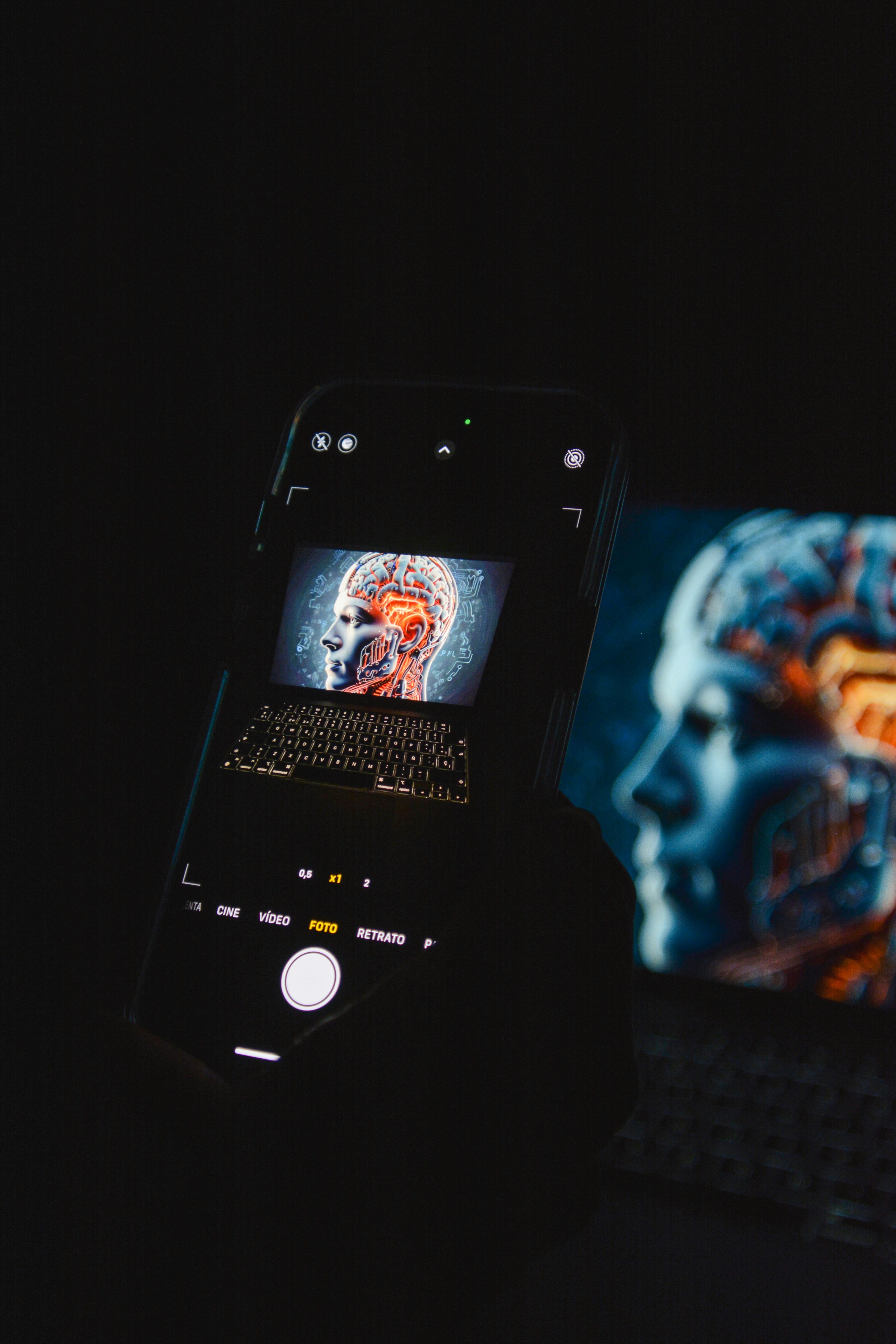
  • The AI boom, and its potential dangers.

    The AI boom, and its potential dangers.


    The use of Artificial Intelligence (AI) has exploded in the last year. According to the article published by ExplodingTopics and surveys conducted by Forbes, IBM, and McKinsey, nearly 78% of businesses are implementing AI in at least one business function.  

    How is the Irish Government aiming to actualise the use of AI and regulate the use of AI by businesses? 

    In January, the Irish Government appointed Niamh Smyth as Minister of State at the Department of Enterprise, Trade and Employment with special responsibility for Trade Promotion, Artificial Intelligence and Digital Transformation.  

    Although Smyth admitted to “not using ChatGPT or DeepSeek” , which are AI tools which can be used as search engines. She has proposed that Ireland host a global AI summit and said that Irish people will lose jobs over AI, but is not sure how many.  

    The use of generative AI, as well as its everyday use by companies has not been met with much public resistance, perhaps because people dont fully understand AI’s potential.  

    This study by Pew Research Centre shows that there is a low percentage of people who are excited over the use of AI in daily life.  

    Although most AI services that are being implemented are still in their infancy and thus make mistakes, they are nonetheless being used by a plethora of media companies. 

    Google’s Gemini, Meta’s MetaAI, X’s Grok and Microsoft’s CoPilot are now integrated on nearly all levels of their respective sites, with those just being a few of the companies implementing AI on a large scale.  

    Many search engines now give answers generated by their AI models first, before a reputable source, with examples of the AI answers having little to no relevancy or correct sourcing to the search enquiry.  

    Similarly, many websites use AI as their chatbots for complaints and enquiries before passing it on to a human representative, with the same being seen in some drive thru resteraunts in the United States, who have AI take their order with a human counterpart on standby should the AI confuse or mess up an order. 

    In addition, the most valuable company in the world by market share- Nvidia, an American based company which has soared to the top of the rankings, valued at over 5.1 trillion dollars, equivalent to the GDP of countries like Germany, Japan and India.  

    The cause of this astonishing valuation is the demand for their AI chips. In the past 5 years, Nvidias stock price has risen an eye watering 1290%.  

    A new dangerous phenomenon is now rearing its head in the past 3 years, with the rise of AI, in the form of student cheating.  

    Students in third level education now have access to the biggest technological advancement since the introduction of Wikipedia. However, the use of AI in essays and bibliographical sourcing is plagiarism.  

    In another study conducted by Forbes, over 85% of students admitted using AI for both homework and assignments, but many don’t consider it cheating. 

    One of the most dangerous effects of normative use of AI, is the use of generative AI for images.  

    AI programmes such as ChatGPT, Grok and image focused websites can now generate fair quality images of famous personalities, dead or alive, in situations they have never been in.  

    George RR Martin, writer famous for his books and series, ‘Game of Thrones’, is involved with a cohort in a lawsuit against ChatGPT over the training of AI models using his work without permission, which will look to set a precedent over a new copyright law to prevent the copying of licensed IP’s by AI companies.