
Tag: Alan Shatter

  • What will our Court of Appeal do?

    What will our Court of Appeal do?

    On October 4th we as a nation passed the 33rd Amendment of the Constitution in the Court of Appeal referendum.

    The yes vote consented to the establishment of a new fifth layer to Ireland’s judicial system, a new Court of Appeal which will operate as Ireland’s second highest level of judiciary in between the already existing High and Supreme Courts.

    However, a lack of informed discussion on the courts referendum, largely due to the greater importance apportioned to the Seanad referendum by the media, means that a lot of people are now wondering what effect it will actually have on our courts system.

    Function

    The Court of Appeal will hear appeals from the High Court, thereby lessening the burden of the Supreme Court which currently has a four-year backlog of appeals to be heard [that includes over 500 appeals awaiting resolution].

    The new court will be able to refer cases to the Supreme Court, which will only preside over disputes that “involve a matter of general public importance”, according to Minister for Justice Alan Shatter.

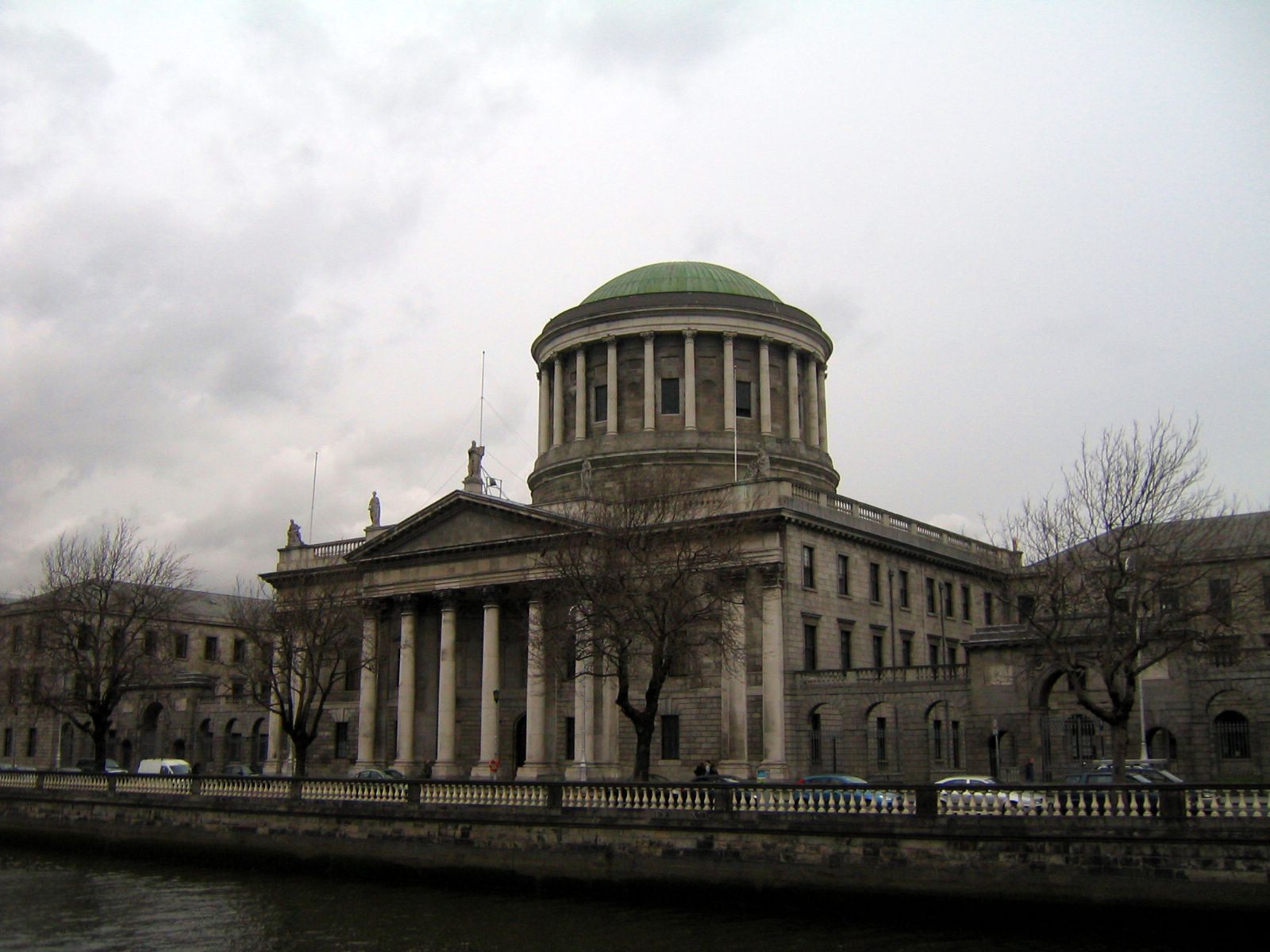
    The Four Courts in Dublin, where the country's High and Supreme Courts reside. Credit Richard Watts on Flickr
    The Four Courts in Dublin, where the country’s High and Supreme Courts reside. Credit: Richard Watts on Flickr

    The Court of Appeal will also lead to the scrapping of the Court of Criminal Appeal, which formerly comprised of a mix of High and Supreme Court judges, and was frequently derided for its inactivity.

    How much will it cost, when will it start and how many new judges will there be?

    According to the Government, the Court of Appeal will cost between €2.5-€3m per year to operate with the main expenses accruing from judges fees, support staff and overhead costs.

    All going well it should be up and running by Autumn 2014, and will necessitate the appointment of around 10 new judges (dependent on how many will be needed to get through the Supreme Court’s backlog at the time of establishment).

    How comprehensively was it passed?

    As opposed to the Seanad referendum which was defeated, all 43 electoral constituencies voted in favour of the formation of the Court of Appeal, and the yes vote accounted for 65% of turnout.

    Former solicitor and current Justice Minister Alan Shatter has endured a tempestuous relationship with lawmakers since coming to office. Credit European External Action Service on Flickr
    Former solicitor and current Justice Minister Alan Shatter has endured a tempestuous relationship with lawmakers since coming to office. Credit: European External Action Service on Flickr

    Again, much criticism was aimed at political parties and the media for prioritising one referendum over another and glossing over many of the substantive issues, however the general political consensus on the yes side effectively put paid to any meaningful public discourse on the issue.

    Any criticisms?

    The main point of contention around the new court’s function is the amount of judges Ireland will have in the upper echelons of the judicial system.

    Added to the 36 High and 10 Supreme Court judges, the 10 new appointees to the Court of Appeal will mean that we’ll have around 56 judges. That’s a third of the amount of judges that England has for 1/15th the size of population, and some sceptics have labelled this excessive.

    As such, those opposed to the constitutional change have lobbied to increase the workload of judges currently in operation, and have suggested reducing their nine-week holiday period in order to work through the massive backlog more effectively.

    (Featured image credit Richard Watts on Flickr)
     

  • Asylum seekers left out in the cold

    Asylum seekers left out in the cold

    immigrationThis nation’s ability to ignore longstanding and continuous violations of human rights has once again made headlines this week. Our Direct Provision system for accommodating asylum seekers has come under serious criticism after recent inspection reports have showed evidence of over-crowding, poor hygiene standards and poor fire safety standards across multiple asylum centres.

    Under our current system, asylum seekers are provided with full board (food and accommodation), and a weekly allowance of €19.10 per adult and €9.60 per child. Asylum seekers are not entitled to work in this country or to apply for rent allowance to live outside of a Direct Provision centre. This system was designed to meet the basic needs of people for a temporary period while their application for refugee status is being processed.

    However current inspection reports have revealed that the average time spent by asylum seekers in these hostel-style centres is three years and eight months. A backlog of thousands of applications has resulted in, in some centres, families of six being forced to share one bedroom.  Parallels are being drawn between these conditions and those found in the Magdalene laundries.

    Despite making headlines this week, this is not news. The  Direct Provision system has been attracting harsh criticisms almost since its inception. Within the first year of the establishment of the Reception and Integration Agency (RIA), which was set up to provide Direct Provision, a report was published which addressed the extreme poverty and exclusion experienced by children in the system. ‘Beyond the Pale’, published in 2001, addresses the fact that Ireland was failing to conform to its obligations under the UN Convention on the Rights of the Child.Image

    The report stated, “Asylum seekers in direct provision may experience extreme deprivation as a result of inadequate diet and inability to afford the purchase of sufficient and appropriate food from their incomes.” It also highlighted problems such as overcrowding, stress, depression, social exclusion, racism and malnutrition.

    Not only does it seem that little has been done to change our system, Ireland is actively choosing not to improve its system by opting out of the laws which will form the Common European Asylum System (CEAS). This new system includes the Reception Conditions Directive, which requires a common standard for living conditions in asylum centres and requires member states to grant asylum seekers faster access to employment (or in our case, to grant them access in the first place). This decision puts Ireland even further out of line with the standards employed by EU member states.

    So, the question remains; why is Ireland so unwilling to provide asylum seekers with basic human rights? The uncomfortable truth may well be that we as a nation continue to harbor closeted racist attitudes towards asylum seekers, and simply don’t care enough to campaign for better immigration policies.

    556px-Alan_Shatter
    Minister for Justice Alan Shatter

    Dr. Liam Thornton of UCD addressed this on humanrights.ie, claiming that TDs who had campaigned for an end to Direct Provision had actually lost support, “not just a few votes here and there, but very noticeable support.”

    The Minister for Justice and Equality, Alan Shatter (despite previously opposing the Direct Provisions system) has said that the system is the best we can provide given our current economic conditions. Most Irish citizens would probably agree with him. But like it or not, Ireland has an obligation under international law to ensure the basic human rights of asylum seekers are being met, and until Direct Provision is axed, we won’t be meeting that obligation.