Tag: autism

  • ‘Bright, Not Broken’: Irish Expert Pushes Back Against Autism Misinformation 

    ‘Bright, Not Broken’: Irish Expert Pushes Back Against Autism Misinformation 

    Irish neurodiversity and healthcare professionals are rejecting claims by U.S. president Donald Trump, who suggested that paracetamol use during pregnancy may increase the risk of autism in children. 

    There is no credible scientific evidence to support the statement, which has drawn criticism from international experts, including paediatric occupational therapist Adam Griffin. 

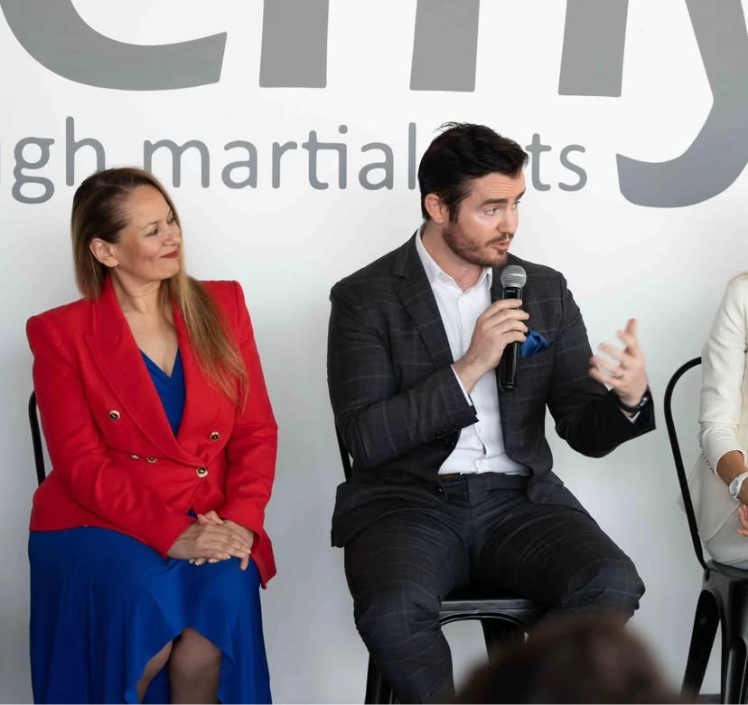
    Griffin, who has over 14 years’ experience in child and adolescent mental health and works across the Middle East, described the remarks as “deeply harmful.” 

    “This kind of misinformation shapes how people think, talk and respond to neurodivergent individuals,” Griffin emphasised. “Instead of recognising autism as a difference in how someone experiences and interacts with the world, it reinforces outdated ideas of deficit or disorder.” 

    The Health Products Regulatory Authority said paracetamol is “an important treatment option for the management of fever and pain in pregnancy,” and that “available evidence does not link its use to causing autism in children.” 

    The European Medicines Agency said evidence of any connection remains “inconsistent” and cautioned against drawing conclusions. In Ireland, the HSÉ continues to advise that paracetamol is safe during pregnancy when used as directed and for the shortest necessary time. 

    Griffin stated comments like Trump’s can have emotional and social consequences for families already navigating complex challenges. 

    “Families often feel a real sense of confusion, frustration, and hurt when public figures make sweeping or inaccurate comments about autism,” he said. “These statements tend to attract a lot of media attention, but they rarely include the nuance or context that real families live with every day.” 

    “For young people, it can increase feelings of shame or being misunderstood, and parents often worry about how others might now see or treat their child.” 

    Griffin highlighted that such misinformation adds pressure to families already under strain. 

    “It’s a reminder that words carry real weight, and that respectful, informed discussion is vital for the wellbeing and inclusion of neurodivergent individuals and their families,” he said. One of the most persistent myths, according to Griffin, is the idea that autistic people are somehow broken or difficult. 

    “A common misconception is that autism is something ‘other,’ that an autistic child is unrelatable, broken, or so different they are ‘not like other children.’ This sense of isolation is deeply felt by many neurodivergent individuals,” he said. 

    “In the words of Temple Grandin, autistic people are ‘bright, not broken.’ An analogy I often use is that autism is like a different operating system in an electronic device. It’s not broken, it’s Apple, not Android. It uses a different software to function, and the better we understand that system, the better we can support it.” 

    He warned that high-profile comments without scientific backing can be particularly harmful. 

    “What’s often more dangerous is when such statements contain elements of truth or connect tangentially to new treatment ideas but lack the proper context or evidence,” he said. “They can appear science-based without the rigour to back them up. These ‘half-truths’ can be even more harmful than outright falsehoods.” 

    Griffin urged families not to panic and to seek evidence-based guidance. 

    “My advice is to ground decisions in reliable, evidence-based information and to seek guidance from trusted professionals,” he said. “Families should remember that autism is a lived experience, not a single story, and there is no ‘one-size-fits-all’ approach.” 

    He also called on professionals and media to play their part in pushing back against false narratives. 

    “We need more voices from the autistic community, more context, and more clarity. For professionals, families, and the media alike, the focus should be on fostering informed dialogue that respects lived experience and prioritises evidence over sensationalism.” 
  • Watch: State of mind in lockdown – the impact of quarantine on those managing mental health disorders

    Watch: State of mind in lockdown – the impact of quarantine on those managing mental health disorders

    For some, the mind can be a form of imprisonment in itself. Living with mental health disorders can be a daily struggle for many people. What happens to those people when a global pandemic hits, and the country must go into lockdown? TheCity.ie’s Kate Brayden, Cameron Weymes and Ayumi Miyano report.

    The level of anxiety which the nation is currently experiencing is just a sample of what those dealing with mental illness have to cope with on an ordinary day.

    For those who experience a heightened feeling of worry, fears over the health of family members and friends are extremely common, as well as fears regarding their own health. Covid-19 and the emphasis on hygiene, protecting others, and daily death tolls is causing severe stress for many. Being unable to physically see loved ones in person can take a drastic toll, and can lead to a sense of hopelessness and loneliness.

    In TheCity.ie’s video project on mental health during lockdown, Kate Brayden interviewed her twin sister Eleanor, who has Obsessive Compulsive Disorder and severe anxiety, as well as Eleanor’s boyfriend Dan, who has been diagnosed with high-functioning autism and agoraphobia.

    Eleanor’s family also feature in the project, illustrating how living with those suffering from psychological distress can impact the entire home. Cameron Weymes spoke to chartered psychologist Dr Christine Tizzard about the impact of quarantine and self-isolation on wellbeing in general.

  • ‘It’s a remarkable early Christmas present for all the families involved’

    ‘It’s a remarkable early Christmas present for all the families involved’

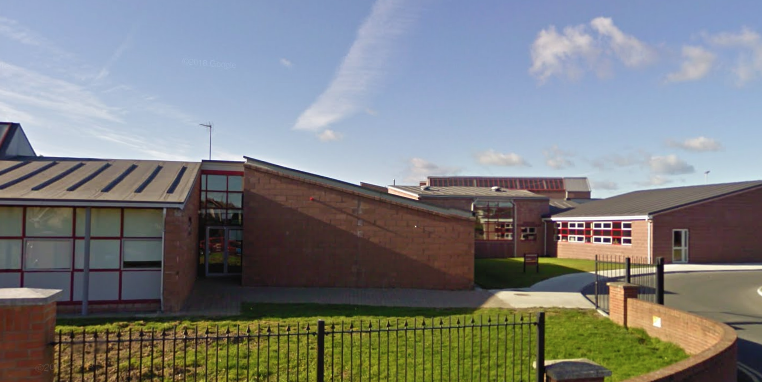
    A temporary autism unit for St Peter’s College in Dunboyne has been approved for September 2019.

    The approval for this comes three years after it was initially accepted, but delays led to frustration for families campaigning to have the services made available locally.

    Orla Fagan Gormally spoke to TheCity.ie about her Facebook post and ensuing campaign which garnered enough support for the fast-tracking of the unit.

    “I posted to my page publicly with very little hope it would be open on time. I had such a good reaction from the community I decided to start a petition, along with four other parents who needed the unit on board,” she said.

    “We had two local councillors to help, Maria Murphy and Damien O’Reilly, along with [TDs] Regina Doherty and Thomas Byrne. I want to thank the LMETB, these councillors, TDs, and the principal of St Peter’s for making this a reality,” she said.

    It will take a year for the unit to get up and running, but St Peter’s plan to accommodate the five children in an existing space until then.

    “It’s a remarkable early Christmas present for all families involved,” said Fagan.

    A spokesperson for the Department of Education and Skills spoke to TheCity.ie regarding the development.

    “A permanent four classroom ASD Unit has been approved. The delivery has been devolved to Louth and Meath Education and Training Board. To meet the immediate need [September 2019] temporary accommodation is being provided,” said the spokesperson.

    In another similar case regarding a service in Dublin City for adults with autism, information under the Freedom of Information Act 2014 showed there was a delay for the Botanic Horizons service from October 2016 until February 2017.

    This delay was due to a conflict involving Dublin City Council over the requirement for a disability toilet. The council felt it was required but the architect deemed it unnecessary due to the ‘independent mobility of the service-users’.

    Minister Finian McGrath opened the Botanic Horizons service in Glasnevin in February 2017.