Tag: bees

  • Boosting biodiversity before it’s too late

    Boosting biodiversity before it’s too late

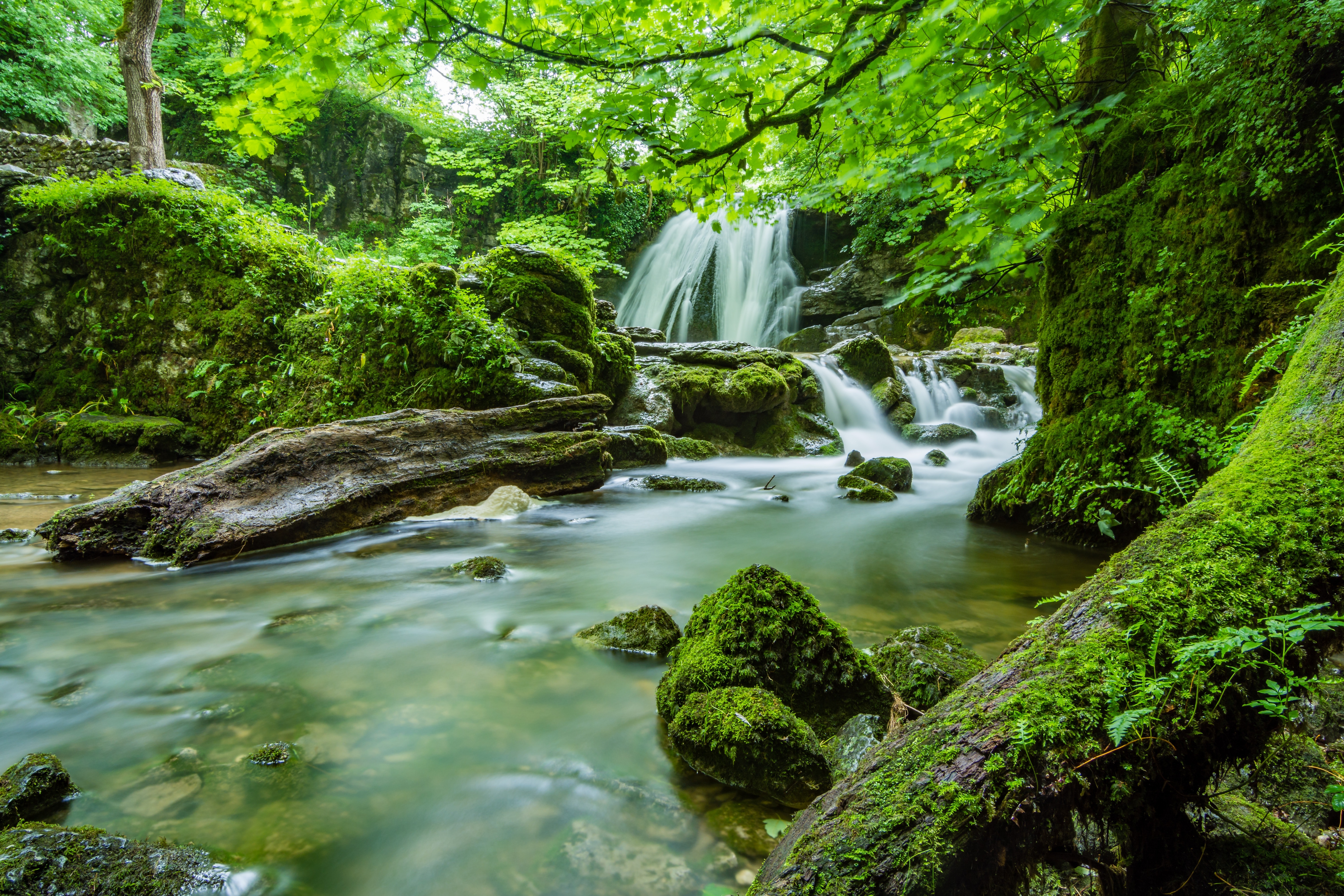
    Photo via Pixabay

    All over the world, millions of animals and plant species are currently threatened with extinction. This slow erasure of wildlife is down to nothing other than human activity. 

    As populations rise, we scramble to convert undeveloped land into housing estates, shopping centres and schools. These establishments cater solely to our own demands, with a disregard for the basic needs of the species that inhabited there before. 

    Deforestation is a man-made problem that endangers not only the existence of animals but also our own. By removing trees, overhunting and extracting water, we are contributing to monoculture and ultimately the global rise in temperatures. Without biodiversity, our ability to eat, breathe and survive is severely jeopardised. 

    One way to preserve biodiversity is to get planting. We have all been made readily aware that trees emit oxygen and absorb our carbon dioxide, so a simple solution would be to plant more of them.

    As tempting as it may be to grow a giant sequoia in your back garden, you might not have the space. That’s where Ecosia comes in handy. It is a Berlin-based search engine company that uses its profits from placing advertising in users’ searches to plant trees internationally. 

    One of the goals of the European Union’s biodiversity strategy is to plant 3 billion trees by 2030. While Ecosia’s numbers are nowhere near the billion range, it claims to have planted 122 million trees globally, with 15 million active users. 

    The company says it does not track its search users. “We don’t store your searches permanently, and don’t create personal profiles of you based on your search history. Nor do we sell your data to advertisers. Moreover, we protect your searches from potential eavesdroppers with a securely encrypted connection.”

    Ecosia Logo

    Ecosia issues regular reports on how it spends profits and discusses future projects and plans on its blog, site and podcast.

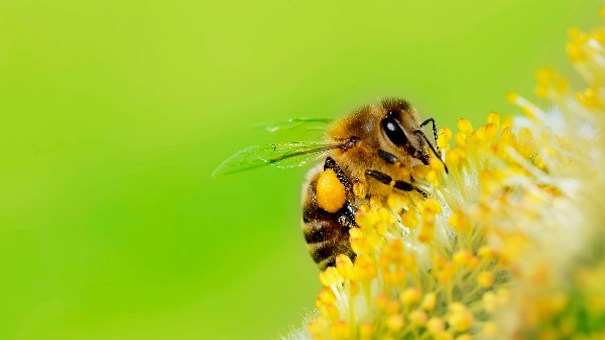
    Down below the trees, bees play an important role in maintaining the equilibrium of our planet. They are in rapid decline worldwide because of human interference. Bees, as well as other woodland creatures, face habitat loss because of pesticide usage, drought, air pollution and climate change. Without bees, people would lose their farming jobs, food groups and other plants. 

    An Irish company, Beebombs, has come up with a way to encourage bee activity. Beebombs are small wildflower seed balls that can be thrown onto patches of land. Once the flowers have sprouted, they should invite bees and other wildlife. One of the handiest things about the product is that you don’t need to have a green thumb. “Once scattered, you don’t need to water or tend your Beebombs,” the instructions say.

    Another way to protect our ecosystem is by rewilding. Rewilding is all about handing the reins back over to mother nature. 

    One notable case occurred in Yellowstone National Park in the United States.

    In the 1930s, the park got rid of all of the wolves, which inadvertently led to an uncontrollable rise in cervids (i.e. deer), a lack of foliage, and erosion on its river banks. The park service re-stabilised the park’s ecosystem by reintroducing wolves in the late 1990s. 

    In Devon, England, wild beavers were successfully brought in – after a five year trial – to inhabit the east of the county. The trial was so successful that there have been reports of possibly bringing in other animals, such as lynx, boar and wolves.

    “We are on the last bus, but if we all got together and acted now and governments followed, then we still have a chance”

    Randall Plunkett

    Ireland may not be getting wolves anytime soon, but there are some who are making strides in preserving biodiversity.

    Nephin Beg Range in north county Mayo is an 8,000 hectare wilderness area that has been allocated for reforestation, as well as habitat restoration. The motivation behind Nephin Beg is to allow nature’s flow to take over from human intervention so that the environment can thrive. 

    There has also been a wave of farmers who have converted their farms to nature conservatories, in order to improve and protect our decaying ecosystem. 

    In an interview about rewilding, farmer and aristocrat Randal Plunkett told the Irish Times: “we are already on the last bus, but if we all got together and acted now and governments followed, then we still have a chance.”

    Other ways we can prevent the loss of biodiversity are by recycling correctly, reducing our carbon footprints by driving electric, walking or cycling and by going package and plastic free when doing the weekly shop. 

    Small changes over time can make a difference – but how much time do we have left?
  • The plight of bees: fighting pollinator loss

    The plight of bees: fighting pollinator loss

    By Aidan Coyle

    The plight of bees and other pollinators has been well documented in the media in recent times. However, one local area has begun to take steps to ensure the protection of its pollinators.

    Dún Laoghaire Rathdown County Council has implemented a string of measures in an attempt to become more pollinator friendly. TheCity.ie spoke to Anne Murray, the Council’s Biodiversity Officer: “Here in Dún Laoghaire Rathdown, we have altered our landscape management of green verges along roads, along stream sides and within our parks to create areas for pollinators and other wildlife.

    “We have also planted fruit trees and orchards in some parks to provide additional pollinator opportunities and we have reduced our chemical use in relation to weed control. Our Slow to Mow Campaign aims to encourage resident groups who manage green areas and also residential gardens to manage areas for pollinators,” Murray said.

    Pollinators play a major role in the Irish economy, but their existence in the country is under serious threat. Dr Úna Fitzpatrick from the National Biodiversity Data Centre said: “Pollinators, especially bees, make up a vital part of Ireland’s biodiversity. Unfortunately, Irish pollinators are in decline, with one third of our 99 bee species threatened with extinction.

    “Without pollinators it would be impossible for farmers or gardeners to affordably produce many of the fruits and vegetables we need for a healthy diet. Pollinators are also vital for a healthy environment and landscape.”

    A recent study released by the Environmental Protection Agency (EPA) looked at the impact that pollinators have on the environment and how vital they are for Irish agriculture. According to the report, food and drink production along with food processing accounted for 7.7% of the goods and services produced by Ireland’s economy in 2018. 173,000 people are employed in these sectors and they amounted to 10% of all Irish exports. 

    Anne Murray echoed the results of the study which described the economic benefit that pollinators give to the Irish economy. She said: “The annual value of pollinators for human food crops has been estimated at €153 billion world-wide, and at least €53 million in the Republic of Ireland.”

    The report estimated the effect a total loss of pollinators would have on both crops grown in Ireland and those which are imported into the country from abroad. Value of imports, value of exports, production quantity and net trade were all factors that were examined.

    Source: Assessing Market and Non-market Values of Pollination Services in Ireland (Pollival)

    The report, which examined 62 different crops, featured the above chart showing the five most valuable animal-pollinated crops to the Irish economy as a proportion of all animal-pollinated crops consumed in the country. It found that for both imports and exports, apples are the crop that will be most impacted.

    Apples take up 23% of the market share followed by cocoa beans with 17%. Soybean oil and green coffee were both valued at 7% and rapeseed oil occupying 5%. The remaining 57 crops are responsible for the rest of the economy.

    Dr Fitzpatrick is responsible for coordinating the All-Ireland Pollinator Plan which has set up a series of initiatives to try to help pollinators around the country. She works with farmers, businesses, schools and communities to try to ensure the future of pollinators in Ireland is safely secured. 

    Dr Fitzpatrick said: “The All-Ireland Pollinator Plan is a call to action to all of us. Yes, bees are declining, but we know exactly what we need to do to reverse these declines, and the actions needed are very doable and will show results almost immediately.

    The biggest threat to pollinators in Ireland is a lack of flowers for food and safe nesting sites across the country. They need natural green spaces to thrive. Dr Fitzpatrick said: “If you’re a pollinator, finding enough food is the greatest challenge you face. In increasing our green spaces, we not only help pollinators, but biodiversity generally.”

    Initiatives like those in Dún Laoghaire Rathdown can go a long way towards safeguarding the future of our pollinators. Anne Murray said: “Flying from flower to flower and transferring pollen along the way, pollinators have had substantial historic, economic, social and cultural impacts in our world and they provide an ecosystem service that is vital to humans.”