

“We’re all in the same boat.”
We have all heard this saying in some shape or form since lockdown began. It has been repeated over and over as a way of reassuring the masses that we are all in this together – that we need to present a united front to beat the virus.
Which is true – to an extent.
It might be more accurate to say we are all in the same ocean, but different boats.
Every one of us will have a different experience of lockdown to tell. Do you live with your family or housemates or even alone? Maybe you have not left the house since last March or maybe you are a key worker and haven’t actually stayed at home at all. Do you live on the top floor of an apartment building or in a spacious house with a garden?

This is especially true in the case of quarantining in the countryside versus in a city. I have experienced both country and city living, and I can attest to the vastly different experiences.
“I spent the first lockdown at home, and I live in quite a rural area,” says Arlene Bonner, a student from Donegal who has since moved to Dublin.
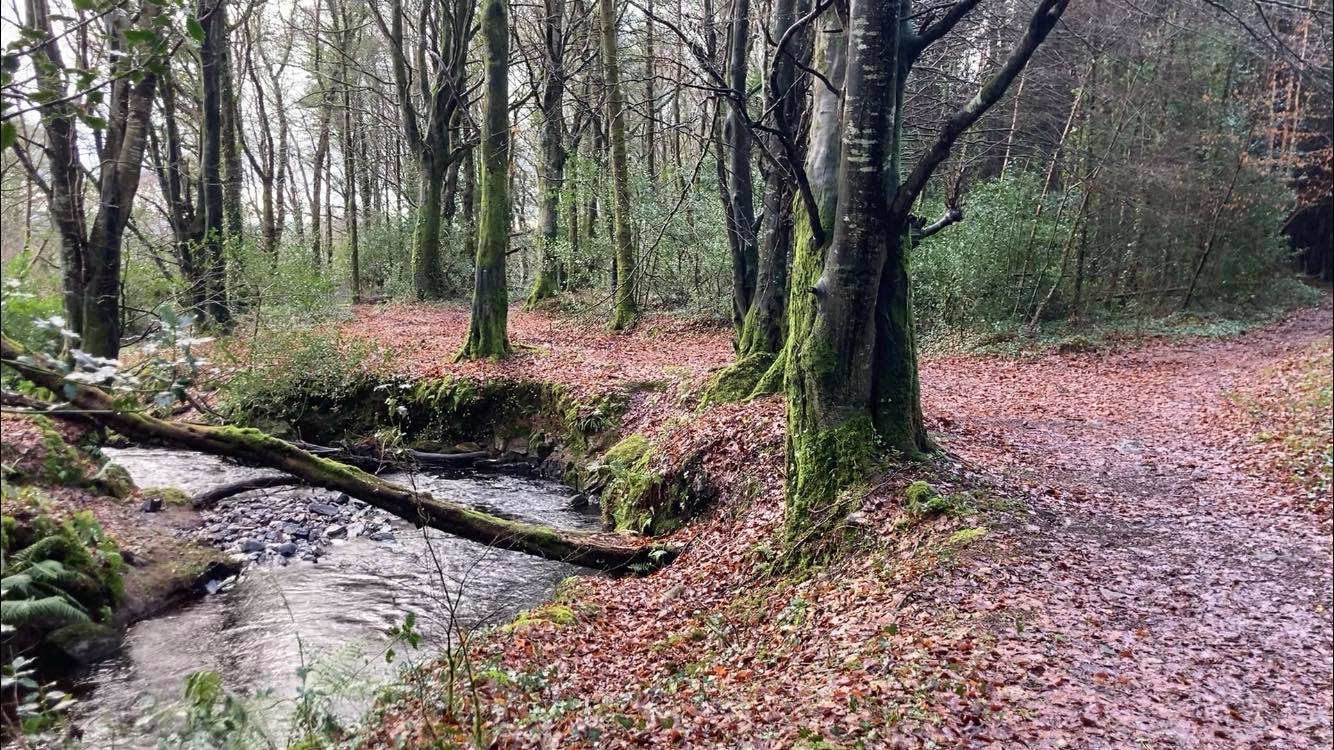
“We were lucky that the weather was really good, so I actually spent a lot of it outside, you know going for walks or just sitting in the garden. I think that maybe lessened the feeling of anxiousness or claustrophobia that a lot of other people talked about. There’s a woods near my house so I spent a lot of time there which was nice,” she says.
For Dublin resident Jennifer Carleton, the experience was very different:
“I would definitely love to be quarantining in the countryside instead of the city. I live in a housing estate so there isn’t a lot of green spaces that I can really enjoy. I’m beside a really busy road so I don’t have a lot of options. I kind of just have the one route if I want to go for a walk or anything. I spend most of my time indoors,” she tells me.

For a lot of people, this is the main draw for living in more rural areas, especially during lockdown. Having the option to explore more open spaces and scenic countryside can make for a more pleasant lockdown experience.
“I think lockdown is going to be pretty lonely no matter where you are”
Jennifer Carleton
However, countryside living can also have its drawbacks.
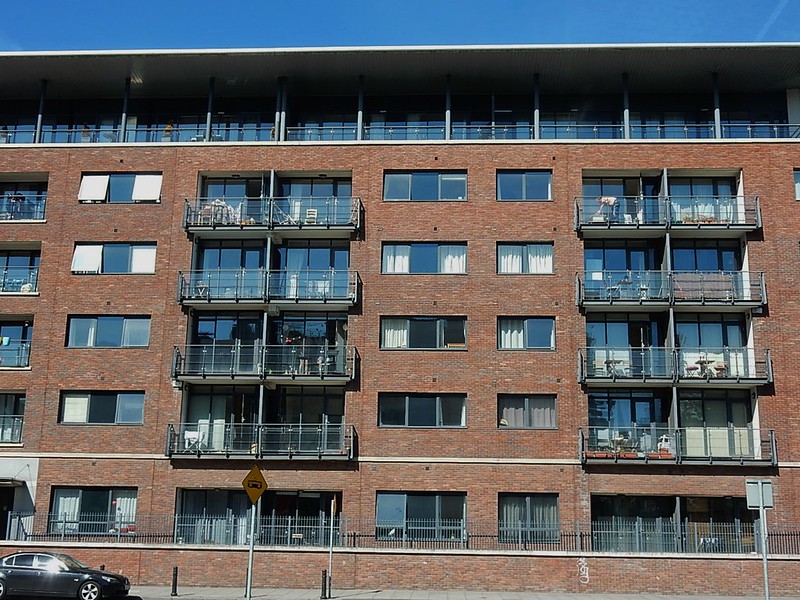
“I do think being in lockdown in Donegal was a lot more isolating than Dublin. I didn’t really see anyone except my family for the full six weeks, but in Dublin I live in an apartment complex, so I have lots of neighbours that I see most days. There’s always people around,” says Bonner.
When asked if she found lockdown in a city to be isolating, Carleton said that lockdown is difficult regardless of where you spend it:
“I think lockdown is going to be pretty lonely no matter where you are, but yeah I do think being in a city is easier in that sense. I know most of my neighbours so we’re able to meet up outside as long as we stay far apart.”
Most people assume that the isolation of the countryside would be relatively safer than a crowded city. However, this has not rung true for Ireland’s Covid-19 statistics. Rural areas have reported some of the highest number of cases per 100,000 of the population since the pandemic began.
For a while, Donegal had the highest 14-day incidence rate in the country. Other rural areas have been particularly high – Co Offaly currently has a 14-day incidence rate of 369.4, higher even than Dublin.
In contrast, some urban areas such as Blackrock or Dun Laoghaire in Dublin have experienced a considerably low number of cases per 100,000.
It is difficult to know exactly why cases in some rural areas have been so high, and health officials have yet to pinpoint an exact reason.
“I do think it’s a case of letting your guard down. I think people expect rural areas to be safer and they might not be as good at sticking to some of the restrictions. It’s a lot harder to forget about (the pandemic) in a busy city,” says Bonner.
Whatever the reason, it is important to remember that not everyone’s experience of the lockdown has been equal.
In particular, minority groups have been disproportionately affected by Covid, with “Black, Black Irish, Asian, Asian Irish and Traveller groups [being] more likely to contract Covid-19 than those who are white Irish”, which can be attributed to occupation and housing conditions, according to a recent report by The National and Economic Social Council (NESC).
The report shows that groups such as migrants, Irish Travellers, and those living in Direct Provision centres live in circumstances that leave them more susceptible to the virus.
Issues such as poor renting conditions, house-sharing with non-family members, and overcrowding has led to significant Covid-19 outbreaks within these groups.

You must be logged in to post a comment.