Tag: discrimination

  • Watch: The mental health impacts of Direct Provision – Asylum seekers speak to TheCity.ie

    Watch: The mental health impacts of Direct Provision – Asylum seekers speak to TheCity.ie

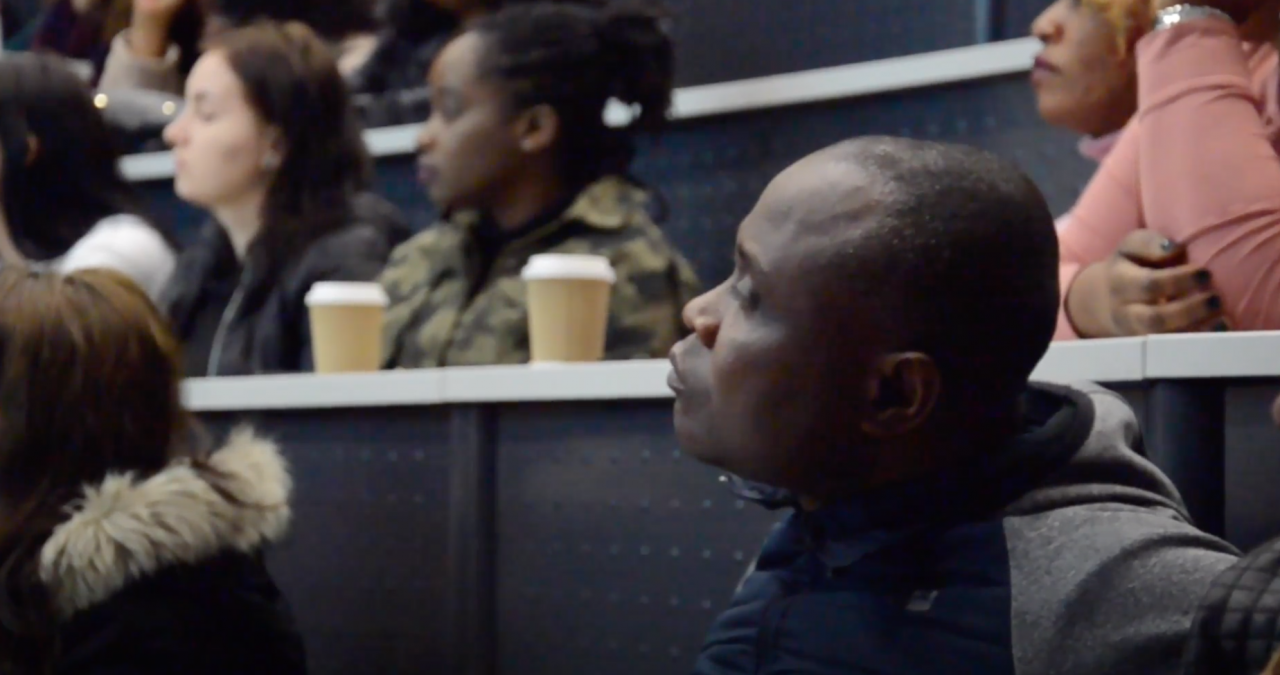
    At the Asylum Seekers Feminist Conference, which took place prior to the Covid-19 lockdown, TheCity.ie spoke to Eoin from Abolish Direct Provision Ireland and conference attendees about the impact of Direct Provision on their wellbeing. By Kate Brayden, Cameron Weymes and Ayumi Miyano.

    Many of those who came to the conference travelled to be there in order to hear guest speakers and panelists give talks on mental health and host art and yoga workshops. Sonia from Cameroon, Julie from Uganda — whose company ‘Julie’s Kitchen’ catered at the conference — and organiser Eoin generously spoke to us about their unique and personal experiences.

    The controversial system of asylum has repeatedly hit the headlines over the mistreatment of those who must wait for their refugee status to be granted, or to be allowed to stay in Ireland. One of the State’s largest providers of accommodation to asylum seekers recorded a pretax profit of €2.36 million in 2018. That the Irish Government allows the system of asylum to be a for-profit service for multinational corporations such as Aramark has been a dominant point of frustrations. Those in the system receive just €38.80 as a weekly Daily Expenses Allowance, and are often moved to differing centres around Ireland before given time to settle in to the local community.

    Many centres are located in isolated areas, far away from local villages, which harms the mental health of asylum seekers – who have few options for seeking out services and often face language barriers. For those who have survived war, famine, discrimination and sexual violence, their trauma cannot be addressed. Living conditions in certain regional centres have been a cause for complaint, as well as the troubling impact of the situation on children living in the system.

    It’s worth noting that the Irish State’s response to Covid-19 in terms of testing those in Direct Provision has been heavily criticised by human rights groups, politicians, lawyers and health experts alike for effectively ignoring their concerns and putting them at risk. There are currently around 1,700 residents in centres around the country – 149 had tested positive for the coronavirus as of early May.
  • Women more likely than men to experience workplace discrimination

    Women more likely than men to experience workplace discrimination

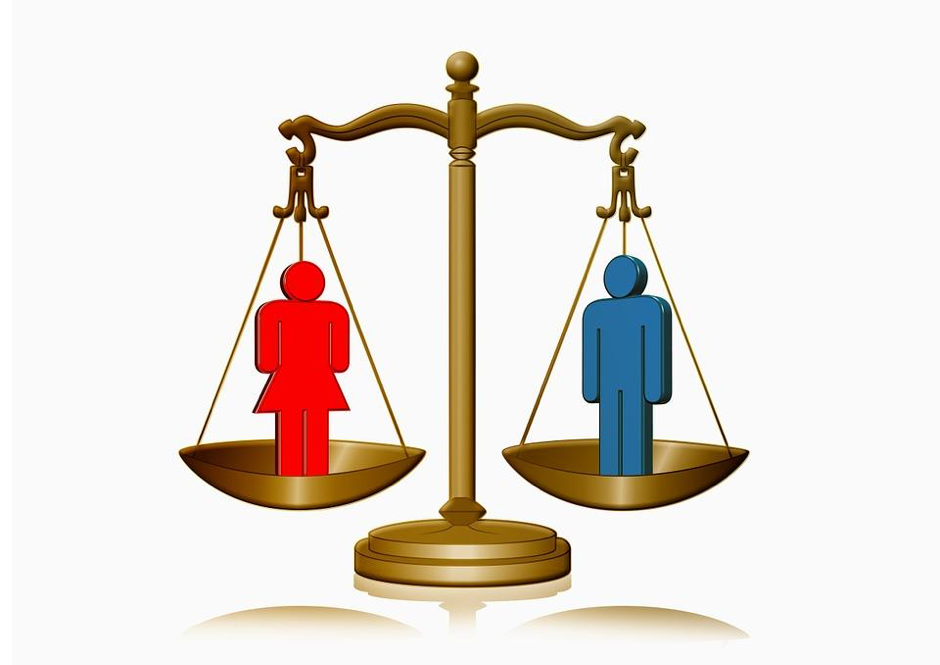
    Women and disabled people are twice as likely as men and those without a disability to experience discrimination at work, a new study has revealed.

    The study, published by the Irish Human Rights and Equality Commission and the Economic & Social Research Institute (ESRI), revealed almost one in eight people feel they have been discriminated against in the last two years.

    This report comes at a time when Minister for Training and Skills John Halligan has come under fire from the media and fellow TDs after asking a female about her marital status and if she had children during a job interview.

    The woman has been awarded €7,500 in compensation after the Workplace Relations Committee found that she had been discriminated against.

    The data, taken from a survey of 15,000 people nationally, showed Irish travellers are ten times more likely to experience discrimination.  This makes members of the travelling community the most discriminated against.  Black people are three times more likely to be discriminated against.

    Dr Frances McGinnity, Associate Research Professor and co-author of the report, said the different types of discrimination in the workplace include poor working conditions, bullying and harassment and unequal pay and promotion opportunities.

    In recruiting, people are being discriminated against because of their race, gender, sexual orientation and disabilities along with the other five recognised grounds of discrimination in Irish law.

    Different examples of how people may be mistreated based on a lack of equality include being turned down for a job, not being called for interviews, being denied an apartment or a house as well as being turned away from shops, restaurants and getting poor treatment in banks and other financial institutions.

    Speaking on Ivan Yates’ show The Hard Shoulder on Newstalk, Dr McGinnity said: “We feel it’s important because of the consequences it has for that individual, be it their psychological well-being and also financial cost if they don’t get jobs or affordable housing.”

    The problem of discrimination doesn’t appear to be improving or getting worse overall, although there have been some improvements in certain sectors.

    “Overall, we find relative stability in the number of people reporting discrimination between 2004 and 2014 but we do find within those particular settings some changes. For example, discrimination in recruitment has gone up since there are more people reporting that and there are fewer people reporting discrimination in their access to private services, that’s banks, insurance companies, shops and restaurants.

    “Housing is also included in that but the experience of discrimination in housing hasn’t fallen over time. In general, there’s been a fall in private services with the exception of housing.”

    Anyone experiencing discrimination can contact their HR Manager, trade union representative or contact the Irish Human Rights and Equality Commission.

    The report can be found here: http://www.esri.ie/pubs/BKMNEXT342.pdf

    By Shane McGannon