Tag: diversity

  • TU Dublin race equity group responds to Eoin Hayes blackface scandal

    TU Dublin race equity group responds to Eoin Hayes blackface scandal

    By Sean Kavanagh

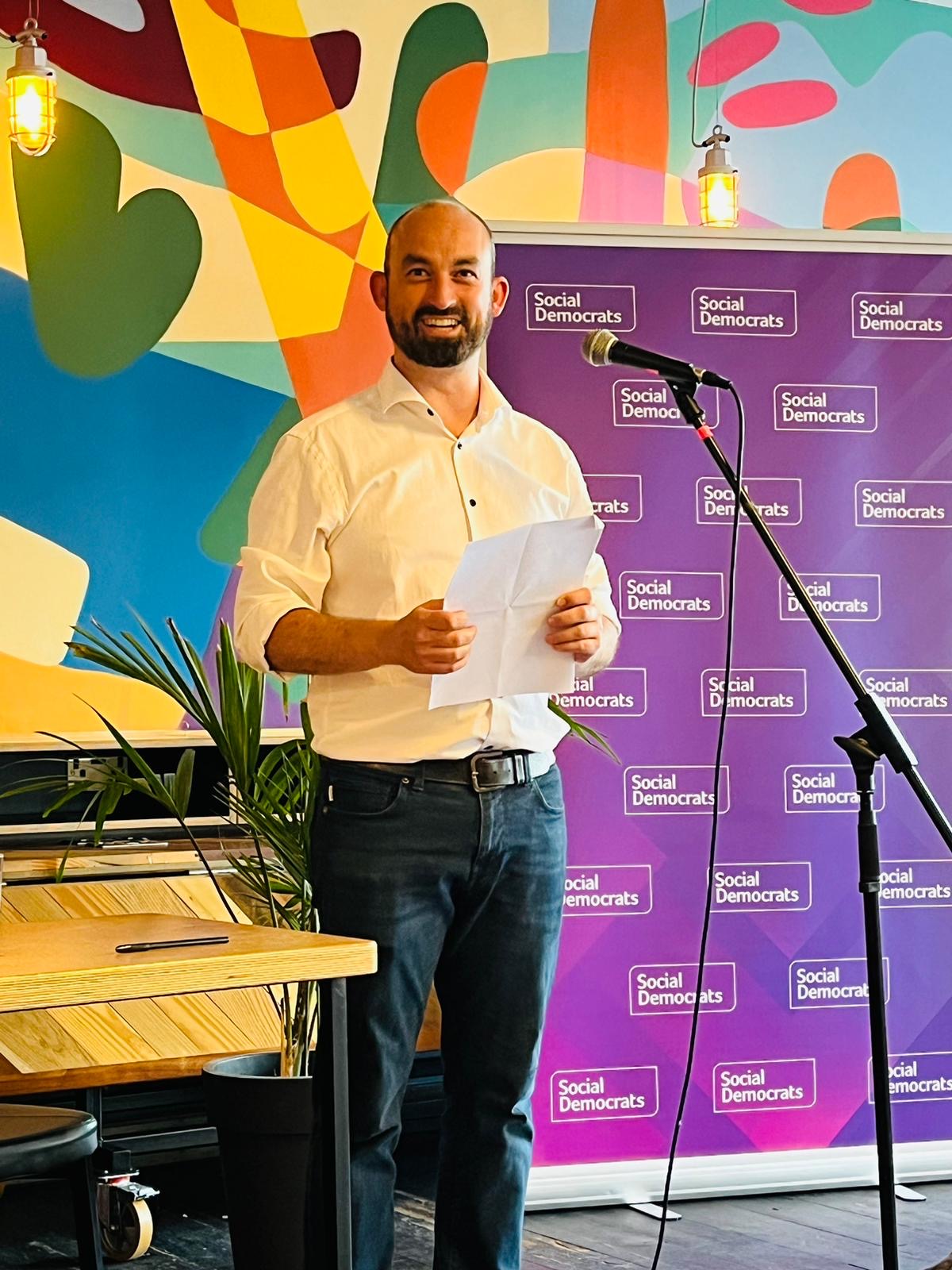
    Social Democrats TD Eoin Hayes will remain a party member following the revelation of his use of blackface in 2009, party leader Holly Cairns announced on Sept. 16.

    The controversy became public on the morning of Sept. 15 when the Dublin Bay South TD released a statement on X apologising for his actions after a news outlet contacted him the evening prior to confirm that they would be releasing pictures of the event.  

    “At a Halloween party 16 years ago, while President of the Student’ Union in University College Cork, I dressed up as someone I greatly admired at the time, US President Barack Obama — whose re-election campaign I went on to work for in 2012. As part of this costume, I wore brown makeup on my face and hands,” Hayes said in his statement.  

    Dressing in blackface is considered by many to be deeply offensive as it has historically been used to promote racist stereotypes.

    “Blackface is part of a very, very long tradition of white performance which by and large ridicules blackness From around the 1830’s, across the 19th and well into the 20th century, white people have dressed up as black people to ridicule them, but also to mobilise different kinds of stereotypes,” Anna-Maria Mullaly, a member of both TU Dublin’s race equity group and the Social Democrats, said.  

    “For instance, black people would be displayed as stupid, as sexually aggressive [and] as lazy in these types of performances.”

    Mullaly added.

    Hayes’ stated that he “didn’t have an understanding of how hurtful [blackface] was at the time” and reiterated that he takes “full responsibility” for his actions and apologises to “any and all hurt” caused by what he did.  

    Mullaly, however, is sceptical of Hayes’s excuse that he did not understand the offensive nature of blackface.

    “An argument has been made in some quarters that it was a different time, or that it was youthful student folly, I really don’t buy that,” Mullaly said.  

    “Tropic Thunder, the movie, came out the year before Eoin Hayes dressed up like this on his way to a party, and there was quite a bit of discussion about Tropic Thunder’s satirical take on blackface, so it was certainly in the news, and he would have been aware of those discussions,” she said.  

    Social Democrats Party leader, Holly Cairns, responded to Hayes’ statement in an interview with RTÉ on September 16th saying she was “hugely disappointed and annoyed about this situation.”

    Cairns later confirmed that Hayes would not face any disciplinary action from the Social Democrat Party as the incident occurred before he joined the organisation.  

    “I want to be clear that it’s not an excuse, but the context of it being 16 years ago is something that I have to consider and I am taking it into consideration,” Cairns said.

    Cairns also stated that Hayes “deserves an opportunity to work hard now and to try to regain people’s trust.”

    This decision riled some members of the Social Democrat Party with the chairman of the party’s Dublin West branch and local election candidate, Luke Daly, citing the decision as one of the reasons that he and his secretary, Jack O’Reilly, would be leaving the party.

    Mullaly seconded Cairns’ sentiment and said that Hayes “should be given the opportunity to follow through now and demonstrate, via action, his actual commitment to anti-racism.”
  • Boosting biodiversity before it’s too late

    Boosting biodiversity before it’s too late

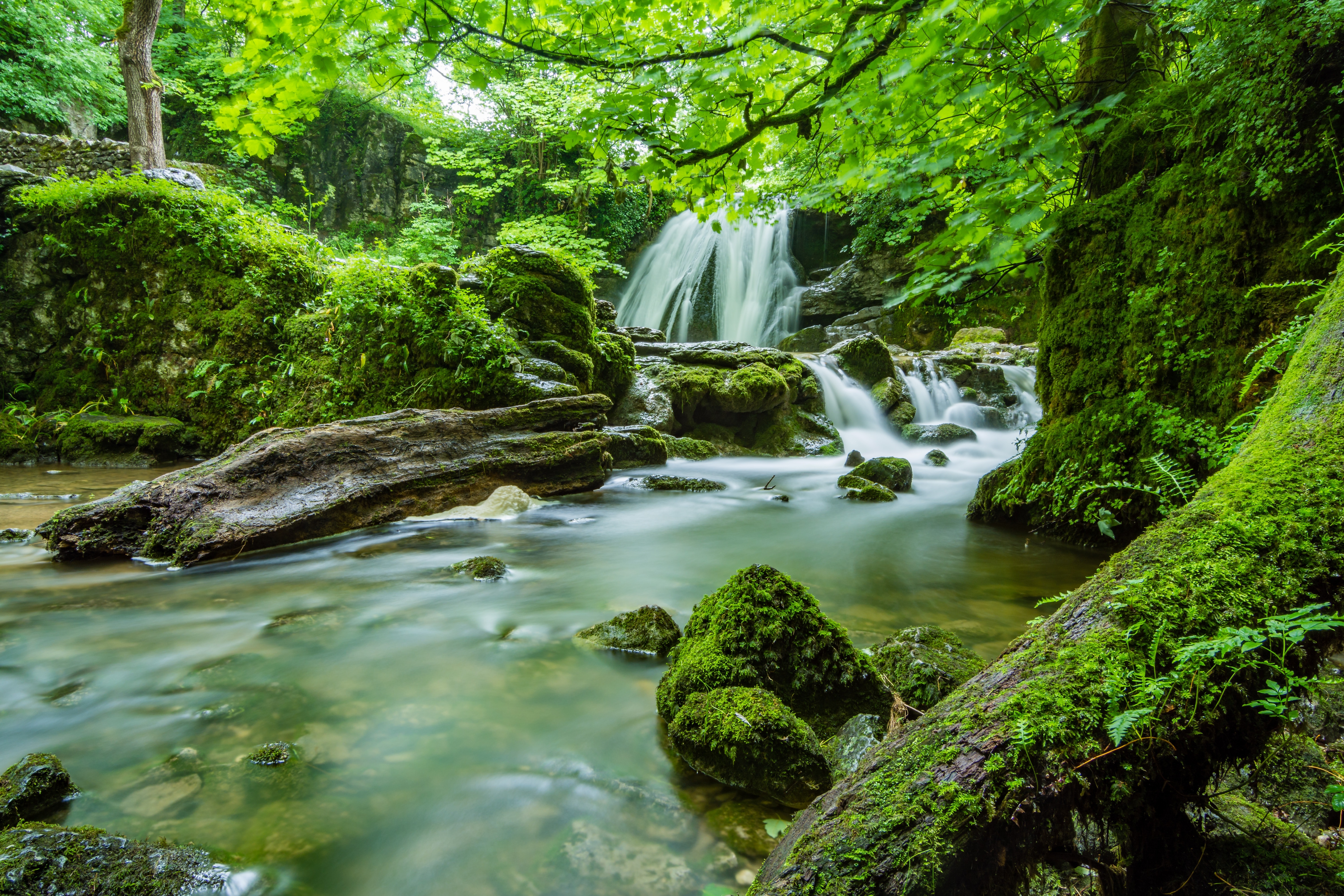
    Photo via Pixabay

    All over the world, millions of animals and plant species are currently threatened with extinction. This slow erasure of wildlife is down to nothing other than human activity. 

    As populations rise, we scramble to convert undeveloped land into housing estates, shopping centres and schools. These establishments cater solely to our own demands, with a disregard for the basic needs of the species that inhabited there before. 

    Deforestation is a man-made problem that endangers not only the existence of animals but also our own. By removing trees, overhunting and extracting water, we are contributing to monoculture and ultimately the global rise in temperatures. Without biodiversity, our ability to eat, breathe and survive is severely jeopardised. 

    One way to preserve biodiversity is to get planting. We have all been made readily aware that trees emit oxygen and absorb our carbon dioxide, so a simple solution would be to plant more of them.

    As tempting as it may be to grow a giant sequoia in your back garden, you might not have the space. That’s where Ecosia comes in handy. It is a Berlin-based search engine company that uses its profits from placing advertising in users’ searches to plant trees internationally. 

    One of the goals of the European Union’s biodiversity strategy is to plant 3 billion trees by 2030. While Ecosia’s numbers are nowhere near the billion range, it claims to have planted 122 million trees globally, with 15 million active users. 

    The company says it does not track its search users. “We don’t store your searches permanently, and don’t create personal profiles of you based on your search history. Nor do we sell your data to advertisers. Moreover, we protect your searches from potential eavesdroppers with a securely encrypted connection.”

    Ecosia Logo

    Ecosia issues regular reports on how it spends profits and discusses future projects and plans on its blog, site and podcast.

    Down below the trees, bees play an important role in maintaining the equilibrium of our planet. They are in rapid decline worldwide because of human interference. Bees, as well as other woodland creatures, face habitat loss because of pesticide usage, drought, air pollution and climate change. Without bees, people would lose their farming jobs, food groups and other plants. 

    An Irish company, Beebombs, has come up with a way to encourage bee activity. Beebombs are small wildflower seed balls that can be thrown onto patches of land. Once the flowers have sprouted, they should invite bees and other wildlife. One of the handiest things about the product is that you don’t need to have a green thumb. “Once scattered, you don’t need to water or tend your Beebombs,” the instructions say.

    Another way to protect our ecosystem is by rewilding. Rewilding is all about handing the reins back over to mother nature. 

    One notable case occurred in Yellowstone National Park in the United States.

    In the 1930s, the park got rid of all of the wolves, which inadvertently led to an uncontrollable rise in cervids (i.e. deer), a lack of foliage, and erosion on its river banks. The park service re-stabilised the park’s ecosystem by reintroducing wolves in the late 1990s. 

    In Devon, England, wild beavers were successfully brought in – after a five year trial – to inhabit the east of the county. The trial was so successful that there have been reports of possibly bringing in other animals, such as lynx, boar and wolves.

    “We are on the last bus, but if we all got together and acted now and governments followed, then we still have a chance”

    Randall Plunkett

    Ireland may not be getting wolves anytime soon, but there are some who are making strides in preserving biodiversity.

    Nephin Beg Range in north county Mayo is an 8,000 hectare wilderness area that has been allocated for reforestation, as well as habitat restoration. The motivation behind Nephin Beg is to allow nature’s flow to take over from human intervention so that the environment can thrive. 

    There has also been a wave of farmers who have converted their farms to nature conservatories, in order to improve and protect our decaying ecosystem. 

    In an interview about rewilding, farmer and aristocrat Randal Plunkett told the Irish Times: “we are already on the last bus, but if we all got together and acted now and governments followed, then we still have a chance.”

    Other ways we can prevent the loss of biodiversity are by recycling correctly, reducing our carbon footprints by driving electric, walking or cycling and by going package and plastic free when doing the weekly shop. 

    Small changes over time can make a difference – but how much time do we have left?