Tag: Eco-friendly

  • Formula E: The fast and the eco-friendly

    Formula E: The fast and the eco-friendly

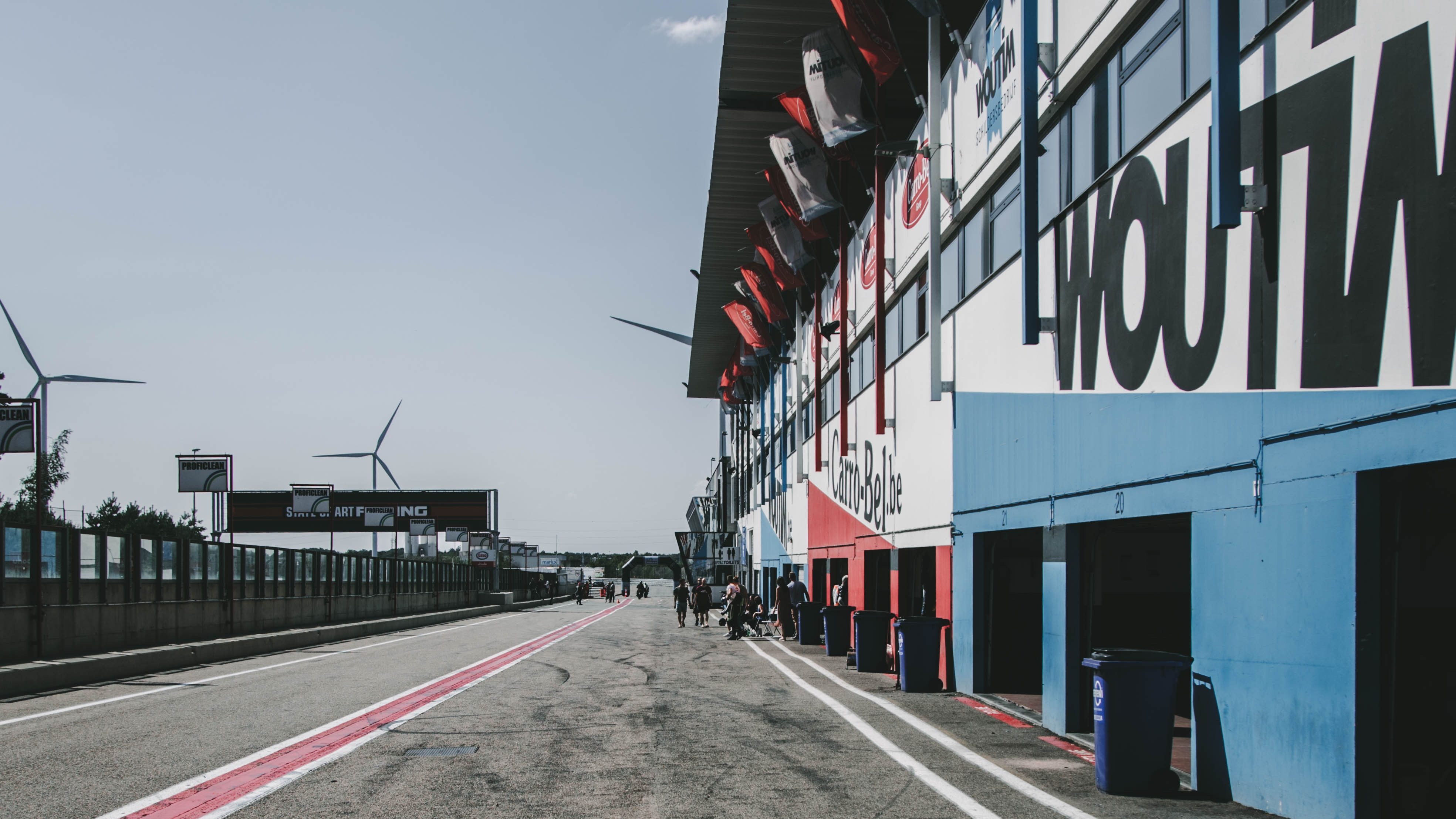
    High speed, low emissions. Is there a better answer than Formula E to a sustainable future for motorsports? Photo by Tom Verdoot via Pexels.com

    The idea of Formula E was conceived in 2011 in Paris when Spanish businessman, Formula E chairman Alejandro Agag and fédération internationale de l’automobile (FIA) president Jean Todt met in Paris to discuss the possibility of an all-electric international single-seater championship.

    Now in its eighth season, it shows no sign of it slowing down with new teams like Jaguar, Nissan, Porsche and Audi joining the championship in recent years and with new locations being added all the time.

    The official Formula E website proudly states that the founding mission of the sport was to “race through the streets of the most iconic cities in the world – with a grid full of the best racing drivers and teams around – to show just what sustainable mobility was capable of”.

    The cars used in Formula E are similar to those used in Formula One, the body style of the car is ostensibly the same, the key difference is, of course, the use of batteries rather than an engine. 

    Although the cars are slower, with a top speed of 280 km/h as opposed to 360km/h in Formula One, this can be seen as a small price to pay for an eco-friendlier motorsport. With constant improvements being made, Formula E could close the speed gap sooner rather than later.

    Back in 2017, Dublin made a bid to host an E-Prix with former Fine Gael TD Noel Rock advocating for Dublin’s inclusion in the racing calendar. 

    “Dublin would perfectly fit the bill for such a race, and it would make for exciting viewing,” said Rock.

    “I fully support Fáilte Ireland and Dublin City Council exploring the possibility of acting as a host city and I would expect that the Government would support such a bid if one was to be made in the future,” he continued.

    The benefits of Dublin hosting a Formula E event would have seen a boost in economic growth and tourism, along with the possibility of Ireland becoming a permanent location for the Formula E racing season. 

    Unfortunately, Dublin was overlooked for the race. Instead Marrakesh, Hong Kong, Rome, Paris, Berlin and many more reaped the benefits of the popular motorsport.

    The Formula E Ireland Fan Site gave some insight into the future of Formula E in Ireland “I kind of feel like we might have missed our chance with it. There was a thing a few years back about potentially holding a race here when the series was still finding its place.

    “After Battersea cancelled their contract, we could have had a chance to slip in and be the English-speaking race location on this side of the Atlantic, but the series has grown so much now and has cities all around the world looking into hosting and bringing FE to big, exciting locations.”

    So, as the motor sport continues to grow what will the future look like for Ireland with regards to the possibility of hosting an E-Prix? The Formula E Fan Site holds onto the hope that someday Ireland will host a race “honestly, I’d absolutely love it if I were proved wrong.”

    Currently, only one driver who hails from the island of Ireland has taken part in the Formula E championship – Portadown native Adam Carroll. 

    Carroll took part in the 2016-17 championship driving for team Jaguar and coming 21st in his solitary season in the motorsport.

    With the success of Formula E, Alejandro Agag has also gone on to create Extreme E which is a climate-conscious electric rally series. 

    This form of E-Motorsport could fit perfectly into Ireland as there is already an established rally scene across the country. However, time will tell as to whether Ireland will capitalise on the ever-growing world of electrical motorsports.

  • Green death: Saving the planet from beyond the grave

    Green death: Saving the planet from beyond the grave

    Glasnevin Cemetery. Photo by James Molloy

    As the population of the world move towards living a greener and more eco-friendly lifestyle, many of the traditions and habits we posses have had to adapt or change in some capacity in order to help us achieve this greener approach to life.

    One such change we can undertake, even after we have left this earth, is to change our attitudes about burial rituals. Eco-burials are a growing phenomenon amongst the population as a cheaper and eco-conscious alternative to traditional methods.

    Eco-burials follow the ethos of sustainability and the use of biodegradable materials, such as willow instead of the traditional varnished wood. Everything takes the environment into account, from the type of casket to the location of the burial.

    Eco-burials are a growing industry in Ireland as people search for a safer, cheaper, and more viable means of burial going into the future. There are currently two companies operating natural burial sites in Ireland – Woodbrook Natural Burial Grounds in Ballinlug East, Co Wexford and Knockma Woodland Burials in Tuam, Co Galway. These burial grounds differ from the traditional graveyard as they are set in living woodlands, with stones used as grave markings instead of imposing headstones.

    “They’re not as scary as the hard-based traditional coffin. They remind people of cradles or Moses baskets”

    Colm McAteer

    Colm McAteer, who owns Green Coffins in Donegal, shared his views on the benefits of eco-friendly funerals, the current trends and how he sees the future of this growing industry.

    “The materials we use are biodegradable, they’re completely natural. Willow grows freely… It’s mainly softwood versus hardwood. It’s using a sustainable resource that’s readily available.”

    He notes that it isn’t a new thing, as materials such as willow were originally used before the introduction of “cheaper materials like chipboard” and veneer, which are now traditionally used in the mass production of coffins but not really sustainable in the long-term.

    A Willow casket pictured above. Photo provided by Colm McAteer

    “A lot of the time people just like the look of them,” he says, “they’re not as scary as the hard-based traditional coffin, there’s more warmth in the material and there’s more warmth in the skill in making them. They often remind people of cradles or Moses baskets.”

    McAteer fully expects the popularity of the eco-friendly coffin to keep growing. 

    “We think it will become the replacement, the norm or the new norm, and every year we get busier. What you do find is if one member of the family chooses that, in general other members do too.”

    Green Coffins produce a number of different styles of coffins using various other materials aside from willow, including water hyacinth, banana leaf, pandanus, golden wicker and corrugated cardboard. Each coffin is made by hand to fit and takes from “three to three and a half days” to produce, according to McAteer.

    He further adds “there’s a complete and utter craft in weaving the casket, to keep the size, to keep the walls straight as they go up, and it’s not something you learn overnight. It’s an old skill that was almost dead here in Ireland.”

    McAteer also opened Ireland’s first natural burial site in 2010, Woodbrook Natural Burial Grounds in Co Wexford. 

    Woodbrook Burial Ground. Photo by Colm McAteer

    “We want to look after our environment and it’s a simple natural burial,” he says. “They’re using you or your place of burial as a conservation tool.”

    “Done right, they also create pockets of biodiversity close to major cities, and they are becoming places for people to reconnect with nature. People do come and spend time there and sit on the benches, they do enjoy the fact that they can be re-immersed in nature,” he tells me.

    The burial ground itself is non-denominational with people of all faiths and walks of life buried here. McAteer also believes that as time goes on, there will be more of these natural burial sites cropping up around the country as an alternative to the traditional graveyard.

    The natural burial grounds in Woodbrook offer a cheaper alternative to a traditional grave plot — the charge is €950 per plot, as opposed to €2,000 to €5,000 for an average plot.

    Another natural burial site is Knockma Woodland Burials in Tuam, run by Donagh Hawtin. According to Hawtin, the benefits of a natural burial ground are that they are “more ecological, they leave less of a carbon footprint, they help with conservation.”

    Knockma Burial Ground. Photo by Donagh Hawtin

    “Unlike a traditional burial ground which is regimented with concrete, headstones and whatever else, this is still a living, breathing and growing environment,” she explains.

    She says there is a trend away from traditional burial sites: “It is an alternative, which is something that surprised us. People are going away from the church; they are going away from tradition. Graveyards are getting full and there is no alternative.”

    “People are going away from the church; they are going away from tradition… Graveyards are getting full and there is no alternative”

    Donagh Hawtin

    “It’s a growing market,” she continues. “We have had a lot of presales. People can buy it straight or they can come and find their plot, there’s no time limit.

    “People like that we are already an established woodland, we haven’t been built up to be a woodland, we’re not regimented.

    “The burial ground is changing, and it is our generation changing tradition and looking at alternatives.  I believe that this is the future, and we are doing our bit for the new way of living and saving our planet.”

    Further afield, Canadian company Bio Urns was established in 1997 by Gerard Moline.

    According to their website, Bio Urns are the “world’s first biodegradable urn designed to turn you into a tree in the after-life. Specially made with two separate capsules, the urn is designed to contain the seed or seedling of your choice which will grow into a tree as a way for a person to be remembered by.”

    The company also opened a natural burial ground in Quebec where people go to plant their bio urns.

    It offers worldwide shipping and the urn costs €180.

    So, whether you choose to be laid to rest in a in a bio-degradable casket, buried in a natural burial ground or become a tree in your afterlife there are plenty of options for those who want to continue their eco-friendly lifestyle and help improve their carbon footprint even after their gone.

  • Five swaps you can make for a more eco-friendly Valentine’s Day

    Five swaps you can make for a more eco-friendly Valentine’s Day

    red rose bouquet on brown wooden table
    Photo by Pavel Danilyuk on Pexels.com

    Every Hallmark holiday has a massive carbon footprint – Valentine’s Day lockdown edition will be no different.

    What is different, however, is that this year we have more control than ever before over the amount of waste we create. No excessive portions at restaurants; no glossy tickets to throw away and no decorative garnishes in plastic-laden cocktails. This year, as we celebrate Valentine’s Day from the comfort of our own homes, there are several easy swaps you can make to show your love for the planet

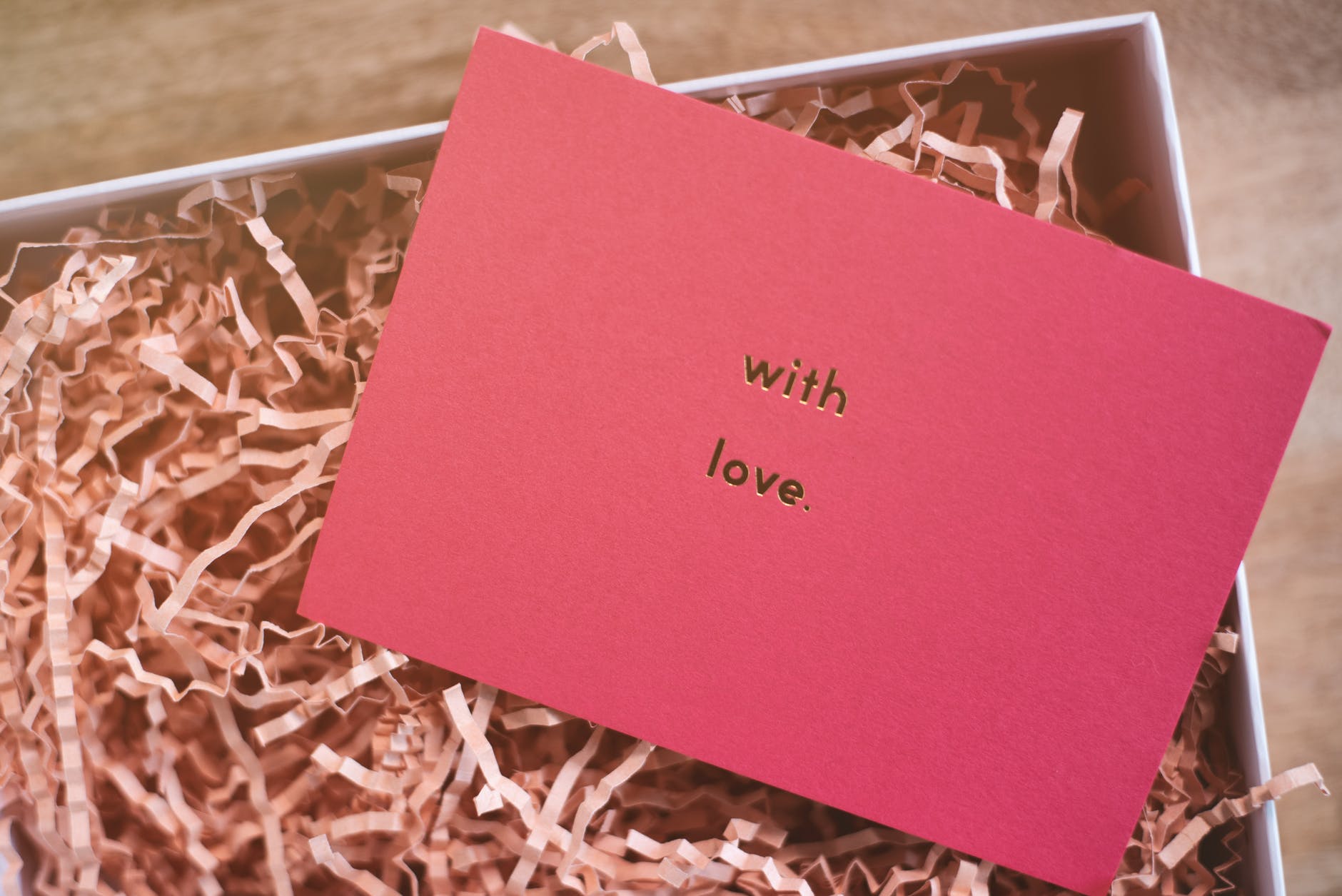
    1 CARDS

    happy valentine s day card
    Photo by RODNAE Productions on Pexels.com

    Ditch them.

    If you’re going to see your loved one face-to-face, there’s no need to scribble your feelings on a card that’s destined for the recycling bin.  

    However, if you really feel you must give your partner a card this year, there are some alternatives to the standard shop-bought Valentines, which, let’s face it, are fairly pricey for something that’s going to be thrown away after a few days.

    You can go digital! There are plenty of subscription-based services which allow you to send e-cards for all occasions. These can be sent via email or they can be posted to the Facebook wall of the object of your affection.

    Or, if you’re crafty, you can always make a card out of materials you have at home!

    Yes, it will ultimately still end up being in the bin, unless your partner is a hoarder, but it will eliminate all of the carbon-producing processes which go into manufacturing and distribution of shop-bought cards.  

    This way, you have total control over what your card is made of so, you can be sure the materials are fully recyclable.

    2 FLOWERS

    red rose bouquet on brown wooden table
    Photo by Pavel Danilyuk on Pexels.com

    What’s more romantic than a big bouquet of red roses?

    Perhaps some flowers that won’t die after a week and arrive swaddled in cellophane.

    This year, why not consider seeds or a potted plant for your partner’s garden -or, more likely, windowsill? The pot can be used again and the longevity of the plant is a more romantic symbol of your relationship.  

    Flowers in a vase perish. Garden plants, if nurtured and cared for, will last a lot longer and bloom again and again.

    For the crafty ones among us, there are plenty of tutorials on YouTube which show you how to make a bouquet of flowers out of recycled paper or newspaper.  Not only is this a big help for the environment, but paper flowers will last as long as your relationship and it shows greater effort, which your partner is sure to appreciate.

    3 WRAPPING PAPER

    text
    Photo by cottonbro on Pexels.com

    The glossy wrapping paper and anything with plastic-based glitter, such as most glitter, cannot be recycled. This must be taken into consideration if you’ve bought your loved one a present that requires some kind of wrapping.

    Instead, why not invest in a few reusable gift bags or boxes? These can be just as attractive-looking and will save you money, and carbon footprint points, in the long run.

    If you absolutely must go the traditional wrapping paper route, make sure the paper you buy is (a) recyclable and (b) comes in little or no packaging. Even if the paper itself is recyclable, the light plastic film around it is not.

    Before your partner recycles your carefully-selected wrapping paper, make sure all sticky tape is removed because, once again, this cannot be recycled.  Don’t let tape be the downfall of all your effort to get plastic-free wrapping paper!

    4 CHOCOLATE

    food wood love art
    Photo by C Technical on Pexels.com

    As a lover of chocolate myself, I understand the desire to satisfy your sweet tooth for Valentine’s Day. I really do.  

    But the special Valentine’s Day chocolates – drizzled and dipped and decorated in heart-shaped boxes – all come with ludicrous amounts of packaging. There’s more plastic than consumables in those boxes.  

    Instead of buying into the over packaged and overpriced Valentine’s Day chocolate market, why not bake something sweet for yourself and your partner?  

    Flour, sugar, eggs, milk… all the basics are probably already in your kitchen and the packaging of these products are almost always recyclable or compostable.

    Again, this shows your partner you’ve gone to a greater effort, and you’ve saved yourself some money and a plastic-induced headache.

    If you’re not a baker, you can just pay extra attention to the options in your supermarket.  

    While Valentine’s chocolates will probably always come buried in plastic, if you look carefully you should be able to find some chocolate that comes in 100% recyclable materials.

    5 DINING

    crop friends taking slices of delicious pizza from cutting board
    Photo by Katerina Holmes on Pexels.com

    This one’s simple. We’re all going to be stuck inside ordering takeaway for this Valentine’s Day, right?

    Well, no, not necessarily. Takeaways come with a small mountain of trash: grease-stained bags, cartons, receipts, napkins, condiment sachets, plastic straws, you name it.

    Cooking at home drastically cuts down the amount of waste produced by your meal.  It means you’re using up what you already have and you know exactly what you’re consuming.

    It’s healthier for you, it’s healthier for your wallet and it’s healthier for the planet.  Funny how often those three coincide. 

    So, that’s five tips that I hope were helpful so, hopefully we can all show the planet a bit of love this year on Valentine’s Day.