With consumer demand growing, many people are looking for a chance to get a look at the latest cars on sale.
The NEVO Electric Vehicle show was held in the RDS on November 8th and drew a crowd of around twenty thousand people across the day.
The show was an exhibition of the latest electric and hybrid-electric vehicles on sale in Ireland, offering customers a chance to get up close with the cars.
But they weren’t just to be looked at, as customers could also book a test drive with a car of their choice.
There were also demonstrations, talks, and information available to people about financing, home charging, and solar power.
2024 has been a disappointing year for the electric vehicle market, so far.
Latest figures from The Society of the Irish Motor Industry (SIMI) revealed that in September 1010 new electric cars were registered which was a massive 30.8% lower than the 1,460 that were registered in September 2023.
16,133 new electric cars have been registered so far, this year, as of the end of September. This is a 25.8% decrease compared to the same period in 2023 when 21,726 electric cars were registered.
Brian Cooke the Director General of SIMI commented: “The new electric vehicle segment has experienced another month of decline in registrations, marking the eighth consecutive month of this trend.”
“It is vital that we see positive measures from the Government to support the EV project and help reverse this drop in demand for EVs. Reinstating and extending EV supports, as well as investing in a reliable charging infrastructure, can help regain lost momentum in the electric vehicle project. The industry remains committed to supporting the transition to electrification,” he said.
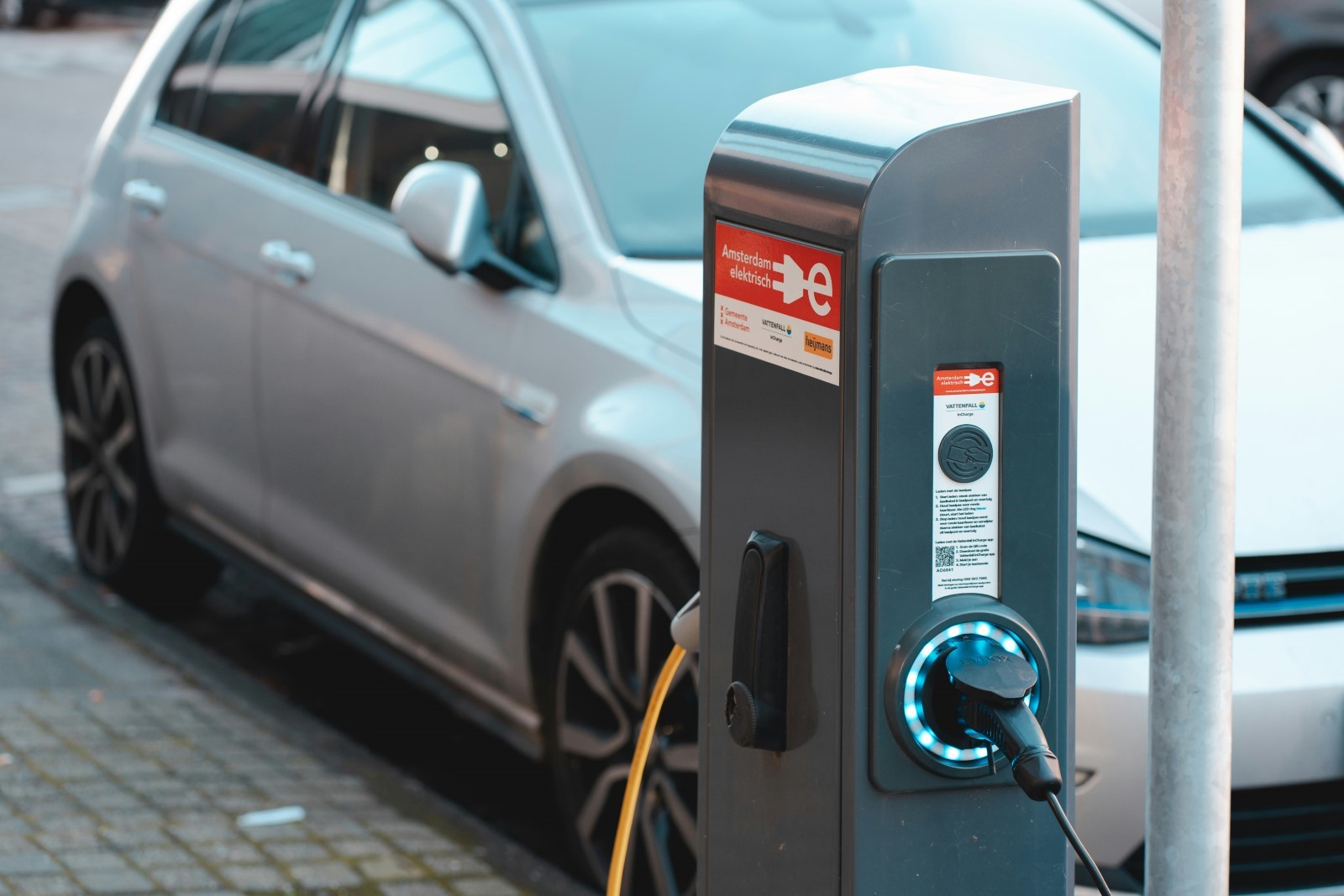
An electric car charging at a charging station. Credit: Pixabay
So why has there been such a steep decline this year?
In January 2022, the Irish Government got rid of the €2,500 grant for new plug-in-hybrid-electric vehicles (PHEVs). This resulted in a reduction in PHEV sales and an increase in battery electric vehicle sales (BEVs), which was the intention.
In July 2023, the Government reduced the grant for new BEVs from €5,000 to €3,500. Although there wasn’t a sudden impact, there is now a slowdown in sales of BEVs, whereas PHEV sales are increasing again.
Many people in the EV scene find that it is harder to get the mass market to make the switch to electric compared to the early adopters.
The early adopters tend to be more comfortable with risks like range anxiety or queuing at charging points – whereas the mainstream adopters are less likely to be wealthy and are not as comfortable with the same risks.
Luke Donnellan, a mechanic for Renault spoke to The City. “A lot of the cars we sell are either hybrid electric or petrol. Not a lot of people are ready to make that change to fully electric yet.
“A lot of people are still very reliant on diesel and are very unsure of the range of electric cars, as well, because with a petrol or diesel cars, when they run out of fuel, it’s not a big deal, you can just fill it up and away you go but with an electric car you’re almost stranded.
“A lot of people do have that range anxiety and It’s also made harder when there isn’t the infrastructure there to charge all these cars.
“A big thing that we’re seeing as well is people trading in their brand-new electric vehicles because they buy the electrics and realise there’s nowhere to charge them and how much it is to charge them. A lot of them realise they can’t charge the cars at work, so then they’re left with these cars where they have to plan everything. You can’t just go do something; you have to plan your entire trip from start to finish and it’s a lot,” he said.
An electric car plugged in at an integrated charging station parking space. Credit: Unsplash
EVs can also provide different mechanical problems to that of a petrol or diesel car.
“One thing that we are noticing is because all these electric cars use regenerative braking systems, where they don’t actually use their brakes and they use the slowing down of the wheels to try to charge the battery up – the brakes are getting completely rusted out,” said Donnellan.
“Even though they’ve only used 20% of their brake pads, their brake discs are so badly corroded, they need to change their brake pads and discs more frequently than a petrol car, so there’s more maintenance in that sense,” Donnellan added.
Hybrid vehicles, however, are rising in popularity. There has been a 12% increase in regular hybrid sales this year, totaling 26,079 new registrations at the end of September.
Similarly, there has been growth in plug-in hybrid sales, now amounting to 10% of total sales with 11,766 registrations.
Petrol remains the most popular choice for Irish buyers, with 36,339 registrations, followed by diesel with 26,947.
More support and infrastructure are needed if the Government has any hope of reaching their target of 845,000 EVs by 2030.
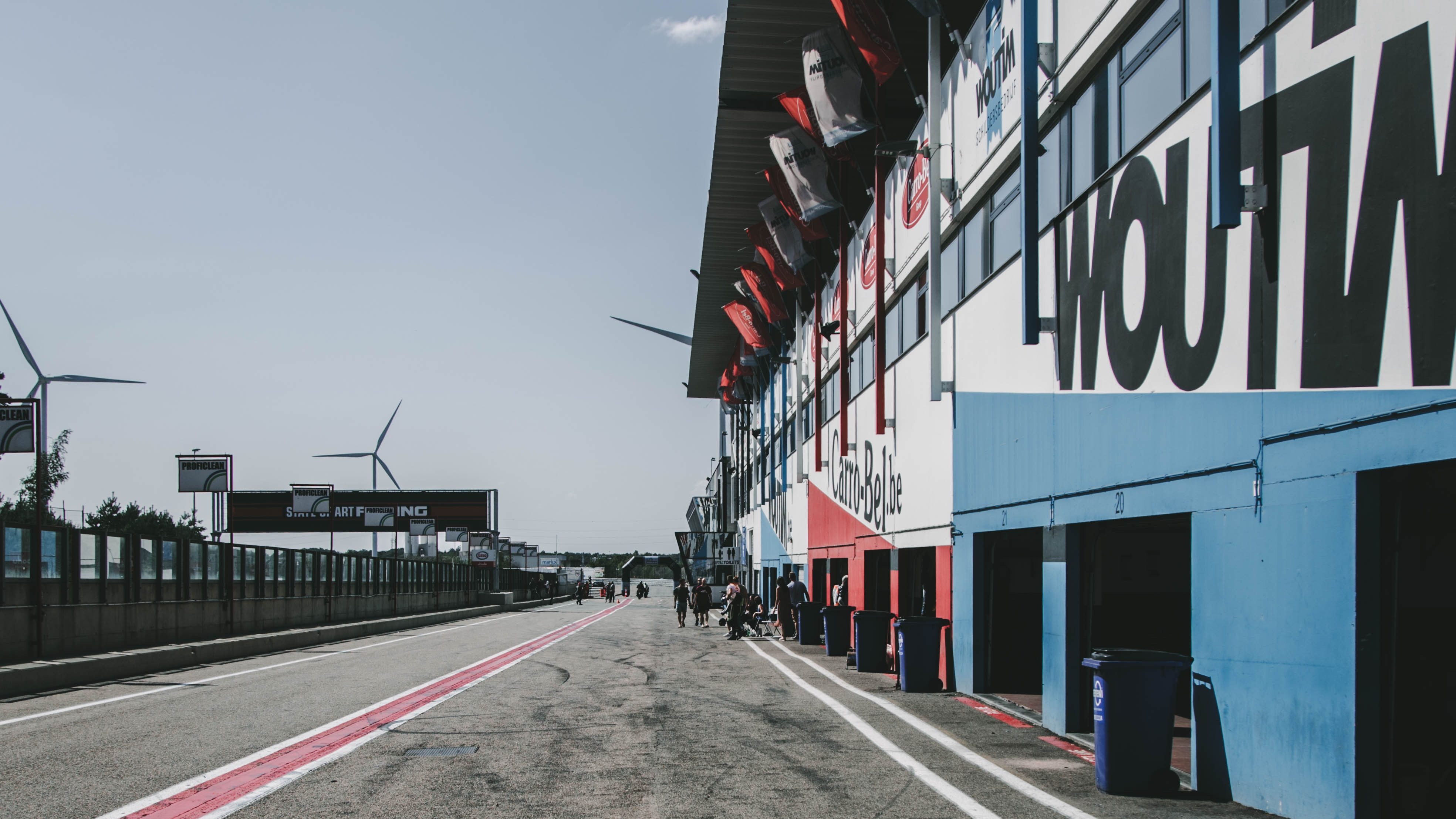
High speed, low emissions. Is there a better answer than Formula E to a sustainable future for motorsports? Photo by Tom Verdoot via Pexels.com
The idea of Formula E was conceived in 2011 in Paris when Spanish businessman, Formula E chairman Alejandro Agag and fédération internationale de l’automobile (FIA) president Jean Todt met in Paris to discuss the possibility of an all-electric international single-seater championship.
Now in its eighth season, it shows no sign of it slowing down with new teams like Jaguar, Nissan, Porsche and Audi joining the championship in recent years and with new locations being added all the time.
The official Formula E website proudly states that the founding mission of the sport was to “race through the streets of the most iconic cities in the world – with a grid full of the best racing drivers and teams around – to show just what sustainable mobility was capable of”.
The cars used in Formula E are similar to those used in Formula One, the body style of the car is ostensibly the same, the key difference is, of course, the use of batteries rather than an engine.
Although the cars are slower, with a top speed of 280 km/h as opposed to 360km/h in Formula One, this can be seen as a small price to pay for an eco-friendlier motorsport. With constant improvements being made, Formula E could close the speed gap sooner rather than later.
Back in 2017, Dublin made a bid to host an E-Prix with former Fine Gael TD Noel Rock advocating for Dublin’s inclusion in the racing calendar.
“Dublin would perfectly fit the bill for such a race, and it would make for exciting viewing,” said Rock.
“I fully support Fáilte Ireland and Dublin City Council exploring the possibility of acting as a host city and I would expect that the Government would support such a bid if one was to be made in the future,” he continued.
The benefits of Dublin hosting a Formula E event would have seen a boost in economic growth and tourism, along with the possibility of Ireland becoming a permanent location for the Formula E racing season.
Unfortunately, Dublin was overlooked for the race. Instead Marrakesh, Hong Kong, Rome, Paris, Berlin and many more reaped the benefits of the popular motorsport.
The Formula E Ireland Fan Site gave some insight into the future of Formula E in Ireland “I kind of feel like we might have missed our chance with it. There was a thing a few years back about potentially holding a race here when the series was still finding its place.
“After Battersea cancelled their contract, we could have had a chance to slip in and be the English-speaking race location on this side of the Atlantic, but the series has grown so much now and has cities all around the world looking into hosting and bringing FE to big, exciting locations.”
So, as the motor sport continues to grow what will the future look like for Ireland with regards to the possibility of hosting an E-Prix? The Formula E Fan Site holds onto the hope that someday Ireland will host a race “honestly, I’d absolutely love it if I were proved wrong.”
Currently, only one driver who hails from the island of Ireland has taken part in the Formula E championship – Portadown native Adam Carroll.
Carroll took part in the 2016-17 championship driving for team Jaguar and coming 21st in his solitary season in the motorsport.
With the success of Formula E, Alejandro Agag has also gone on to create Extreme E which is a climate-conscious electric rally series.
This form of E-Motorsport could fit perfectly into Ireland as there is already an established rally scene across the country. However, time will tell as to whether Ireland will capitalise on the ever-growing world of electrical motorsports.




You must be logged in to post a comment.