By Luke Hurson
2024 has been a disappointing year for the electric vehicle market, so far.
Latest figures from The Society of the Irish Motor Industry (SIMI) revealed that in September 1010 new electric cars were registered which was a massive 30.8% lower than the 1,460 that were registered in September 2023.
16,133 new electric cars have been registered so far, this year, as of the end of September. This is a 25.8% decrease compared to the same period in 2023 when 21,726 electric cars were registered.
Brian Cooke the Director General of SIMI commented: “The new electric vehicle segment has experienced another month of decline in registrations, marking the eighth consecutive month of this trend.”
“It is vital that we see positive measures from the Government to support the EV project and help reverse this drop in demand for EVs. Reinstating and extending EV supports, as well as investing in a reliable charging infrastructure, can help regain lost momentum in the electric vehicle project. The industry remains committed to supporting the transition to electrification,” he said.

So why has there been such a steep decline this year?
In January 2022, the Irish Government got rid of the €2,500 grant for new plug-in-hybrid-electric vehicles (PHEVs). This resulted in a reduction in PHEV sales and an increase in battery electric vehicle sales (BEVs), which was the intention.
In July 2023, the Government reduced the grant for new BEVs from €5,000 to €3,500. Although there wasn’t a sudden impact, there is now a slowdown in sales of BEVs, whereas PHEV sales are increasing again.
Many people in the EV scene find that it is harder to get the mass market to make the switch to electric compared to the early adopters.
The early adopters tend to be more comfortable with risks like range anxiety or queuing at charging points – whereas the mainstream adopters are less likely to be wealthy and are not as comfortable with the same risks.
Luke Donnellan, a mechanic for Renault spoke to The City. “A lot of the cars we sell are either hybrid electric or petrol. Not a lot of people are ready to make that change to fully electric yet.
“A lot of people are still very reliant on diesel and are very unsure of the range of electric cars, as well, because with a petrol or diesel cars, when they run out of fuel, it’s not a big deal, you can just fill it up and away you go but with an electric car you’re almost stranded.
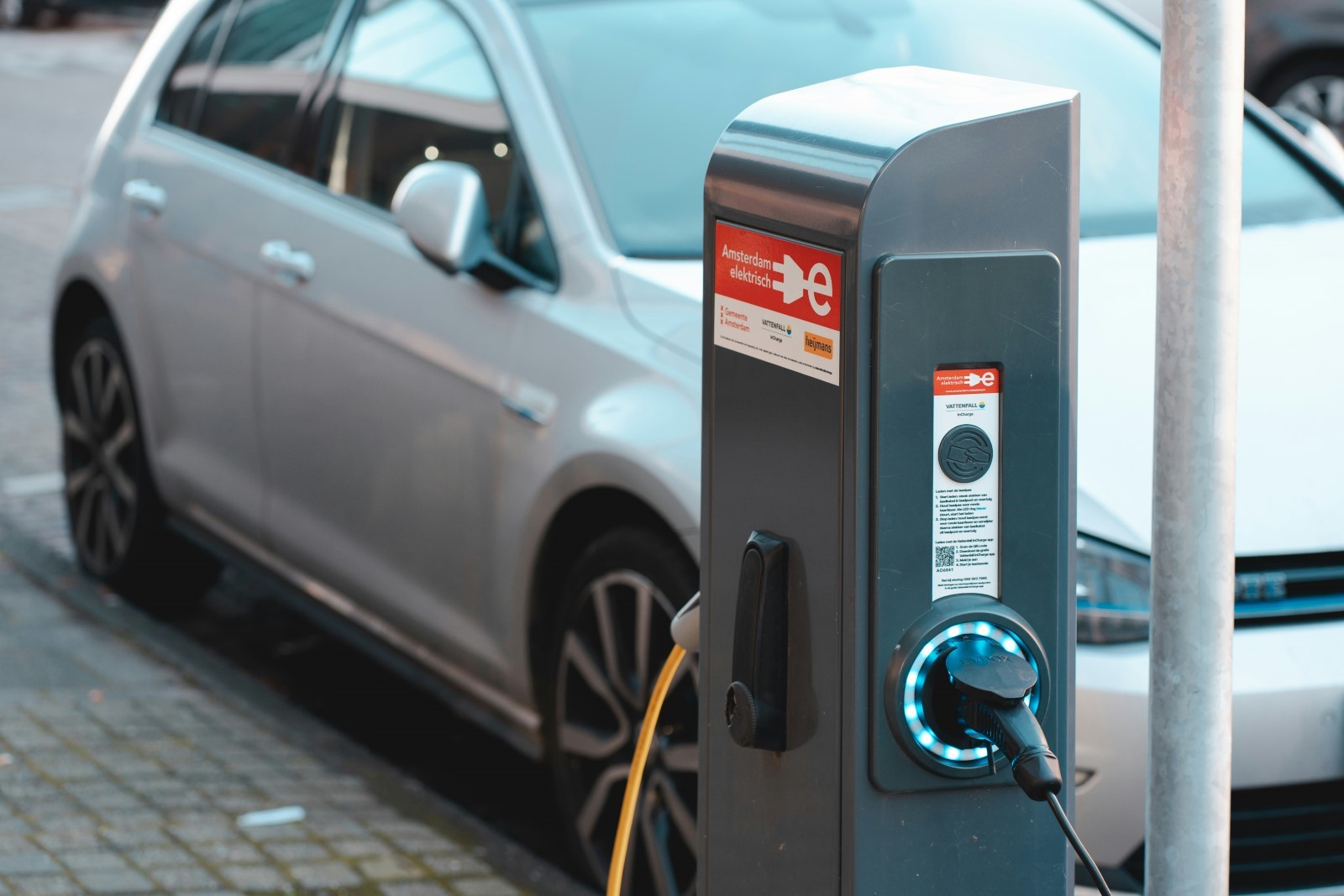
“A lot of people do have that range anxiety and It’s also made harder when there isn’t the infrastructure there to charge all these cars.
“A big thing that we’re seeing as well is people trading in their brand-new electric vehicles because they buy the electrics and realise there’s nowhere to charge them and how much it is to charge them. A lot of them realise they can’t charge the cars at work, so then they’re left with these cars where they have to plan everything. You can’t just go do something; you have to plan your entire trip from start to finish and it’s a lot,” he said.

EVs can also provide different mechanical problems to that of a petrol or diesel car.
“One thing that we are noticing is because all these electric cars use regenerative braking systems, where they don’t actually use their brakes and they use the slowing down of the wheels to try to charge the battery up – the brakes are getting completely rusted out,” said Donnellan.
“Even though they’ve only used 20% of their brake pads, their brake discs are so badly corroded, they need to change their brake pads and discs more frequently than a petrol car, so there’s more maintenance in that sense,” Donnellan added.
Hybrid vehicles, however, are rising in popularity. There has been a 12% increase in regular hybrid sales this year, totaling 26,079 new registrations at the end of September.
Similarly, there has been growth in plug-in hybrid sales, now amounting to 10% of total sales with 11,766 registrations.
Petrol remains the most popular choice for Irish buyers, with 36,339 registrations, followed by diesel with 26,947.
More support and infrastructure are needed if the Government has any hope of reaching their target of 845,000 EVs by 2030.
You must be logged in to post a comment.