Tag: equality

  • A match made in TUD: When flowers are no longer enough

    A match made in TUD: When flowers are no longer enough

    Technological University Dublin’s African society Valentine’s event represents love beyond just romance and serves as a medium for promoting cultural integration.

    By Samuel Adeleke

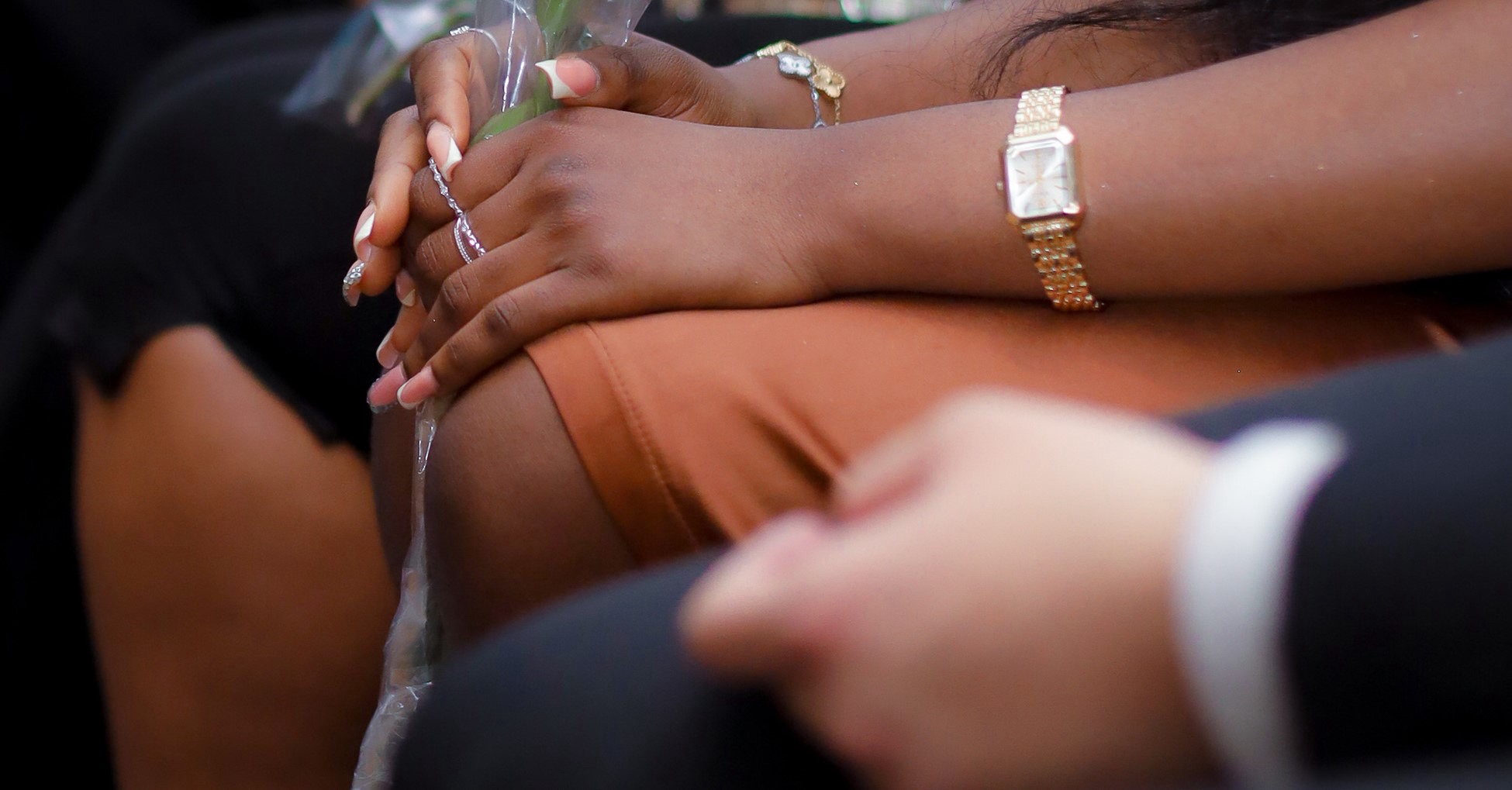
    Photo credit: Samuel Adeleke

     With Valentine’s Day around the corner, a time often seen as a period to show and express love, TUD African Society brought the celebration early by organizing a Valentine’s event on 10th of February, at Bst259 Bolton Street.

    For Sharon Ojuade, President of the TUD African society, the theme of ‘A match made in TUD’ was not chosen for love and romance alone.

    “With this event, we aimed to create a relaxed and comfortable environment where people from the same background, different backgrounds, and experiences gather in one room, enjoying the atmosphere,” said Ojuade.

    In organising the event, the committee also sought the support of student entrepreneurs who offered services or provided freebies to participants in an African style.

    This included DJs, photographers, MCs, and the types of foods to be served.

    “Events like this give people a sense of belonging and serve as an avenue to promote student entrepreneurs from Africa and allow them to thrive,” said Ojuade.

    “Before the world loves you, your community must also love,” she added.

    The committee has experienced a record number of ticket sales for the event. For the president, it is inspiring to see that they live in a country with a strong sense of community.

    “Just because we live here doesn’t mean we shouldn’t have fun moments; people should still pursue what they need to pursue outside the community,” said Ojuade.

    Although it is an African society gathering, the event is open to other nationalities. “The first person to get a ticket for the event is an Asian. He reached and said he wanted to be part of it.” said Ojuade.

    According to Divine Nebo, the social director of the society, “the event is not just about finding love, it is about finding people who are like you to bond with on a different level.”

    And by extension, the theme of the event, ‘A match made in TUD’, is to show that love can be found anywhere, not just in school, but in environments like this, outside of social media.

    With students outside the African community feeling the pull of the event, Divine said, “the event is not only about Africa, but expressing the depth of African culture to non-Africans to see what African culture is about, beyond what social media portrays.”

    John Ologunlola, the event manager, also collaborated and highlighted the potential of the event to serve as a platform for non-Africans to experience African culture.

    “Even though they might not fully understand the African culture in its entirety, it is a valuable learning process,” said Ologunlola.

     Ologunlola mentioned that, as a Nigerian, he is learning more about the African culture and finding expression in the community alongside other African nationals, including Ghanaians and Congolese.

    With students like River Rogers, who is half Irish and half Polish, the intentions of the TU African society executive came to light.

    “It is my first time being in an African event,” Rogers said. “I am not African, but I can still attend and make some new friends,” he added.

    Not only did Rivers find the Afrobeat songs being played amusing, but he also left with the intention of trying an African dish. “I definitely need to try the African jollof rice,” he said.

    Mark Ologunlola, a former executive of the society, commended the event as a brilliant way of promoting cultural pride.

     “Events like this help people develop real relationships, and give people a picture of what love is,” he said.

     Ologunlola expressed excitement at seeing other people at the event, “no matter what part of Africa or the world you come from, we are all one body.”

    While the event promotes communal love, in a friendly society that helps people socialise, Nicole Okerikre, an African national from Nigeria, who participated in the event as a contestant, said, “This is a period of love, but people should find love in themselves first.”

    Denoting that self-love is non-negotiable.

    For Jaeson Jang, an Asian, ‘A match made in TUD was not just a Valentine’s event, but an opportunity to find expression among people of other cultures.

    “The African culture is amazing, I feel like family, I feel welcome. Everyone is enjoying themselves; no one feels lonely,” Jang said.

    Jang’s experience underscored the aims of the TU African Society to promote an atmosphere where joy, laughter, and love are shared without identity being a barrier.

    “Everyone can integrate into every culture; you only have to do it respectfully,” said Jang.

    By the end of the night, a match was indeed made in TUD as the event ended with Jaeson Jang from Asia and Nicole Odunsin from Africa emerging as winners.

    It was a reminder that love in its most powerful form goes beyond just being African or giving flowers; it is in identifying with people from other nationalities and embracing a sense of community.
     

  • Every Voice Counts – Disability and Democracy

    Every Voice Counts – Disability and Democracy

    Despite clear laws protecting their right to vote, citizens with intellectual disabilities still face real issues at the ballot box. 

    From confusing, and non-publicised information, to inaccessible polling places, it’s a quiet form of exclusion that is rarely spoken about. 

    Conor Barrett, from Leixlip, has a rare syndrome called ‘MYT1L’, which is a neurodevelopmental disorder.

    He voted for his first time in the local elections last year and is excited to cast his vote for the presidential election on Friday October 24th

    For most of us, marking an X on a ballot paper is a given and could be taken for granted. 

    But for Conor, who has an intellectual disability, it’s a moment that represents visibility, independence, and equality. 

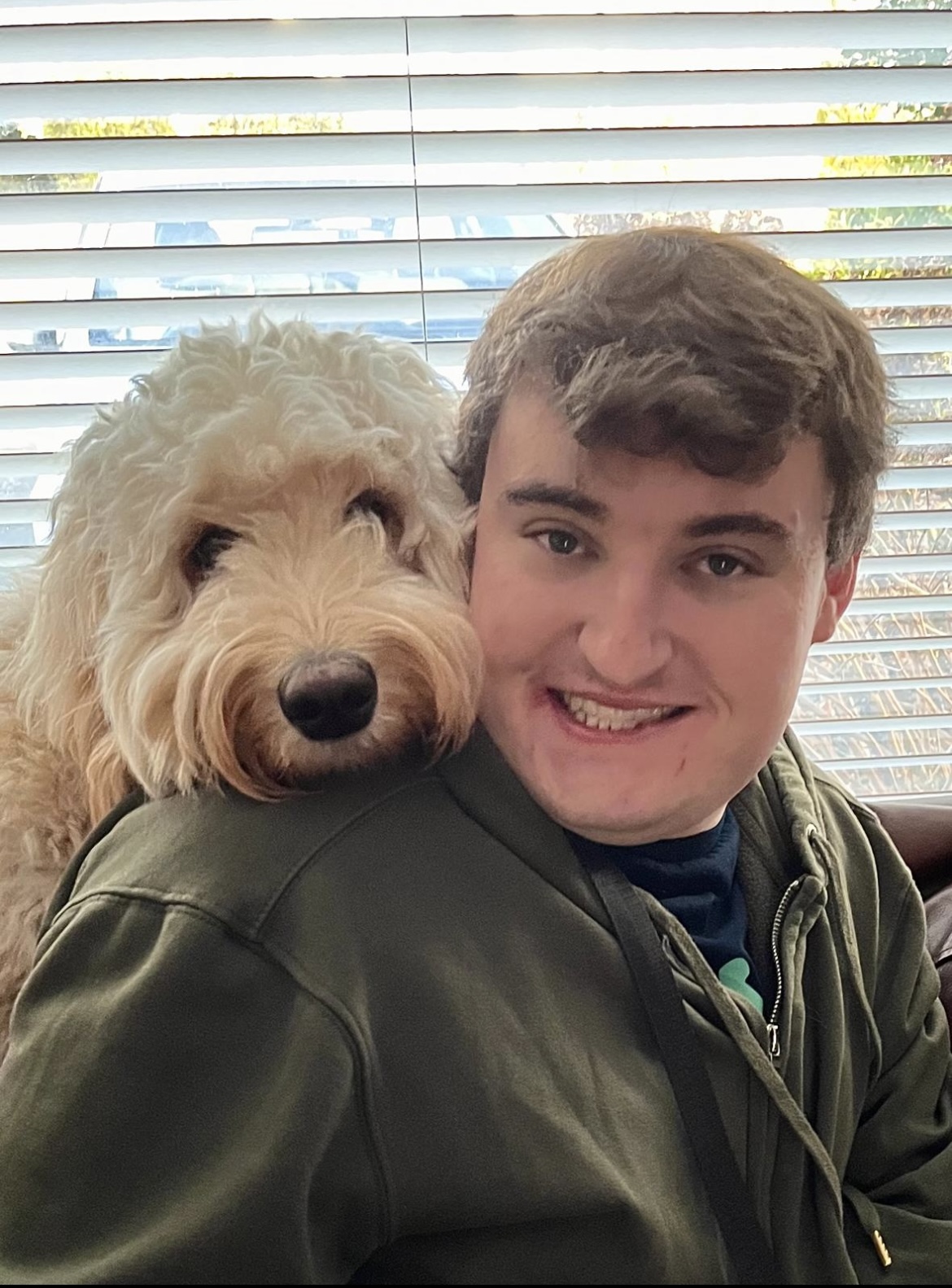
    Conor with his beloved goldendoodle, Sally. Photo courtesy of Una Barrett. 

    The 27-year-old attends a day service called Stewarts and loves it, partaking in swimming there. 

    He recently was chosen for swimming in the Irish Special Olympics next year and won an award for volunteering at the Arts Club in Leixlip. 

    Conor thinks it is extremely important to vote and has said, “I’m voting for Catherine Connolly because I love her, I’ve watched her talking on TV.” 

    With a love for following all current affairs, watching and listening to the news, keeping updated via Instagram and having his mother, Una, read him their local newspaper, ‘The Liffey Champion’, weekly, why wouldn’t he be able to vote? 

    Conor after winning an award in Leixlip Arts Club. Photo courtesy of Una Barrett. 

    Conor’s mum, Una Barrett, has shared, “It’s absolutely his right as a citizen to vote, he has the capacity to also. When people with special needs vote, I feel it shows they have a voice, and it gives them confidence.” 

    Una has also said how she never knew Conor could vote until just last year, despite him being eligible since he was 18 years of age. Una expressed how it was never said or told to their family and is calling for it to be publicised more. 

    Another mother from Kildare, who wishes to remain anonymous, has a son with a severe to profound intellectual disability also did not know that her son had the right to vote and he missed his first referendum. 

    No matter what disability, physical or intellectual, mild or profound, every single citizen of Ireland over the age of 18 has the right for their voice to be heard through their vote. 

    This right isn’t just an idea, it is protected by the law. 

    In 2018, Ireland signed the United Nations Convention on the Rights of Persons with Disabilities (UNCRPD).  

    By signing it, the State promised to make sure that people with disabilities can “vote and be elected on an equal basis with others.” 

    The Oireachtas Joint Committee on Disability Matters has made it clear that “Ireland legally upholds the right to vote for all persons with disabilities, without restrictions.” 

    This means that if someone can’t get to a polling station because of a disability, such as those living in residential care or nursing homes, can apply for a postal or special vote.  

    If they need help marking their ballot, they can ask a companion or a carer to enable them to vote. 

    The Electoral Commission also says polling stations must be accessible, and extra supports are available to make sure everyone can cast their vote. 

    Disability should never stand in the way of democracy, the challenge now is to make sure that these rights work in reality, as well as on paper. 

    Parents and carers in Ireland are demanding for this information to be publicly known, so their family members don’t miss out on a single election or referendum from the day they turn 18. 

  • TU Dublin race equity group responds to Eoin Hayes blackface scandal

    TU Dublin race equity group responds to Eoin Hayes blackface scandal

    By Sean Kavanagh

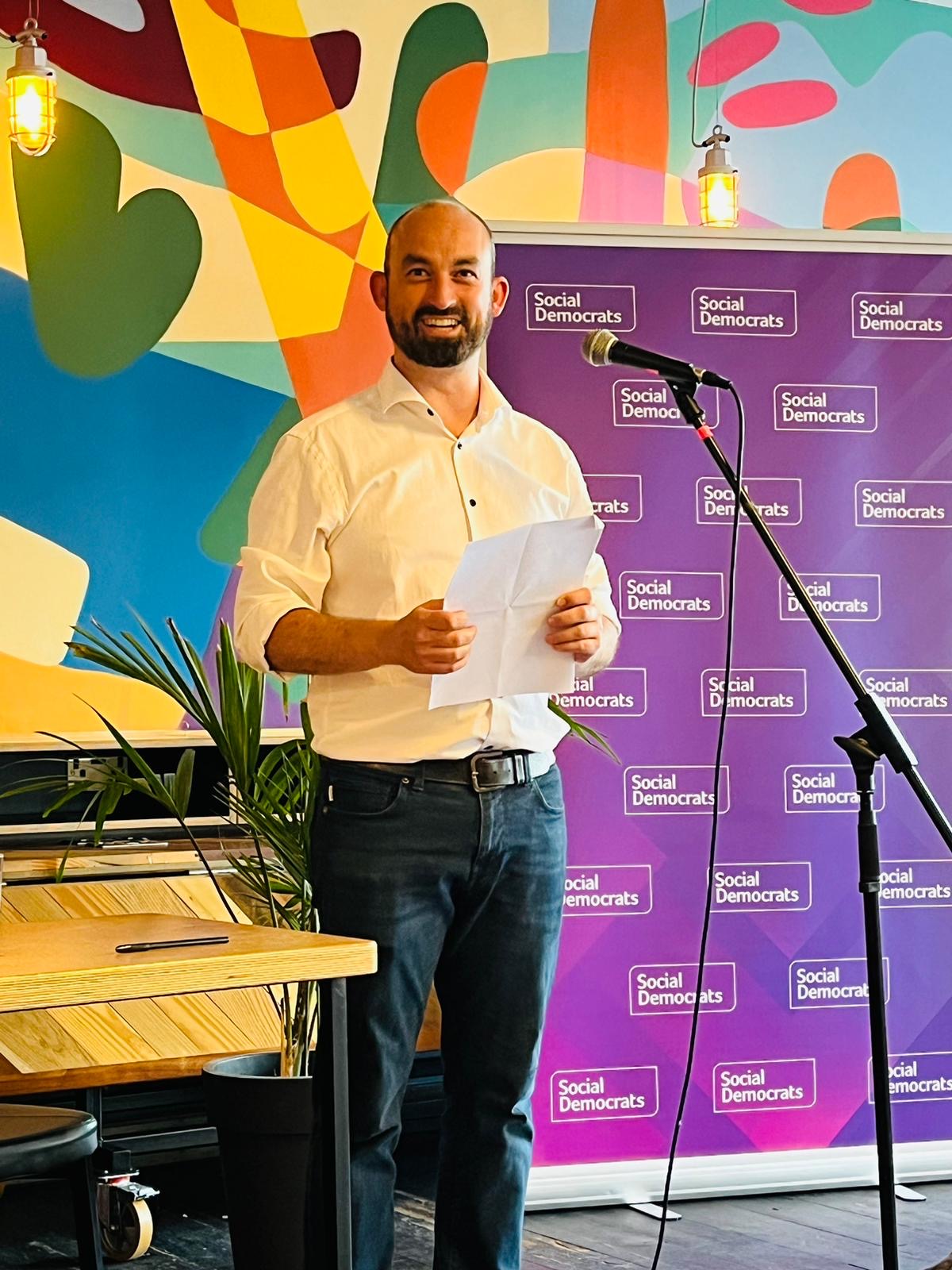
    Social Democrats TD Eoin Hayes will remain a party member following the revelation of his use of blackface in 2009, party leader Holly Cairns announced on Sept. 16.

    The controversy became public on the morning of Sept. 15 when the Dublin Bay South TD released a statement on X apologising for his actions after a news outlet contacted him the evening prior to confirm that they would be releasing pictures of the event.  

    “At a Halloween party 16 years ago, while President of the Student’ Union in University College Cork, I dressed up as someone I greatly admired at the time, US President Barack Obama — whose re-election campaign I went on to work for in 2012. As part of this costume, I wore brown makeup on my face and hands,” Hayes said in his statement.  

    Dressing in blackface is considered by many to be deeply offensive as it has historically been used to promote racist stereotypes.

    “Blackface is part of a very, very long tradition of white performance which by and large ridicules blackness From around the 1830’s, across the 19th and well into the 20th century, white people have dressed up as black people to ridicule them, but also to mobilise different kinds of stereotypes,” Anna-Maria Mullaly, a member of both TU Dublin’s race equity group and the Social Democrats, said.  

    “For instance, black people would be displayed as stupid, as sexually aggressive [and] as lazy in these types of performances.”

    Mullaly added.

    Hayes’ stated that he “didn’t have an understanding of how hurtful [blackface] was at the time” and reiterated that he takes “full responsibility” for his actions and apologises to “any and all hurt” caused by what he did.  

    Mullaly, however, is sceptical of Hayes’s excuse that he did not understand the offensive nature of blackface.

    “An argument has been made in some quarters that it was a different time, or that it was youthful student folly, I really don’t buy that,” Mullaly said.  

    “Tropic Thunder, the movie, came out the year before Eoin Hayes dressed up like this on his way to a party, and there was quite a bit of discussion about Tropic Thunder’s satirical take on blackface, so it was certainly in the news, and he would have been aware of those discussions,” she said.  

    Social Democrats Party leader, Holly Cairns, responded to Hayes’ statement in an interview with RTÉ on September 16th saying she was “hugely disappointed and annoyed about this situation.”

    Cairns later confirmed that Hayes would not face any disciplinary action from the Social Democrat Party as the incident occurred before he joined the organisation.  

    “I want to be clear that it’s not an excuse, but the context of it being 16 years ago is something that I have to consider and I am taking it into consideration,” Cairns said.

    Cairns also stated that Hayes “deserves an opportunity to work hard now and to try to regain people’s trust.”

    This decision riled some members of the Social Democrat Party with the chairman of the party’s Dublin West branch and local election candidate, Luke Daly, citing the decision as one of the reasons that he and his secretary, Jack O’Reilly, would be leaving the party.

    Mullaly seconded Cairns’ sentiment and said that Hayes “should be given the opportunity to follow through now and demonstrate, via action, his actual commitment to anti-racism.”

  • ‘Inspire the next generation’: Shining a spotlight on ladies Gaelic games

    ‘Inspire the next generation’: Shining a spotlight on ladies Gaelic games

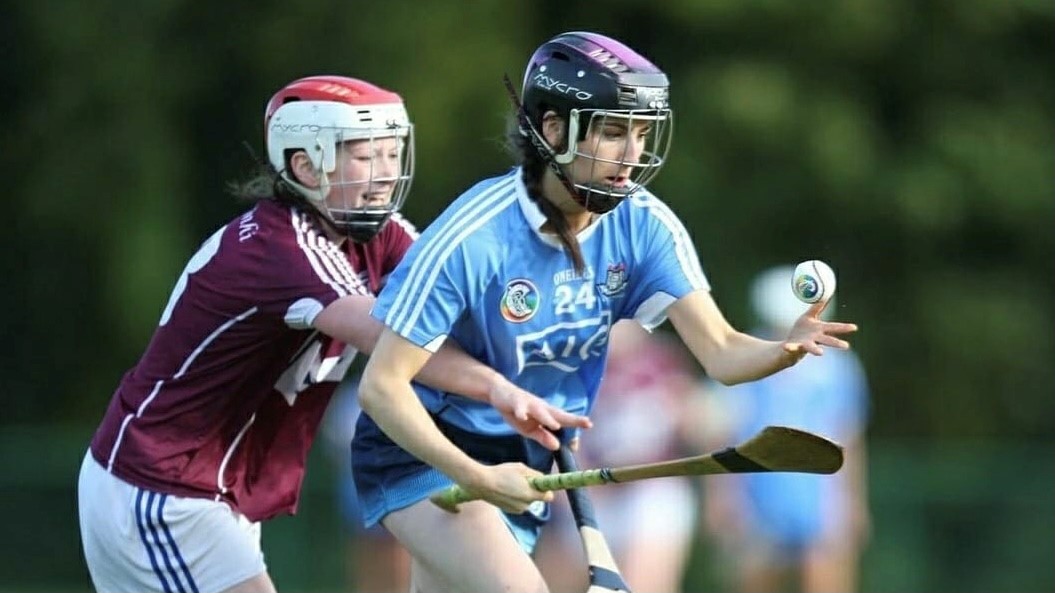
    Julia Buckley in action for the Dublin senior camogie team. Photo by iLivePhotos.com

    The sporting world is still, primarily, a man’s world.

    While huge strides have been made in recent years, there is still a long way to go before men and women have equal opportunities across all sports.

    The lack of coverage of both ladies Gaelic football and camogie is stark when compared to their male counterparts and is “completely disproportionate to the amount of women playing sport”, says Niamh Tallon, founder of HerSport.ie – a website aimed at promoting women’s participation in sport and increasing the coverage they receive.

    Despite women making up 40.8% of the people playing sport in Ireland, they receive just 6% of the total sports coverage, says Tallon.

    “You can’t say it has to be 50/50. That isn’t fair either, and you’re going to have different weeks where there’s more news in women’s sports or more news in men’s sports, but it’s not even near comparable at the moment.”

    Of course, this disparity has quite a knock-on effect for female players.

    While male Gaelic football and hurling players can enjoy the many perks that come with the high profile – it can be a lot harder for women to achieve the same status.

    “It’s about making them feel supported; making them feel that they have the opportunities and showing them what the possibilities are”

    Niamh Tallon

    “It’s important to make sure that female athletes get the recognition that they deserve because there is such a knock-on effect when it comes to sponsorship opportunities, the funding that they get, the level of support, and also trying to inspire the next generation,” says Tallon.

    This is what websites like HerSport.ie and others have been set up to do: highlight the high level of talent in women’s sports and provide role models for the next generation of All Stars.

    It is important that young girls understand that there is a space for them in the sports world.

    Other organisations are working to increase people’s awareness of ladies Gaelic games.

    20×20.ie have created a campaign, ‘If she can’t see it, she can’t be it‘, that aims to increase media coverage and participation at all levels of women’s sports.

    Campaigns such as this one are extremely important as a way of improving overall attitudes to women in sport, among both men and women.

    “It’s about making them feel supported; making them feel that they have the opportunities and showing them what the possibilities are,” says Tallon.

    The drop-out rate among young girls from their local clubs is noticeably higher than it is among boys, with many people believing that this is due to the fact that the world of sports is still primarily a male-dominated scene, with women in sport not being taken as seriously as men.’s.

    Tallon believes it is down to individual clubs to do everything they can to foster the talent in the young female athletes.

    “Sometimes it’s as simple as having someone at their level that can talk to them. You know if you have a coach who is a 40 or 50-year-old man coaching a 14-year-old Gaelic team then there’s no link. Sometimes it might just take someone who is 20 and a girl to be there and just interact and help out here and there.”

    Dublin senior camogie player, Julia Buckley, believes that many of the issues faced by women in camogie and Gaelic football are down to lack of funding, and stresses the importance of providing expenses for players that may have to travel long distances for training or games.

    “No one should be out of pocket for playing for their county,” she says.

    “Women don’t always have the same access to facilities, media exposure and funding that their male counterparts do. Fixing this would definitely bridge the gap tremendously.”

    This particular issue was recently brought to the forefront when the ladies Gaelic football semi-final switched venues twice and had the throw-in brought forward at the last minute.

    The venue was initially changed in order to accommodate a training session for the Limerick hurlers, and then again due to frost. The situation was made worse when the throw-in was brought forward to ensure the game would be finished in time for the upcoming men’s game between Tipperary and Mayo.

    “These are things that just wouldn’t happen in the men’s game. If we’re going to talk about equality, there has to be some substance to it, not just pushing things under the carpet like they’re not happening. They are happening – every year. The ladies game is probably one of the fastest growing sports in the country, but we don’t seem to have the officialdom in the association that can keep pace with it and to bring the professionalism that is required,” Galway manager Tim Rabbitt told the Irish Times.

    Instances like this where women’s sports are forced to play second fiddle to men’s sports are common. But there are also inequalities within women’s sport itself.

    With campaigns such as Lidl’s Level The Playing Field campaign promoting ladies Gaelic football, camogie is being left behind.

    Lidl ‘level the playing field’ ad campaign highlights the gender-disparity in Irish sports

    Buckley believes that camogie’s lack of profile is a major issue, and that low participation rates are “an obstacle that its counterparts don’t have to deal with”.

    While there has been a shift in attitudes in recent years, and more is being done to improve the coverage of camogie as well as ladies Gaelic football, there is still a long way to go.

    Ex GAA president Liam O’Neill recently told Off The Ball AM that bringing the GAA, LGFA, and Camogie Association under the one organisation would go a long way towards bridging the gap between men’s and women’s sports. 

    Whether this actually comes into fruition remains to be seen.

    However, the future for both ladies Gaelic football and camogie is bright:

    “It’s certainly exciting to see what’s going to happen in the next while, and it’s important to appreciate where we’ve come from. But we also need to make sure we are always pushing on for a more balanced sporting world for girls,” says Tallon.

  • New York Times’ documentary Framing Britney Spears shines a spotlight on sexism

    New York Times’ documentary Framing Britney Spears shines a spotlight on sexism

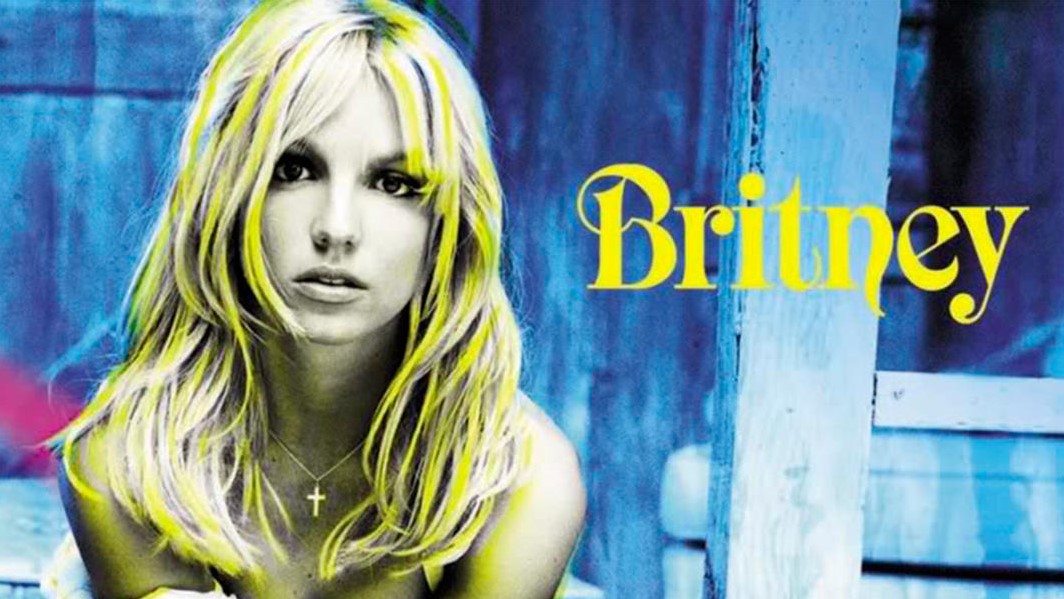
    Album artwork of Spears’ third studio album, Britney

    It was 1998 when a 16-year-old Britney Spears hit our TV screens with the music video for her debut single Hit Me Baby One More Time – a song that would propel her to superstardom.

    Twenty-three years later, society’s fascination with the pop star’s life is still going strong. 

    With six number one albums, 10 world tours, highly publicised mental health struggles, and now the #FreeBritney movement that focuses on her unusual conservatorship case, Spears’ name has never left the media – and tabloid culture has eaten up her every move. These are all things Framing Britney Spears explores as it documents the rise and fall of the global sensation.  

    Much of the documentary focuses on the media’s treatment of Spears, and how the blatant sexism and misogyny directed towards the singer, along with the lack of respect for her privacy, acted as a catalyst to cause the deterioration of her mental health and subsequent loss of control over her own life. 

    Throughout the documentary, we are presented with archive interview footage where media figures frequently ask inappropriate questions or make remarks centred around the singer’s sexuality. Spears is constantly asked about her clothing, breast implants, relationships, and her virginity – but rarely about her actual music. 

    This is something Spears has had to endure throughout the entirety of her career, and something she highlighted as a double-standard from the get-go. 

    The documentary focuses on Spears, but it’s also a look at the treatment of young women in the industry as a whole. Spears was not alone in her constant experience of casual misogyny. 

    “It’s hard enough being a woman in a male dominated industry”

    Soulé

    Many people have taken to social media to highlight examples of these misogynistic behaviours that took place right before our eyes.

    For example, the following clip from The Ellen Show, where singer Taylor Swift is relentlessly probed about the number of romantic partners she has had and is so humiliated that she is reduced to tears. 

    Swift is no stranger to the criticism surrounding her sexual life, and has often remarked on how her male counterparts do not go through the same levels of scrutiny.

    As more and more examples popped up online, I wondered to what extent this type of  casual misogyny exists here, in the Irish entertainment industry. The experiences of massive public figures like Spears and Swift are magnified, but similar occurrences are all too relatable for young women in the industry worldwide. 

    “As far as I’m concerned [sexism and misogyny] has been and still is a major issue, not only here in Ireland but all over the world”

    Katerina Chrysopoulou

    In October last year, Dublin drummer Emmanual ‘Smiley’ Osungboun made a number of sexist comments on a now deleted podcast referring to artist Soulé by name and implying women’s musical skills or abilities are influenced by their menstrual cycle. His comments were not surprisingly met with much outrage and disappointment. 

    “It’s hard enough being a woman in a male dominated industry – it’s another thing having fought and succeeded in obtaining a seat at the table to have our skills undermined based on our ‘periods’,” Soulé wrote on twitter. 

    This is just one example of the exhausting misogynistic behaviours female artists must endure.

    “As far as I’m concerned [sexism and misogyny] has been and still is a major issue, not only here in Ireland but all over the world. I’m from Greece and before I moved to Dublin I was an active musician there and can honestly say I have experienced similar behaviours in both countries.” Says Katerina Chrysopoulou, a Greek musician and performer based in Dublin.

    Katerina Chrysopoulou playing in Whelans. Photo courtesy of Katerina Chrysopoulou. Instagram page @_katerinachrys

    Chrysopoulou adds that she wants to be clear about one thing – the problem of sexism is not a men vs women problem, as is commonly thought. Although 99% of her experience with sexism has come from men, she has also been subjected to sexism by women.

    Katerina Chrysopoulou in Dun Laoghaire pier. Photo courtesy of Katerina Chrysopoulou. Instagram page @_katerinachrys

    “One example, which I’ve experienced myself, is the way men – and sometimes women – treat females who are in a position of power. Female band leaders, conductors, music teachers, and many more, have such a hard time doing their job because they are not taken seriously only because they are women. And when they finally try to make people take them seriously, they will be called bossy, crazy, hysterical, and asked if they are on their period,” she says.

    The unfortunate truth is that sexism and misogyny are extremely deep-rooted in our society and double standards remain prevalent. But Chrysopoulou believes there are many things one can do in order to better cope with these issues in the industry – or any workplace for that matter.

    “Surrounding yourself with people who love and support you is a big one, as they will create a support ‘system’, if you like, that will protect and uplift you at all times.

    “Facing sexism is not an easy thing and the more confident we are in ourselves and our skills, the easier it will be to stand up for ourselves, face those issues and even attempt to stop them from happening to us once and for all.”

  • ‘I don’t want to stay here anymore’ – Prince Singh opens up about the reality of violence towards international students

    ‘I don’t want to stay here anymore’ – Prince Singh opens up about the reality of violence towards international students

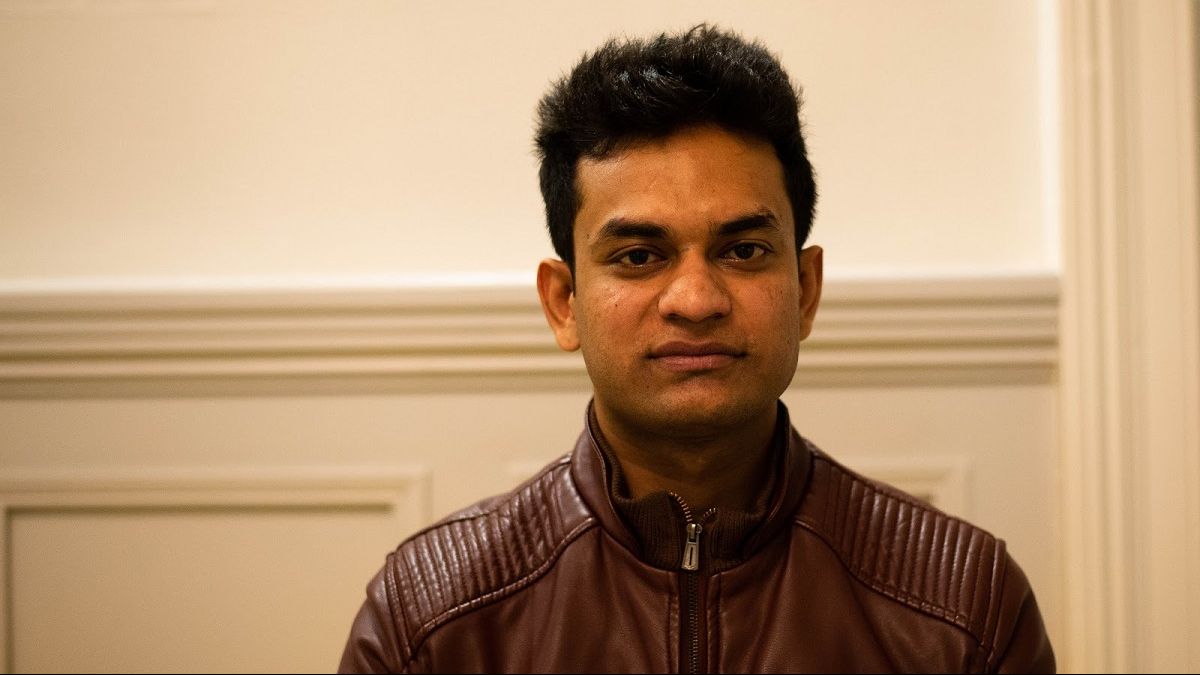
    Caption: Prince Singh studies International Business Management at Griffith College 
    Photo: Ayumi Miyano

    After a barbaric assault, one international student studying in Dublin has called for Ireland to try ensure the safety of students coming here from all over the world. Ayumi Miyano sits down with Indian national Prince Singh to hear his experiences as an international student studying in Ireland.

    On January 15, Singh and his friend Ambarish Kumar — Masters students at Griffith College — were attacked by a group of eight to ten children in the Sundrive Park area of Dublin.

    The group of children began following the two Indian students when they entered the park and eventually threw a bicycle lock at both of them. 

    Kumar was hit by the bicycle lock and was left bleeding. The Gardaí arrived 30 minutes later, followed shortly by an ambulance to aid both students.

    Singh and Ambarish were then sent to St. James Hospital but had to wait there for five more hours, before Kumar could finally receive treatment – two stitches on the back of his head.

    “When I asked the Irish police what I can do as self-defence, they told me that running is a good option. You can run, but you cannot do anything for self defence,” he said.

    Photo: William Murphy — Flickr

    “You cannot do anything to the minors. Because if you do anything harmful to them, they will report you. They will report you instead which would abolish your career.”

    In Ireland, the law deals with children found in breach of the criminal law in the Children Act 2001. Under the act, children who have not reached the age of 12 years cannot be charged with an offence. In addition, the consent of the Director of Public Prosecutions is necessary to charge a child under 14 years with an offence. With regards a child under the age of 18, for which they have been found guilty, can be automatically expunged from the record once certain conditions are met. The act also explains “any penalty imposed on a child for an offence should take the form most likely to maintain and promote the development of the child”.

    “I’m thankful to my college – they are supporting me. My Embassy – they are supporting me. My college is also supporting me. But I don’t get any support from the Irish Government,” he said.

    “At least, the Irish Government needs to re-educate them so they will not do these kinds of things to anyone else,” he said. 

    “I think moral education is important. They should try doing the Yoga activity which creates some peacefulness in kids’ minds and invent some sports activity for those types of kids who are wandering all the time, here and there on the streets.’’

    Also, Singh recommends that the Government provide security for international students.

    According to the Statement by Minister Stanton on Racism affecting Ethnic Minorities in Ireland, the Irish Human Right and Equality Commission (IHREC) has been dealing with the discrimination, including against ethnic minorities, and to seek legal support for persons experiencing discrimination. One of its new functions under the IHREC Act 2014 is to encourage the development of a culture of respect for human equality in the State.

    However, the Reports of racism in Ireland by iReport.ie shows a “continuing steady rise” in the number of violent crimes in the second half of 2017. In the same period, 256 racist incidents, including racist assaults, threats to kill or harm, and hate speeches were reported to the iReport.ie. According to the report, “crime and discrimination are targeted most at ethnic minority people who were born or have become Irish citizens”.

    The report also shows two-thirds of racist crime victims did not report these to the police. The most common reason for not reporting to Gardai was “I did not think the Gardai (Police) would do anything”.

    “Will they do anything for the safety of international students?” he said.

    “Lots of students are coming from all over the world to study in Ireland,” Singh explains.

    In May 2019, the European Migration Network announced that more non-EEA students are coming to Ireland to access higher education, with numbers increasing by 45 percent between 2013 to 2017. 

    In India — Education in Ireland, the Irish education brand managed under the authority of the Minister for Education and Skills organises seminars — Official Government of Ireland education fairs. The events are held occasionally in prominent cities such as New Delhi, Mumbai, Bangalore. 

    International students are a big part of third level revenue for Ireland. About 20 Irish higher education institutions attend the seminar to attract many Indian students from their sales talks. 

    Although the number of foreign students is increasing, EMN describes the problem which international students are facing; The inefficiency of the immigration registration system is one of them. 

    When non-EEA students start their life in Ireland, they need to register as immigrants at Irish Naturalisation and Immigration Service office. 

    Photo: iua.ie

    However, the number of available dates for an appointment is often quite limited and it requires a long time for students to get an appointment. 

    In addition, most students have to wait six to seven hours at the immigration office on the day of registration. 

    According to EMN, these processes “cause stress and anxiety in relation to their legal status and have a negative impact on their academic experience in Ireland”. 

    Also, there is a difference in fees between EEA (European Economic Area) students and non-EEA students in some higher education institutes as applies to other EU States.

    In the master’s course of International Business Management at Griffith College, the fee for non-EEA students is €14,000, which is €4,300 more expensive than the one for EEA and Irish students. 

    “We are like fixed assets for the Irish Government. We are paying lots of money. If we stopped coming to Ireland, they will definitely suffer in their education industry,” Singh comments.

    “We have only one option – we go back to our country. But we have already paid lots of money here. We need our degrees also. We want to educate ourselves.

    “Now I realise I will try to go back to my country as soon as possible. I don’t want to stay here anymore,” Singh commented. 

    The hurdles for foreign students are already high enough, with expensive fees and complicated immigrant registration process. 

    On the official Education in Ireland website, they boast that international students can expect “world-class standatds. Warmest of welcomes”. Prince Singh and others, sadly might argue that their welcome did not fulfil that promise.

  • ‘The new Government must respect their rights’ – Calls for a permanent place in the Seanad for members of the Traveller community

    ‘The new Government must respect their rights’ – Calls for a permanent place in the Seanad for members of the Traveller community

    Photo: Oireachtas.ie

    As the main political parties in Ireland scramble to form a coalition, members of the Traveller community are urging the new government not to forget Traveller rights and to follow through on a long-awaited promise to reserve seats in the Seanad for members of the Traveller community.

    By Kim O’Leary

    As a new Government starts to take shape in Ireland following the 2020 General Election, fresh calls have been made for a place in the Seanad to be reserved for members of the Traveller community.

    A new Seanad report released in January 2020 recommended a quota system to be installed in both Houses of the Oireachtas to ensure Traveller participation in politics, the report says. 

    The report of the Seanad Committee, which is made up of 10 senators from across the political spectrum, examined Travellers’ experience of life in Ireland following recognition of their ethnic minority status three years ago. A total of 34 recommendations were made.

    These include: 
    ● Reserving a seat in the Seanad for Travellers (Taoiseach’s nominee) and introducing Traveller quota system across the Oireachtas, in local democracy, in other decision-making for and within the civil and public service.
    ● Setting targets for Traveller women in mainstream gender quotas, party political gender quotas and State agencies’ quotas.
    ● Introducing a paid internship scheme for Travellers in the civil and public service.
    ● Protecting and increasing resources for independent national and local Traveller organisations in respect of their work to support Traveller participation and towards broader social inclusion.

    The Irish Traveller Movement, Pavee Point, the National Traveller Women’s Forum, Mincéir Whiden and the Traveller Counselling Service gave unanimous support to the report at the launch and called on the next government to prioritise the recommendations.

    Brendan Joyce of the Irish Traveller Movement told TheCity.ie that last month’s report is the first report of its kind and has brought the issues in terms of Traveller equality “right into the government building”.

    In particular, Joyce highlighted the lack of Traveller participation in political life in Ireland, and the levels of inequality still experienced by Travellers today.

    Testimonials by members of the Traveller community were given as part of the report – there were 34 recommendations in total made in the report that were partly informed by the testimonials.

    Some of those recommendations refer to the lack of political representation for Travellers:

    “Since the formation of the State, there hasn’t been a Traveller [politician] within the Seanad or Dáil Éireann. Hopefully now that a new government is on its way in after the General Election this might change,” said Joyce.

    The newly released report calls for a seat to be reserved in the Seanad for a Traveller representative on a permanent basis, which would be important to the 40,000 Travellers who live in Ireland.

    Joyce noted that for Traveller inclusion in Irish politics to really work, there is also the need for training in anti-racism and anti-Traveller prejudice to be carried out across all government agencies, something which all parties should sign up for.

    He also noted the current discussion around the pension age in Ireland, saying that while this is going on, half of Irish Travellers won’t live until the age of 38 according to the 2010 Traveller Health Plan. “A new Traveller health action plan should be published as a matter of urgency by this new government, the last action plan in 2010 really needs to be updated
    because we’re in a very different time now socially and economically,” Joyce said.

    Meanwhile, Kildare Travellers are calling for the new government to do more to include Travellers both locally and nationally.

    Speaking to TheCity.ie, Sylvia Walsh, a settled traveller living in Newbridge, said that inclusion for all should be the new government’s priority.

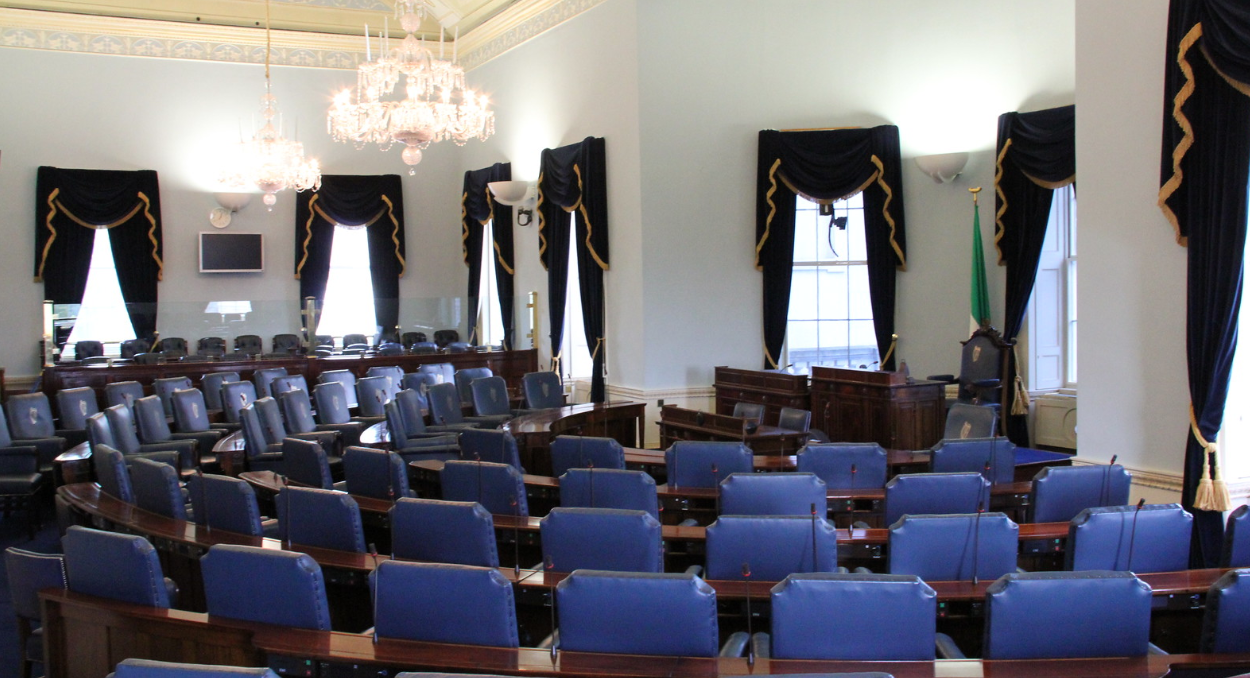
    Seanad Éireann. Photo: Eolas

    “I think the Travellers are very misunderstood in Ireland, we’re got Kildare Pavee Point trying its best to support us in everything from family planning to mental health, but we’re still not seen in society,” Sylvia said.

    “A representation in the Seanad would do wonders for us, to be seen on a very public platform with other members of the government, the government must respect travellers’ rights.”

    “This past year has been tough on us especially after cuts to primary care centres in Newbridge, so a bit of representation in the Seanad for our chosen representatives would be great so that our concerns over issues such as mental health and education are heard and respected,” Walsh continued. “This new government coming in, whether it’s Sinn Fein or Fianna Fail or whoever, they need to step up and hear us out.”

    Read the full Seanad Public Consultation Committee Report on Travellers Towards a More Equitable Ireland here.

  • Joanne Cantwell on the future of women in sports

    Joanne Cantwell on the future of women in sports

    RTÉ presenter Joanne Cantwell talks to thecity.ie about her experience of being a female sports presenter in today’s climate. With the new 20×20 campaign shaping a new narrative for women in sports, is sexism still prevailing in an industry predominantly run by men?

  • 26th Anniversary of National Coming Out Day

    26th Anniversary of National Coming Out Day

    Rainbow Flag

    October 11th marks the 26th anniversary of National Coming Out Day (NCOD), a globally recognised civil rights initiative aiming to help people open up about their sexuality.

    A number of public figures in Ireland have supported the campaign, including gay rights activist Rory O’Neill, better known as Panti Bliss.

    “Coming out is the single most important thing that any gay person can do to advance equality for gay people,” Rory says.

    “Ireland has made huge strides in the acceptance of LGBT people in the last thirty years and that’s because gay people came out and started living their lives openly,” he said. “It’s very much harder to hold on to prejudice against LGBT people when you actually know them, when they are your brother, your neighbour, your friend, your doctor, your mechanic or your co-worker.”

    In the past few years, more public figures and celebrities have been embracing their sexuality and publicly coming out as members of the LGBT community. Mr O’Neill believes this is important for increasing visibility of gay and lesbian people.

    “The increased visibility of open, happy gay people, comfortable in their own skin and without shame, has arguably been the most important and effective change in the campaign for equality, and public figures play a big role in that,” he said.

    “When I was growing up in a small town in 70s Ireland there were no gay role models. I wasn’t even sure gay people really existed outside of schoolyard jokes! Turning on the TV and seeing Brendan Courtney being normal and happy and not the butt of jokes would have been immense for me then.”

    Natasha Twamley (21), a member of Dundalk Outcomers, agrees on the significance of LGBT members in the public eye.

    “A lot of celebrities are role models for young people and if they can confidently come out and say who they are, it shows young people that regardless of whether they are gay, bisexual, lesbian or transsexual, it’s nothing to be ashamed of and they are not on their own,” she says.

    Tasha came out when she was 16 yet it came as little surprise to her friends and family; “They weren’t shocked at all. When I finally told my mother, she said ‘you’re still my daughter and it’s no big deal, if you’re happy then I am happy.’”

    For Ms Twamley, coming out was a big weight lifted off her shoulders and family members such of her father were proud of her for doing so.

    “I would recommend anyone coming out to do it face to face,” she says, “and having support groups behind you can help greatly.”