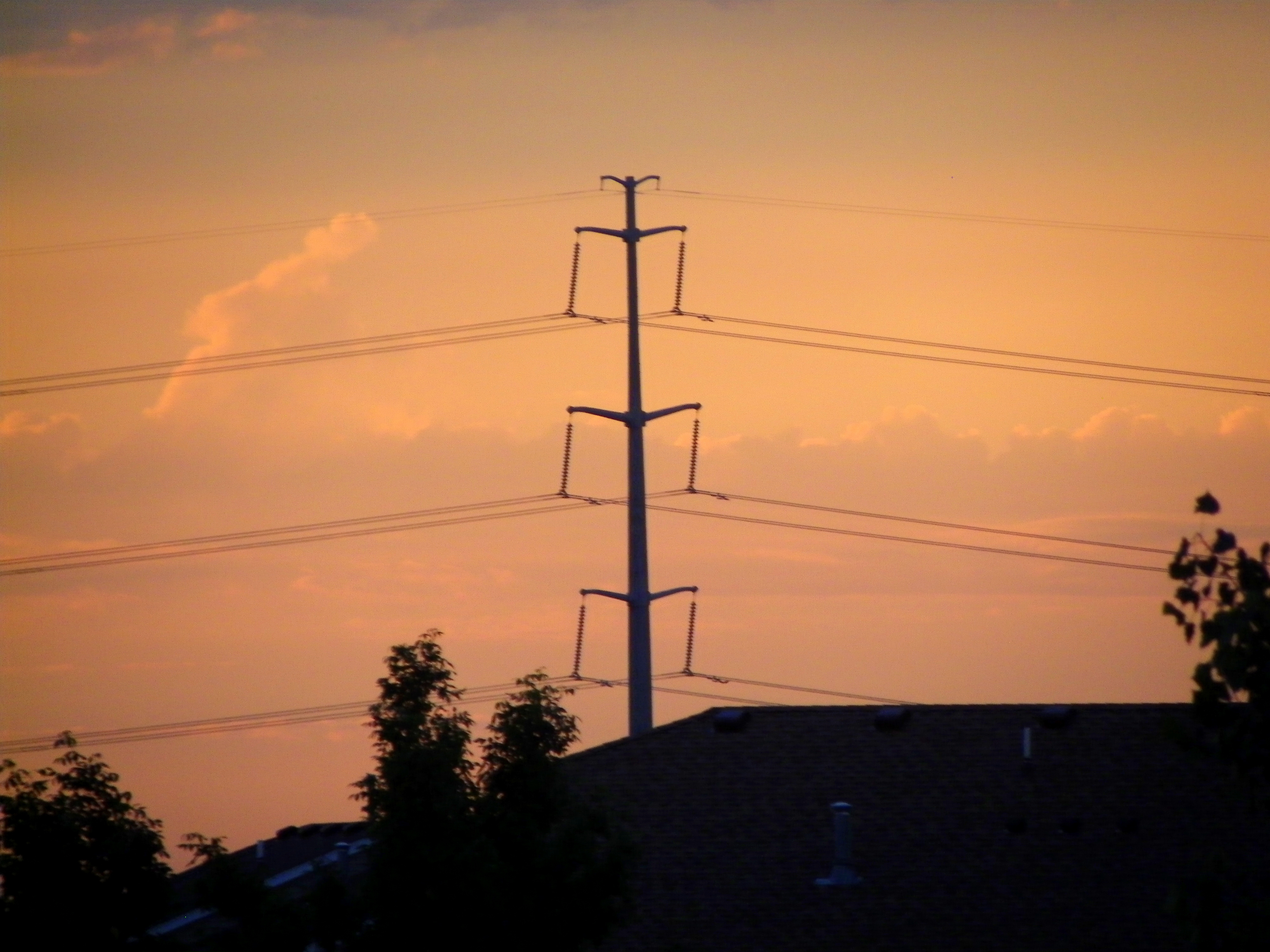
The threatened ESB strike that was scheduled to happen on December 16th has been called off.
A deal was struck between ESB management and unions on Sunday resulting in the withdrawal of threatened strike action. The strike was called due to a €1.6 billion hole in the company pension fund.

While this is great news for everyone involved it does raise the question, did they have the right to strike in the first place?
On the surface the answer is yes, of course they have the right to strike as any worker does. It is a basic right of the workers in this country. However, if you look at the bigger picture, the ramifications of such action would be devastating for the public.
A survey conducted by the Journal.ie showed that the proposed strike didn’t sit well with the Irish public with 37% of people saying that they didn’t support the ESB workers. A further 22% said they would support them if the strike didn’t lead to power outages.
That is the major problem with their strike threat. If they went on strike it would surely lead to nationwide power outages, if that wasn’t to happen then the strike threat wouldn’t be taken seriously.
If the strike had gone ahead, all power generated by the ESB would have been off grid when the action kicked in. This would have led to power outages in homes and businesses across the country.
While some people may say that the workers have a right to strike, it can equally be argued that the public have a right to basic living standards such as electricity and heating, especially during winter.
A lot has been written about how the people should stand behind the ESB workers and show support for “the little guy” against the big companies that pay them, but what about the public? If the power went out how many would be without heating? With temperatures set to fall again it would be very hard to support the workers if the people had no heating, no means of cooking food, no means of storing food or even hot water.
There are many people around the country, particularly in rural areas, that have dialysis machines at home or other electronic medical devices that would no longer work were the power to go out. What about these people?
The question isn’t ‘do the workers have a right to strike?’, it is ‘does the public deserve to be denied that which we pay for?’ In Ireland we pay 6% above the EU average for electricity, not a huge difference but enough. The average salary of an ESB worker is €85,000 per year.

How many of us can say we earn that much, and we are supposed to support them?
This entire debate was, to me, ridiculous. How can I be expected to support a strike when they would be depriving me of heating, electricity, means for cooking and heating water? Their annual salary is almost four times my own and they’re “the little guy”?
Don’t make me laugh.

You must be logged in to post a comment.