
Tag: international

  • Hope for thousands following major breakthrough in treatment for cruel disease  

    Hope for thousands following major breakthrough in treatment for cruel disease  

    By Edward Ryan 

    A team of researchers has successfully treated Huntington’s Disease for the first time.  

    The news has been described as “a game changer” by the Huntington’s Disease Association of Ireland.

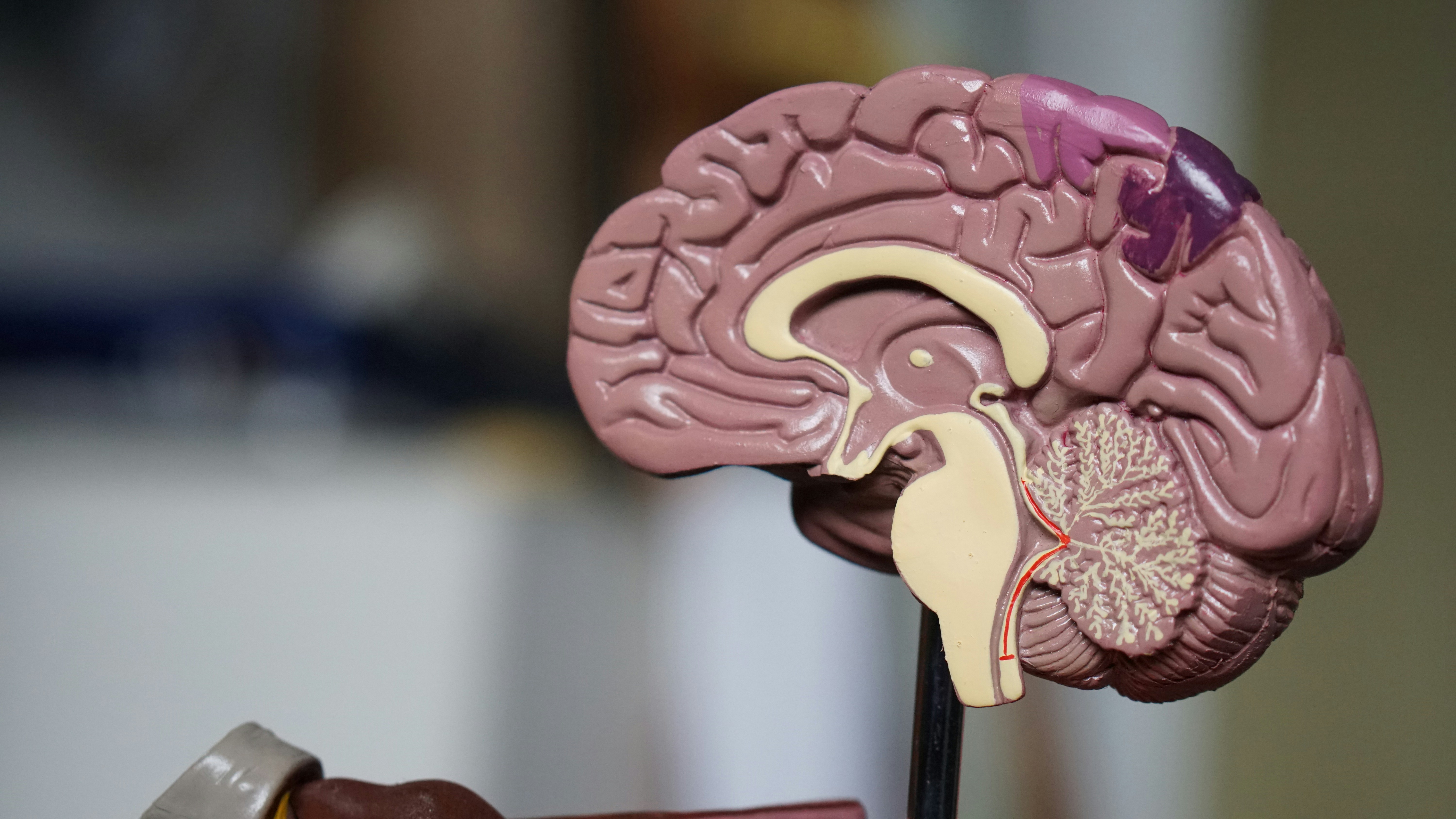
    Huntington’s is a degenerative disease that kills nerve cells in the brain and has been described as a combination of dementia, motor neuron disease, and Parkinson’s.  

    It is a very rare condition that affects thousands of people worldwide.  

    But on September 24th, biomedical company uniQure announced that it had successfully treated Huntington’s in a major clinical trial.  

    Huntington’s explained

    Huntington’s is caused by a change in genes and is hereditary, passing from a parent to their children.  

    It is caused by a mutation in the HTT gene. This gene makes a protein called huntingin, which helps with the function of the nerves.  

    Huntington’s Disease restricts the DNA’s ability to produce huntingin, which causes the proteins to grow abnormally and destroy the nerves rather than help them.  

    This decay occurs in the area of the brain that affects movement and can also target the brain cortex, causing cognitive and behavioural issues.  

    Huntington’s is an inherited disease. If one of your parents has Huntington’s, then the likelihood of you developing the disease is around 50%.  

    Symptoms of the disease often begin to appear in people in their late thirties, with the average lifespan after first symptoms ranging from 10-30 years.  

    The treatment 

    The trial involved a gene therapy called AMT-130 which was administered to patients during brain surgery.  

    AMT-130 contained a virus carrying a micro-RNA that was designed to target the  huntingin gene. 

    It was administered as a one-off during complex brain surgery that lasted anywhere from 12 to 18 hours. 

    The results of the study were astounding.  

    It showed a 75% slowing of disease progression in patients who received a high dose of the treatment after 36 months.  

    The study also found that there were no new drug-related serious adverse effects observed between December 2022 and the end of June 2025.  

    This major breakthrough will bring relief to people who have the gene for Huntington’s and there is hope that early treatment may prevent the emergence of symptoms completely.  

    In a statement announcing the news on Wednesday, Walid Abi-Saab, M.D., the Chief Medical Officer at uniQure said, “We are incredibly excited to about these topline results and what they may represent for individuals and families affected by Huntington’s disease.

    “These findings reinforce our conviction that AMT-130 has the potential to fundamentally transform the treatment landscape for Huntington’s disease, while also providing important evidence supporting one-time, precision delivered gene therapies for the treatment of neurological disorders.”  

    “It’s a game changer” 

    Patricia Towey is the Service Manager with the Huntington’s Disease Association of Ireland . She was delighted with this announcement. 

    “It’s really exciting news for so many families that are really struggling with this devastating neurodegenerative disease, you know, so this news is very exciting.” 

    She added,It’s the first time that the course of the disease has stopped by up to 75% for the people that have been treated. It’s three years of data and, yeah, it’s really a game changer in so many ways.” 

    Who is uniQure? 

    uniQure is a gene therapy company with teams of researchers based across the Netherlands, the UK, and the US. 

    They have an extensive track record in gene therapy and developed the first approved human gene therapy in the western world. 

    They also have worked on treatments for Haemophilia B throughout the years. 

    The study on AMT-130 has taken many years, but there is still a ways to go before the treatment is available to the public. 

    uniQure is aiming to have the treatment available in the US some time in 2026, but costs for the treatment are expected to be very high. 

    Meanwhile, shares in uniQure jumped over 200% across various markets in the hours following the announcement. 
  • Berliners give a last salute to their beloved airport

    Berliners give a last salute to their beloved airport

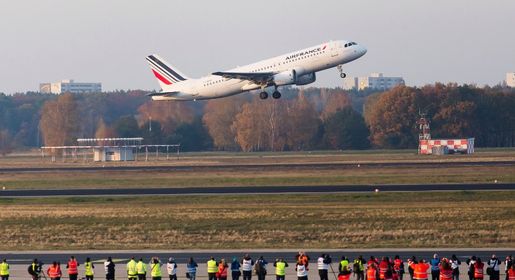
    The famous Tegel Airport (TXL) closed its doors on Sunday the 8th of October with the last direct flight to Paris. Abderrahmen Ben Chouchane talked to locals about what the airport meant to them.

    Overview of the hexagon shaped Airport Tegel.Photo by mariohagen from Pixabay.

    The last take-off of Air France flight AF 1235 left Berlin on Sunday the 8th of October  and thousands of residents gathered to admire it, including Berlin governing mayor Michael Muller.

    “I’ll say it quite clearly, it’s a day when the hearts of many people are bleeding,” Michael Muller told news agency DPA. “For us Berliners, Tegel was the gateway to the world during the long Cold War decades when West Berlin was a democratic exclave inside the communist German Democratic Republic, surrounded by the Berlin Wall.”

    With the closure of Tempelhof Airport in 2008 and now that of Tegel, a dark period in German history also ends. For many Berliners, the closure of the airport provoked distress, anger and some joy and a well-deserved peace.

    Ricarda grew up and lives in Berlin and associates Tegel airport with many memories of her youth. “I grew up in West-Berlin and Tegel was the only airport a lot of celebrities would arrive at,” she said. “It’s very accessible too, so whenever we had big events in West-Berlin, we knew we would come across one or two stars.”

    The closure took place a week after the opening of the extended terminals 1-2 of the infamous Schönefeld airport (BER) in Brandenburg located in the south-east of the German capital.

    Stephan Ude, a 58-year-old German resident in Brandenburg, said: “Tegel Airport is only 20 minutes away by car from my home and when landing sometimes I see the region where I’m living so it really feels like coming home – but now we have to travel through the whole city of Berlin for more than one hour.”

    The capacity of the airport was designed to have around 2 million passengers per year and recently, prior to the pandemic, numbers surpassed the 2 million, giving Tegel a reputation of delays and lost luggage.

    “The last few years when more and more people started flying from Tegel it was over capacity,” said Stephan. “But it was like the chaos of Berlin; a lovely chaos.”

    According to a referendum held in Berlin in 2012, most voted for Tegel to stay open but due to plans from the governor to open an extension in BER they decided to close TXL.

    “The decision has been taken by people who have  never even lived in Berlin long enough to understand the piece of history this airport means for Berlin,” Ricarda said. “Berlin is big enough to have two airports – Tegel in the North-West and Schönefeld (BER) at the South-East.

    “So here we are in the Capital of Germany without our own airport anymore. I am also upset about politicians completely ignoring what the people want.”

    The airport was only 10km away from the city centre, so for many it was a fast way to catch a flight – but for others the loud noises and the excessive pollution were extremely tiresome.

    Albert, a 26-year-old art student and climate change activist said: “Residents around Tegel can finally take a deep breath as aircraft pollution and noise pollution are finally over. 

    Flying is extremely damaging to the climate and I do not recommend it as a lot of greener options are available. In summertime late arrivals keep me awake all night and sometimes if I am hanging out at the park with my friends it is really hard to hear each other from the noise.”

    Albert and Ricarda declined to give their surnames for this article.

  • ‘Instead of focusing on war, there’s now something fun for our youngsters to think of’ – the rise of Afghan cricket against the odds

    ‘Instead of focusing on war, there’s now something fun for our youngsters to think of’ – the rise of Afghan cricket against the odds

    Afghan reporter Diva Patang poses for a photo at the 2019 Cricket World Cup. Photo: Diva Patang

    By Cameron Weymes

    Despite enduring over 40 years of conflict, Afghanistan is currently ranked seventh in the world in T20 cricket.

    Cricket has only become popular in Afghanistan since the 1990s, when Afghan refugees played the sport while living in Pakistan.

    The Afghan team qualified for their first Cricket World Cup in 2015 and beat Ireland to qualify for the 2019 tournament.

    The team has also beaten established cricketing nations such as Bangladesh, Sri Lanka and the West Indies in one-day internationals.

    The effect of the team’s success on people back home has been massive.

    Cricket in one of Kabul’s parks. Photo: Cameron Weymes

    “Instead of focusing on the problems in the country such as war there’s now something fun for our youngsters to think of,” said Diva Patang, a reporter for the Afghan news station RTA.

    “Children now have role models that are examples for themselves. When you ask youngsters in Afghanistan who they want to be when they grow up, most will say one of the international players such as Rashid Khan or Mujeeb Ur Rahman,” she added.

    The Afghan constitution states that the country is home to 14 ethnic groups, the main ones being Pashtun, Tajik, Hazara and Uzbek.

    According to Diva, when the cricket team is playing the whole country is behind them, regardless of ethnicity.

    “Everyone supports them. President Ashraf Ghani even cites the cricket team as an example of Afghans being able to work together.”

    “All over the country you’ll find children playing cricket at school and on the streets,” she said.

    Street cricket in Kabul. Photo: Cameron Weymes

    The recent Afghan presidential election saw a turnout of less than 25% and took five months to declare a winner. 

    In addition, the Afghan government has been sidelined from the peace talks between the US and the Taliban, which resulted in agreement in late February.

    For the Afghan people, fatigued by war and politics, cricket is a welcome break.

    “If you tweet something about Afghan politics and something about Afghan cricket, you will see the difference in interest levels among the people,” said Diva.

    “For Afghans cricket means a lot. If there is something wrong with the cricket, they take it personally. There will be anger and demonstrations.”

    “There’s interest in other sports in Afghanistan, but cricket is number one,” she added. 

    Irish rivalry

    Afghanistan will play Ireland in India in a three-part T20 international starting on March 6, 2020 at the Greater Noida Sports Complex Ground, India.

    The teams are very familiar with one another having played 26 times at one-day internationals, winning 13 each. 

    However, it has been more one-sided at T20, with Afghanistan winning 12 of 15 encounters between the two.

    “Lately Afghanistan has been very successful against Ireland. The Afghan team has become very familiar with the Irish team and their tactics so I think Afghanistan is in a good position,” said Diva.

    “Our team has spent a lot of time in India and familiarised themselves with the hot weather. Speaking to the players myself, they say they are very keen and I think it will be a good match to watch,” she concluded.

    Flying kites during Newroz celebrations in Kabul. Photo: Cameron Weymes
  • Reilly ready for second test in Hurling/Shinty International Series

    Reilly ready for second test in Hurling/Shinty International Series

    Laois Goalkeeper Eoin Reilly in action during the All-Ireland Senior Championship. Picture credit: Diarmuid Greene/SPORTSFILE
    Laois Goalkeeper Eoin Reilly in action during the All-Ireland Senior Championship. Photo: Diarmuid Greene/SPORTSFILE

    Scotland shocked Ireland with a 3-14 to 2-8 win in the first test of the Senior Hurling/Shinty International Series this weekend. However, the Irish team have won the series for the past four years in a row and remain hopeful ahead of the second test. Goalkeeper Eoin Reilly talks to The City’s Áine Hennessy about this minority sport and what it involves.

    “I got involved in hurling/shinty when I was 19 years old back in 2009. I was selected as first-choice goalkeeper for the Irish U21 team ahead of three others from across the country,” he said.

    The Laois native is representing Ireland for his sixth year running in the International Series, a game which combines hurling with the traditional Scottish sport of shinty.

    The 24 year old, who is the current senior hurling goalkeeper for Laois, explains the basic rules of hurling/shinty.

    “The main difference between hurling and shinty is that you can’t catch or kick the ball. A player usually scores goals only, but the International Series uses a scoring system consisting of both goals and points.

    “We use hurls and the Scottish boys use shinty sticks. Their game is very skillful on the ground, whereas hurling is more skillful with high balls,” he said.

    The International Series is played on a home and away basis. The Irish team travelled to Scotland on Friday October 17, where they had a training session that day, followed by the game in Bught Park in Inverness on Saturday October 18 which was aired live on TG4.

    Eoin said that it was a great honour to play for his country, and is hopeful that Ireland will win their home game in Newry on October 25.

    “We have a strong team this year and all the lads are very skillful. The Scottish boys take it very seriously too. We’ve won it (the International Series) the past four years in a row but it has always been very close.

    Shinty sticks pictured on the sidelines. Picture credit: Damien Eagers/SPORTSFILE
    Shinty sticks pictured on the sidelines. Photo: Damien Eagers/SPORTSFILE

    “It’s not often that you get to play for Ireland, so it’s a great honour. The series is a date in my calendar that I look forward to every year,” he added.

    The Hurling/Shinty International Series gets little publicity in comparison to the Australian Rules Series. Eoin says the reason for this is probably centred around a lack of funding.

    “Shinty is a minority sport in Scotland. It’s only played in the Highlands. Aussie Rules on the other hand is a professional sport in Australia, so the funding for it is incredible.

    “As well as that the Irish Aussie Rules team is made up of an All-Star selection. In hurling/shinty, the team is made up of players from the so-called weaker hurling counties. Only a few players would come from the likes of Cork, Clare, Kilkenny and Tipperary,” he said,

    Around 2,000 spectators attended the first test of last year’s series in Scotland, a big crowd for shinty supporters in Scotland, and up to 3,000 attended the second test in Croke Park before last year’s Aussie Rules game.

    This year’s return game will take place in Newry on October 25 and will also be shown live on TG4. It kicks off at 5pm.