Tag: investigation

  • Animal testing statistics in Ireland unreleased for 2019

    Animal testing statistics in Ireland unreleased for 2019

    Animal testing statistics for 2019 have yet to be released by the Health Products Regulatory Authority (HPRA). Amber Baxter explores what this means.

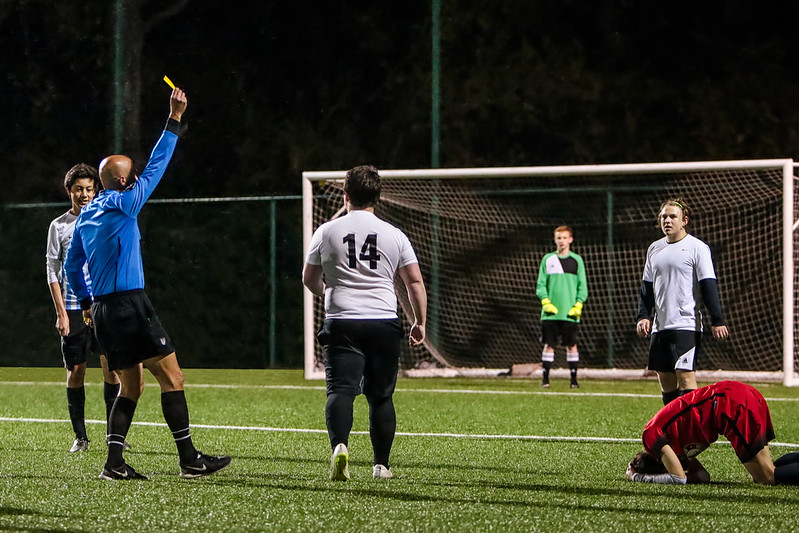
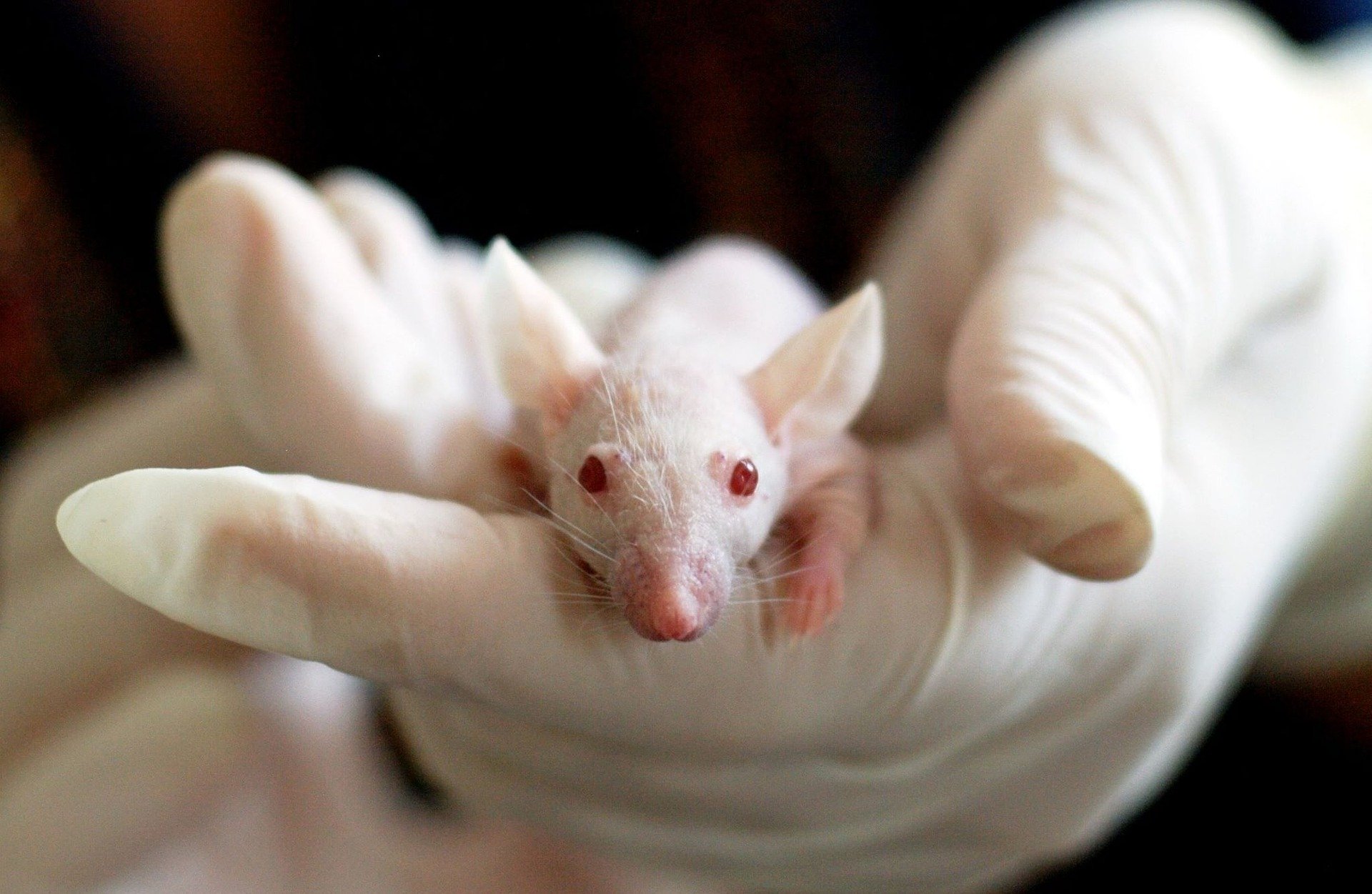
    Picture taken by Tibor Janosi Mozes courtesy of Pixabay

    The Health Products Regulatory Authority (HPRA) is the state agency responsible for regulating human and veterinary medicines, medical devices and other health products. From 1 January 2013, an EU Directive to protect animals used for scientific purposes came into effect in Ireland. In January 2013, the HPRA became the competent authority responsible for the Directive’s implementation. The HPRA has been publishing statistical data on animals used from 2013 onwards.

    The latest statistics released by the HPRA are for 2018 and previous years. It is unclear why the 2019 statistics have not yet been released, Dr Dan Lyons, CEO of Centre for Animals & Social Justice and public policy consultant for Irish Anti-Vivisection Society said “normally 2019 statistics should be out by now”.

    According to the HPRA statistics, in 2018, there were a total of 199,800 uses of animals for procedures, with reuse representing less than 1% of this number. Mice were the most commonly used animal with 75% of the total animal use.

    “This figure may well go up again for 2019 and 2020 because it just depends on how many botulinum toxin [Botox] producers there are in Ireland and how much they are producing each batch is tested on mice using a version of the Lethal Dose 50% test – one of the most severe,” said Lyons.

    One botox producer in Ireland is Allergan. Allergan operates out of Westport Co. Mayo which has been referred to as the ‘botox capital of the world’. Dr Lyons said, “They [Allergan] might be using less animals as they have developed a non-animal alternative for some of their testing. Ipsen is another one. There are probably others but the HPRA won’t say exactly who they are, but you can work it out from whichever companies are in this sector and producing in Ireland.” 

    Of the total number of uses of animals in procedures (199,800), 72% were used for regulatory purposes, which refers to legal requirements to test the safety, quality and potency of medicines for example biological medicines such as vaccines. Out of the total testing, 9,814 involved genetically altered animals, which represents 5% of all animal use.

    According to the HPRA the most common reported actual severity experienced by the animals during their uses in procedures was ‘mild’, at 55%, followed by ‘moderate’, at 27%.

    In 2017, there were a total of 242,302 uses of animals for procedures, with reuse representing less than 1% of that number. Mice were the most used animal this year with 85% of the total animal use.

    Of the total number of uses of animals in procedures (242,302), some 194,816 (80%) were used for biological purposes such as vaccines. Of the total number of uses of animals in procedures (242,302), 7,496 involved genetically altered animals, which represents 3% of all animal use.

    Between 2017 and 2018, there was a decrease of approximately 42,500 in the testing. This was “largely due to a reduction in regulatory testing (-approx 51000)”, said Lyons. These statistics refer largely to testing for ‘Botox’ or similar products, many of which are used for cosmetic purposes despite the ban on animal testing for cosmetic products. 

    “The Govt and HPRA don’t have any strategy or intention to achieve sustained reduction in animal testing and associated animal suffering – they are led by the nose by biotech industry. However, ‘Translational and applied research’ has increased by about 8500 experiments. Much of this is down to increases in the category of research called ‘animal welfare’. In reality this is more about research into farm animal productivity than animal welfare as such.”

    The HPRA works off the ‘Three R’s’: replacement, refinement, and reduction. Replacement involves the development and use of technologies that can be used to address important scientific questions without the use of animals. Reduction refers to methods that minimise the number of animals used per project. Refinement means that the animals used are provided with the best possible care and that suffering is reduced to an absolute minimum. 

     According to the HPRA they “aim to improve the welfare of animals used for scientific purposes and to promote the principles of the 3Rs. Every application received for a project involving animals is subject to a detailed evaluation process based on the 3Rs and requires scientific justification for the research techniques being applied. The likely impact on the animals must be minimised as far as possible by applying refinements and any harms experienced by the animals must be outweighed by the expected benefits of the work,

    “The HPRA considers whether alternative (non-animal) methods are available or appropriate, as alternatives to the use of live animals must be used where possible. In fulfilment of the HPRA’s mandate to promote the 3Rs, in 2018 the HPRA continued its efforts to enhance awareness and utilisation of non-animal alternatives as well as refinements in the conduct of scientific studies in animals through its work, including the regular dissemination of pertinent information to the regulated sector”.
  • Visible litter only means of tracking nitrous oxide use

    Visible litter only means of tracking nitrous oxide use

    The popularity of the use of the drug is measured by the amount of visible drug-related litter left behind. Rebecca Daly investigates this and the problem as a whole.

    The popularity of the use of nitrous oxide is measured by drug-related litter

    The popularity of the use of nitrous oxide as a drug is measured by the amount of visible drug-related litter left behind, the National Planning Specialist department of the HSE has revealed.  

    A Freedom of Information request to the HSE asked for a timeline of the popularity of the use of nitrous oxide. It said, “On review of the Irish situation, reports from community services indicate that nitrous oxide use began emerging in some Dublin communities over the last 18 months to two year period based on visible drug-related litter.”

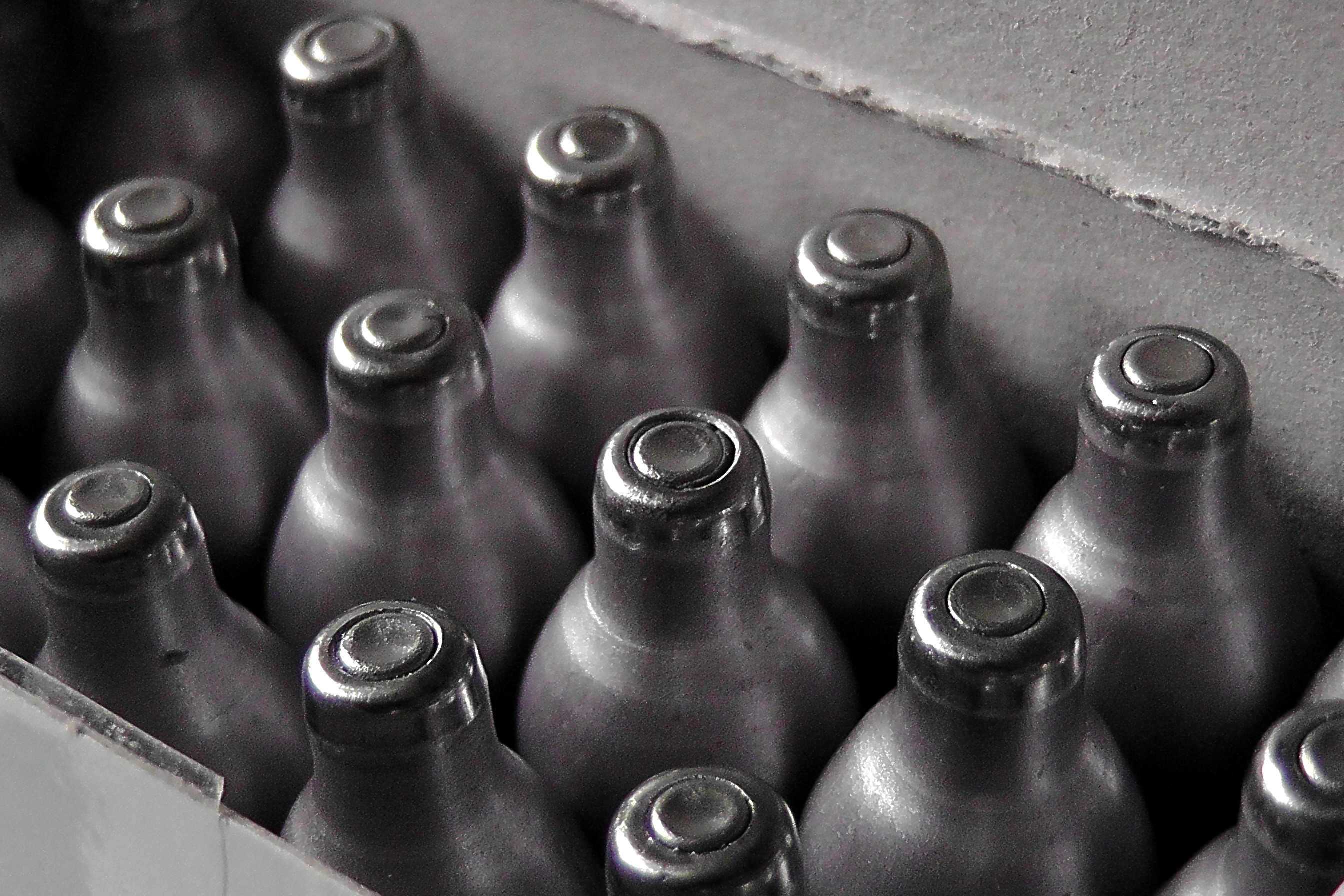
    In this case, “visible drug-related litter” means small cylindrical canisters or “whippets” used to charge whipped cream dispensers. These whippets are placed into a dispenser to fill a balloon that users can then inhale. 

    A follow-up question about this confirmed that at the moment, the only way the popularity of the use of the drug is measured in Ireland is by the visible litter left behind. 

    A spokesperson from the HSE National Social Inclusion Office said, “At present, nitrous oxide is not represented in traditional data sets such as in the general population survey, treatment data or the national drug-related death index.”

    Drug use behaviour data is usually captured at a national level by the Health Research Board, who conduct general population surveys, collate treatment figures, and gather publications on drug-related deaths. 

    The HSE is also presented with information on emerging trends from hospital presentations, stakeholders, and services. However, in terms of nitrous oxide use in Ireland, community services highlighting visible drug litter is the only method of reporting this issue. 

    “Nitrous oxide prevalence has developed at a slower pace in Ireland compared to European counterparts, who report use over a longer period of time,” the spokesperson said. 

    This method of tracking the popularity of the drug could mean that many issues relating to it could go under the radar – if whippet users correctly dispose of their litter instead of leaving it lying around streets and in parks. 

    Fianna Fáil councilor Shane Moynihan said that the use of nitrous oxide as a drug is a “sleeping issue” in his local electorate area of Palmerstown-Fonthill. 

    As a result of people being confined to their 5km during the first lockdown, the issue came to a head as whippets could be seen discarded in parks and residential areas. 

    “That brought it into focus for people. First of all, asking what they were and obviously people were able to find out effectively that it’s drug taking but also then the dangers inherent to them,” Moynihan said. 

    Whippets are used in catering and because of this, they are easily purchased online by anyone who comes across them. Moynihan said, “There are dealers that are buying bulk packets of these online because they can and masquerading as catering companies and then they’re dealing them out at massive markup.”

    In relation to how the popularity of this drug is traced, Moynihan said, “The issue at hand is because they are legal for use in catering and stuff like that, it’s very difficult. I struggle to think of how else you would track it.” 

    Monitoring the sale of whippets through online platforms is perhaps the only viable way to prevent them from being used for non-legitimate reasons. Without a system to ensure that only catering companies or those who genuinely need to use nitrous oxide can buy them, this is not an easy thing to do. 

    “Unless you’re capturing how much is being bought online, which is pretty difficult, looking at the remnants is probably the best way to do it because you know in those cases that it’s being used for the purpose that they’re not designed for i.e drug-taking,” he said. 

    Sinn Féin TD Mark Ward for Dublin Mid-West agreed with the difficulty posed by this issue and said, “That’s the only way they can trace at the moment because there hasn’t been legislation brought in that can track the nitrous oxide coming into the country.”

    In order to combat people buying whippets for non-legitimate reasons, Ward suggested having registration numbers connected with each box of whippets or shipping of them, as there needs to be “some sort of traceability”.

    “If those canisters are found strewn around the streets, they could be traced back to the supplier that they were meant to come in from. Then there would be cumulative measures taken from that stage,” Ward said. 

  • How much does sports contribute to the high COVID case numbers?

    How much does sports contribute to the high COVID case numbers?

    All local sports clubs and gyms are completely closed now, taking away a necessary outlet for exercise and mental health from many nationwide.  Conn McGillion investigates whether sports activities were spreading the Covid-19 virus.

    Photo taken by TLC Photography. Sourced from Flickr.

    From June to August, there have been only fourteen positive cases reported nationwide across all sports clubs within GAA, rugby and football, according to documents received by the HSE in accordance with the FOI (Freedom of Information) act. According to the documents, under five of these cases were reported from within Dublin, and the other nine cases were scattered around the rest of the country. These cases came after all sports clubs had restrictions lifted in June to train in a controlled environment.

    Prior to the second lockdown, diagnosed cases were at an all time high. 1000+ case daily have become the norm from August to September. Only fourteen cases nationwide across three months is indicative that sports clubs, and gyms, are not a primary spreader at all in comparison to the likes of restaurants and factories. In fact, many of those cases come from one isolated incident.

    An example of this would be in the GAA. Claughan United in Limerick had tested a player positive in mid-August, and the safety precautions were immediately taken. The player, who was asymptomatic, was instantly placed in quarantine, along with the entire club and the local rugby club, Shannon RFC. Claughan released a statement at the time, suspending all club activities indefinitely, after careful consideration was given to correct procedures regarding self-isolation and efficient testing.  

    The majority of the cases came from a club in Clare, Cratloe. Cratloe had six players who tested positive for Covid on the 7th of August. While they quarantined those initial positive cases on the day, they initially continued their activities – as the virus began to spread, they were forced to abruptly put a stop to their training. 

    While cases such as these are reckless, they are not indicative of how the majority of sports clubs react – many of the sports clubs are happy to abide by the government guidelines, and adhere to them properly. Sports-related case numbers are not comparable to large outbreaks in the likes of meat factories and pubs. 

    The Health Protection Surveillance Centre (HPSC) has recorded 2,736 outbreaks in other settings such as nursing homes, workplaces and private houses. It is also reported 1,500 cases alone were reported from meat factories. Clusters, which involve more than one outbreak case, are commonplace in these more social areas.

  • DIT’s maintenance bill triples in last three years

    DIT’s maintenance bill triples in last three years

    Dublin Institute of Technology’s (DIT) maintenance bill has inflated to over three times that of what it was three years ago, The City has learned.

    DIT’s maintenance bill has been steadily rising year after year over the last ten years, for the most part. With the 2015 bill at €1 million, followed by €2 million in 2016, then up to €2.3 million in 2017, the maintenance bill finally reached upwards of €3.3 million in 2018.

    “The 2018 [maintenance] budget includes a provision for refurbishments relating to the relocation from Rathmines Road to the 5th Floor, Park House (circa €1,000,000)” said Lisa Saputo, a spokesperson for DIT.


    Screen Shot 2018-11-30 at 21.37.57.png
    DIT’s budget for cleaning and maintenance over the last ten years

    Despite the rising costs of upkeep in the college, the cleaning bill has been going down with €2.4 million spent in 2008 and €1.9 million in 2018. There have been fluctuations on the cleaning bill from year to year but overall it has been declining.

    DIT say the reduction of the cost of cleaning is down to the centralisation of their budget in 2010. DIT spokesperson Lisa Saputo said: “Centralisation, combined with an improved tendering process, reduced cleaning costs in DIT by 10% without a reduction of service levels in the ten-year period from 2008 to 2018. To facilitate the transition to the fully centralised model, a small specific budget allocation was provided to some campuses.”

    Bolton Street campus had a costly year in 2008, with €590,000 spent on cleaning and €389,000 spent on maintenance, amounting to a bill of €980,000.

    Grangegorman’s maintenance costs have gone up considerably in the last few years despite being a new campus. In 2015, DIT spent €24,000 on maintenance, in 2016 it was €57,000, in 2017 it was over €111,000 and then €168,000 in 2018.

    There was considerable fluctuation in the overall budget of maintenance in the years from 2013 to 2018. The 2013 bill was €1.1 million which went up to €2.3 million in 2014, then back down to €1 million in 2015 and up to €2 million in 2016. It subsequently rose again to €2.3 million in 2017, and finally up to a whopping €3.3 million in 2018.