Tag: irish business

  • The business of coffee 

    The business of coffee 

    There are no cheap shots when it comes to the price of coffee  

    The business of coffee, like any other business, has its up and downs. However, the cost of coffee in the last few years is showing an upward trend.  

    Statistics released by the Central Statistics Office show that coffee prices in Ireland will have risen by 10.6% by the beginning of November 2025. This is also in line with a general increase of the overall Consumer Price Index (CPI), which has increased by 2.9%.  

    Internationally, coffee prices have risen by 109% globally, and this is just in the past year. In the past five years there has been an increase of 145%, which is a very high jump from previous years. This has to do with the type of coffee beans being used, the most popular coffee bean being Arabica.  

    Stephen Kennedy, a café owner in Dublin has been involved in the business of coffee for ten years. “It is challenging. Coffee prices have risen by about 40% in the last three years,” said Kennedy. “There are several reasons for this. Firstly, the demand for coffee is increasing. There are issues around the supply chain because of weather events like floods and droughts, which result in crop damage, all of which contribute to the higher cost of our coffee beans.” Milk has gone up by 65 %, packaging has increased by 40%, insurance has gone up by anywhere between 45% and 70%. The highest cost increase is in the price of a latte, and that is a 25% increase over the last 3 years. So, our cost base has increased by anything up to 70% but we can’t pass that on to the customer.  Businesses are absorbing the cost of the increases, and the only way to stay afloat in this sector is to get busier.” 

    The Central Statistics Office (CSO) released figures that show that dairy prices have soared since November 2024 with the national average price of two litres of full fat milk having gone up by 10c. As of November 2025, this has since shot up by a whopping 12.1%, or a total of 27c. This doesn’t seem like a lot but when running a business which buys in bulk supply, this is a significant increase.  

    Kennedy also said that rising electricity costs are another challenge to keeping the business going. “Prices increased by 200% because of the war in Ukraine. They have now fallen back to 122%. The minimum wage has also had an impact as it has increased by 4%.  Although I am in favour of improving pay and conditions for lower paid workers, the real question is affordability and how businesses meet those increased costs.” 

    According to IBEC, 84% of businesses surveyed were planning a pay increase in 2025, with a forecast average increase of 3.4%. In 2024, the average increase was 4.1%.  

     “We have pushed very hard for a reduction in the VAT rate which will come into operation in July 2026. But there are other factors like national minimum wage increase, pension auto enrolment, statutory sick pay, and additional bank charges which must be factored in.  These are all costs that businesses need to shoulder which make the business model very challenging and very tricky.  It’s a balancing act to make it work.”  

    So how to keep afloat and stay profitable with all these charges? 

    “Get busier, have an excellent product that people will return to, create a neighbourhood style café that is part of the community and be sensitive to the environment you are working in.” 
  • Packing plastic: The rise of zero-waste shopping

    Packing plastic: The rise of zero-waste shopping

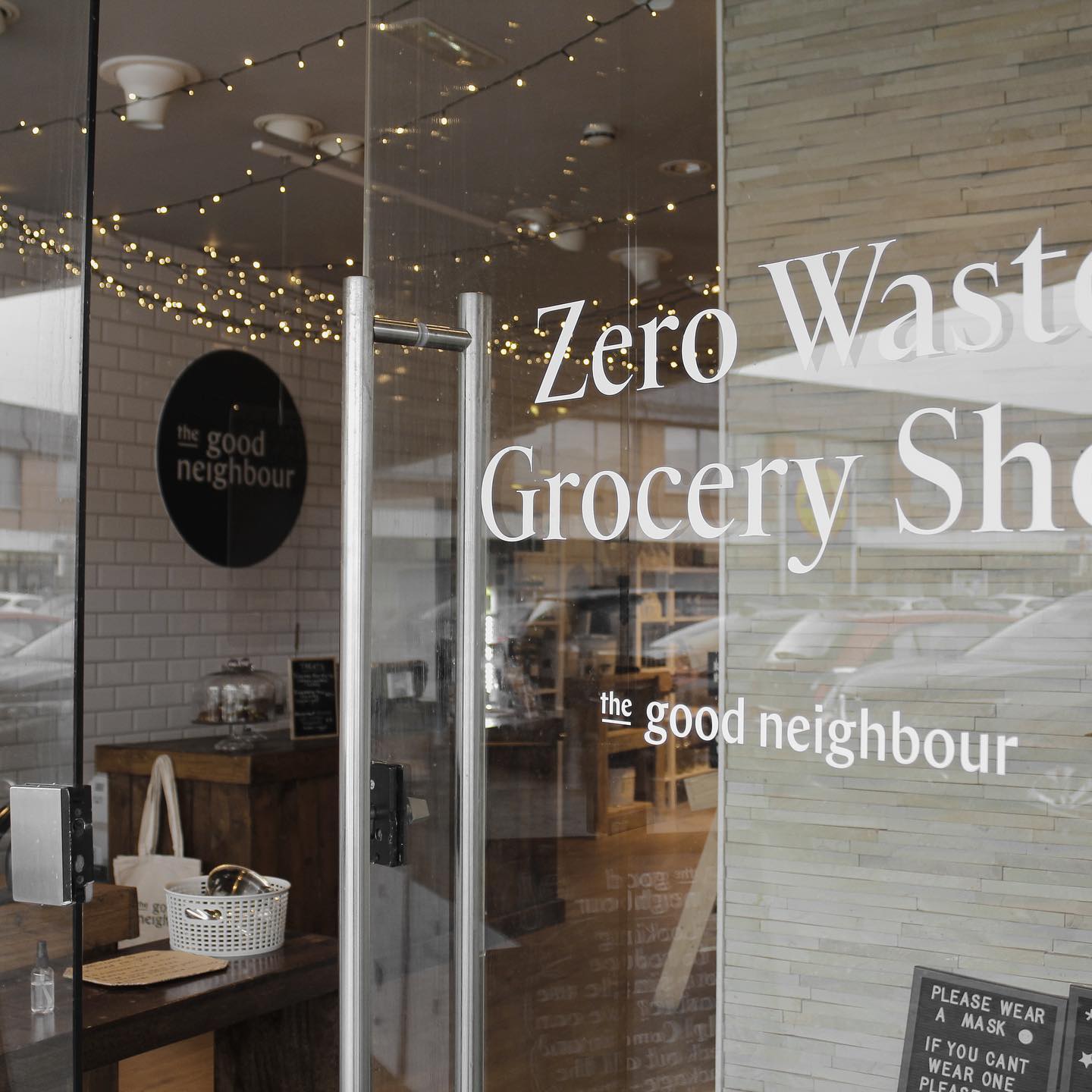
    Zero-waste shop, The Good Neighbour, in Dundrum . Image courtesy of The Good Neighbour

    Waste probably isn’t the first thing that comes to mind when you think of your local grocery store. 

    As you coast through its aisles, fixated on convenience and choice, the harsh reality is easy to forget – our weekly shopping runs are wasteful endeavours.

    The plastic packaging our food comes in is a nasty ecological sore. Thankfully, the solution is easy: come prepared with alternative/reusable packaging options.

    The Good Neighbour in Dundrum is one example of a business that is following the increasingly popular zero-waste model, designed to focus purely on reducing the amount of plastic waste.

    “The concept is simple – bring your own container, and we weigh it in-store and deduct the weight of your container, so you are only charged on whatever food you take home,” says Jess Dollinger, the owner of The Good Neighbour.

    The zero-waste shop initially opened its doors to the public in December 2019, which happened to be just four months before the Covid-19 pandemic hit.

    The interior of The Good Neighbour, with containers of rice and grains on display. Image courtesy of The Good Neighbour

    According to Dollinger, The Good Neighbour was forced to “pivot” in order to deal with the impact of the pandemic. 

    “We didn’t originally offer the option for customers to place orders, but we now offer orders for delivery and collection. Offering that service has really helped the business due to the high volumes of people quarantining,” Dollinger said.

    “We’ve also got a great community of customers who want to make sure the shop thrives, so we’ve been very lucky throughout the pandemic,” she continued.

    The shop offers over 300 bulk goods including grains, fruit and veg, spices, and several cleaning products – all package free.

    “Our mission is to be as organic and plastic-free as possible. At this point, around 60% of our products are organic, and we’re constantly working on increasing our organic offering to customers,” Dollinger stated.

    It’s “crucial for the industry”, says Dollinger, that her shop sells affordable products, as there’s a perception that choosing to live a zero-waste lifestyle is exorbitant for the everyday consumer.

    “I think that we’ll eventually see a zero-waste shop in every area of Dublin”

    Jess Dollinger

    The Good Neighbour works alongside multiple local growers and producers to stock as much Irish produce as possible.

    “Wherever possible we source locally. Unfortunately, a lot of things simply can’t be grown here, but where we can we purchase from local growers and suppliers.

    “We’ll continue to support local farmers and produce, particularly throughout the pandemic,” Dollinger says. In recent years, climate change awareness has increased, and consumer habits have shifted to reflect that.

    In Ireland, some companies are responding to that change with supermarkets taking action to reduce packaging and waste. Vegan and vegetarian sections have increased in size, and a lot of single-use coffee cups are now compostable.

    Now, more and more people are choosing to live a zero-waste lifestyle. 

    Currently, there are eight zero-waste shops open for business in Dublin alone. The majority of these shops opened within the last two years.

    “I stumbled across my first zero-waste [shop] when I was living in the UK. When I returned to Dublin, I noticed that several [zero-waste] shops began popping up across the city,” says Orla Browne, an environmental activist and frequent zero-waste customer.

    “Living a zero-waste lifestyle is becoming more fashionable than ever before”

    Orla Browne

    Although the attitudes towards an eco-friendly lifestyle for many has changed, Ireland still currently produces the highest volume of plastic waste per person in the EU at 57 kilos per capita, which is considerably more than the EU average of 33 kilos per capita.

    “Since returning home, I have noticed a change in attitude towards these issues, but you only must observe the stats to see how far behind we are in comparison to the rest of Europe.

    “To contribute to the greater good, embarking on a zero-waste lifestyle by reducing small amounts of plastic in your household is a start,” Browne added.

    However, Browne feels like we are still far off when it comes to acting on reducing plastic waste.

    “The stats show that Ireland is well behind when it comes to dealing with environmental issues. This is something we as a nation should be wary of.

    “I think people hesitate to go zero-waste because they are afraid that other [zero-waste] advocates will judge them if they don’t fully commit at all times.

    “However, it’s not true. I found encouragement and the will to try harder by surrounding myself with like-minded people,” says Browne.

    The zero-waste movement has arrived and the greater availability of this retail option to all Irish shoppers will allow it to become the norm.

  • Eco-friendly and Irish: Sustainable shopping for Green Week

    Eco-friendly and Irish: Sustainable shopping for Green Week

    Founder and owner of Christine’s Upcycling, Christine Tyndall reuses old clothes to create fashion forward trends

    Now is as good a time as any to support Irish-owned businesses who are doing their part to save the planet. These shops not only sell high-quality products, but are environmentally friendly too. Here are my top three sustainable Irish businesses to celebrate and support this Green Week.

    Christine’s Upcycling

    This small business was set up at home in Dublin by Christine Tyndall in June of 2020. Some of the main pieces that Tyndall upcycles are men’s button-down tops and jeans.

    With her sewing machine, she learned to rework these articles of clothing into crop tops, bags and scrunchies.

    Tyndall also creates reusable face masks, including ‘scrap masks’ which piece together different spare bits of fabric to create a fashionable new design. This allows for zero fabric to go to waste as all of the pieces are being reused and re-worn again.

    Upcycling has become a huge trend over the last year. The basis of it is that the fabric from old clothes gets repurposed into new and trendier pieces. Redesigning these preloved pieces of fabric is environmentally friendly because it reduces landfill waste and slows down the fast fashion movement, as typically these pieces are one of a kind and made to order. 

    This year it was discovered that Ireland has the highest volume of plastic produced per person in the EU

    Fast fashion has become a buzz word recently – we have seen fashion consumption grow by 40% between the years 1996 and 2012, and 63,000 tonnes of textiles are disposed in landfills across Ireland every year. The fashion industry alongside fast fashion consumerism currently accounts for 10% of greenhouse gas emissions, which leads to issues relating to global warming and climate change.

    Supporting slow fashion brands and upcycling businesses, like Christine’s Upcycling, can reduce the amount of landfill waste and the greenhouse gases being released into the air.

    GROWN

    Begun in 2014, GROWN is a Dublin based brand and creates a range of products including clothing, reusable water bottles and other accessories.

    GROWN says its materials are ethically sourced: organic cotton, hemp, linen and recycled man-made fibres are used to create eco-friendly garments for adults and children. These fabrics, especially hemp and linen, are beneficial because they use less clean water and expose the materials to fewer pesticides to create fabrics that are better for the environment.

    Also, for every garment sold, GROWN plants a tree in county Wicklow from the profits made.

    63,000 tonnes of textiles are disposed in landfills across Ireland every year

    In addition, GROWN offer the option to purchase a tree to be planted. Their website displays a myriad of different trees to be purchased and planted by the business. From a  €25 blackthorn to a  €500 redwood tree, there is an affordable option to suit anyone who wants to give back to the environment.

    Planting trees is essential for the environment because they have a number of different benefits. They increase biodiversity as wildlife use them for shelter, and also they clean the air by absorbing toxic pollutants such as ozone and nitrogen dioxides.

    Tote Bags by Josh

    Established in September 2020 by Josh Evason, Tote Bags by Josh was set up for the student enterprise awards and has grown in popularity within the last few months. With over 62,000 likes on Tiktok, this small business in Galway makes quality reusable shopping bags, pencil cases and personalised prints. Some of the more popular designs include fine lined flowers, and motivational quotes. 

    Reusable tote bags are beneficial for the environment because they reduce the disposal of single use plastic bags. Plastic pollution is harmful for the environment as in 2017 and 2018, Ireland produced one million tonnes of packaging waste and this year it was discovered that Ireland has the highest volume of plastic produced per person in the EU. 

    Single use plastic leads to negative effects on the environment as eight million tonnes of plastic are dumped into the ocean every year and accounts for over 100,000 deaths of sea turtles and other marine life. 

    Protecting the planet from climate change can feel very daunting, but supporting these Irish sustainable businesses is a step in the right direction. Through changing little habits, such as wearing pre-loved clothing and using reusable tote bags, we can all do our part to be more ecologically responsible.

  • Five Black businesses that are making serious money moves

    Five Black businesses that are making serious money moves

    A package delivered by Nogora. Photo by Dolapo Agunbiade

    One of the most impactful ways to celebrate Black History Month is by putting your money where your mouth is. By supporting Black businesses, you are spreading wealth around the Black community and closing the racial wealth gap.

    Over the past few years in Ireland, there has been a steady rise in Black businesses and although I cannot name them all, here are five affordable ones to follow this lockdown.

    An array of credit cards popping out of a jean’s pocket. Photo by Dolapo Agunbiade

    “It’s not for profit. It’s meant to take a stand”

    Funto Joye

    1 Nogora Beauty

    On 28 January 2021, Nogora Beauty became Ireland’s first Black-owned e-commerce hair care and beauty supply store. The site features a wide range of products, from silk bonnets and wave sponges to lashes and lip gloss. Nogora Beauty was created as a response to the shortage in supply of Afro-hair products displayed in Irish stores. 

    The creator – Funto Joye – in an interview with The City said, “I want it to be for our community.” He continued, “It’s not for profit. It’s meant to take a stand.” 

    Nogora Beauty stocks popular Black-used brands like Aunt Jackie’s, Eco Styler gel and Cantu, while also featuring products from Black Irish businesses: byO and Melt Effect (more on that later).

    2 Awe-some Creations

    Felicia Awe’s company, Awe-some Creations,  is not one that we’ll be saying bye to anytime soon. Her business can satisfy all your delicacy needs and more. They do it all: savoury dishes, chocolate fountains and flavourful drinks. 

    The business started 10 years ago at church programme Summerfest, where Awe was asked to bring drinks. From there, at the tender age of 19,  her career in mixology began. Awe-some Creations can cater for any occasion: business events, birthdays and bridal showers on small and larger scales. 

    “I feel it’s very important to support and promote black businesses but if we don’t support ourselves how can we expect others to do so?” Awe told The City.

    The brand even runs masterclasses showing you how to make some of their refreshing cocktails. Their site is currently under construction. However, you can still order through email, Instagram, Facebook or directly over the phone. 

    3 Bees of Honey

    Mimmie Malaba’s vegan self-care brand Bees of Honey is the wellness brand you wish you’d known about at the start of lockdown number one. Since 12 February 2020, Bees of Honey has been bringing customers the daily essentials to start their self-help journey. 

    Their 100% organic products promote stability, peace and comfort. Their whipped body butter, healing candles and sage sticks soothe the spirit while relaxing auras around you. 

    “Supporting a small black owned business is like supporting any other small business. It impacts you as a buyer because we look after you as a person and not just another statistic,” said Malaba.

    Bees of Honey may be fairly young but the company has already had an enormous amount of success. The one-woman brand has been featured in Image Magazine and is certainly one to watch. 

    4 Melt Effect

    Founder Mariam Oshundairo launched Melt Effect in June 2020. She is committed to giving her clients the best foundations to put their best foot forward. 

    For Black women, getting your hair done can be seen as a gruelling task that goes on for hours on end. This is one of the reasons why this brand specialises in providing quality hair products that will keep your edges laid and make your wig stay put. Oshundairo has developed an adhesive formula that’ll leave people asking, “What lace?” 

    Melt Effect items can be found on their site, as well as on the previously mentioned Nogora Beauty. 

    “We invite the world to join in this celebration of African excellence by supporting, while spicing up their wardrobes”

    Umoja Linn

    5 Umoja Linn

    Umoja Linn was created by Liswa McDonald and China Soribe in 2017 during their college days at National University of Ireland Galway. Their Afrocentric fashion brand is a collaboration of African and Irish talent as the two work closely with numerous African designers, photographers and other creatives. 

    The company has had many achievements thus far, and have featured in Country Magazine and Irish Tatler. Umoja Linn’s success goes even further, as their clothes starred in Pharrell Williams and Jay Z’s music video Entrepreneur

    In our discussion about Black History Month, the creators said, “we invite the world to join in this celebration of African excellence by supporting us, while spicing up their wardrobes!”

    Even with their mass successes, every brand I spoke to disclosed the desire for their items to be sold in shops around Ireland. Some even expressed the possibility of opening up their own stores, depending on future restrictions. 

    This is the end of this Black History Month series. However, celebrating and supporting Black accomplishments shouldn’t be limited to once or twice a year. To truly make a difference, Black efforts should be recognised at the same volume as White ones. This is the only way we’ll ever have a harmonious society.

  • Paper Bear trying to crack Irish Christmas card market

    Paper Bear trying to crack Irish Christmas card market

    A Dublin based greeting card company has come up with a novel approach to producing Christmas cards.

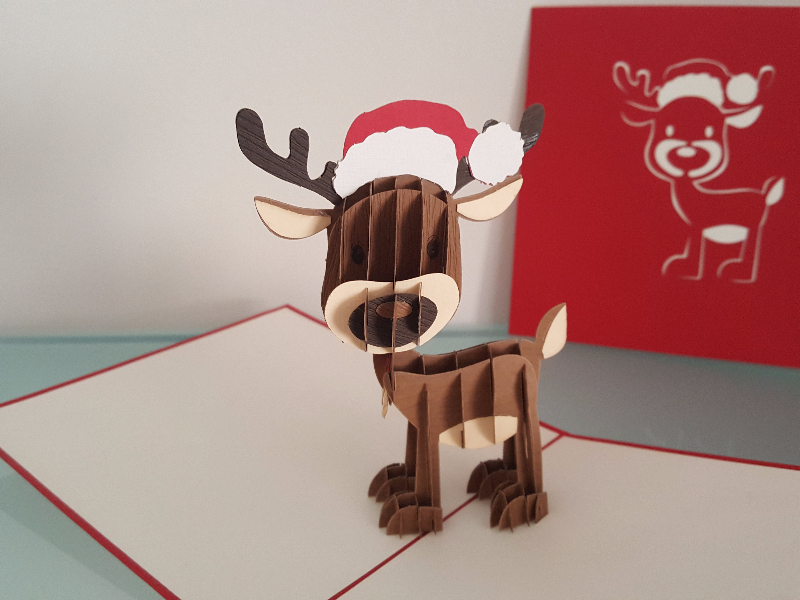
    PaperBear.ie, is a pop up card company that makes greeting cards for all occasions including Christmas, birthdays, anniversaries, get well cards and even cards depicting famous Irish landmarks … all ideal for sending to loved ones living abroad.

    With the busy Christmas period upon us, PaperBear are producing new designs, including Comet the reindeer, Christmas Molly Malone figures and Dublin bridge scenes.

    The cards retail between €3.99 and €6.99 and there are also multipack sets available for €11-€20.

    20161018_161006
    Source: paperbear.ie


    Set up in 2013, this is PaperBear’s fourth year in business. The company was set up by Katie and Aaron Dowling.

    Speaking about the inspiration behind the business, Aaron Dowling said the idea came following a trip to Spain, where they saw a pop up card shop and seeing potential in the idea, they decided to put their business skills together and set up the company.

    “The process begins with drawing out a sketch for a card idea. Once we work on the design more and finalise it, we create a 3D sketch. We use Corel Draw do add layers to the picture to bring it to life. Then we cut the layers out and create the objects that will pop out of the card.

    “We are aware of the global implications of using our resources like paper but since March 2017, we have worked with One Tree Planted. We plant a tree every day in places like the Amazon and Kenya … so that we can give back.

    20161006_145431
    Source: paperbear.ie

    “We have a stall set up at the Dun Laoghaire Christmas markets this year which we are proud to be a part of.”

    The opening days and times for the markets can be found on the Paperbear.ie website under their events calendar.

    By Nicole McNelis