Saoirse Ronan as Lady Bird, the eponymous main character
TheCity.ie’s resident film guru Ruadhán Jones gives his movie recommendation for some quality quarantine entertainment.
The darling of the mumblecore Indie genre, Greta Gerwig’s first foray into direction was not one I anticipated enjoying – but here we are! With coming-of-age dramas being two-a-penny, it’s a hard task to keep them novel. But whereas many are navel-gazing, wish-fulfilment, Lady Birdis equal parts amusing, bracing, and surprisingly moving.
It is a pleasure to watch a film explore a mother-daughter relationship with such depth and sympathy. Whereas most teen films separate the teenage and adult worlds – as though they belong to two different species – Gerwig interweaves their shared dramas. Much of the film is about the eponymous lead, Ladybird (Saoirse Ronan), coming to understand her mother’s love.
Ladybird is a high schooler in her last year, facing
the uncertainty that comes with moving on to college. Self-conscious and
restless, her rebellious spirit often leads her astray. But with outlets for
her creativity, such as the school drama, she is able express herself more
productively. The film touches on many of the tropes you would expect – like first
kisses and teenage angst – but each time with a twist that is unexpected, but fulfilling.
Finally, there are few things more cinematic that a covert love-letter to a particular place. Every artist needs their community. For Woody Allen it’s Manhattan, with Pedro Almodóvar it’s Madrid, for Greta Gerwig it’s Sacramento.
Sitting on my couch in dreary Ireland, I find it hard to believe that anybody could hate such a sunny, warm city with all that lovely architecture and natural scenery. But the eponymous Ladybird does, or at least thinks she does. Coming to terms with her unrecognised appreciation for her home is just another of the themes that Gerwig subtly interweaves.
Now available on Netflix, this is a definite must-see.
Considering we’re (hopefully) all in quarantine, there’s no better time to check out the shows hitting our screens. TheCity.ie’sPaul Caffrey reviews the week in TV, with all series available to stream on RTÉ and Channel 4 Player: The Boys in Green Part 1 & II (RTÉ Player), Neighbours Late: Endgame (RTÉ Player) and Feel Good (Channel 4 Player).
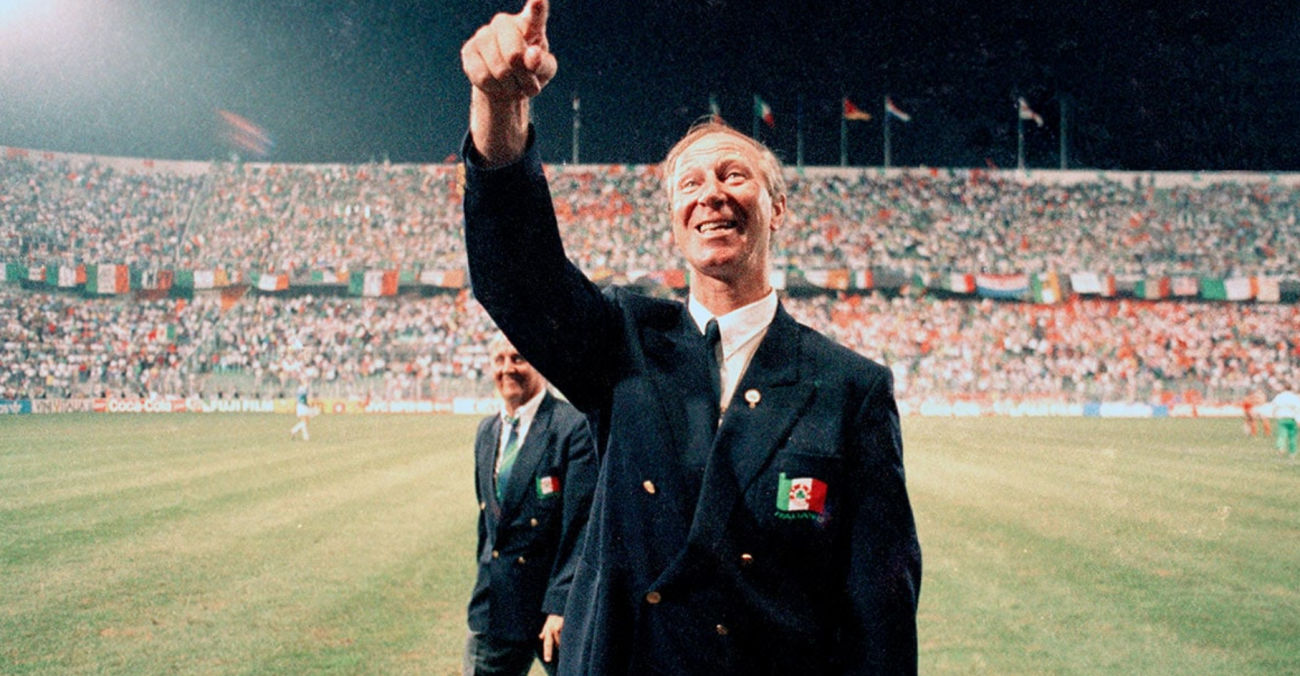
It was back to the ’90s this week with RTÉ One’s nostalgic, hard-hitting documentary The Boys in Green, which aired on Monday, March 16. The programme explored the iconic Jack Charlton years, which Match of the Day host Gary Lineker calls “the greatest era of Irish football” during his interview for this film.
When Ireland attempted to play England in a friendly at Lansdowne Road on February 15, 1995, disaster was on the cards from the very start.
🇮🇪 📺 Prepare to join us down memory lane on Monday as we take the plunge back to Irish soccer's golden age!
Part 1 of The Boys In Green will be live on @RTEOne this Monday, 9 March at 9.35pm.
“Friendlies can be dangerous because they can be anything but,” reflects Tony Cascarino, former Ireland forward, speaking 25 years on.
Back then, relations between the Dáil and Downing Street were in a feral limbo situation which appeared to encourage the proliferation of violent, hate-fuelled organisations at public events.
Neo-Nazi groups such as UK-based Combat 18 found opportunities to make their mark at high-profile gatherings, and their vicious actions forced the match to be abandoned.
After Ireland scored once and a subsequent England goal was disallowed, members of Combat 18 and another far-right group, Chelsea Headhunters, began throwing iron bars, six-foot pieces of timber and other dangerous missiles down from the top-tier stands.
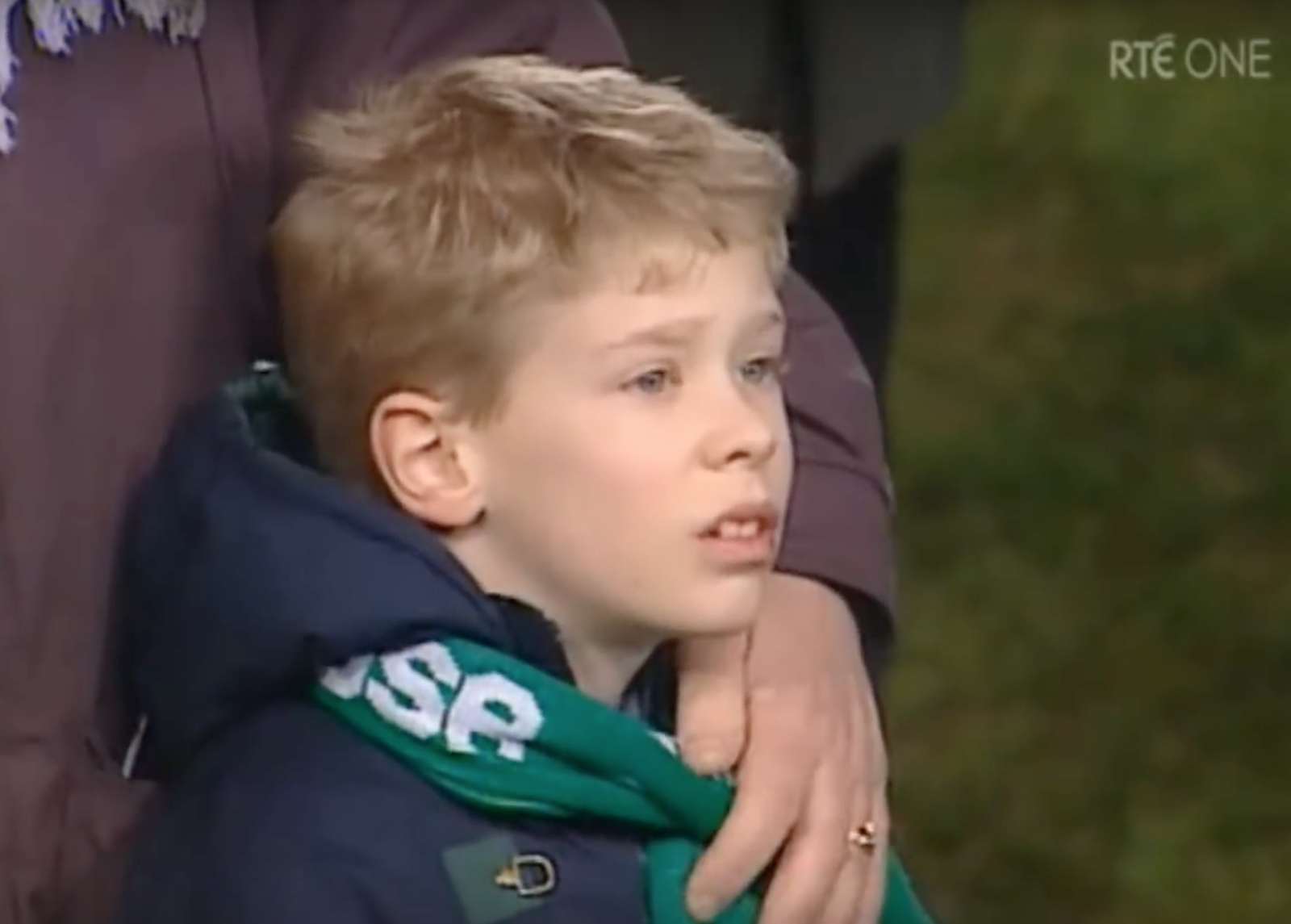
Terrified families with young children made their way to the middle of the pitch to avoid injury.
“You could feel the anger and the hatred coming from the terraces,” Cascarino recalls.
A distressed young boy being shielded by his father at Lansdowne Road stadium in Dublin during the February 15, 1995 riot became an enduring image of that night (Photo: YouTube)
By early 1995, we’d had some attempts to broker peace on these islands, but nothing that lasted. In short, it was a grim period in our shared history with the United Kingdom.
There had been the December 1993 Downing Street peace declaration by the British and Irish governments (that didn’t hold), followed by the August 1994 IRA ceasefire that proved far from permanent.
We were still three years away from the Good Friday Agreement that finally ended most of the violence of the Troubles and largely calmed hostilities between the Dublin and London administrations.
WATCH: ‘Absolute waffle’ – Eamon Dunphy discussing the abandoned match on Sky News in 1995
Why would far-right groups target a football match?
It was disparagingly dubbed “the granny rule”, even though some English-born players like David Kelly had Irish parents and were immensely proud to put on the green shirt.
But not all football fans understood. According to Cascarino, there was “always the accusation of ‘born in England, you shouldn’t be wearing the green shirt’”.
And against the backdrop of the Troubles, groups like Combat 18 weren’t happy about what they saw as Englishmen playing for an enemy State.
Former Liverpool and Ireland international John Aldridge says, tellingly:
“We’re not English, we’re Scousers and to be fair, the central government has never really done us any favours.”
In a similar vein, Merseyside-born Jason McAteer explains:
“Up North was very difficult, my Dad was in and out of work… I never, ever felt this urge to play for England.”
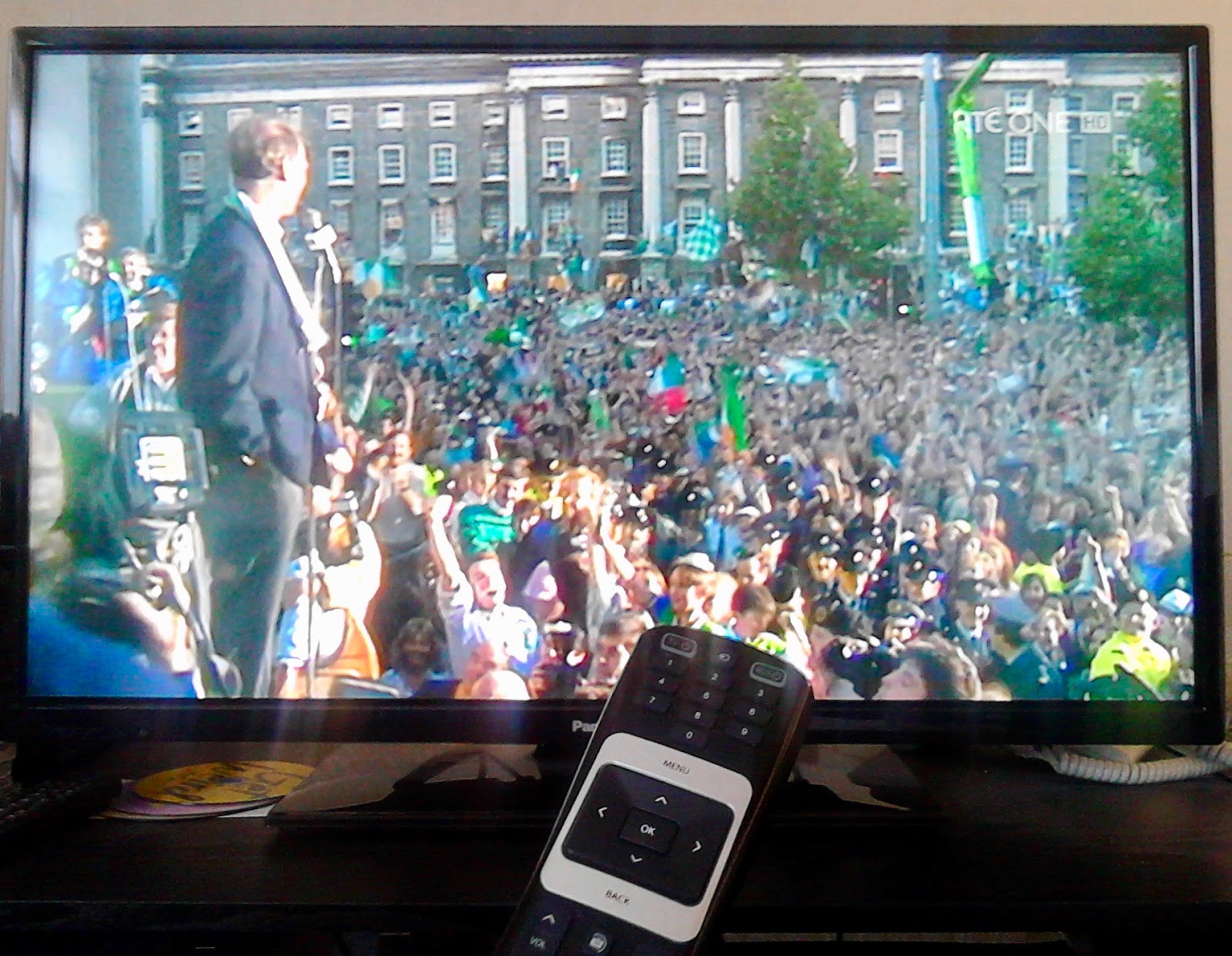
Nostalgic RTÉ documentary let us relive Jack Charlton’s address to huge crowds at College Green after Ireland reached the quarter-finals of Italia ’90 (Photo: Paul Caffrey)
With an impressive array of present-day interviews with former Ireland players and lots of well-preserved archive footage, The Boys In Green focuses on Charlton’s nine years managing the Irish national side between 1986 and 1995.
The Irish people took Charlton to their hearts because the Northumberland man “had no airs and graces, he wasn’t your quintessential Englishman – he wasn’t a toff or a snob,” explains Eamon Dunphy.
The concluding part aired on Monday night, looking back at Italia ’90 when Ireland reached the World Cup quarter-finals before taking us via USA ’94 to this infamous pre-Euro ‘96 friendly that turned violent on February 15, 1995.
In terms of stirring things up during the match buildup, RTÉ didn’t help much. Incredibly, an RTÉ Sport promotional trailer, screened just before kick-off, compared the sporting event to some of the horrors of the British occupation going back to the 12th century.
Black and white sketches depicted 14 of the most violent episodes of the occupation from the Siege of Wexford in 1169 all the way up to the 1690 Battle of Aughrim and the 1798 Wexford Rebellion. Then cut to a packed Lansdowne Road (now the Aviva) with the caption: “Lansdowne Road 1995: This one’s a friendly.”
Charlton felt “ashamed” of the events of that night and reluctantly parted company with the FAI later that year. David Kelly says:
“I think that [the England friendly] affected him more than people will ever know.”
Watching this extraordinary footage is a bit like stepping into a time machine and finding yourself at a point in our history that, politically, you’d rather forget. At the same time, The Boys in Green is compelling and essential viewing; it’s well worth looking up on the RTÉ Player if you didn’t catch it when it aired.
On St Patrick’s Day, RTÉ kicked off a week of Neighbours special episodes to celebrate its 35 years on TV. I grew up watching this Australian soap opera and it’s hard to believe it’s been on the box for so long.
Though far from intellectual stimulation, it’s a valid form of (usually) harmless escapism. Over the past week, each of the regular episodes have been followed by Neighbours Late: Endgame, a five-part, stand-alone and decidedly more risqué version of the soap that turns its long-held traditions firmly on their head. The upbeat serial with the cosy community-driven mantra — “next door is only a footstep away” — was totally transformed for the week.
It’s Neighbours gone rogue, and thoroughly unsuitable for the evening 6pm time-slot RTÉ has inexplicably put it in.
Memo to Montrose executives: the clue’s in the series title. It’s a late-night show. In Australia and Britain, this spin-off mini-series goes on air at 10pm each night, when the kids are (hopefully) asleep.
And for good reason: it’s far from from TV for all ages. A young woman is pushed down a mineshaft and left at the mercy of a deadly snake, while a long-established character is smashed over the head with a rock and sent out to sea on a speedboat. If all that wasn’t enough, guest star Denise Van Outen’s character is blown up by a bomb and there’s some explicit scenes with nudity thrown in.
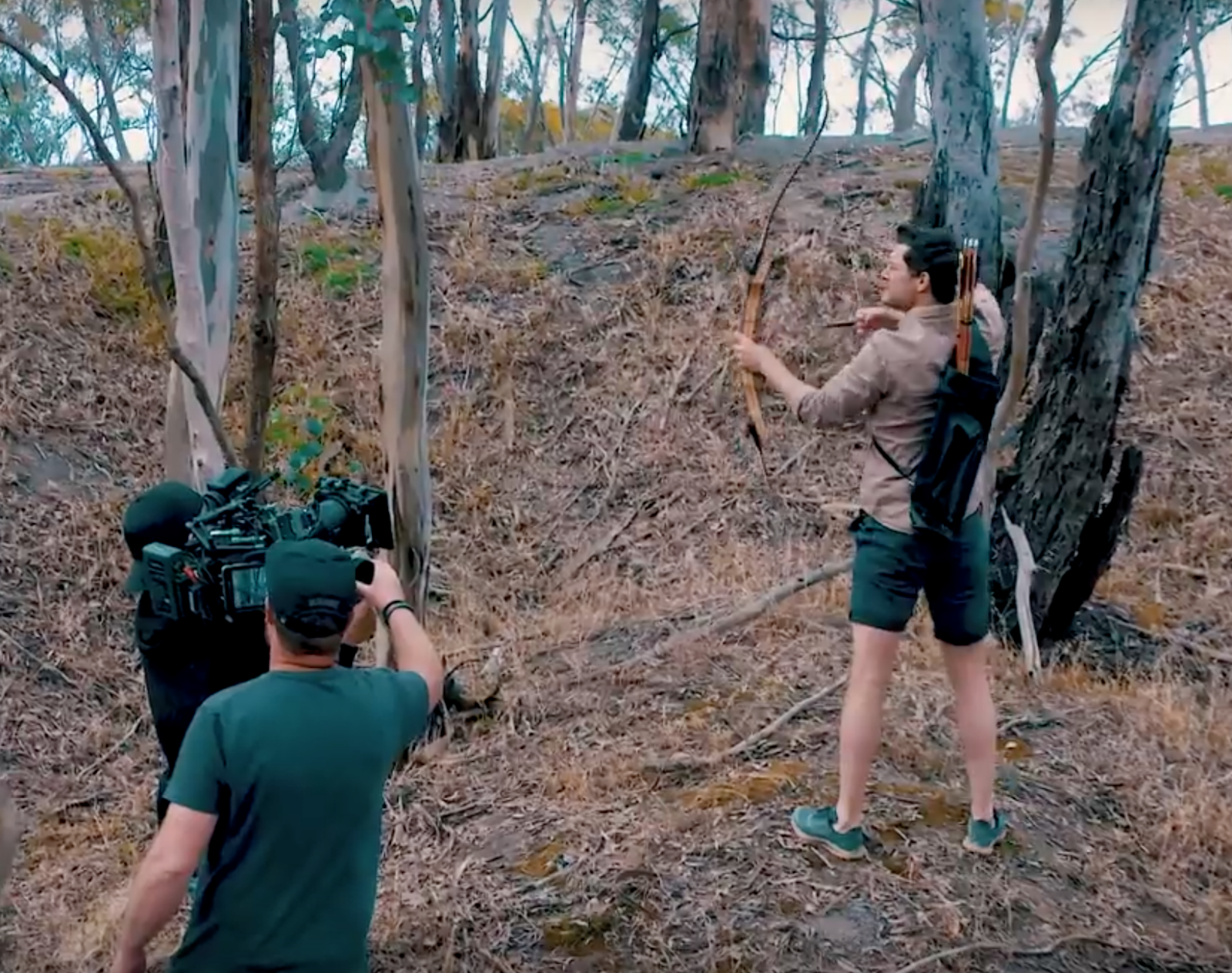
Rob Mills, who plays neighbourhood villain Finn Kelly, filming the ‘Neighbours Late: Endgame’ mini-series that definitely isn’t suitable for children (Photo: YouTube)
The culprit for this rampage is neighbourhood villain Finn Kelly (played convincingly by seasoned stage actor Rob Mills). So much for the “Good Neighbours” motto that launched the show all those years ago.
Neighbours first launched on Australia’s Channel 7 on March 18, 1985 but was axed after 170 episodes. Snapped up by the rival Ten network, it became a huge hit both in Ireland and Britain thanks to the vision it successfully sold of non-stop sun, sea and beautiful people living a generally carefree lifestyle. In a nod to the show’s enduring popularity in Ireland, it had planned to film episodes in Dublin this month, but the shoot was called off due to the Coronavirus pandemic.
The ‘Endgame’ finale airs on Monday, March 23rd, on RTÉ2.
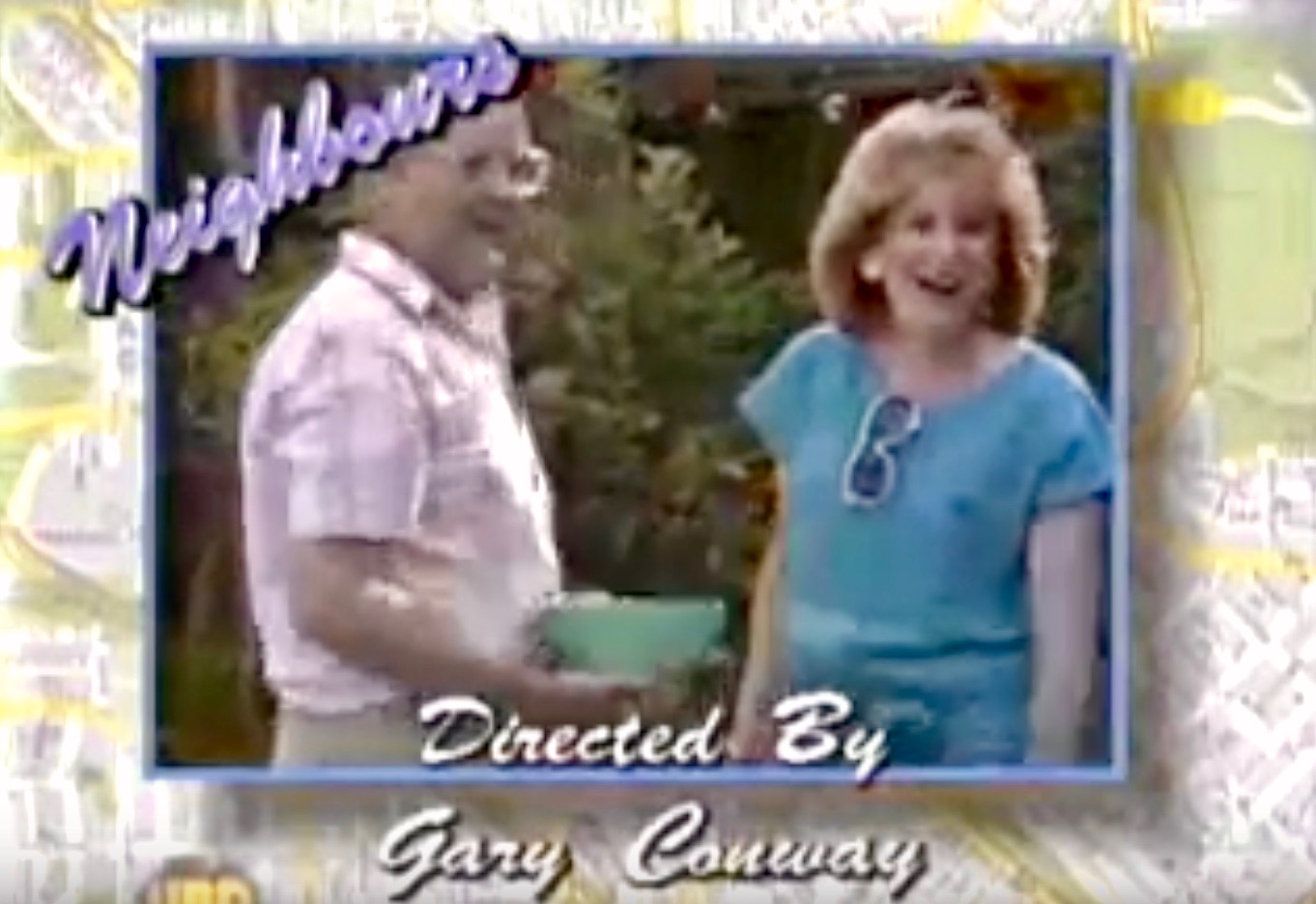
Flashback to the Eighties: The show’s original opening titles (Photo: YouTube)
Feel Good(Channel 4 Player – free registration required)
Meanwhile over on Channel 4, there’s no doubt that Mae Martin is on a mission. The young actress told BBC Radio 4 in 2016 that she wanted to eliminate “this underlying and quite insidious distaste that still exists for things like same sex affection.”
She also argued, in her Guide to 21st Century Sexuality for the station, that sexuality should be a “non-issue” and revealed she is often asked “Are you a girl or a boy?” or “Are you gay?” by intrusive strangers.
The accomplished Canadian stand-up comic and LGBT rights activist has since co-written — and stars in — this semi-autobiographical comedy-drama series in which she plays a younger version of herself (also called Mae) who’s starting out on the English stand-up circuit.
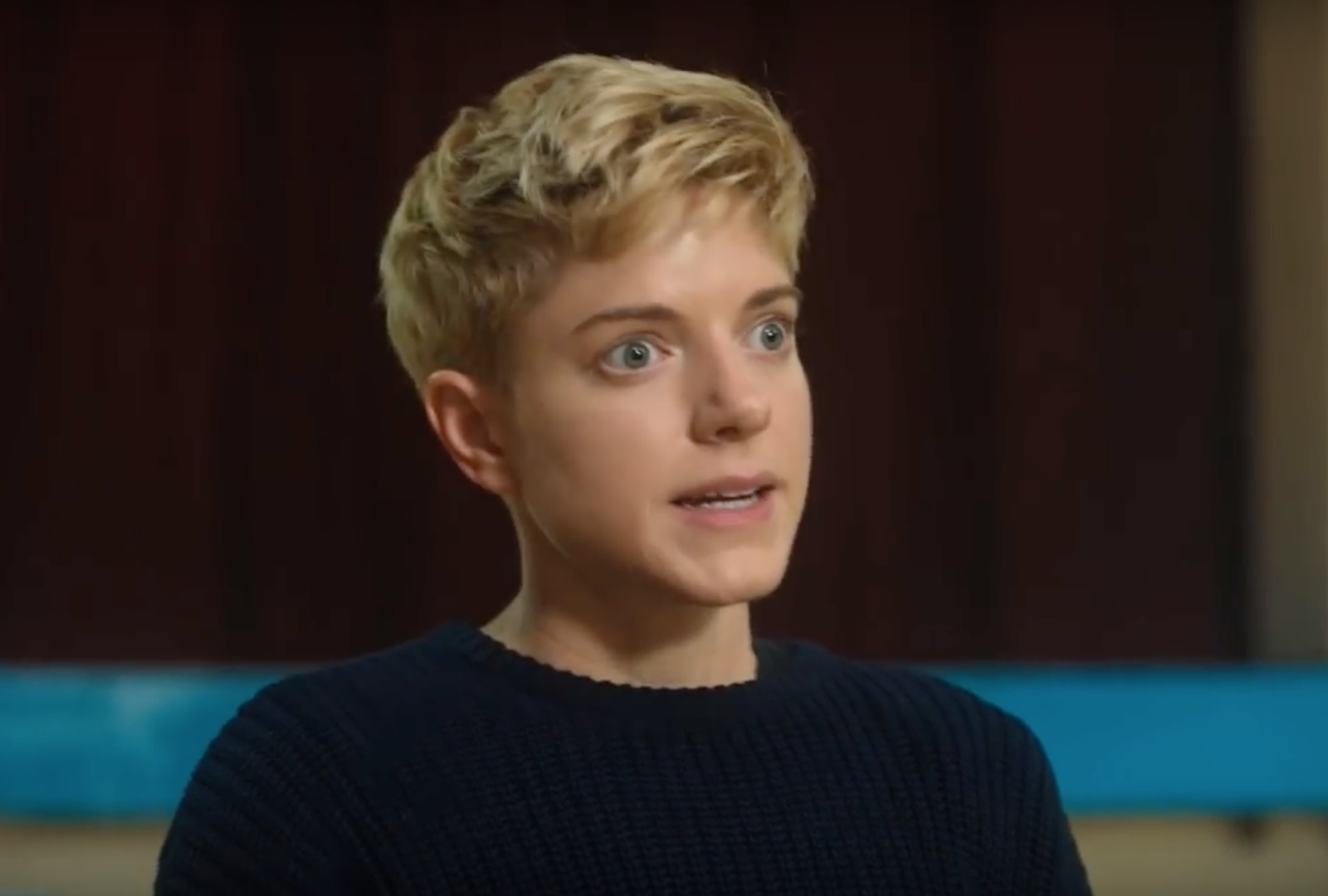
CANADIAN IN LONDON: Mae Martin in Feel Good, that uses comedy and drama in equal measure (Photo: YouTube)
The results are thoroughly entertaining. Using humour and drama in equal measure, Feel Good confronts important issues about society’s preconceptions which anyone who appears “different” still has to face in their everyday life.
Set in present-day England (filmed in London, Manchester and Blackpool), it opens with the fictional Mae about to take the stage at one of her first stand-up gigs where she meets and falls for Georgina or George, played by Charlotte Ritchie (Fresh Meat, Doctor Who), the only audience member who laughs at her jokes.
“She’s like a dangerous Mary Poppins, I’m like Bart Simpson,” Mae remarks as she struggles to get up the courage to approach her intended after the gig.
And even though George has “never been on a date with a girl before”, the pair get talking and embark on a whirlwind romance. Perhaps it’s because the episode only lasts 30 minutes that things move so fast: they kiss and within days, they’ve moved in together.
“It’s the greatest gift of my life that I get to have sex with god damn Princess Diana every day,” Mae gushes.
It’s not all plain sailing between the Canadian and her English Rose. There’s trouble when George seems very hesitant to introduce Mae to her friends who think of her only as heterosexual. Mae doesn’t understand why they can’t just conduct their relationship openly, and it threatens to drive a wedge between them.
When George is later chatted up by a male work colleague on a night out, she’s forced to tell him that she’s “seeing someone”, and pretends it’s a man.
In her Radio 4 series four years ago, Mae Martin said “tonnes of progress” had been made in changing attitudes towards the LGBT community, but that, inevitably:
“In times of economic and political uncertainty, intolerance always seems to worm its way in there; it raises its ugly head.”
Mae Martin’s insightful and really, really funny new series Feel Good premieres tomorrow — to get a taste, check out Mae’s set in Comedians of the World UK pic.twitter.com/asRVsOnmv0 via @Most
With her current six-part TV series, the actress is doing an excellent job of challenging the widely held prejudices that still persist, even in 2020. Watch out for an intriguing guest stint by Lisa Kudrow (of Phoebe in Friends fame) as Mae’s mean-spirited mother who calls herself a “repulsive old witch”.
The Boys in Green Part II (RTÉ One, Monday 16th March)
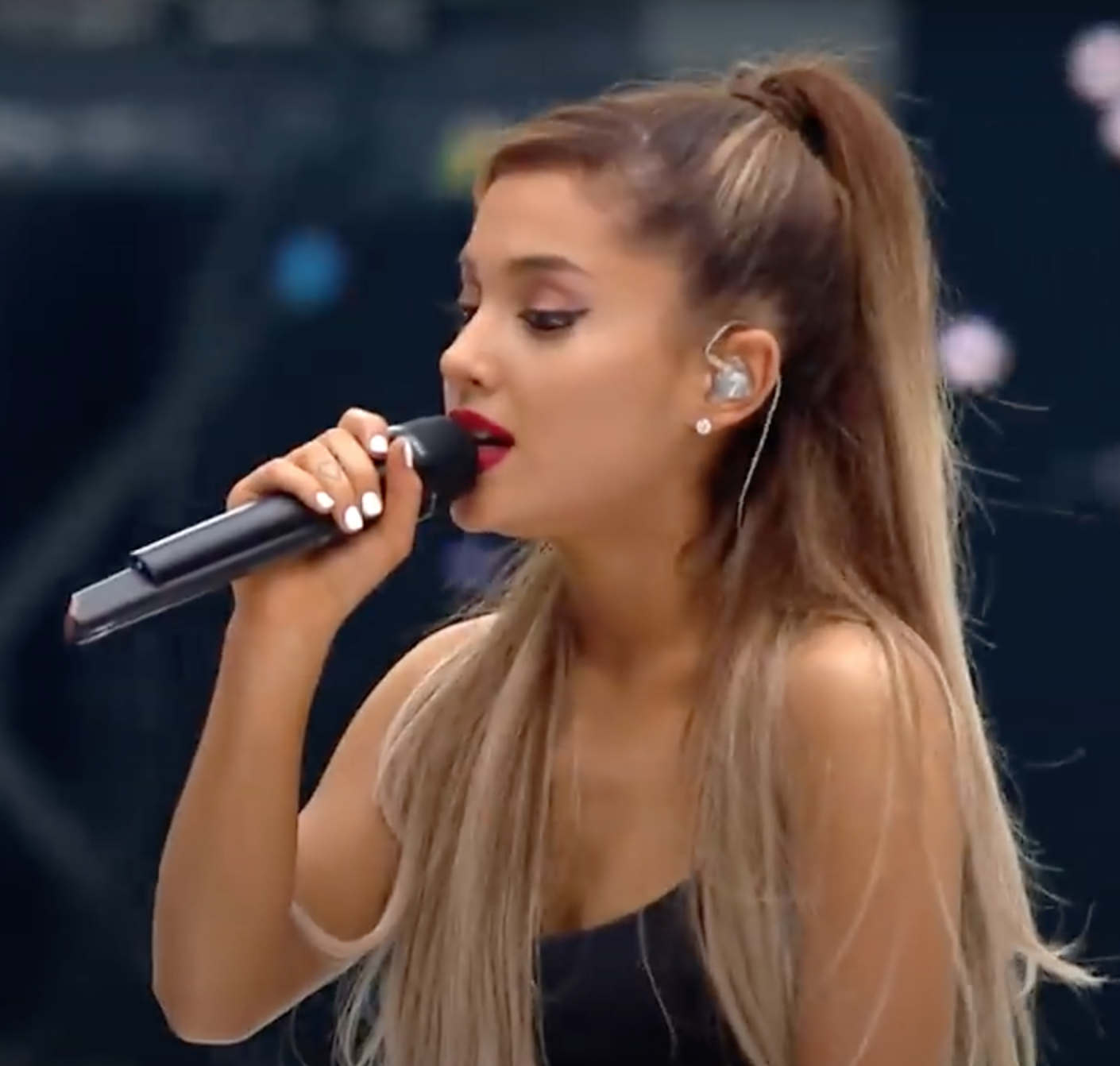
Ariana Grande on stage at the Capital FM Summertime Ball at London’s Wembley Stadium in June 2016 (Photo: YouTube)
With a dearth of celebrity news during the pandemic, TheCity.ie’s Paul Caffrey offers up a taste of pop icon Ariana Grande’s (short) life thus far instead —and it’s endlessly entertaining
Last. week, the brother of the suicide bomber who targeted Ariana Grande’s May 2017 gig at the Manchester Arena — killing children, teenagers and parents — was convicted by a jury for his role in planning and executing the shocking attack. Poignantly, each victim’s name was read to the court as the guilty verdict was announced.
For the then 23-year-old Grammy award-winning superstar, the night of May 22, 2017 was an incredibly frightening experience. She’d just stepped off stage when a deadly home-made bomb was detonated at the exit of the venue at 10.31pm, killing 22 people and injuring over 200.
The singing sensation and former Nickelodeon star was backstage when she heard the explosion and “fell to pieces”, according to Ariana: The Unauthorised Biography, by Danny White.
Danny White’s unofficial biography of Ariana Grande. (Photo: Amazon)
Having initially flown back to the US to recover from her own shock, she impressed even the toughest of cynics by returning to Manchester less than a fortnight later to stage a benefit concert to raise money for the victims of the attack and their families.
“Even with the concert merely announced, it felt like a healing process had begun,” writes White.
But the singer’s first priority on her return was to spend time comforting young victims of the atrocity, both at the Royal Manchester Children’s Hospital and at the homes of some of the affected families.
“Her visit touched them deeply, it left one father in tears,” White writes.
Despite a London Bridge terrorist attack the night before the One Love Manchester concert, the show went ahead on June 4 at Emirates Old Trafford cricket ground — just a 15-minute drive from the Manchester Arena — albeit with heightened security.
The highly memorable show attended by 50,000 people, with well-known names of British pop performing, earned Ariana praise from highbrow publications around the world, as White outlines.
Ariana Grande performing at the One Love Manchester concert in 2017 (Photo: YouTube)
Forbes magazine lauded the pop princess for “so quickly” getting back on stage after the terrorist attack, and for organising a concert that was “a strong testament that the human spirit will endure”, while British newspaper The Independent said the concert was the “proper way to respond to hate”. Even journalist Piers Morgan called her an “admirable young woman”, the book recounts.
“A strong testament that the human spirit will endure”
Forbes magazine’s description of Ariana’s One Love Manchester concert
Perhaps the most interesting part of this biography is its account of Ariana’s early life. Growing up, she played the French horn and was inspired by artists who were popular well before her time like Whitney Houston and even Judy Garland.
WATCH: Ariana performs her hit ‘My Everything’ with a school choir at One Love Manchester
White also details her first “star quality” public performance aged eight as Annie in a community theatre group musical. We’re told how her mother Joan joined the production as a co-star because she felt Ariana was too young to be left alone at rehearsals.
At 210 pages, this book is an excellently researched, comprehensive and easy to read overview of Ariana Grande’s life so far, drawn from multiple newspaper reports, books and other sources. The only possible disappointment for fans is that it doesn’t reveal anything new.
While indeed “packed with fascinating details about the real Ariana” as its blurb boasts, none of these facts were uncovered by the writer himself. Still, a must-have reference book for any fan with a generous additional 16 pages of colour photography thrown in.





You must be logged in to post a comment.