Tag: James Molloy

  • The drugs don’t work: Substance misuse during the pandemic

    The drugs don’t work: Substance misuse during the pandemic

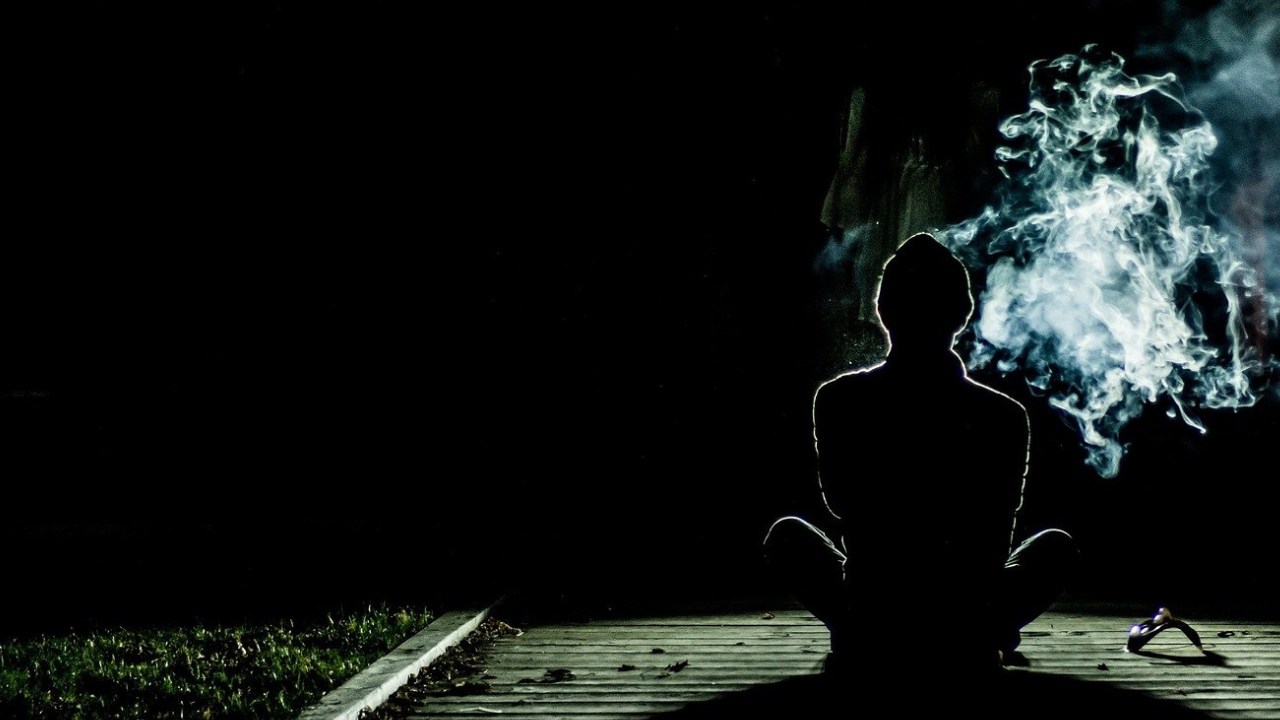
    Smoking in solitude. Image by Free-Photos from Pixabay

    Substance misuse has been at the forefront of the social issues in Ireland for decades and it is a problem that seems to continue to grow due to the widespread availability of both cheap alcohol and illicit drugs.

    Now, as we face the Covid-19 pandemic, people find themselves isolated at home with their own thoughts – a breeding ground for anxiety that can make it difficult to cope with drug and alcohol addiction. With counselling services stretch thin often these people are left without the help they need.

    A report released in January 2021 on behalf of the drugs policy and social inclusion unit found that 23% of respondents reported using more illicit drugs, and 15% reported using the same amount, citing anxiety and boredom as the driving factor behind their usage.

    pexels-photo-208512.jpeg
    Photo by Pixabay on Pexels.com

    The most commonly used substance was cannabis, followed by cocaine or crack cocaine and ecstasy (MDMA).

    However, cocaine or crack cocaine and ecstasy have seen a reduction in use since the pandemic with fewer opportunities to use and reduced availability of drugs cited as the main reasons for the reduction in their use.

    “We’ve had about a 100% increase of people seeking help”

    Elizabeth Sweeney 

    The report also found that support services were hit hard by Covid-19.

    Counselling sessions were forced to take place over the phone or through video calls, rather than face-to-face meetings.

    “We’ve had about a 100% increase [in 2020] of people seeking help, and the drugs would have been probably 70% of the increase and the alcohol would have been the rest,” says Elizabeth Sweeney, member of the Finglas Addiction Support Team (Fast).

    With regards to how the counselling takes place, Fast has had to adapt. 

    “The initial assessment is by phone,” Sweeney says, “we have to cut down on the footfall in the building, because we have to go by the HSE regulations.

    “And then when it comes to the one-to-one, we would have to schedule them for an hour, but it’s for 45 minutes with key workers allowed 15 minutes to tidy up.

    “We would have a reduced amount than we’d usually have,” she continues. “If we had eight in a day now, we could have had 14 or 15. That means we have a waiting list, and our books are full all the time and we’re constantly playing catch-up.”

    Image by Holger Detje from Pixabay

    With services for those seeking help stretched to their limits due to reduced time available and capacity, many people who struggle with substance misuse are battling their problems alone.

    “As the months went on, the amounts I smoke went up and I became more and more anxious”

    Anonymous

    “When Covid first hit last year I thought it would be for two or so weeks, but that has turned into over a year. At first nothing really changed, but as everything shut down and we were told to stay home I had nothing to do – boredom took over,” explains a man who wishes to remain anonymous.

    “First I started smoking more weed. When I couldn’t find that I’d turn to drink.

    “As the months went on,” he continues, “the amounts I [would] smoke went up and I became more and more anxious with no end of the lockdown in sight. The lack of routine, not seeing people and boredom, I’d say, are the main reasons for my change in habits. I suppose this isn’t the best for my mental health either.”

    When asked if he would seek counselling the man said, “I would but I don’t know where to look. Like, I feel when this eventually comes to an end and things start going back to normal, hopefully my habits will go back to normal.”

    With the end of lockdown in sight and the rollout of vaccines advancing, there are hopes that society will return to some sort of normality soon, allowing those who need help to get it and resume the lives they lived prior to the pandemic.

    If you or anyone you know is struggling with the issues mentioned in this article, text Mental Health Ireland’s drug line at 50808 or contact Alcoholics Anonymous Ireland.

  • No ink spilled – tattoo studios struggle during Covid

    No ink spilled – tattoo studios struggle during Covid

    Pictured above: AWOL Tattoo Galway. Photo courtesy of AWOL

    With the nation currently in yet another lockdown in a bid to curb the spread of Covid, one industry that has taken a significant battering since March 2020 with the constant closing and reopening is the tattooing industry. the industry is very much at the mercy of the virus as tattoo studios remain deserted and the artists are left idle with no clear idea of when they can return to work.

    The tattoo industry in Ireland has been shrouded in uncertainty since the beginning of the pandemic last March. Tattoo shops are usually the last to open and the first to close, leaving industry professionals in the dark when it comes to the stability of their profession. 

    As a result, the artists and shops have faced many obstacles, from economic costs to rescheduling appointments and adapting to new guidelines when they are permitted to open.

    “The constant stop start of lockdowns has affected us a lot behind the scenes. Not everyone gets a rent break unfortunately”

    Shane Boulger

    “We are last to be allowed to go back to work, we are getting completely f****d over,” says Joe Murphy, an artist working in Live Fast tattoo. “As soon as we are allowed open it doesn’t necessarily mean that there is work lined up. We can’t book appointments because we have no idea of a date we can return to work.” 

    “This past year has been surreal for small businesses,” says Áine Wall, co-owner of AWOL tattoo in Galway. “It’s been very stressful. Very difficult. The constant closing and reopening has made our business life extremely challenging… We had to completely redesign the studio too, add more dividing walls etc, costing us a lot of money. 

    “Not to mention the fact that we still have overheads like rent, bills and tax bills while we are closed,” Wall continues. “Our bank account is basically haemorrhaging money. It’s such an uncertain time for small businesses and many have not or will not survive.”

    Another to voice his concerns about the current situation is Shane Boulger, a tattoo artist working out of Dublin’s Life’s Too Short tattoo studio.

    “The constant stop start of lockdowns has affected us a lot behind the scenes. It’s not as simple as just stop and start. We have individual clients to contact and reschedule, studio owners have multiple overheads to clear as not everyone gets a rent break unfortunately.”

    Boulger has clients that have been waiting almost a year to be tattooed, and he feels somewhat responsible for their plight as his clients could be waiting months for their appointment. 

    “I can’t help but feel like I’m letting these people down each time I have to contact them and let them know our situation has changed again. My inbox is full of people messaging for tattoo house calls, even going as far as inviting themselves to my house for a ‘nixer’ — something I would never do, definitely not during a pandemic.”

    “I can’t help but feel like I’m letting these people down each time I have to contact them and let them know our situation has changed again”

    Boulger

    When shops are permitted to open there are further guidelines and regulations imposed that studios must adapt to, such as reconfiguring the layout of their spaces with barriers to ensure the safety of both employees and clients. Social distancing is limiting the number of clients allowed in the shop and walk-ins are a thing of the past, as all tattoos must be booked in advance leading to the back-log mentioned by Boulger.

    He also believes that “tattooing has become a little bit less personal and the process isn’t as enjoyable for the client with masks, screens and barriers.” He adds that “social distancing and limiting bodies in the shop has affected me in a few ways. The number of days I work is down.”

    However, he does acknowledge this is necessary as a means to help stop the spread and continue to work around Covid-19.

    In addition, he mentioned that while he is currently out of work it has given him more time to work on another project, allowing him to diversify and adapt during Covid, to earn another stream of income while he waits for the studios to reopen.

    “I have been working on another project that I can run alongside my tattooing, but it’s not ready yet – similar to prints/ T-shirts/ hoodies with what I would call tattoo flash art in my style.”

    Closed tattoo studio Dublin City. Photo by James Molloy

    Many other artists and studios have also decided to diversify their businesses by means of gift cards, selling prints of artwork, merchandising and running competitions such as raffles in order to promote their brand and raise funds.

    With recent speculation suggesting that the current lockdown will last until late April or early May, presumably a gradual reopening of the economy can take place thereafter. The tattoo community wonders when studios can reopen and whether or not they will be the last industry to be allowed to rejoin the Irish economy. 

    Furthermore, with the mounting costs, owners of studios must factor in the possibility of permanent closure or cutting back on overhead costs.

    The next few months will be decisive for the survival of the tattoo industry in Ireland as we know it. The sooner things can return to a level approaching normality, the better for all those affiliated to tattooing in Ireland.

  • Top 3 Post-Covid getaways to banish the lockdown blues

    Top 3 Post-Covid getaways to banish the lockdown blues

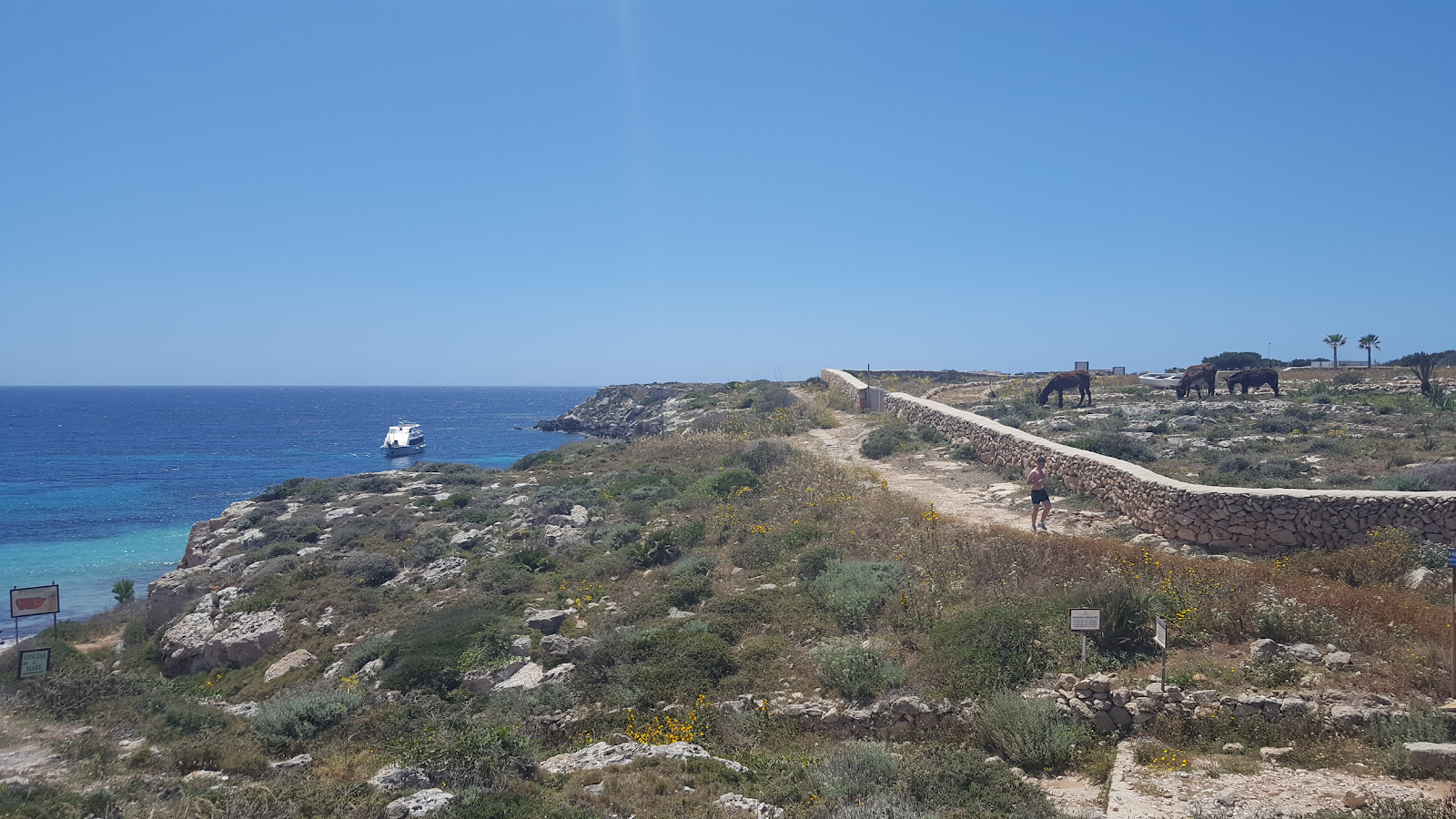
    A clear sky and inviting blue water in Favignana, Coast of Sicily. Photo by James Molloy

    With the doom and gloom of the current Covid-19 pandemic, holidays have effectively been cancelled for the foreseeable future. However, when it eventually comes to an end, here are three superb places that should be on your travel bucket list.

    1 ACHILL ISLAND, IRELAND

    Keel Beach, Achill Island. Photo by James Molloy

    To start things off, Achill Island is a close to home destination and is Ireland’s largest island, situated off the west coast of Mayo. It’s a hub for tourists the world over. Famous for its unspoiled scenery, pristine beaches and rich culture, Achill has something for everyone.

    Achill is home to five blue flag beaches, the most well known of which being Keem Bay, which can be found nestled away at the western tip of the island. The clear blue waters of the bay are home to a vast array of fish, basking sharks and dolphins making it the perfect place to go snorkelling in the summer months.

    Keem Bay, Achill Island. Photo by James Molloy

    If hiking is more your speed, then you’re in luck. Towering over the Keem Bay are the Croaghaun cliffs, the third highest sea cliffs in Europe. The imposing mountain of Slievemore can be found to the north east of the Island, and is another favourite spot amongst hikers and history buffs alike due to its deserted village situated on its slopes with a megalithic tomb from the Neolithic period alongside of it .

    Surfing is another immensely popular pastime for locals and tourists, and the best place to do it is Keel beach in the village of Keel. There are many surf schools which offer both surf lessons and surfboard rentals. This beach stretches three kilometres, so it is perfect for a leisurely stroll if surfing isn’t for you.

    The island is also dotted with many cafes, pubs and restaurants serving up hearty dinners, local fresh seafood and perfect pints beside rustic turf-burning open fires. Achill Island contains the perfect balance of adventure and relaxation.

    Standout memory: Spending the day on Keem Beach relaxing, then spending the night in the Valley House sipping creamy pints of Guinness beside the fire while listening to live music.

    2 BUDAPEST, HUNGARY

    Hungarian Parliament Building, Budapest. Photo by James Molloy

    Budapest is a city of two halves. Separated by the river Danube are the districts of Buda and Pest. There’s a saying in the city: “If you’re looking up, you’re in Pest and if you’re looking down, you’re in Buda.” Budapest is the perfect city escape on a budget.

    Buda is recognised as the historical old town, full of palaces, castles, and quaint streets. It’s the perfect place to get lost strolling through the streets as you take everything in. The Fisherman’s Bastion is the perfect viewpoint, giving you the perfect view of the Széchenyi Chain Bridge and Pest. This view is exceptional in the dark of night as the parliament building across the water is lit-up.

    The Széchenyi Chain Bridge, Budapest. Photo by James Molloy

    For those who want to experience the wilder half of the city, Pest is the place for you. You will be exposed to one of the most vibrant and full-on nightlifes Europe has to offer. It is full to the brim with a wide variety of watering holes from the high-end to the eccentric rune bars which the city is famed for, all serving some locally brewed beer and strong cocktails. There are a multitude of companies offering pub crawls, which can be a fun way to see the city and its bars while also possibly making new friends along the way.

    Budapest is also home to many thermal baths, the best known of which is the Szechenyi Baths. These baths are the perfect place to go and chill and recuperate after a hectic night on the town, with saunas, massage parlours and outdoor pools. The baths often host parties which are a must when in this wonderful city. Budapest is a brilliant city break because of its rich history and fantastic options for nightlife.

    Standout memory: Experiencing the unique ruin bar Szimpla Kert, a disused hospital turned local market by day and eccentric bar by night really embodies the Budapest vibe with a mixture of new and old.

    3 FAVIGNANA, COAST OF SICILY

    Monte Santa Caterina, Favignana. Photo by James Molloy

    Last but not least is a place the majority of people outside Italy may never have heard of — the island of Favignana, found off the west coast of Sicily. This undiscovered gem is the perfect place for someone to escape reality, be it for a few days or a few weeks.

    Favignana’s immaculate beaches and lagoons are the perfect place to unwind and de-stress whilst sunbathing or swimming in the clear unspoiled waters. There are a few to choose from, with Cala Rossa and Bue Marino being the most popular.

    The east of the island is mainly flat, whilst the west of the island is home to a chain of hills, of which Monte Santa Caterina is the highest. There are two main ways of getting around the island, for those who want to take their time and embrace the sights the island has to offer, bicycles are readily available. But, for those who want a faster mode of transport, scooters are the way to go, costing around €20 per day.

    Favignana has a rich history as it has seen the likes of the Phoenicians, Arabs and even the Normans passing through at some stage. The marks they left behind can be seen in the small town of Favignana and around the island. Another historic site on the island is the old tuna factory which can be toured for around €6 per person.

    Favignana is easily accessible from Trapani by ferry with multiple daily departures costing around €20 return.

    Standout memory: Zipping around on a scooter, exploring the island and taking in the breathtaking scenery Favignana has to offer.