Tag: LGBT

  • What to watch in isolation: ’90s political football, Neighbours goes rogue and new sitcom aims to eliminate LGBT prejudice

    What to watch in isolation: ’90s political football, Neighbours goes rogue and new sitcom aims to eliminate LGBT prejudice

    Considering we’re (hopefully) all in quarantine, there’s no better time to check out the shows hitting our screens. TheCity.ie’s Paul Caffrey reviews the week in TV, with all series available to stream on RTÉ and Channel 4 Player: The Boys in Green Part 1 & II (RTÉ Player), Neighbours Late: Endgame (RTÉ Player) and Feel Good (Channel 4 Player).

    The Boys in Green Part 1 & II (RTÉ Player)

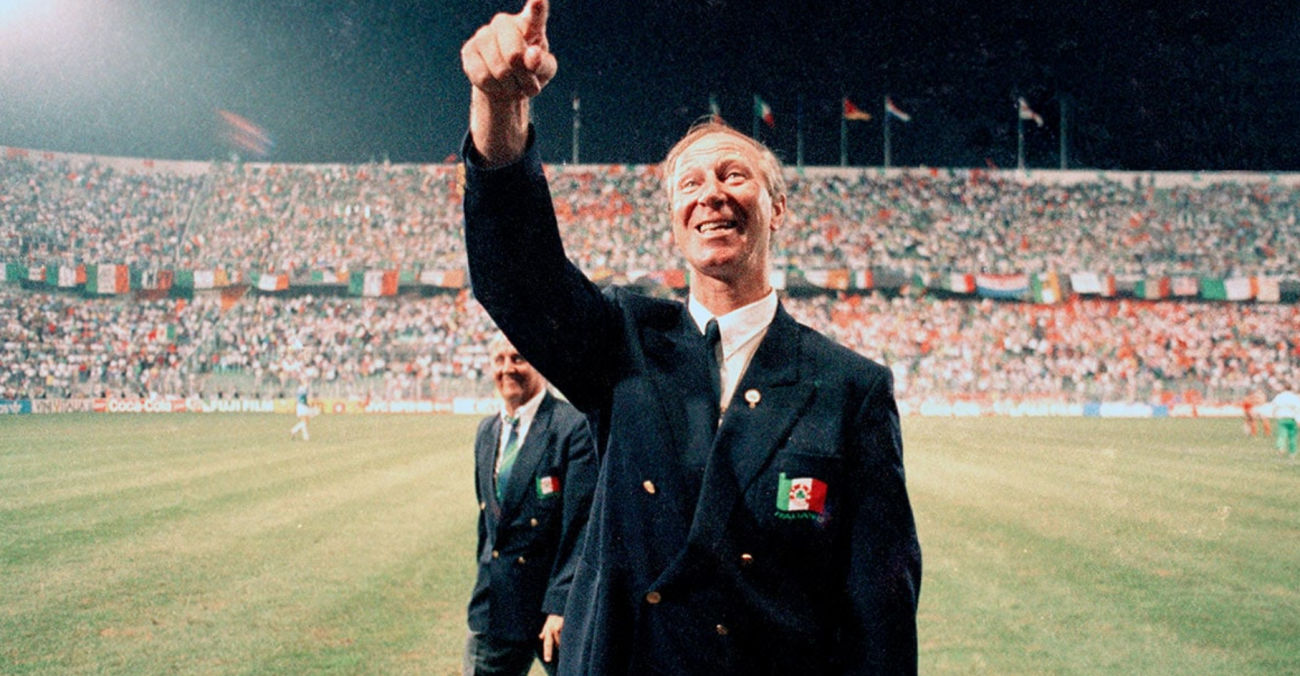
    It was back to the ’90s this week with RTÉ One’s nostalgic, hard-hitting documentary The Boys in Green, which aired on Monday, March 16. The programme explored the iconic Jack Charlton years, which Match of the Day host Gary Lineker calls “the greatest era of Irish football” during his interview for this film.

    When Ireland attempted to play England in a friendly at Lansdowne Road on February 15, 1995, disaster was on the cards from the very start. 

    “Friendlies can be dangerous because they can be anything but,” reflects Tony Cascarino, former Ireland forward, speaking 25 years on.

    Back then, relations between the Dáil and Downing Street were in a feral limbo situation which appeared to encourage the proliferation of violent, hate-fuelled organisations at public events.

    Neo-Nazi groups such as UK-based Combat 18 found opportunities to make their mark at high-profile gatherings, and their vicious actions forced the match to be abandoned.

    After Ireland scored once and a subsequent England goal was disallowed, members of Combat 18 and another far-right group, Chelsea Headhunters, began throwing iron bars, six-foot pieces of timber and other dangerous missiles down from the top-tier stands. 

    Terrified families with young children made their way to the middle of the pitch to avoid injury.

    “You could feel the anger and the hatred coming from the terraces,” Cascarino recalls. 

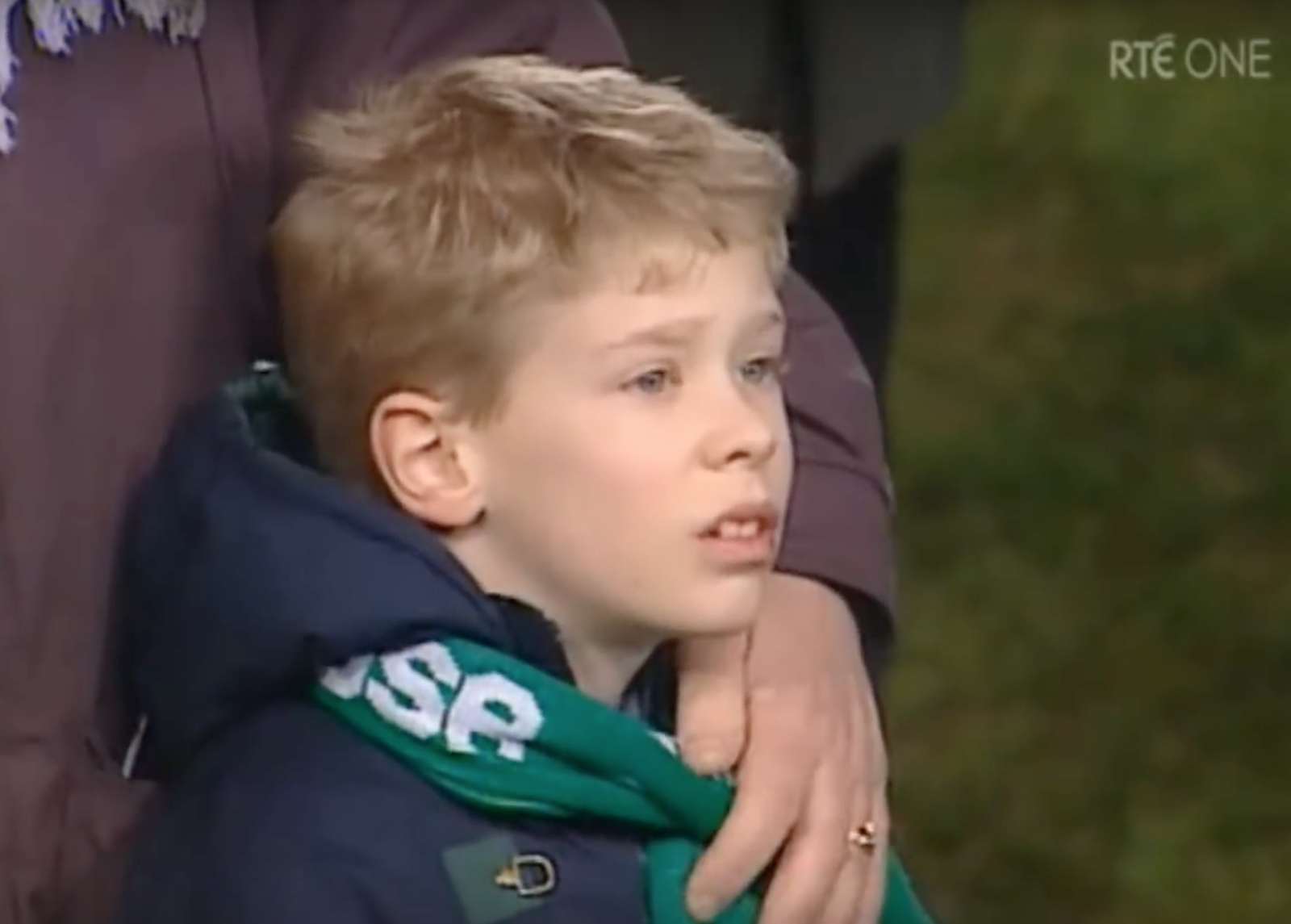
    A distressed young boy being shielded by his father at Lansdowne Road stadium in Dublin during the February 15, 1995 riot became an enduring image of that night (Photo: YouTube)

    By early 1995, we’d had some attempts to broker peace on these islands, but nothing that lasted. In short, it was a grim period in our shared history with the United Kingdom. 

    There had been the December 1993 Downing Street peace declaration by the British and Irish governments (that didn’t hold), followed by the August 1994 IRA ceasefire that proved far from permanent.

    We were still three years away from the Good Friday Agreement that finally ended most of the violence of the Troubles and largely calmed hostilities between the Dublin and London administrations.

    WATCH: ‘Absolute waffle’ – Eamon Dunphy discussing the abandoned match on Sky News in 1995

    Why would far-right groups target a football match?

    The interviewed players believe it was down to Jack Charlton’s groundbreaking policy of hiring top English-born players from Premiership clubs with Irish roots. 

    It was disparagingly dubbed “the granny rule”, even though some English-born players like David Kelly had Irish parents and were immensely proud to put on the green shirt. 

    But not all football fans understood. According to Cascarino, there was “always the accusation of ‘born in England, you shouldn’t be wearing the green shirt’”.

    And against the backdrop of the Troubles, groups like Combat 18 weren’t happy about what they saw as Englishmen playing for an enemy State.

    Former Liverpool and Ireland international John Aldridge says, tellingly:

    “We’re not English, we’re Scousers and to be fair, the central government has never really done us any favours.” 

    In a similar vein, Merseyside-born Jason McAteer explains:

    “Up North was very difficult, my Dad was in and out of work… I never, ever felt this urge to play for England.”

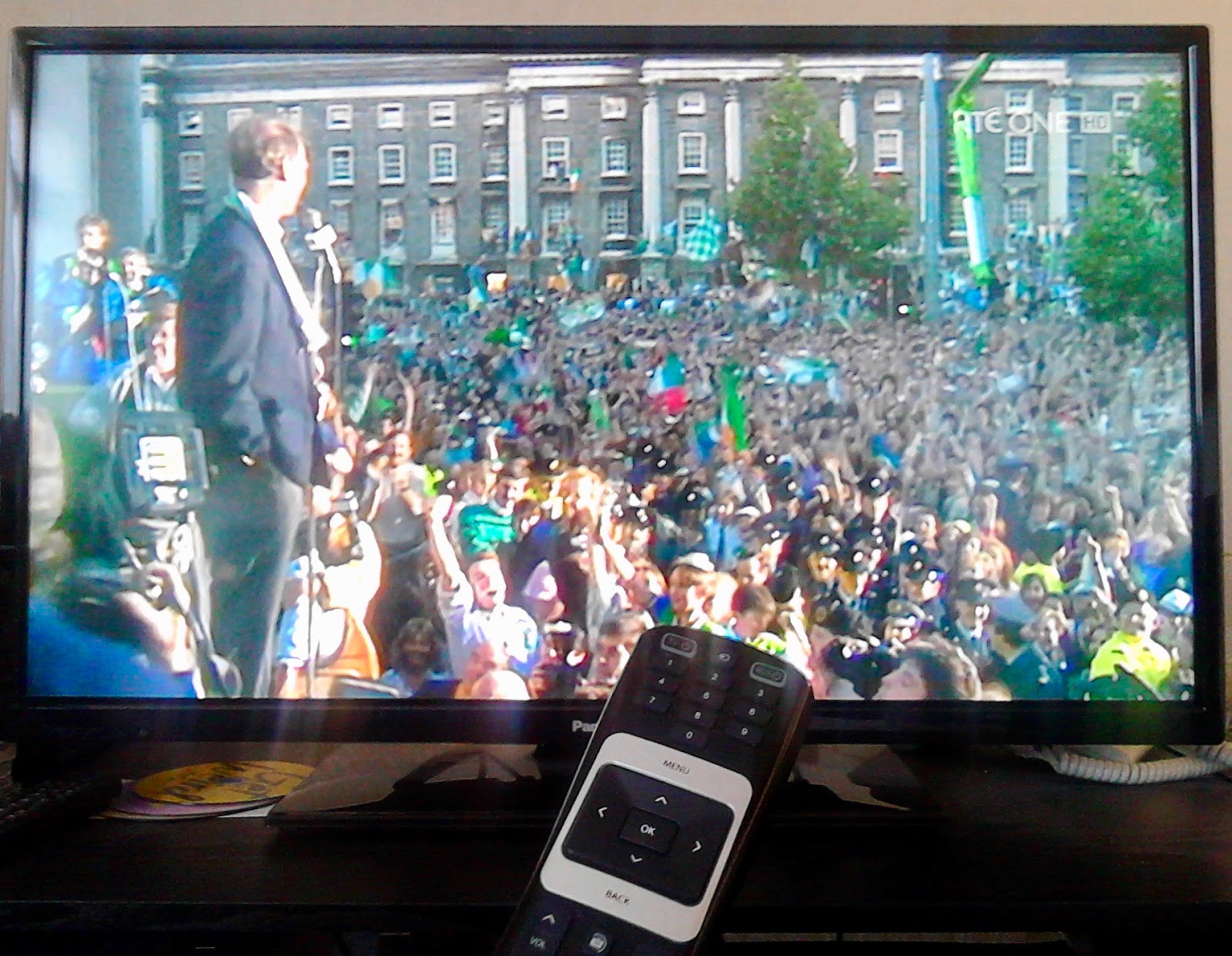
    Nostalgic RTÉ documentary let us relive Jack Charlton’s address to huge crowds at College Green after Ireland reached the quarter-finals of Italia ’90 (Photo: Paul Caffrey)

    LISTEN: RADIO ARCHIVE – Boys in Green Return From Italia ’90

    With an impressive array of present-day interviews with former Ireland players and lots of well-preserved archive footage, The Boys In Green focuses on Charlton’s nine years managing the Irish national side between 1986 and 1995.

    The Irish people took Charlton to their hearts because the Northumberland man “had no airs and graces, he wasn’t your quintessential Englishman – he wasn’t a toff or a snob,” explains Eamon Dunphy. 

    The concluding part aired on Monday night, looking back at Italia ’90 when Ireland reached the World Cup quarter-finals before taking us via USA ’94 to this infamous pre-Euro ‘96 friendly that turned violent on February 15, 1995. 

    In terms of stirring things up during the match buildup, RTÉ didn’t help much. Incredibly, an RTÉ Sport promotional trailer, screened just before kick-off, compared the sporting event to some of the horrors of the British occupation going back to the 12th century. 

    Black and white sketches depicted 14 of the most violent episodes of the occupation from the Siege of Wexford in 1169 all the way up to the 1690 Battle of Aughrim and the 1798 Wexford Rebellion. Then cut to a packed Lansdowne Road (now the Aviva) with the caption: “Lansdowne Road 1995: This one’s a friendly.” 

    Charlton felt “ashamed” of the events of that night and reluctantly parted company with the FAI later that year. David Kelly says:

    “I think that [the England friendly] affected him more than people will ever know.” 

    Watching this extraordinary footage is a bit like stepping into a time machine and finding yourself at a point in our history that, politically, you’d rather forget. At the same time, The Boys in Green is compelling and essential viewing; it’s well worth looking up on the RTÉ Player if you didn’t catch it when it aired. 

    Neighbours Late: Endgame (RTÉ)

    On St Patrick’s Day, RTÉ kicked off a week of Neighbours special episodes to celebrate its 35 years on TV. I grew up watching this Australian soap opera and it’s hard to believe it’s been on the box for so long.

    Though far from intellectual stimulation, it’s a valid form of (usually) harmless escapism. Over the past week, each of the regular episodes have been followed by Neighbours Late: Endgame, a five-part, stand-alone and decidedly more risqué version of the soap that turns its long-held traditions firmly on their head.  The upbeat serial with the cosy community-driven mantra — “next door is only a footstep away” — was totally transformed for the week.

    It’s Neighbours gone rogue, and thoroughly unsuitable for the evening 6pm time-slot RTÉ has inexplicably put it in.

    Memo to Montrose executives: the clue’s in the series title. It’s a late-night show. In Australia and Britain, this spin-off mini-series goes on air at 10pm each night, when the kids are (hopefully) asleep.

    And for good reason: it’s far from from TV for all ages. A young woman is pushed down a mineshaft and left at the mercy of a deadly snake, while a long-established character is smashed over the head with a rock and sent out to sea on a speedboat. If all that wasn’t enough, guest star Denise Van Outen’s character is blown up by a bomb and there’s some explicit scenes with nudity thrown in. 

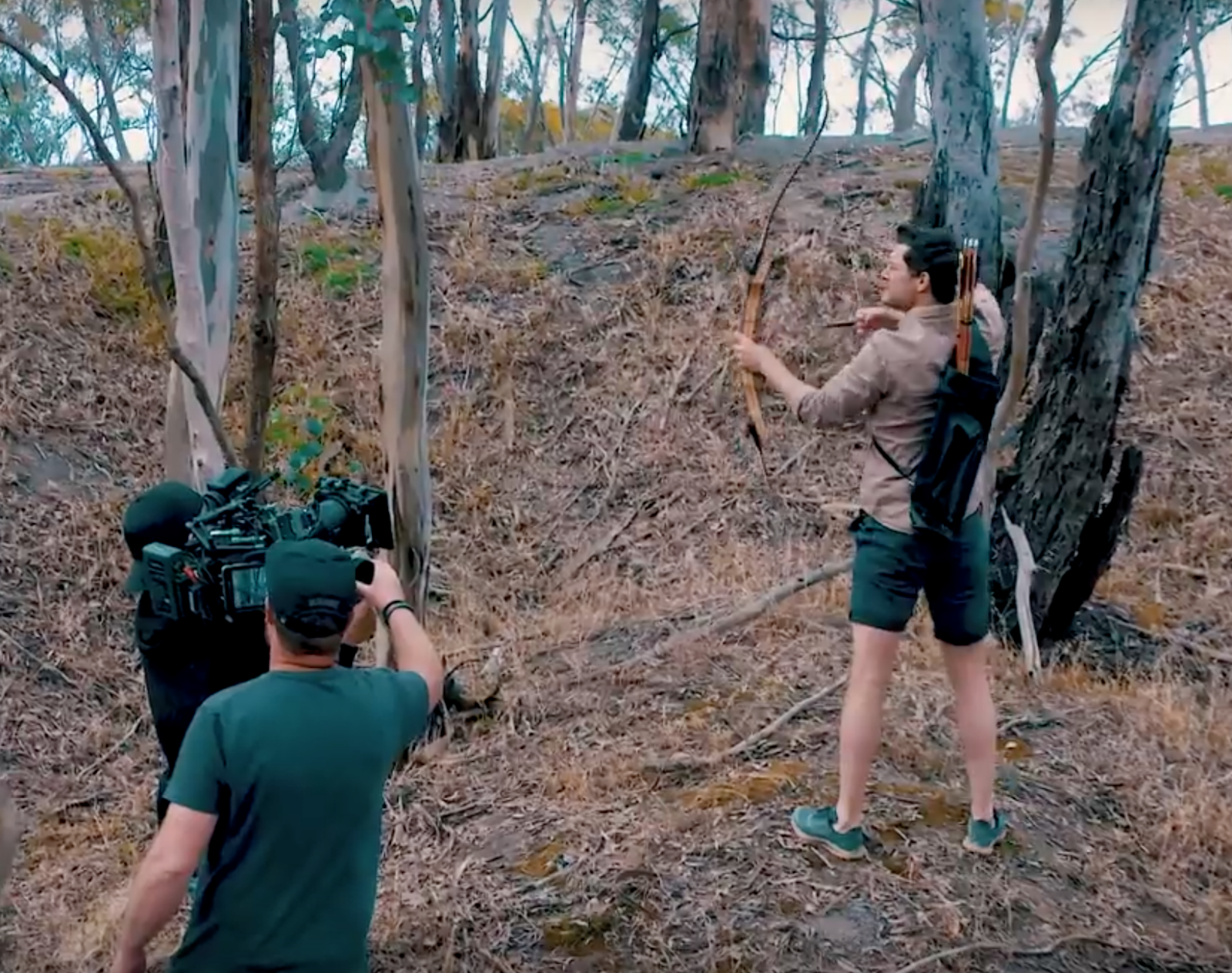
    Rob Mills, who plays neighbourhood villain Finn Kelly, filming the ‘Neighbours Late: Endgame’ mini-series that definitely isn’t suitable for children (Photo: YouTube)

    The culprit for this rampage is neighbourhood villain Finn Kelly (played convincingly by seasoned stage actor Rob Mills). So much for the “Good Neighbours” motto that launched the show all those years ago.

    Neighbours first launched on Australia’s Channel 7 on March 18, 1985 but was axed after 170 episodes. Snapped up by the rival Ten network, it became a huge hit both in Ireland and Britain thanks to the vision it successfully sold of non-stop sun, sea and beautiful people living a generally carefree lifestyle. In a nod to the show’s enduring popularity in Ireland, it had planned to film episodes in Dublin this month, but the shoot was called off due to the Coronavirus pandemic.

    The ‘Endgame’ finale airs on Monday, March 23rd, on RTÉ2.

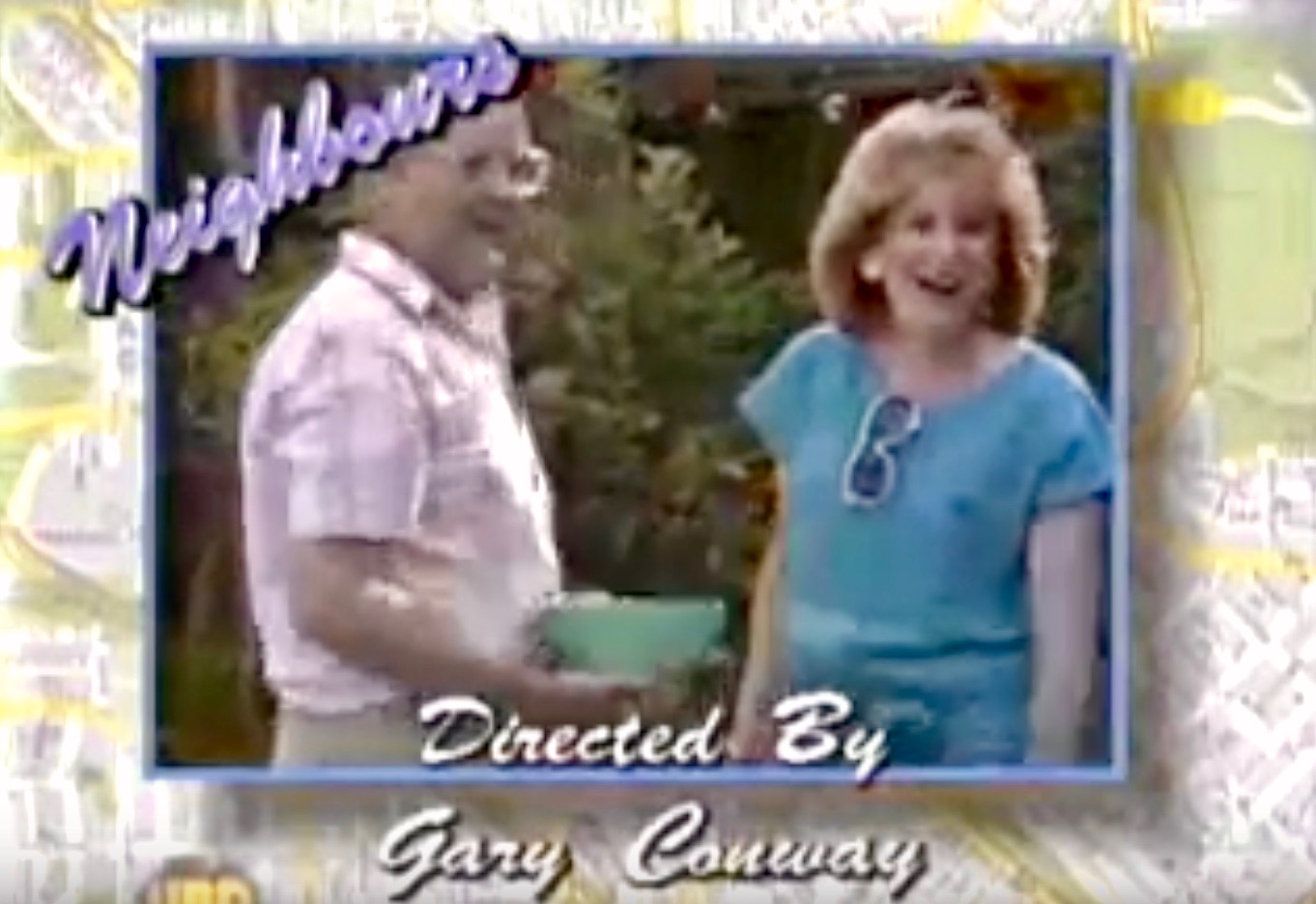
    Flashback to the Eighties: The show’s original opening titles (Photo: YouTube)

    Feel Good (Channel 4 Player – free registration required)

    Meanwhile over on Channel 4, there’s no doubt that Mae Martin is on a mission. The young actress told BBC Radio 4 in 2016 that she wanted to eliminate “this underlying and quite insidious distaste that still exists for things like same sex affection.”

    She also argued, in her Guide to 21st Century Sexuality for the station, that sexuality should be a “non-issue” and revealed she is often asked “Are you a girl or a boy?” or “Are you gay?” by intrusive strangers.

    The accomplished Canadian stand-up comic and LGBT rights activist has since co-written — and stars in — this semi-autobiographical comedy-drama series in which she plays a younger version of herself (also called Mae) who’s starting out on the English stand-up circuit. 

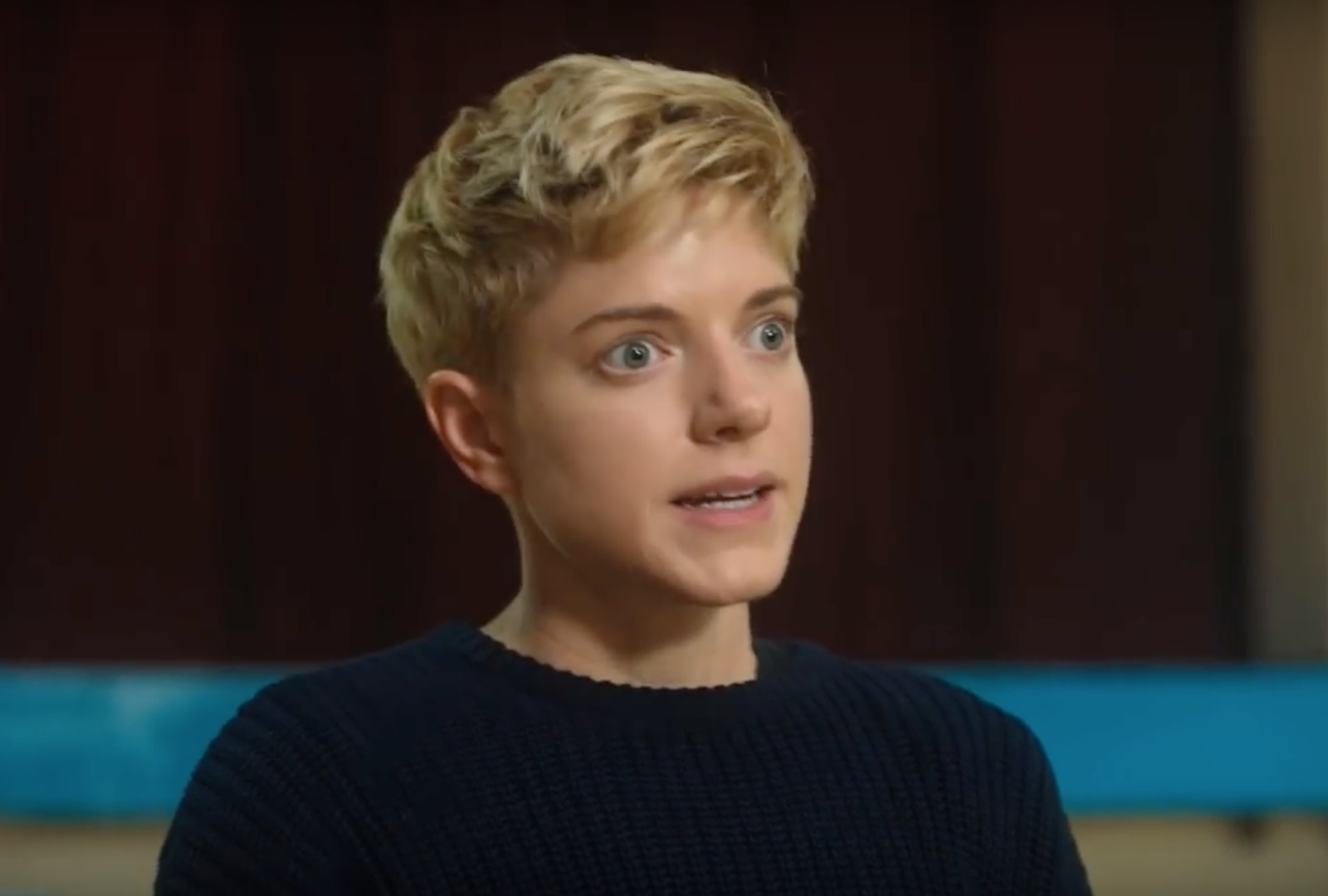
    CANADIAN IN LONDON: Mae Martin in Feel Good, that uses comedy and drama in equal measure (Photo: YouTube)

    The results are thoroughly entertaining. Using humour and drama in equal measure, Feel Good confronts important issues about society’s preconceptions which anyone who appears “different” still has to face in their everyday life.  

    Set in present-day England (filmed in London, Manchester and Blackpool), it opens with the fictional Mae about to take the stage at one of her first stand-up gigs where she meets and falls for Georgina or George, played by Charlotte Ritchie (Fresh Meat, Doctor Who), the only audience member who laughs at her jokes. 

    “She’s like a dangerous Mary Poppins, I’m like Bart Simpson,” Mae remarks as she struggles to get up the courage to approach her intended after the gig.

    And even though George has “never been on a date with a girl before”, the pair get talking and embark on a whirlwind romance. Perhaps it’s because the episode only lasts 30 minutes that things move so fast: they kiss and within days, they’ve moved in together.

    “It’s the greatest gift of my life that I get to have sex with god damn Princess Diana every day,” Mae gushes. 

    It’s not all plain sailing between the Canadian and her English Rose. There’s trouble when George seems very hesitant to introduce Mae to her friends who think of her only as heterosexual. Mae doesn’t understand why they can’t just conduct their relationship openly, and it threatens to drive a wedge between them.

    When George is later chatted up by a male work colleague on a night out, she’s forced to tell him that she’s “seeing someone”, and pretends it’s a man.

    In her Radio 4 series four years ago, Mae Martin said “tonnes of progress” had been made in changing attitudes towards the LGBT community, but that, inevitably:

    “In times of economic and political uncertainty, intolerance always seems to worm its way in there; it raises its ugly head.”

    With her current six-part TV series, the actress is doing an excellent job of challenging the widely held prejudices that still persist, even in 2020. Watch out for an intriguing guest stint by Lisa Kudrow (of Phoebe in Friends fame) as Mae’s mean-spirited mother who calls herself a “repulsive old witch”.

    The Boys in Green Part II (RTÉ One, Monday 16th March) 

    Neighbours Late: Endgame (RTÉ2, Tuesday 17th March – Monday 23rd March)

    Feel Good (Channel 4, Wednesday 18th March)

    Remember – all are available to stream on their respective players!

  • Revealed, the large numbers of married Irish people ‘struggling with their sexuality’

    Revealed, the large numbers of married Irish people ‘struggling with their sexuality’

    Photo: Twitter/@LGBT_ie

    After ITV star Phillip Schofield went public about his sexuality last week, LGBT Ireland CEO reveals the ‘enormous’ secret turmoil within certain heterosexual marriages to TheCity.ie‘s Paul Caffrey

    Large numbers of married people secretly struggling with their sexuality — just like TV favourite Phillip Schofield — are calling Ireland’s main LGBT support line “day in, day out”, TheCity.ie can reveal.

    Being LGBT in Ireland still carries a heavy “stigma” that makes it an “enormous” undertaking to come out even in 2020, LGBT Ireland chief executive Paula Fagan has said in an interview with this website. 

    According to figures we’ve obtained, the LGBT Ireland support line gets about 2,000 calls a year — over 500 of which which relate to the significant challenge of coming out as gay, bisexual or transgender.

    Although it’s not known exactly how many of those calls are from distressed people in heterosexual marriages, it’s believed to be a significant chunk of the 500. 

    Further to those who call the LGBT Ireland helpline or chat online with their volunteers daily, at least 25 people attend their monthly face-to-face peer marriage support groups in Dublin, Fagan reveals.  

    Father-of-two Schofield, who’s been married to Stephanie Lowe for 27 years, gave an emotional TV interview on Friday — having revealed on Instagram that he was gay. 

    The 57-year-old ITV star says he’s had “incredible” support from his wife and two adult daughters.  

    But his announcement sent shockwaves through his tight-knit family. Lowe was reportedly stunned to discover that she and Schofield had been “living a lie for so long”. 

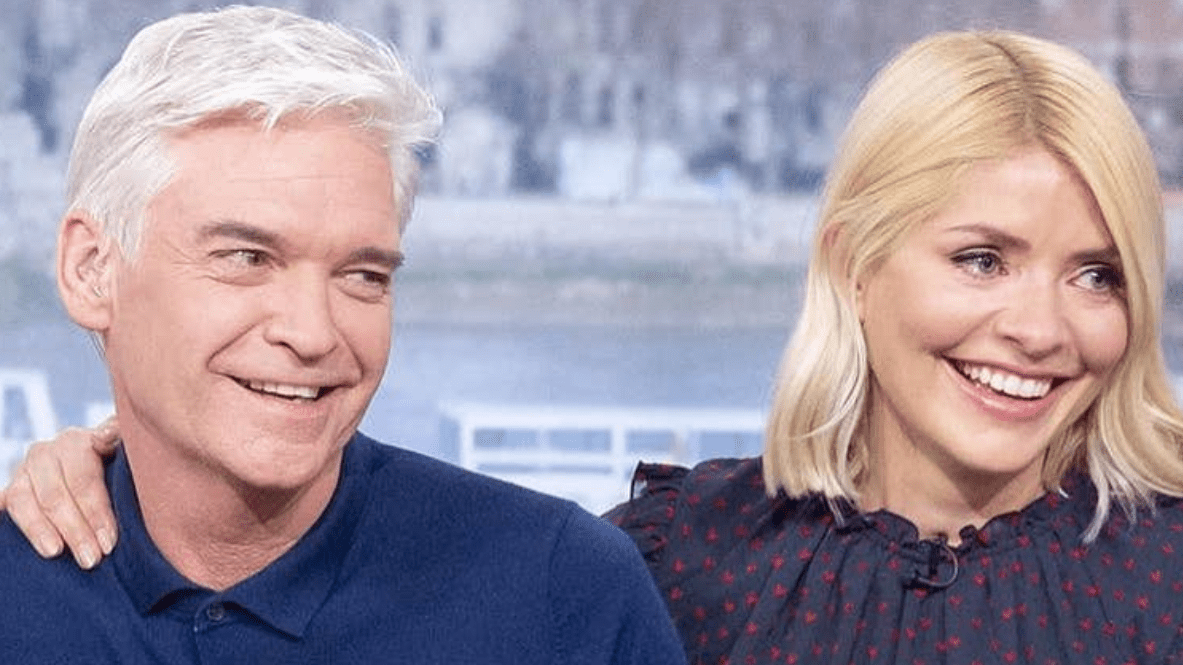
    Phillip Schofield opened up to his co-host Holly Willoughby (Photo: This Morning)

    Despite a successful 2015 marriage equality referendum and nearly three years of an openly gay Taoiseach, it’s still “very hard” for those considering coming out in Ireland in 2020, Fagan says. 

    Many people genuinely don’t discover their true sexuality until later in life, she explains.

    Speaking to TheCity.ie, the respected gay rights leader said: “When a celebrity like Philip Schofield comes out, it adds visibility to the fact that so many people are LGBT.

    “He was quite courageous and I think it’s massively helpful for others in a similar situation.

    “It gives them courage and hope to see that he can do it — and the positive support he’s got from his employer and his colleagues.

    “You can see from his interview how much thought he put into it. It feels enormous for the person doing it — and that’s the weight of the stigma they still feel.

    “This is very welcome. Without question, it’s a good thing when this happens. But it shows that it’s quite tough to come out, even in 2020. It’s still very hard to do it.”

    WATCH: In full, Phillip Schofield’s 13-minute TV interview (Video: ITV/Youtube)

    Leo Varadkar also struggled with going public about his sexuality. So much so that in January 2010, he gave a deeply conservative Dáil speech in which he poured cold water on the idea of “two men or two women having a family”.

    But in early 2015, months ahead of the marriage equality referendum, he had a change of heart and, in an RTÉ Radio interview with Miriam O’Callaghan, revealed he was gay. By then he’d been a TD for eight years. 

    On January 18, 2015 the then Health Minister told the nation: “It’s not a secret, but not something everyone would necessarily know — but it isn’t something I’ve spoken publicly about before now.”

    At the time, it seemed he was widely commended for his bravery. In June 2017, he became Ireland’s first openly gay Taoiseach.

    But Varadkar, whose partner is cardiologist Dr Matthew Barrett, recently revealed he’s been subjected to homophobic abuse since coming out as gay.

    The 41-year-old said two months ago: “If you’re a gay man or a gay woman you do experience a degree of homophobia.

    “It’s just the way it is…it can certainly range from name-calling and things like that as you walk down the street – or it can be the kind of stuff you can see for yourself online, or it can be just the fact that people treat you differently.”

    And even though young people are presumed to be the most open minded, the 2019 School Climate survey indicated that 73% of LGBT students feel unsafe at school in Ireland. 

    Over 85% of the LGBT secondary school pupils, surveyed by charity BeLonG To, said they felt deliberately excluded by their peers. 

    However, Ireland is “generally speaking much more positive and inclusive” with the vast majority of people having “good intentions” and a supportive attitude, according to Fagan.

    Announcements like Schofield’s and Varadkar’s are crucial reminders to people struggling with their sexuality that they aren’t alone, she points out.

    Schofield posted a statement online. Photo: Phillip Schofield Instagram

    The LGBT Ireland CEO told TheCity.ie: “We get a lot of calls from people in heterosexual marriages who didn’t realise that this [coming out] was even an option. 

    “Then it becomes too hard for them.

    “What everyone says when they come to our marriage support group is, ‘I thought I was the only person going through this’.”

    Former Children’s BBC presenter Schofield told viewers of his ITV show This Morning during a 13-minute interview on Friday: “I’ve had to deal with this in my head for quite some time.” 

    As a result, it seems likely that usage of support services provided by LGBT Ireland, the Transgender Equality Network of Ireland (TENI), and other organisations, can only increase.

    Other celebrities who have come out later in life include actors Cynthia Nixon, who was 37, Wanda Sykes, who was 43 and Ian McKellen, who was 49, as well as singer Ricky Martin, who was 38.

    Fagan said:

    “It can feel hopeless, especially when you have children. We see it day in, day out with people ringing our helpline and coming to our peer support groups.

    “Even though society is a lot more accepting, there’s still a lack of visibility.  People are still surprised when celebrities come out.

    “It’s only once you realise you are LGBT yourself that you realise the stigma that’s still there.”

    LGBT Ireland provides confidential support via its helpline, 1890929539, and online at lgbt.ie

  • A catch up with Enda McGrattan, AKA Aunty Ben

    A catch up with Enda McGrattan, AKA Aunty Ben

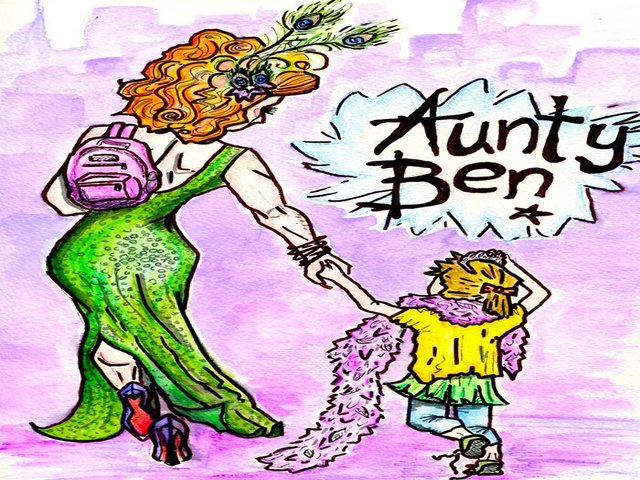
    Better known to the patrons of the George as Lady Veda Beaux Reves, Enda McGrattan is now also the star of Ireland’s very first LGBT play for children, Aunty Ben. The City caught up with McGrattan to discuss the play and Ireland’s changing attitudes to gender politics.

    Tell us a little bit more about Aunty Ben, it seems like a really interesting story.

    “It’s really fun, the idea is that due to a break up of a marriage I, as Ben, end up helping [my] sister raise her child Tracy, who is around nine-years-old. She really enjoys Ben and all of his drag and all of his ways until she changes school and realises that because of Ben she becomes the subject of controversy and bullying from the kids in her class.”

    A lot of people would know you from your performances as Veda in the George, how much of Veda is in Ben?

    “Ben is very Veda, I think that’s the reason that I was approached. I’m not an actor or a theatre actor or anything so Ben is about as Veda as it comes, but at the same time Veda is very Ben. I have nieces and nephews and they’ve come to see me perform so it actually reflects my life pretty accurately. [And] although I’m far too old to be the subject of any kind of bullying by school kids at this stage in my life. I definitely can relate to it from when I was younger.”

    Seeing as it’s a play for kids, has it been performed in schools? 

    “We’ve done a couple of shows in Educate Together schools. It hasn’t happened yet that we’ve done shows in Catholic schools but we have been to St Pat’s teacher training college twice … and we performed it for the students there who’ve loved it just as a kind of demonstration of how these issues can be dealt with in a school setting.”

    Has there been any backlash to the play? 

    “There has been no backlash of late. Last year there was a couple of things online but lately I think those people are just cowering in the corner somewhere now. I don’t expect to be hearing from them. I think that essentially the mood of the country has really changed throughout the referendum and I feel like we’re in that strange position where we’ve experienced both. The atmosphere and support for the show is definitely clearer and more forthright than before. I think people are less afraid to say ‘yeah, that’s a great idea, let’s bring a drag queen into the school’. We’re definitely getting more interest from schools and youth groups”

    Since Jonathan Rachel Clynch of RTE came out as gender fluid, has there been more of a conversation about gender issues in Ireland?

    “It’s been a huge year really. Part of it is to do, I think, with the very public transition of Caitlyn Jenner. And also here, especially here, with the referendum and everything that came with it. It definitely feels like there’s something going on with drag queens at the moment. We’re in the zeitgeist, there’s something about gender going on, gender politics and that we’re all sort of freedom fighters for people that want to exist beyond gender.”

    Aunty Ben is in Axis Ballymun 17/18 November.

  • What’s it like being Ireland’s youngest Mayor?

    What’s it like being Ireland’s youngest Mayor?

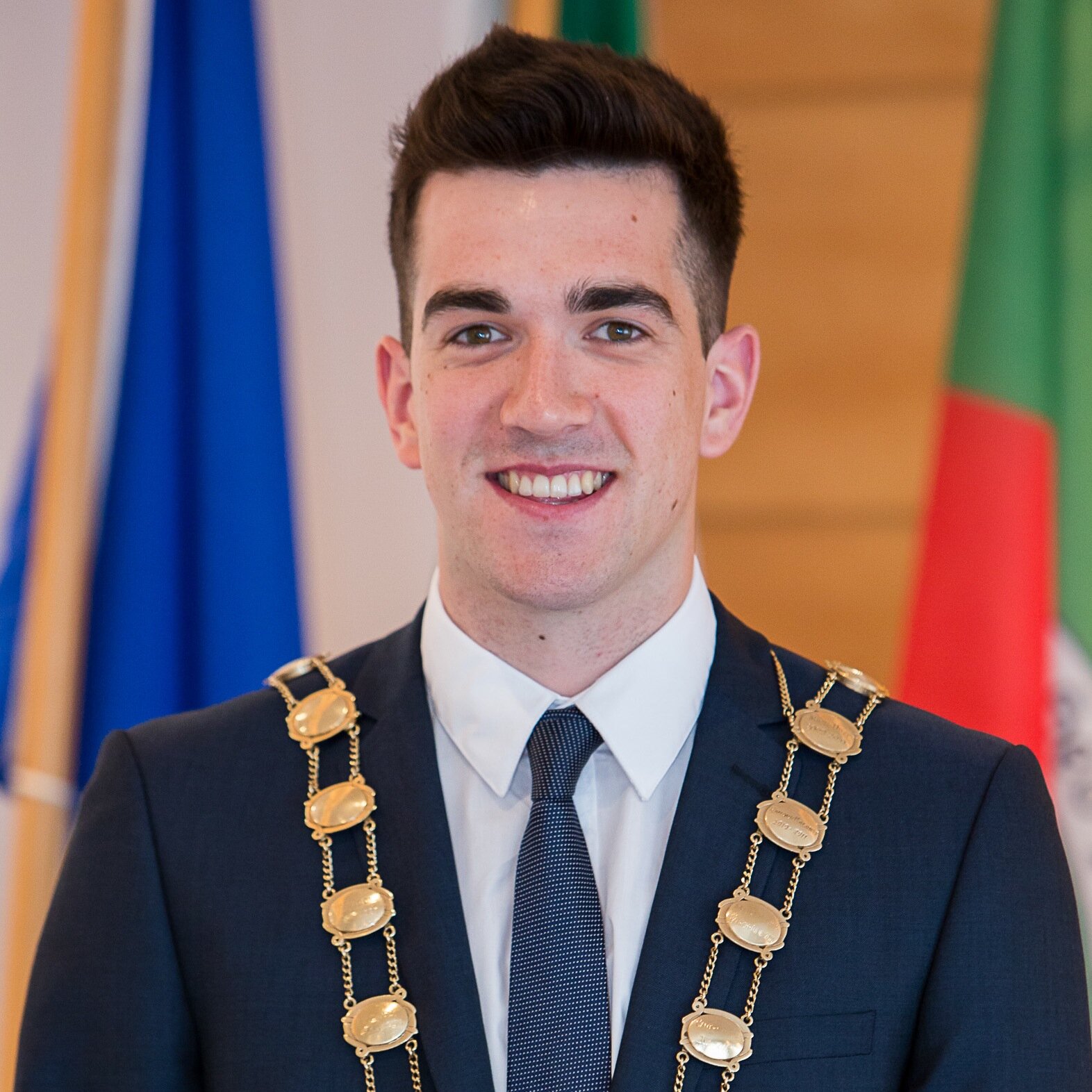
    Mayor of South Dublin County Council Fintan Warfield
    Mayor of South Dublin County Council Fintan Warfield

    These days you might think somebody is a little bit crazy when they tell you they’ve decided to run for election.

    However, that didn’t stop Fintan Warfield from putting himself forward. The 22 year old ran for a seat on South Dublin County Council, won the seat as a Sinn Féin Councillor and is now the youngest council Mayor in the country.

    So why did he decide to put himself in the firing line and run in May’s local elections?

    For him it’s because “politics should represent the people and our political system isn’t representative of Irish people at all.”

    Despite his decision to run, Fintan says he never expected to actually be successful and take a seat. He puts the victory down to the hard work that he and his team put in, but he admits that they “didn’t know what it took to win”.

    Despite that pessimism, he’s now the youngest Mayor in the country and he’s proud to be a member of the LGBT community.

    Almost six months into office, you can’t say he hasn’t been working hard – youth unemployment, gay rights and homelessness are all areas he feels need work.

    He’s taken a 10 percent pay cut and is donating the difference to three local charities, Saoirse Women’s Refuge in Tallaght, BeLonGTo, a national organisation for LGBT young people and Citywise who provide educational support for young people in Jobstown.

    He’s also ensured that South Dublin County Council has become the first public service to join GLEN, the gay and lesbian equality network.

    One of his first actions as Mayor was the raising of the rainbow flag outside the County Buildings.

    “It only takes a poster in school to know there’s somebody who’s approachable and that you can talk to”, he says.

    So, will we see his face on posters around the city before the next general election?

    The short answer is no. “The Council does a lot of worthwhile work and I’m happy to be a part of it”, he says.


  • Largest group in favour of equal marriage not registered to vote

    National organisation for LGBT in Ireland, BeLong To has launched an online campaign to urge young people to register to vote.

    The move coincides with the YES EQUALITY voter registration drive ahead of the Civil Marriage Equality Referendum that is set to take place in spring 2015.

    Recent polls indicate that young Irish people are the largest group in favour of constitutional change, with some 88% of 18-25 year old’s claiming that they would vote in favour of equal marriage.

    “Young people are the biggest supporters but not great in terms of being registered,” says Dale McDermott, President of Young Fine Gael.

    The statistics on youth voter registration show that over one third of people within this age bracket are not currently registered to vote.

    “Irish young people have always been agents for progressive change and today we are reaching out to all young adults aged 18-25 to say – this is your opportunity to create the society you want – this is your generation’s decision” said Michael Barron, Founding Director of BeLonG To.

    “We know that Ireland is ready for this change and that Irish young people really want a fair and equal society” He added.

    The Draft Electoral Register for 2015 has been published and it is possible to change details on this up until the 25th of November by using an RFA1 form.

    The chairperson of BeLong To, Anna Quigley, also acknowledges the ‘pivotal role’ that young people are to play in the upcoming referendum but recognises the necessity of youth voter registration.

    “Despite extremely positive polling results indicating a potential positive outcome in the referendum, we cannot be complacent” she says.

    “Our work starts here and now by ensuring that every young person is registered to vote next spring, without them we cannot win.”

    Recent polls also indicate that the 65+ group are less likely to support equal marriage with just 38% indicating that they would vote in favour of constitutional change.

    “The ultimate goal is to convince the higher age brackets. [Those who are] 25 and up are who we need to tackle in order to win” says McDermott. “When we can explain the issue and our reasons for why we just want equality – I think we can convince them!”

    Video and Images courtesy of BeLong To

  • 26th Anniversary of National Coming Out Day

    26th Anniversary of National Coming Out Day

    Rainbow Flag

    October 11th marks the 26th anniversary of National Coming Out Day (NCOD), a globally recognised civil rights initiative aiming to help people open up about their sexuality.

    A number of public figures in Ireland have supported the campaign, including gay rights activist Rory O’Neill, better known as Panti Bliss.

    “Coming out is the single most important thing that any gay person can do to advance equality for gay people,” Rory says.

    “Ireland has made huge strides in the acceptance of LGBT people in the last thirty years and that’s because gay people came out and started living their lives openly,” he said. “It’s very much harder to hold on to prejudice against LGBT people when you actually know them, when they are your brother, your neighbour, your friend, your doctor, your mechanic or your co-worker.”

    In the past few years, more public figures and celebrities have been embracing their sexuality and publicly coming out as members of the LGBT community. Mr O’Neill believes this is important for increasing visibility of gay and lesbian people.

    “The increased visibility of open, happy gay people, comfortable in their own skin and without shame, has arguably been the most important and effective change in the campaign for equality, and public figures play a big role in that,” he said.

    “When I was growing up in a small town in 70s Ireland there were no gay role models. I wasn’t even sure gay people really existed outside of schoolyard jokes! Turning on the TV and seeing Brendan Courtney being normal and happy and not the butt of jokes would have been immense for me then.”

    Natasha Twamley (21), a member of Dundalk Outcomers, agrees on the significance of LGBT members in the public eye.

    “A lot of celebrities are role models for young people and if they can confidently come out and say who they are, it shows young people that regardless of whether they are gay, bisexual, lesbian or transsexual, it’s nothing to be ashamed of and they are not on their own,” she says.

    Tasha came out when she was 16 yet it came as little surprise to her friends and family; “They weren’t shocked at all. When I finally told my mother, she said ‘you’re still my daughter and it’s no big deal, if you’re happy then I am happy.’”

    For Ms Twamley, coming out was a big weight lifted off her shoulders and family members such of her father were proud of her for doing so.

    “I would recommend anyone coming out to do it face to face,” she says, “and having support groups behind you can help greatly.”

  • Is sport inherently homophobic?

    Is sport inherently homophobic?

    The question of homophobia in sports is something that will always be hard to prove or disprove. Image by: David Michael Morris
    The question of homophobia in sports is something that will always be hard to prove or disprove. Image by: David Michael Morris

    The recent crackdown on the LGBT community in Russia, along with the recent ban imposed on the planned gay rights parade in Serbia has brought angry finger-pointing from the vast majority of western society.

    But when one of the biggest social norms (sport) in western society is examined for homophobia, should the finger really be pointing towards a mirror?

    The four most popular professional sports in the US are Football (NFL), Baseball (MBA), Basketball (NBA) and Ice Hockey (NHL). These four sports have a combined annual attendance of 130 million people.

    The four most popular leagues – Premier League, La Liga, Bundesliga, Serie A – from the most popular sport in the world, football, generate an annual attendance of 45.5 million people.

    That is a combined figure of 175.5 million people visiting stadiums yearly to watch these sports – yet alone the billions of people that view them across the world.

    The most recent Super Bowl had a television audience of 164.1 million viewers. That puts the sheer volume of people who consume these sports on a yearly basis into perspective.

    But how pro-homosexual are these sports?

    Jason Collins became the first openly gay sportsman of the four major US sports when he announced his sexual persuasion earlier this year. And despite big-name NBA stars such as Kobe Bryant congratulating Collins on his decision, the NBA centre is finding a new team hard to come by.

    Collins was a free agent after the 2012-13 season, but was expected to be picked-up in free agency, though he has yet to find a suitor for his skills.

    Ironically, Bryant was fined $100,000 by the NBA in 2011 for a gay slur that commissioner David Stern called “offensive and inexcusable.”

    The highest grossing, and most popular US sport – NFL – has an extremely poor history when it comes to homophobic behavior from its stars.

    Prior to the 2013 Super Bowl, San Francisco 49ers cornerback Chris Culliver said, “I don’t do the gay guys, man. I don’t do that, Ain’t got no gay people on the team. They gotta get up outta here if they do. Can’t be with that sweet stuff.”

    As idiotic as these comments were, they seem even more so when you consider that Culliver just so happens to play for a team based in the gay capital of America.

    Culliver later apologized, but his statements summed up what seems to be the unspoken consensus in sport.

    Former 49ers running back Garrison Hearst said, “I don’t want any faggots on my team. I know this might not be what people want to hear, but that’s a punk. I don’t want any faggots in this locker room,” when asked on his opinion of former NFL defensive tackle Esera Tuaolo publicly outing his sexuality.

    Baseball has also seen vile hate-statements from players. Pitcher Julian Tavarez called the San Francisco fans, “a bunch of assholes and faggots,” while pitcher John Rocker infamously painted the terrible picture of the New York transport system saying, “imagine having to take the 7 Train to the ballpark…next to some queer with AIDS”.

    Homophobic statements are not just specific to the professional sports. The college Ole Miss is currently investigating some of its football players after allegations that they made gay slurs during a play in which one of the characters comes out as gay.

    The most famous case involving sport in Europe was that of former Brighton player Justin Fashanu. Fashanu revealed in an interview with The Sun that he was a homosexual. His brother, John Fashanu did an interview later with The Gay Times and claimed that his brother “was offered even more by others who wanted him to stay in the closet. No club has offered him a full-time contract since the story first appeared.”

    Most professional athletes come out when they are finished their career, or when it is coming to the end. Those are the few who  must be credited for their bravery, but as of now it would seem that the stimga attached to gays is still rampant in sport.

  • A Russian’s perspective on the Russian LGBT issue

    A Russian’s perspective on the Russian LGBT issue

    Vladimir Putin has arguably strived for peace outside the borders of Russia, while destroying in within the borders. Image by: IoSonoUnaFotoCamera
    Vladimir Putin has arguably strived for peace outside the borders of Russia, while destroying in within the borders. Image by: IoSonoUnaFotoCamera

    In light of the new anti-gay laws in Russia, Craig Farrell talk to a young Russian woman living in Ireland about what life is like on the ground.

    Vladimir Putin‘s recent nomination for the Nobel Peace Prize has shone an unpleasant light on the disgracefull treatment of the gay community in Russia.

    The media have covered the story extensively, highlighting the outrage felt towards the vile treatment endured by the LGBT community. Many opinions have been voiced, but very few of which have had the benefit of stemming from the country in question.

    ‘To each their own’ was the main ideal denoted by Russian-born Oxana Martynova when asked her views on how homosexuality should be treated.

    “Live and let live,” declared Oxana, who moved to Ireland when she was six-years-old.

    “I have always had zero problems with gay people and I really can’t see why anyone would or should.”

    Oxana, who studied English and Geography in UCD, stated further that she felt “gay people are born this way so I wouldn’t hold anything against them for who they are and I don’t believe it should be an issue to anybody.”

    She continued, “I didn’t grow up in an intolerant society, I grew up in Ireland where you are taught to be accepted,but I’d hate to think that maybe if I was still in Russia my opinion would be different.”

    Oxana said she “obviously did not agree with” the current stance that Russia has taken on homosexuality. “It’s a vile situation and I wish any member of the gay, lesbian or transgender community didn’t have to endure it.

    “It’s a huge step backwards.”

    Oxana shed some light on the situation in Russia claiming that the ill treatment of the gay community is not something new. “Crimes against homosexual people were always committed, such as ‘correctional rapes’, beatings or ‘Gay Bashings’.

    “I’m not sure why the government thought this would be a great idea, maybe because, since they can’t now publically show who they are it could hide them and then these people wouldn’t be targeted with hate crimes? Or maybe just simply because people in government there are so narrow minded.

    “I want to think it’s the first option – That the government have the best interests of the gay community at heart and they are trying to protect the vulnerable – but I doubt it is unfortunately.

    The UCD and AMI college graduate had stern words for the house of government in Russia saying, “sadly the Duma is run by intolerant people and intolerance is not progression.”

    Speaking on Russia as a whole Oxana vehemently agreed that “Russia has a superiority complex. It’s all very macho there, just look at Putin and his annual holiday photos!”

    “I have to say though, I am not surprised by what went on. Since the Soviet times people were taught to always behave one way, you couldn’t be different.”

    “You will rarely see a disabled person in Russia as mothers of disabled children were convinced by doctors to give them up.”

    Her final thought echoed closely to one not to far from that of a county’s leader circa 1933.

    “It’s as if maybe a perfect society was trying to be formed.”