Tag: Lifestyle

  • A match made in TUD: When flowers are no longer enough

    A match made in TUD: When flowers are no longer enough

    Technological University Dublin’s African society Valentine’s event represents love beyond just romance and serves as a medium for promoting cultural integration.

    By Samuel Adeleke

    Photo credit: Samuel Adeleke

     With Valentine’s Day around the corner, a time often seen as a period to show and express love, TUD African Society brought the celebration early by organizing a Valentine’s event on 10th of February, at Bst259 Bolton Street.

    For Sharon Ojuade, President of the TUD African society, the theme of ‘A match made in TUD’ was not chosen for love and romance alone.

    “With this event, we aimed to create a relaxed and comfortable environment where people from the same background, different backgrounds, and experiences gather in one room, enjoying the atmosphere,” said Ojuade.

    In organising the event, the committee also sought the support of student entrepreneurs who offered services or provided freebies to participants in an African style.

    This included DJs, photographers, MCs, and the types of foods to be served.

    “Events like this give people a sense of belonging and serve as an avenue to promote student entrepreneurs from Africa and allow them to thrive,” said Ojuade.

    “Before the world loves you, your community must also love,” she added.

    The committee has experienced a record number of ticket sales for the event. For the president, it is inspiring to see that they live in a country with a strong sense of community.

    “Just because we live here doesn’t mean we shouldn’t have fun moments; people should still pursue what they need to pursue outside the community,” said Ojuade.

    Although it is an African society gathering, the event is open to other nationalities. “The first person to get a ticket for the event is an Asian. He reached and said he wanted to be part of it.” said Ojuade.

    According to Divine Nebo, the social director of the society, “the event is not just about finding love, it is about finding people who are like you to bond with on a different level.”

    And by extension, the theme of the event, ‘A match made in TUD’, is to show that love can be found anywhere, not just in school, but in environments like this, outside of social media.

    With students outside the African community feeling the pull of the event, Divine said, “the event is not only about Africa, but expressing the depth of African culture to non-Africans to see what African culture is about, beyond what social media portrays.”

    John Ologunlola, the event manager, also collaborated and highlighted the potential of the event to serve as a platform for non-Africans to experience African culture.

    “Even though they might not fully understand the African culture in its entirety, it is a valuable learning process,” said Ologunlola.

     Ologunlola mentioned that, as a Nigerian, he is learning more about the African culture and finding expression in the community alongside other African nationals, including Ghanaians and Congolese.

    With students like River Rogers, who is half Irish and half Polish, the intentions of the TU African society executive came to light.

    “It is my first time being in an African event,” Rogers said. “I am not African, but I can still attend and make some new friends,” he added.

    Not only did Rivers find the Afrobeat songs being played amusing, but he also left with the intention of trying an African dish. “I definitely need to try the African jollof rice,” he said.

    Mark Ologunlola, a former executive of the society, commended the event as a brilliant way of promoting cultural pride.

     “Events like this help people develop real relationships, and give people a picture of what love is,” he said.

     Ologunlola expressed excitement at seeing other people at the event, “no matter what part of Africa or the world you come from, we are all one body.”

    While the event promotes communal love, in a friendly society that helps people socialise, Nicole Okerikre, an African national from Nigeria, who participated in the event as a contestant, said, “This is a period of love, but people should find love in themselves first.”

    Denoting that self-love is non-negotiable.

    For Jaeson Jang, an Asian, ‘A match made in TUD was not just a Valentine’s event, but an opportunity to find expression among people of other cultures.

    “The African culture is amazing, I feel like family, I feel welcome. Everyone is enjoying themselves; no one feels lonely,” Jang said.

    Jang’s experience underscored the aims of the TU African Society to promote an atmosphere where joy, laughter, and love are shared without identity being a barrier.

    “Everyone can integrate into every culture; you only have to do it respectfully,” said Jang.

    By the end of the night, a match was indeed made in TUD as the event ended with Jaeson Jang from Asia and Nicole Odunsin from Africa emerging as winners.

    It was a reminder that love in its most powerful form goes beyond just being African or giving flowers; it is in identifying with people from other nationalities and embracing a sense of community.


  • An Ghaeilge: Exploring the Revival of Ireland’s Native Language

    An Ghaeilge: Exploring the Revival of Ireland’s Native Language

    By Liam Murphy

    “Why would you bother learning that? Sure, it’s a dead language” – the words many Irish speakers have heard while growing up.  

    However, in 2024, that could not be further from the truth.  

    Today, TheCity.ie speaks with Mícheál Ó Nualláin, director of Baile Átha Cliath le Gaeilge and Ola Majekodunmi, Irish language programme co-ordinator with Fighting Words, about all things Irish, and in particular, their own journeys with the language. 

    From schooling to job opportunities, to what they believe the Government needs to do to further progress the language, the Gaelgóirí tells all.  

  • Braywatch: Local Sea Swimmers Making Waves Along Ireland’s Coast

    Braywatch: Local Sea Swimmers Making Waves Along Ireland’s Coast

    By Jamie Ryan

    The City caught up with the ‘Bray Beach Bathers’, who are a group of men and women who all share a common love for swimming in the ocean, as they brave the cold water on a brisk, but beautiful October morning – which made for perfect swimming conditions. 

    In seaside towns across the country, sea swimming has become a rapidly rising phenomenon – but for many, it’s become much more than just a hobby – it’s become a way of life.  

    As part of their now daily routines, sea swimmers have formed several groups who come together for their daily dips into the Irish Sea all year round.  

    While every swimmer has their own respective reasons for being involved in taking part, one thing is for sure – no matter the weather, sea swimming is here to stay. 

  • Top tips to stay healthy as winter is upon us

    Top tips to stay healthy as winter is upon us

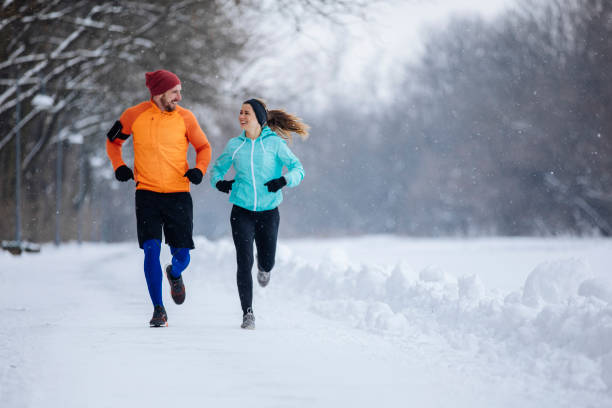
    Staying healthy during winter- your top tips from TheCity.ie. Photo courtesy of iStock

    By Johnathon Pearl

    Winter is here and exercise is more important than ever, not only for the body but also for the mind.

    With temperatures plummeting and evenings getting darker by the day, many people find motivation to exercise extremely difficult and as a result it simply gets lost in routine.

    Summer months provide people with a lot more freedom to exercise. A December night in Ireland lasts almost 17 hours and the days start about 4 hours earlier compared to the summer months.

    In Winter, particularly on weekdays it can be extremely difficult to get out for a run, go for a cycle and virtually impossible to go for a swim, unless you wanted hypothermia.

    So how do people go about exercising in the Winter?

    Strength and fitness coach Suzanne Flannagan explained just how important it is to keep up a level of exercise during the winter months and how to train efficiently.

    ‘’It is very important for young people to do some sort of exercise at all times but especially in the world we live in right now. 

    ‘’With technology so advanced it is so easy for young people to just sit inside with play stations, which keep them entertained until they go to sleep and not exercise at all.’’

    ‘’We all know it is very difficult in the winter months, (gets dark early) so planning is vitally important. Designate an hour when it is bright to exercise 4 or 5 times a day and it will make you feel so much better about yourself.”

    Suzanne Flannagan

    ‘’Any sort of exercise young people can benefit from, a simple jog out the back of the house, a workout with another family member, whatever people feel comfortable with.”

    Flannagan emphasized the need to plan before exercising.

    ‘’We all know it is very difficult in the winter months, (gets dark early) so planning is vitally important. Designate an hour when it is bright to exercise 4 or 5 times a day and it will make you feel so much better about yourself,” she explained.

    ‘’Plan a time to exercise at the start of the week or even the night before, so that you know its going to be bright while exercising.

    ‘You don’t’ have to go outside to exercise’ remarked Flannagan when asked about the shortened days.

    ‘’Equipment like an exercise bike, a treadmill or even a rowing machine can be used but even getting a matt out in a corner by yourself and doing body weight exercises is perfect. It will give a great boost to your day.

    It is well known that exercise releases happy thoughts in people’s brains. Several studies have been done showing exercising releases happy endorphins which in turn puts people into a much happier place mentally.

    Personal Trainer Gavin McCoy recently moved to Australia to study health and conditioning.

    Speaking to thecity.ie he gave tips for exercising in Winter but also commented on studying the benefits exercise can have on the mind.

    ‘’Exercise is so important, so many studies are done on it, but I still think the majority of people don’t actually realize how valuable it is.’

    ‘’Learning more about mental health over here, (Australia) makes you become such a big advocate to encourage people to have at least one piece of exercise in their daily lives.’

    ‘’A lot of fitness advocates that are big on Tik Tok and Instagram constantly talk about taking rest days, but that doesn’t mean that you can’t do yoga or stretching. I would be really big on doing a piece of exercise a day.

    ‘’Some people might not think it but for an exercise Yoga is probably one of the best things you can do. Especially with the early nights, find a peaceful place in your house bring your mat and do some Yoga, it is brilliant for the mind.’’

    ‘’Of course, running, swimming, cycling help but not everyone likes or can do them, an hour of meditating or stretching are also great ways of feeling better particularly as the days in Ireland are quite short.’’

    Talking about his studies he enlightens us on different ways to feel better about yourself and how different ways of exercising appeals to different personalities.

    ‘’Obviously, exercise is key but some of the ways I have learned that improves your mental health and day to day living are crazy.

    ‘’One of the probably eye-opening things we were told was having a cold shower at the start of every day. It is crazy because it puts you in such a good place mentally. 

    ‘’I know everyone loves a warm shower and they are nice but, the idea of having a cold shower in the morning is that it’s your first challenge of the day, the idea of a shower like that is that it isn’t supposed to be nice and relaxing it’s all about passing the first challenge of the day, it is brilliant.’’

    Gavin also stressed that ‘people should only focus on themselves and not other people.’

    ‘’I get asked about gym membership all the time, and whether or not people have to get gym membership to exercise, which just entirely isn’t the case. A lot of people focus on other people and what they are doing when all that people should be caring about is themselves.

    ‘’Going to the gym and working out with other people can be beneficial to some but it can be also quite daunting. It’s all about yourself and what you prefer, constantly thinking about what others are doing can be really difficult on people’ minds and it won’t allow you to get the best out of yourself.’’

    Exercising is one of the most important things to do in Winter. Whether it is a run, a cycle, yoga or even swimming, every little helps.

  • Interview with Brian Kennedy

    Interview with Brian Kennedy

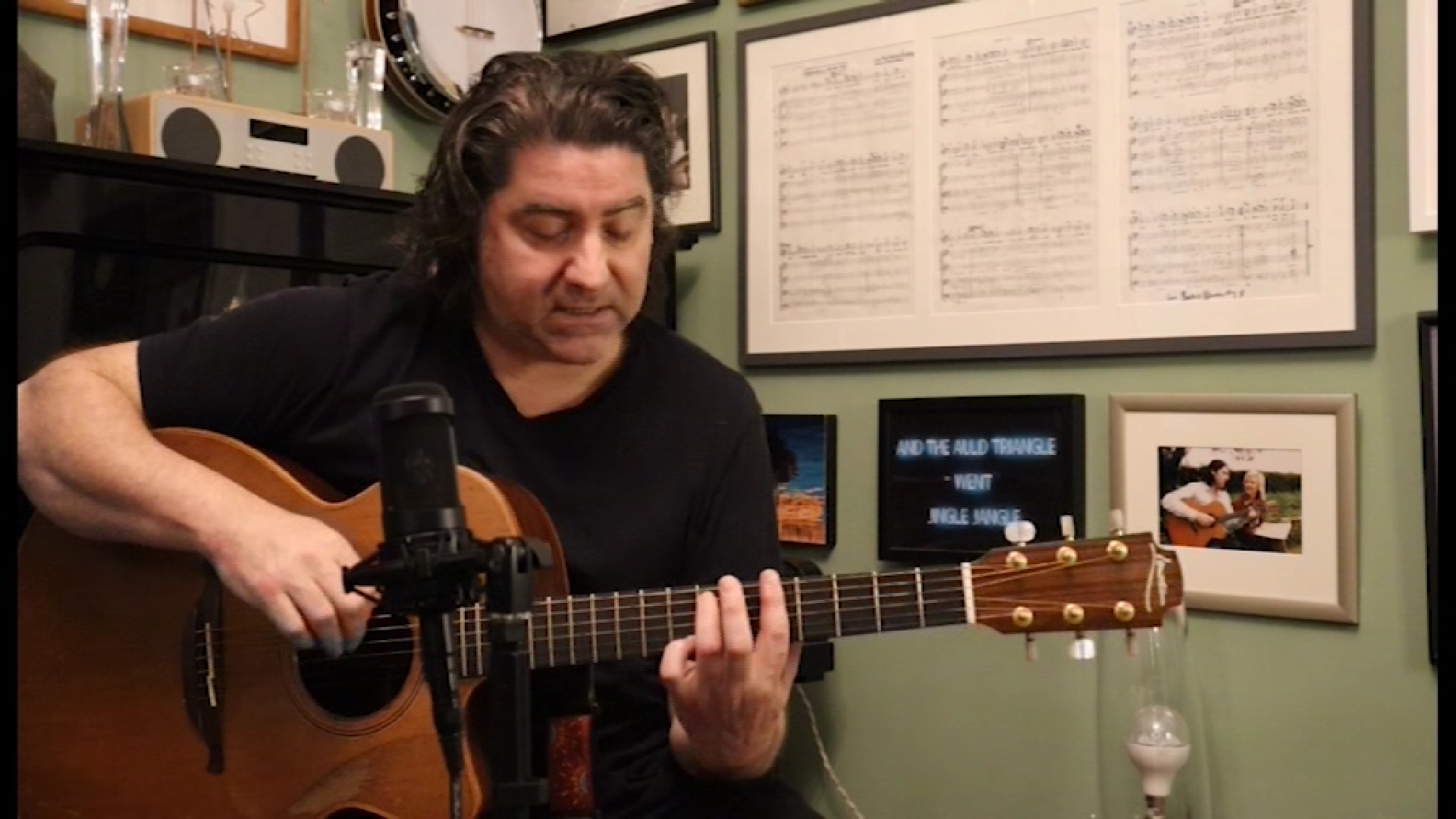
    TheCity.ie paid a visit to singer-songwriter and Irish music legend, Brian Kennedy at his Dublin 8 home. Brian chatted to us about his fascinating career, meeting his heroes, his guitar style, his writing and plenty more. He even gave us a live performance (or two). Ladies and gentlemen, Mr Brian Kennedy…

  • A community of highflyers

    A community of highflyers

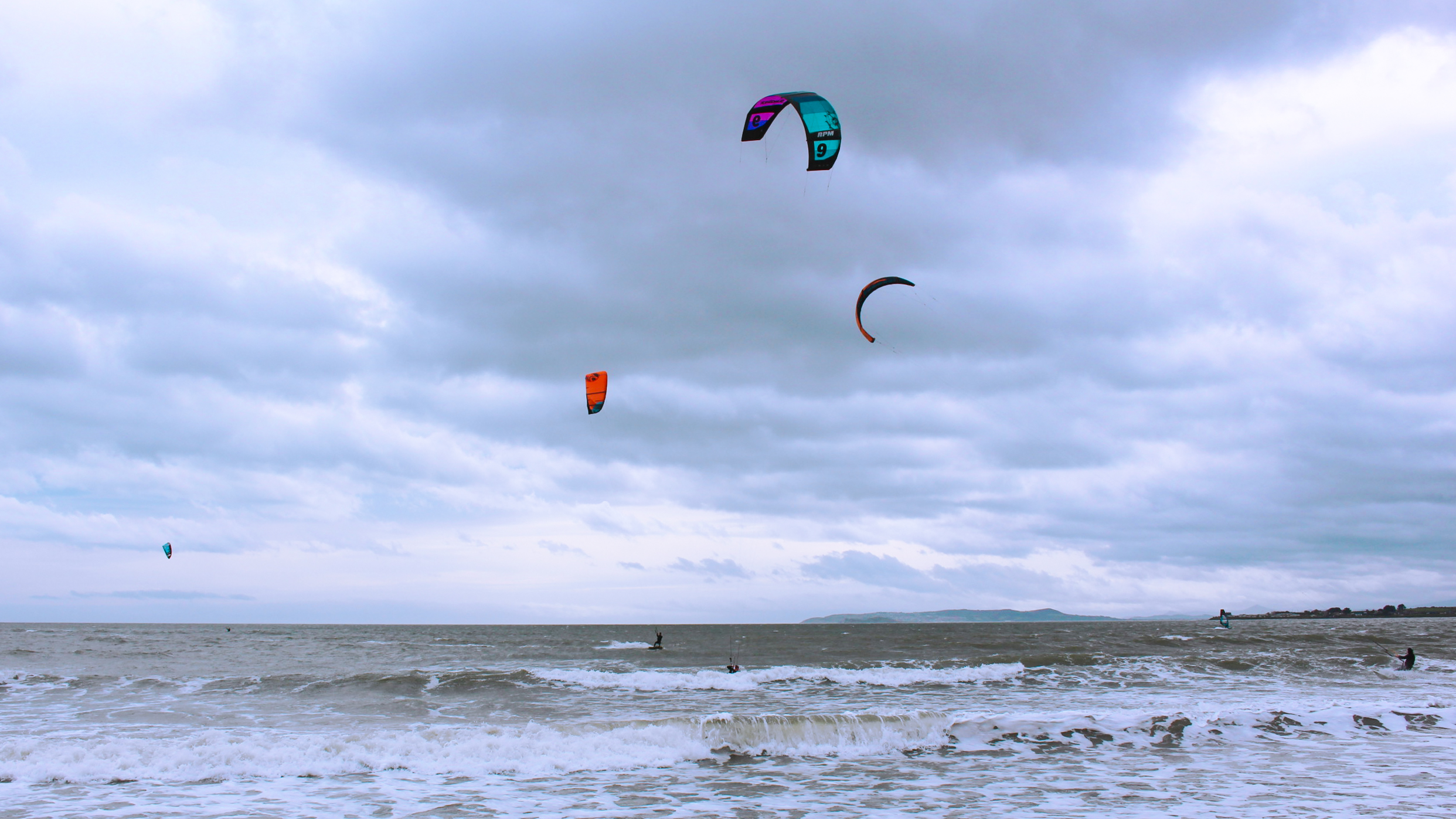
    On Rush’s South Beach in north county Dublin, a collection of kite and windsurfers gather. It’s a way of blowing off the cobwebs, finding a community, and getting in touch with nature. Here are some of the incredible sights I saw and people I spoke to.

    “I taught myself how to kite surf. I didn’t know anyone who did it, so I taught myself”
    “I’ve spent my entire life learning about the water and the winds,” says Oisin van Gelderen, an Irish windsurfing champion who has set the Irish speed sailing record. He started at age six in “Killary adventure centre when I was on holidays”. He says that windsurfers live for the water and the wind – “in the depths of January it’s a bit bleak, but it’s blowing 40 knots of wind and it’s a great wavey day – we’re out doing jumps and loops and all kinds of things. We couldn’t be happier. I feel incredibly lucky that we can do this. I’ve barely missed a windy day since I started”
    “Their power is 20 feet above their heads”
    “Ours is right in front of us”
    “Rush is one of the better wave beaches in Dublin”
    “I can still see us doing this in our 60s and 70s”
    “Even when you’re a beginner in windsurfing and you’re drifting along at five kilometres per hour, it feels like 50, because your body is part of the whole rig”
    Steven, pictured left, started windsurfing at the age of 12. One day, after his summer job of cutting grass at a water sports centre, he made use of the free gear available “and I just never stopped after that.” Garret, pictured right, started windsurfing when he was just nine years old on a campsite in West Cork. He saw a father and son learning to kite surf. The father invited him to join in, taught him to surf, and “now, that man’s son is one of my best friends.” The two travel all over Ireland with the sport and have raced in the Irish slalom series for years
    “We’re a very open group. If someone rocks up to the beach and they’re new, we’ll tell them where to go, where to get information, and welcome them in”
    “Kitesurfers are the Evangelical Christians of water sports – always trying to convert people”
    “I look at the clouds and see what way they’re going; I pay attention to the currents… I’m also glued to the weather app on my phone”
    Sailing into the sunrise
    Matthew is the founder of Fly High Windsurfing Ireland, an online group for windsurfers to connect. He’s also using the group to encourage surfers to clean up after themselves and leave no trace. “I’m obsessed with water sports,” he told me
    “You have to know the currents and you have to know the wind. If you don’t you’re gonna be in big trouble”
    “With the lockdowns you see all these sea swimmers now. For the first time ever, they’re considering swimming in the water. And people always ask, ‘is the water not freezing? Is it not mad wet?’ We’re wearing five mil wetsuits – I couldn’t be warmer. It’s like wearing a hot water bottle”
  • ‘It is vital for us to prioritize our sleep during this time’ –  How students can rest peacefully during a pandemic

    ‘It is vital for us to prioritize our sleep during this time’ – How students can rest peacefully during a pandemic

    As the Covid-19 pandemic continues to impact Ireland, many people have reported that they are having sleep issues. TheCity.ie’s Kim O’Leary speaks to sleep physiologist Motty Varghese about how to ensure students get a good night’s rest – especially as they approach the final few weeks of assessments.

    Students sleeping in lecture theatre (Photo: Pexels)

    For the last four weeks, I have found myself spending the late night hours constantly tossing and turning in my bed, unable to drift off into an uninterrupted sleep. There is always a distraction of some sort.

    The latest Covid-19 updates from Ireland and around the world, as well as the anxiety about final assessments at college, make it hard to ‘switch off’ and sleep through the night.

    With the final few weeks of the academic year upon us, many TU Dublin students are wondering how they can get some peaceful rest, despite the troubling circumstances they are experiencing.

    I interviewed Motty Varghese of The Sleep Therapy Clinic – a senior respiratory and sleep physiologist in St James’s Hospital Dublin since 2003. Mr Varghese is passionate about helping individuals with sleep disorders. He graduated as a Respiratory Therapist and is also a licensed Sleep Technologist with The Board Of Polysomnography Technologists in the United States. 

    College student asleep at her desk (Photo: Pexels)

    I started our interview by asking Motty Varghese, how many hours of sleep each night does the average person require?

    Varghese: Sleep need is variable between individuals and every individual’s sleep need is unique to themselves. The recommended sleep duration for an adult is over seven hours, and not recommended is less than six hours or over 10 hours. In sleep problems like insomnia, your sleep quantity can be compromised. In sleep disorders like obstructive sleep apnea or restless legs syndrome, you will have a tendency to sleep for a longer time. However, despite increased sleep duration, the person can still feel tired.

    Teenagers or young adults would also have a tendency to go to bed very late and wake up very late. If there is an extreme delay in sleep onset, it could be symptoms of Delayed Sleep Phase Disorder (DSPD) – unfortunately, this can have an adverse impact on their academic performance. This happens due to a delay in their circadian clock, not exclusively due to poor habits alone. This warrants therapy, since regularising their sleep patterns by strategic light exposure can bring multifaceted benefits.

    O’Leary: As the Covid-19 pandemic continues, do you think there has been a noticeable change or disruption in sleep patterns? If so, why?

    Varghese: Yes, this has been flagged as a problem by many. If you remember, the lockdown was implemented around the same time the clocks moved by an hour for DST. With the implementation of lockdown, many people started working remotely, and with it came some flexibility in the morning as well. Our sleep patterns changed and we started sleeping in in the morning. Along with it, there is a general anxiety about COVID 19 and this has been leading to an aroused mental state or a state of hyper-alertness for people. It is needless to say when we are hyperalert, our sleep onset can be delayed and the sleep quality can be compromised along with sleep quantity.

    O’Leary:   What recommendations/advice would you have as a sleep expert for TU Dublin students having difficulty getting enough sleep during the pandemic, as well as preparing for their final assessments and exams?

    Varghese: Your approach to protect your sleep should focus on a few factors:

    1.      Avoid a state of hyper-alertness

    Preoccupying yourself with thoughts of what is happening around you can lead to cognitive or mental arousal. You also want to be informed at the same time. Hence avoid consumption of news via TV, social media, or other sources close to bedtime. Relying on credible sources of information will help to avoid unnecessary panic. Engaging in some relaxing activities like meditating, doing some breathing exercises etc can also help reduce anxiety.

    2.      Prioritize sleep

    You know how important sleep is for you, yet you cannot force it. Understand that sleep is a natural process, but you can nurture it by adopting certain good habits. It may go against what your preferences are, but prioritizing sleep will pay you the dividends now, more than ever.

    3.      Have a routine

    It would also be unrealistic to ask you to adhere to the pre-lockdown sleep schedule since you have the flexibility of working/studying from home and not commute. You may be waking up late, but ensure you still have a structure and are not sleeping in too late. On the upside, at least you are not accumulating a “sleep debt” and focus on consistency of bedtime and wake time through the week. You can gradually move to an earlier wake time when the lockdown is over.

    4.      Know your rhythm

    Whether you are working or studying, productivity is an important factor to keep our stress levels down during lockdown. Everyone has a chronotype – evening, morning, or intermediate – based on your genetic coding. We also call them “larks” and “owls”. This would also mean you will have a preferred bedtime, wake time, and time of optimal alertness during the day. For instance, an evening type person tends to go to bed late and wake up late and a morning type person will do the exact opposite. Pay attention to this pattern of sleepiness at night and alertness during the day. You will be able to be productive and get more done by following your circadian rhythm.

    5.      Light

    Light is a powerhouse of energy. Focusing on light exposure during the day and reducing light exposure closer to bedtime indicates to our body about the day-night cycle and prepares itself for sleep at night and alertness during the day. Seek out natural daylight in the morning and avoid blue light exposure from screen devices for two hours before bed time.

    Blue light from screens can hinder sleep (Photo: Unsplash)

    O’Leary: Are there any particular food types that can help people to have a more restful night’s sleep?

    Varghese: A lot of research has been done into the effect of food on sleep. Research indicated a carbohydrate-rich meal ingested four hours before bedtime in the evening reduced sleep onset latency. It is also advised not to eat any food within 2-3 hours of bedtime since this can increase the body temperature (and delay sleep), cause heartburn, etc.

    Food that is rich in tryptophan is also mentioned in the proposed relation of food and sleep.

    O’Leary:  Is it true that less sleep may weaken the immune system and make people more susceptible to illness, such as this virus (Covid-19)?

    Varghese : It is true that sleep and immunity have a mutual relationship. We have known for a very long time that there is an increased chance to catch a common cold or to have flu symptoms if you are sleeping poorly. There is also evidence that the flu vaccination was more potent in individuals who were good sleepers compared to poor sleepers.

    It is also vital for us to prioritize our sleep during this time when we are constantly looking for a new line of defence against the virus. It would also be ideal if sleep becomes part of our public health messaging along with good dietary habits and exercise.

    O’Leary: Do you think that more studies should be carried out to analyze sleep patterns during the Covid-19 pandemic?

    Varghese: Pandemics like this are thankfully not a common occurrence and it will be useful to study how sleep patterns are affected during this period. It will help to prepare for any future pandemics if at all it happened. Sleep monitoring wearable devices (like Fitbit) will come in handy in situations like this to look at the sleep habits of a large number of people.

    O’Leary: Some people are also reporting that they are having vivid dreams as of late, do you think that dreams are an important coping mechanism during this stressful time?

    Varghese: Dreams occur during a specific stage of sleep called REM sleep. The functions of REM sleep are memory formation and emotion regulation. The information which we take in during the day is processed during REM sleep and converted to memory.

    Unfortunately, we have an information overload now which is not very pleasant, and this may be having an effect on our dreams.

    Most of the REM sleep or dream sleep happens in the second half of the night. So we may also be getting some more dreams in the extended sleep period in morning hours and these dreams are possibly influenced by the information we received the previous day.

  • Watch: Life under lockdown –cricketers prepare for a new season

    Watch: Life under lockdown –cricketers prepare for a new season

    Cork Harelquins Cricket Club, June 2018. Photo: Ted Williamson

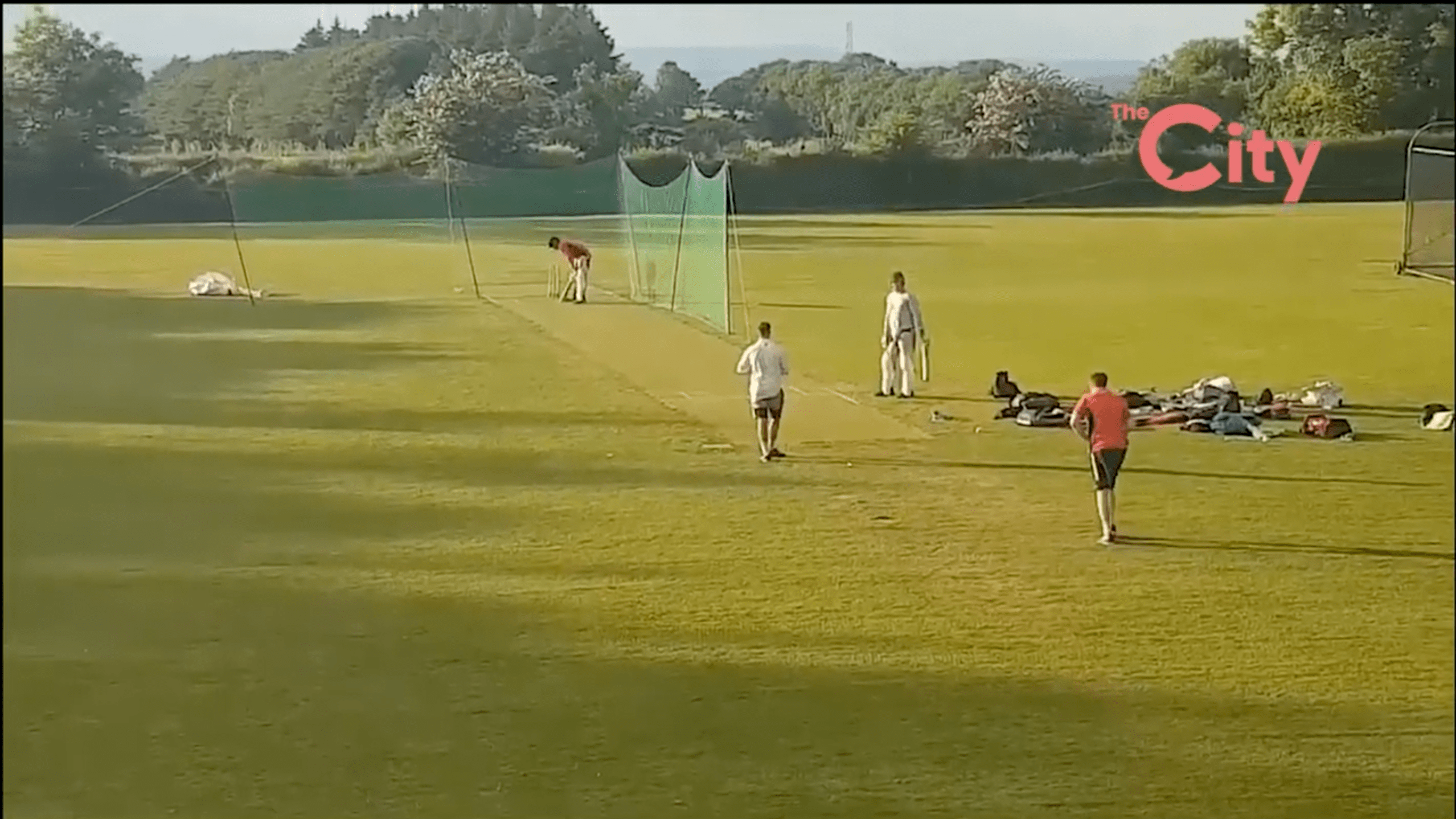
    TheCity.ie reporter and Munster interprovincial cricketer Ruadhán Jones has been looking at how cricket clubs and professional teams are preparing for the season under lockdown. He spoke to Ted Williamson, Munster Red’s interprovincial head coach and coach Cork Harlequins CC, and Kieran Sheffron — Munster’s strength and conditioning coach.

    Sports seasons have been cut-off, curtailed, or simply cancelled as a result of the coronavirus. As we enter the summer months, experts have warned that a return to contact sports is “a long way off”.

    But not all hope is lost. Speaking to RTE, Dr Paddy Considine — a sports economist — said that “there will be a hierarchy. Individual sports will have an advantage, while team sports or contact sports will be under pressure.”

    On top of this, Sport Ireland chief executive John Treacy said that non-contact, outdoor sports will be “a priority” when restrictions are lifted.

    For the likes of the GAA, soccer and rugby, this still makes a summer season unlikely. However, some non-contact outdoor sports have an outside chance of playing a shortened season – this includes cricket.

    As a member of an interprovincial panel, we have to do everything we can to be ready to hit the ground running. But it’s not all about the professionals – clubs are working hard to keep their members involved and active.

    To find out how teams and players are preparing, I spoke to Ted Williamson, head coach of the Munster Reds and coach at his local club Cork Harlequins CC, and to Kieran Sheffron, Munster’s strength and conditioning coach.

    Life under lockdown – cricketers prepare for a new season

  • Newbridge in pictures: Rural Kildare town adjusting to restrictions during Covid-19

    Newbridge in pictures: Rural Kildare town adjusting to restrictions during Covid-19

    TheCity.ie’s Kim O’Leary presents a collection of her own photos from her hometown of Newbridge, Co Kildare, where big and small businesses are fighting to adjust to restrictions – cautiously optimistic that their beloved town will one day flourish again.

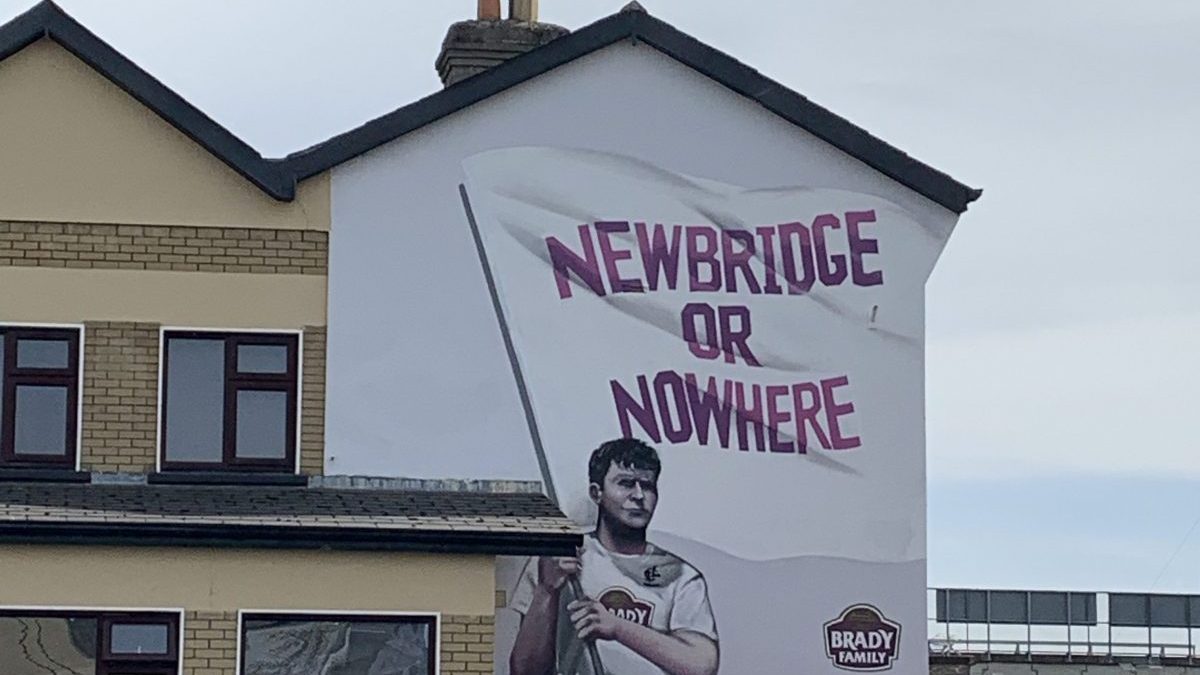
    ‘Newbridge or Nowhere’ became the town’s unofficial mantra following the summer of 2018 debacle, when Kildare rejected the choice of Croke Park as the venue for their All-Ireland qualifier round 3 match with Mayo. In the end the match was played in Newbridge’s St. Conleth’s Park and saw the Lilywhites emerge victorious over Mayo. This mural was painted to cement the landmark victory. (March, 2020)

    The Covid-19 pandemic has changed normal life as we know it, with many local businesses bearing the brunt of changes to the economic climate. And for my small rural town of Newbridge in Co Kildare, the difference between Newbridge before and during Covid-19 is startling; shops are closed, people now wear masks and gloves to the supermarkets and the atmosphere of dread and fear is palpable in the air.

    Newbridge Town Hall is located at the very heart of the town and the building has been used as a dance hall, a FÁS training centre, a bingo hall, a storage unit and it was also headquarters to the town commission and the community council. The first stone of the town hall (which is formerly a barracks chapel) was laid in 1859 by Lieutenant General Sir James Chatterton. (March, 2020)

    Newbridge, officially known by its Irish name Droichead Nua, is a town in County Kildare, Ireland. While the nearby Great Connell Priory was founded in the 13th century, the town itself formed from the 18th century onwards. The town grew to include a military barracks which opened in the early 19th century, which continues to function.

    The back-end streets behind Main Street in Newbridge are lonely during the Covid-19 pandemic, with many of the small shops and businesses closed. (April, 2020)

    In the 20th century the town saw great expansion of local business, and Newbridge began acting as a commuter town for Dublin. Over the last twenty years, the town has seen its population soar to 22,742 in the 2016 Census – making it the most populous town in Kildare.

    The newly refurbished post office in Newbridge opened earlier in the year, and it remains open during the Covid-19 pandemic to provide essential services to the town’s inhabitants. (April, 2020).

    In many ways — with GAA being so popular — you’re either a Moorefield or Sarsfields fan, with downtown considered Sarsfields’s turf.

    Like most places still open for business in Newbridge, strict ‘social-distancing’ practices are in operation inside the post office. Make sure to stay two metres apart. (April, 2020)

    St. Conleth’s GAA Park is located downtown, so when these two rival sides come together to play GAA, it’s sure to an entertaining display of Gaelic football prowess. In October 2019, Sarsfields were declared Kildare Senior Football Champions for the 25th time in their history after they claimed a six point victory over Moorefield in St. Conleth’s Park.

    People wear masks as they queue up outside the post office in Newbridge, adhering to the 2 metres social distancing rule. (April, 2020)
    It’s not all doom and gloom for local businesses, with SPAR and Life Pharmacy among the essential stores remaining open during the pandemic. (April, 2020)
    Judge Roy Beans restaurant on Edward Street is a must-see for burger lovers, with the American style restaurant crowned ‘Best Pub Burger’ two years in a row. Currently the restaurant is operating a takeaway service due to Covid-19 and its next door neighbour the EBS building society is open for business as usual. (April, 2020)
    Whitewater Shopping Centre — located on Main Street in Newbridge — is one of the country’s largest shopping centres, with thousands of visitors flocking to it every year. At the moment, many of its non-essential shops have closed but its outdoor water features are still proving popular with families. (April, 2020)
    Escalators have been powered down in the Whitewater Shopping Centre, with only a handful of stores open including the Marks & Spencer food hall. (April, 2020)
    A blind man walking down Main Street in Newbridge during the Covid-19 pandemic over Easter weekend. (April, 2020)

    The very top of the town is home to the larger supermarkets of Dunnes Stores and Tesco, as well as the newly opened skate park, and fast-food giants McDonalds and KFC.

    For the first time in their history since opening in Newbridge, McDonalds and KFC on Moorefield Road are shut for business with empty carparks over the Easter weekend. McDonalds shut its doors on Monday, April 23 and KFC shut on Wednesday, March 25.
    (April, 2020)
    A solitary man eats outside KFC in Newbridge during Covid-19. (April, 2020)
    The Dunnes Stores carpark in Newbridge is almost full as shoppers flock to gather their much-need food supplies. (April, 2020)
    A female shopper dressed in mask and gloves for this shopping excursion. (April, 2020)
    A woman visits the fish monger to collect her order. (April, 2020)
    The popular skate park in Newbridge opened last April after 20 years of campaigning by skate boarding enthusiasts, but during Covid-19 the park is going mostly unused. (April, 2020)
    One of the most iconic businesses located in Newbridge is of course Newbridge Silverware, which has spent over 80 years in the town. Its Museum of Style Icons features pop culture memorabilia from Princess Diana’s dresses to suits worn by The Beatles, and much more. (March, 2020)

  • The rise of male grooming

    The rise of male grooming

    By Peter McKenna

    There has been a palpable shift in the culture of male grooming in the last decade.  In the past a man’s travel bag might consist of a toothbrush, a razor, some moisturiser and shampoo.  But now shifting social norms have created a focus on image and the importance of maintaining a presentable and desirable image.  This is in contrast to the historical differences between male and female grooming traditions. Now more cosmetic companies provide ranges of products for both men and women.  

    A big focus has fallen on self confidence and the desire to feel more attractive. People are concerned with their image, whether it is to feel more confident or otherwise it is an upward trend.  At a basic level for cosmetic companies this means more money. The growing premise which many of these companies market their products on is the increasing want to look more youthful.  Both men and women alike wish want to look more youthful, and unless the fountain of youth is found, cosmetics is among the best alternatives.  It has meant that male grooming and the male cosmetic market growing at unprecedented levels.  

    Companies like L’Oreal have recently shifted the amount of money they invest into their Men Expert line.  It is no easy task for a company who have primarily been concerned with marketing female products to shift their focus and it is also a barrier for their male consumers, as not many would not identify L’Oreal as a male friendly product.

    In terms of an Irish context the leaps and bounds that male grooming has made in the last fifteen years is colossal.  In times gone by it would be commonplace to sneer or make fun of a man who enjoyed taking care of his appearance, as it was considered a feminie preoccupation.  However it seems that over the last decade the opinions of male grooming have taken a sharp turn, and now male grooming practices in Ireland are becoming more popular than ever before.

    There is a wide variety of male grooming practices that range from chest shaving, waxing, tanning, teeth whitening, and many more activities. While the importance of image is considered a wholly positive shift, is there a danger of becoming too concerned with image?  

    Irish figures on the increasing popularity of the culture has been confirmed through a 2017 jobs.ie study which contended that the sectors employment continues to grow.  Ireland’s hair and beauty sector alone saw an increase of 56% when comparing 2017 to the year before.  The growing popularity of specialised or niche grooming salons is apparent throughout Dublin city.  

    It is no secret that a growing trend in male grooming is being seen across Ireland.  The growing popularity has also meant an increase in the price of the services which is making hairdressing a more lucrative and attractive profession to work in.  This popular trend is also being helped along through social media posts by influencers and celebrities who are concerned with the image they portray to the wider public.

    Jack Davis, a PeterMark employee who specialises in hair colouring spoke openly about the shift in popularity in men’s grooming and the reasoning behind it.

    “Well I think it’s all tied in with people as a whole taking better care of themselves and the image of themselves that they want to present to others. I’ve noticed an increase in the numbers of men that would come in to have their colour done.  Even five years ago to today, the shift in popularity is huge.”

    Is this trend in men’s grooming going to continue to grow with the increasing awareness of self image in today’s world? 

    “Hopefully it does as it means I won’t be out of work anytime soon.  Although the rise in popularity of male grooming has made for an increase in work, it also has seen the competition between businesses rise.  People want to support people they know and I think that’s why smaller hyper local barbers are doing better than ever before.  I can’t see this trend slowing down anytime soon.”