Tag: litter

  • Cleanup in Ireland’s dirtiest old town

    Cleanup in Ireland’s dirtiest old town

    Watch Colm McGuirk investigate cleaning up the streets in Dublin

    According to work carried out by Irish Business Against Litter and An Taisce, the level of littering in Ireland reached a 13-year high last year. Of the 37 towns and cities inspected, the amount of litter increased in 24.

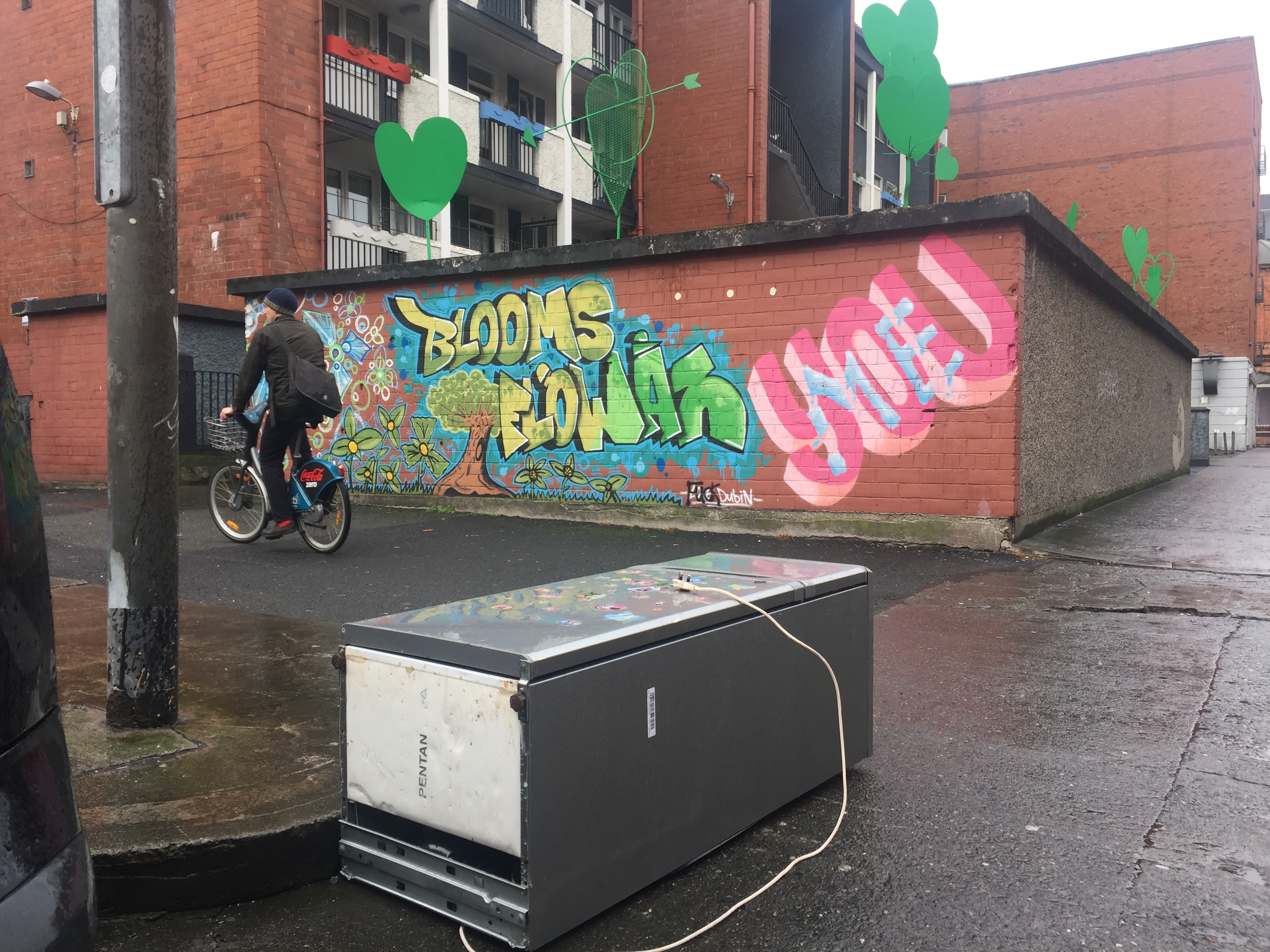
    With parts of Dublin ranked worst overall for litter volume and illegal dumping, community cleanup groups in the capital are a welcome sight. The City joined one such group as they treated a sports court in The Liberties area to a spring clean.

    “We’re aiming to do cleanups around Dublin within our 5k,” says Kathleen Reilly, referring to the allowed travel limit under Covid restrictions.

    Spurred into action by the state of the stretch of the Royal Canal near her home, Reilly’s friend Ciara Haughney proposed the group’s first cleanup in March.

    “I just got so down and disheartened looking at all the trash in the canal,” she says. “Especially when you see nesting birds and swans trying to make a nest, and they’re picking up litter with their beaks. It’s just really depressing.”

    After being supplied with litter pickers, bags and gloves by Dublin City Council, Haughney put the word out to friends in the area, “and surprisingly loads of them were like, ‘yeah it’s a disgrace, I really want to help.’”

    The success of the first cleanup effort encouraged Kathleen Reilly to set up an Instagram page, and more volunteers signed up.

    “Whenever you actually look,” says Reilly, “it’s very dirty. There’s a lot of litter, there’s a lot of dumping. It’s not pretty to look at. So it’s just kind of encouraging people to be looking after their city.”

    A number of factors connected to the Covid-19 pandemic have contributed to the recent spike in littering. Firstly, restrictions on indoor activities have meant a massive increase in outdoor recreation, where not everyone, it seems, pays the appropriate respect to the surroundings they’re enjoying.

    Another factor is the deluge of disposable containers produced by a shift to a takeaway model for restaurants, bars and cafes, while PPE equipment also featured high up on An Taisce’s list of most common litter items.

    How rubbish! An image of torn bin bags with their content scattered across the pavement. Photo by Colm McGuirk

    Cleaning up the streets during Covid-19 has brought its own unique challenges for councils.

    “We’ve broken our [street cleaning] crews into pods,” says John McPartlan, Dublin City Council public domain officer. “If someone is sick or is a close contact, you lose that person; you can’t take anybody from another pod to make up for it.”

    McPartlan also explained the rationale behind the positioning of bins in the city – many have suggested there aren’t enough around.

    “The rule of thumb for a bin is that the area has to have heavy footfall or else have food outlets like chippers or takeaways, sandwich shops, that type of thing. Where someone comes out and eats their food and then wants a bin. We don’t put bins in housing estates, or quiet streets.

    “A lot of the parks only have bins at the entrance to the park. The workers in the park are there to maintain the park and then the waste management function is to empty the bins. But you won’t have vehicular access into the parks, which is generally how we empty bins; we send the side loader around. But we do try to put as many bins in heavily used areas as we can. We’ve started putting out beach barrels now in these locations [that have recently become popular for outdoor recreation].”

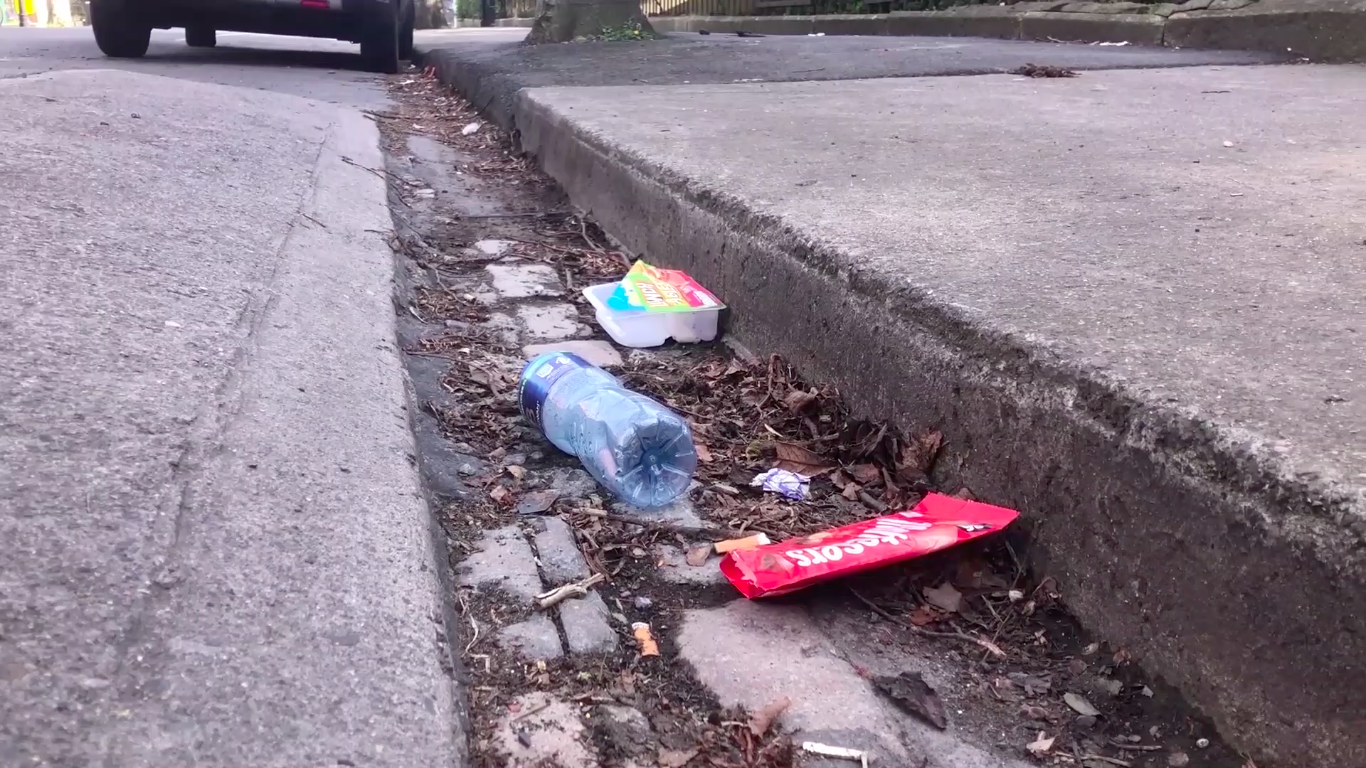
    Today’s snack, tomorrow’s problem? Photo by Colm McGuirk

    To date, Haughney and Reilly’s group have done six cleanups and counting, and anyone can join in; look for Make Our Streets Clean on Instagram if you’d like to get involved. The floor is open to suggestions on where to tidy up next – the scene of today’s mission is beside the home of one of the volunteers.

    Alternatively, search online for a similar group near you, or ask your local council for litter-picking equipment.
  • Visible litter only means of tracking nitrous oxide use

    Visible litter only means of tracking nitrous oxide use

    The popularity of the use of the drug is measured by the amount of visible drug-related litter left behind. Rebecca Daly investigates this and the problem as a whole.

    The popularity of the use of nitrous oxide is measured by drug-related litter

    The popularity of the use of nitrous oxide as a drug is measured by the amount of visible drug-related litter left behind, the National Planning Specialist department of the HSE has revealed.  

    A Freedom of Information request to the HSE asked for a timeline of the popularity of the use of nitrous oxide. It said, “On review of the Irish situation, reports from community services indicate that nitrous oxide use began emerging in some Dublin communities over the last 18 months to two year period based on visible drug-related litter.”

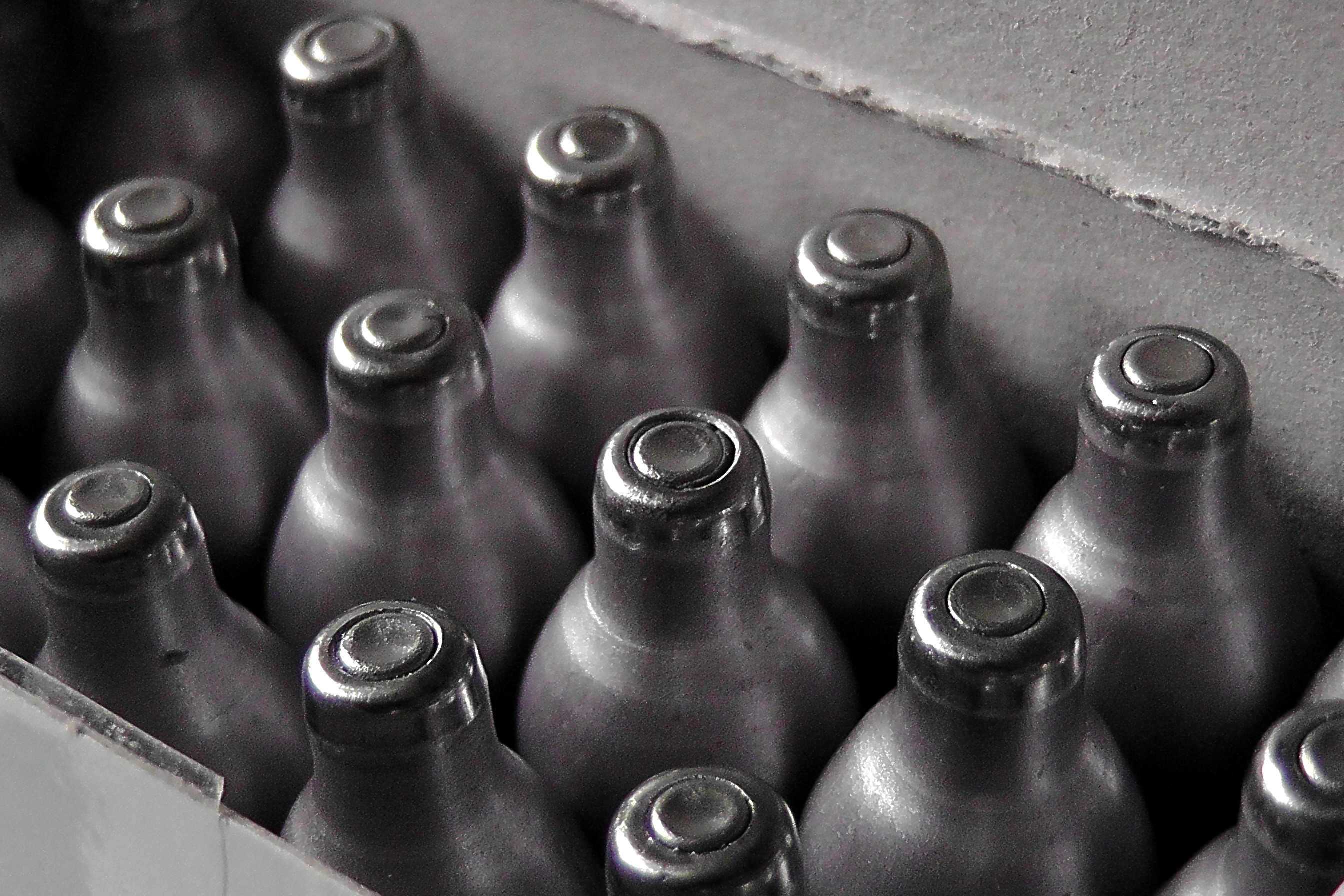
    In this case, “visible drug-related litter” means small cylindrical canisters or “whippets” used to charge whipped cream dispensers. These whippets are placed into a dispenser to fill a balloon that users can then inhale. 

    A follow-up question about this confirmed that at the moment, the only way the popularity of the use of the drug is measured in Ireland is by the visible litter left behind. 

    A spokesperson from the HSE National Social Inclusion Office said, “At present, nitrous oxide is not represented in traditional data sets such as in the general population survey, treatment data or the national drug-related death index.”

    Drug use behaviour data is usually captured at a national level by the Health Research Board, who conduct general population surveys, collate treatment figures, and gather publications on drug-related deaths. 

    The HSE is also presented with information on emerging trends from hospital presentations, stakeholders, and services. However, in terms of nitrous oxide use in Ireland, community services highlighting visible drug litter is the only method of reporting this issue. 

    “Nitrous oxide prevalence has developed at a slower pace in Ireland compared to European counterparts, who report use over a longer period of time,” the spokesperson said. 

    This method of tracking the popularity of the drug could mean that many issues relating to it could go under the radar – if whippet users correctly dispose of their litter instead of leaving it lying around streets and in parks. 

    Fianna Fáil councilor Shane Moynihan said that the use of nitrous oxide as a drug is a “sleeping issue” in his local electorate area of Palmerstown-Fonthill. 

    As a result of people being confined to their 5km during the first lockdown, the issue came to a head as whippets could be seen discarded in parks and residential areas. 

    “That brought it into focus for people. First of all, asking what they were and obviously people were able to find out effectively that it’s drug taking but also then the dangers inherent to them,” Moynihan said. 

    Whippets are used in catering and because of this, they are easily purchased online by anyone who comes across them. Moynihan said, “There are dealers that are buying bulk packets of these online because they can and masquerading as catering companies and then they’re dealing them out at massive markup.”

    In relation to how the popularity of this drug is traced, Moynihan said, “The issue at hand is because they are legal for use in catering and stuff like that, it’s very difficult. I struggle to think of how else you would track it.” 

    Monitoring the sale of whippets through online platforms is perhaps the only viable way to prevent them from being used for non-legitimate reasons. Without a system to ensure that only catering companies or those who genuinely need to use nitrous oxide can buy them, this is not an easy thing to do. 

    “Unless you’re capturing how much is being bought online, which is pretty difficult, looking at the remnants is probably the best way to do it because you know in those cases that it’s being used for the purpose that they’re not designed for i.e drug-taking,” he said. 

    Sinn Féin TD Mark Ward for Dublin Mid-West agreed with the difficulty posed by this issue and said, “That’s the only way they can trace at the moment because there hasn’t been legislation brought in that can track the nitrous oxide coming into the country.”

    In order to combat people buying whippets for non-legitimate reasons, Ward suggested having registration numbers connected with each box of whippets or shipping of them, as there needs to be “some sort of traceability”.

    “If those canisters are found strewn around the streets, they could be traced back to the supplier that they were meant to come in from. Then there would be cumulative measures taken from that stage,” Ward said. 

  • Litter louts still a problem in Dublin city

    Litter louts still a problem in Dublin city

    James Carroll sniffs around the dirty business of illegal dumping in Dublin.


    The law is being flouted in Dublin by some businesses, as two-thirds of litter fines are going unpaid.

    Anti-litter campaigner Cieran Perry, a member of Dublin City Council, said that rubbish is being dumped and littered on the streets of Dublin at a distressing rate. “The number one reason is, the will is not there to enforce it,” he said.

    “We have a litter problem in Dublin,” Perry adds. “If you go to a lot of places in and around the city, you see a lot of dumped bags.”

    2017-02-27-12-16-27
    Litter on the streets of Dublin, image by James Carroll

    The figures of unpaid fines, and the lack of will behind them, are distinctly clear to see. “There is no detailed breakdown as to why those fines were not paid,” Perry said.

    “If management were serious about tackling the litter and illegal dumping, they would have gone through the figures and seen where it is happening. They haven’t done the basic analysis to see where the fall down is.”

    On the spot fines for littering is €150 and the council spends €300,000 cleaning chewing gum and another €500,000 a year on cleaning graffiti.

    2017-02-22-13-55-07-hdr
    Litter on the streets of Dublin, image by James Carroll.

    An example of the law being disregarded and the council not being on top of matters was in 2015, when, according to Perry, 70 fines were issued to a pop-up shop, Halloween HQ, for illegal postering. “None of the fines were paid,” he said.

    2017-02-27 10.29.53.jpg
    Rubbish on the streets of Dublin, image by James Carroll

    “No other legislation would be breached like that. If you were towed for illegal parking, you would not write to the council saying I do not respect your authority, it just does not happen.”

    According to Perry, Halloween HQ last year again put up posters illegally. The council knew the premises, identified the offender but did not pursue the fines.

    “I regularly asked about how the progress of the 70 fines was going,” Perry says. He says the council has responded by saying “they could no longer release that info because of data protection”. 

    Perry says Halloween HQ is not the biggest offender, but is an example of the lack of interest in tackling the problem.

    The main problem for the council is businesses leave their waste outside, at the wrong time of the day, so waste sits idle on the streets outside the premises. Waste must be off the street between 10am and 5pm.

    2017-02-22-14-02-55
    Litter on the streets of Dublin, image by James Carroll

    “Usually how the council find illegal dumpers is by finding letters with their addresses in the bags but recently dumpers have become more canny,” Perry said.

    Initiatives that the council have installed to deter the public from illegal dumping have generally worked.“When there is an initiative started, the figures stand out a mile,” he said.

    CCTV have been installed in areas such as Glenvale in Lucan, Church Lane in Rathfarnham and Russel Square in Tallaght.

    Audio messages have also been installed in areas to tell dog owners to clean up after their pets in parks in Palmerstown, Tallaght, Walkinstown, Wellington and Greenhills park.

    In a road that is local to councillor Perry, bags are dumped in the exact same spot every day and collected, unofficially, every day.

    2017-02-27-10-29-27
    Litter on the streets of Dublin, image by James Carroll.

    “What has become the norm on this road, in particular, is as new people move in, they see what is happening and assume it is a collection service,” he said.

    “I’ve seen people do this in broad daylight and clearly they must feel that they are not illegally dumping.”

    Perry believes there is no incentive not to dump because there is little chance of being caught: “If you are caught, there is a one in three chance of being fined.”

    2017-02-27-12-15-44-1
    Litter on the streets of Dublin, image by James Carroll.

    In Dublin Central 691 fines were issued by five litter wardens in 2015. That’s fewer than 140 fines per warden, approximately one fine every second working day.

    Some 465 prosecutions were taken, but there were only 47 convictions.