Tag: Medical care

  • PrEP programme to be introduced in Ireland by November

    PrEP programme to be introduced in Ireland by November

    By Luke Toomey

    Taoiseach Leo Varadkar, Health Minister Simon Harris and Health Promotion Minister Catherine Byrne have announced that a HIV PrEP (pre-exposure prophylaxis) programme will begin from November.

    The programme will initially be rolled out in a limited number of clinics and will expand in 2020 following Minister Byrne’s announcement that €5.4 million is being made available in Budget 2020 for the full roll-out of a “world-class” PrEP programme in Ireland.

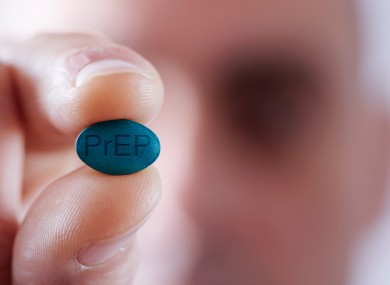
    PrEP is a pre-emptive oral anti-retroviral medication for HIV-negative people to reduce their risk of getting HIV through sex or sharing needles. The combination of tenofovir and emtricitabine (sometimes known as truvada) is proven to be 92-99% effective.

    To date, PrEP has been prohibitively expensive and has only been available to buy in Ireland on prescription at a price of over €400 a month for the brand-name medication, and around €100 for the generic equivalent.

    “To date, PrEP has been prohibitively expensive and has only been available to buy in Ireland on prescription”

    “The budget announcement of a PrEP programme for Ireland in 2020 is welcome although long overdue,” said Noel Donnellon, member of ACT UP Dublin, a group committed to ending the HIV crisis. ACT UP Dublin reformed in 2016, following the dramatic spike in HIV diagnoses.

    Photo Credit: Dept of Health

    HIV diagnoses reached a record high last year, with 531 cases in 2018 according to figures released by the HSE. The number is an 8% increase from figures in 2017. However, many experts are keen to point out that this rise is also related in part to an increase in the number of individuals getting tested.

    “We will be carefully monitoring the roll-out, but we are concerned at the continuing underfunding of sexual health services that are needed to underpin a successful programme,” said Donnellon.

    Those eligible for free PrEP, will need to get a drug payment scheme (DPS) card. There is no means test for a drug-payment scheme card but it does require a PPS number.

    “For decades we have confined conversations about HIV to the shadows. Those living with HIV have felt stigmatised and shamed”

    Minister for Health Simon Harris highlighted the importance of reaching this milestone.

    “For decades we have confined conversations about HIV to the shadows. Those living with HIV have felt stigmatised and shamed,” he said.

    “Today, all that changes. From next month, the State will introduce a PrEP programme and confront the increase in cases of HIV in a real and practical way.”

    Dr Fiona Lyons, Consultant in Genitourinary and HIV Medicine, GUIDE Clinic, St. James’s welcomed the imminent availability of PrEP without charge to those at risk of acquiring HIV.

    “PrEP is an important part of the HIV prevention jigsaw puzzle that together with other HIV prevention interventions, should reduce the number of new HIV infections in Ireland,” she said.

    “I also welcome the announcement by the Government of the roll out of a PrEP programme which includes resources to support services to implement PrEP. This is crucial to successful PrEP implementation. I would like to thank everyone who has worked so hard to make this happen.”
  • EMTs – there when they are needed most

    EMTs – there when they are needed most

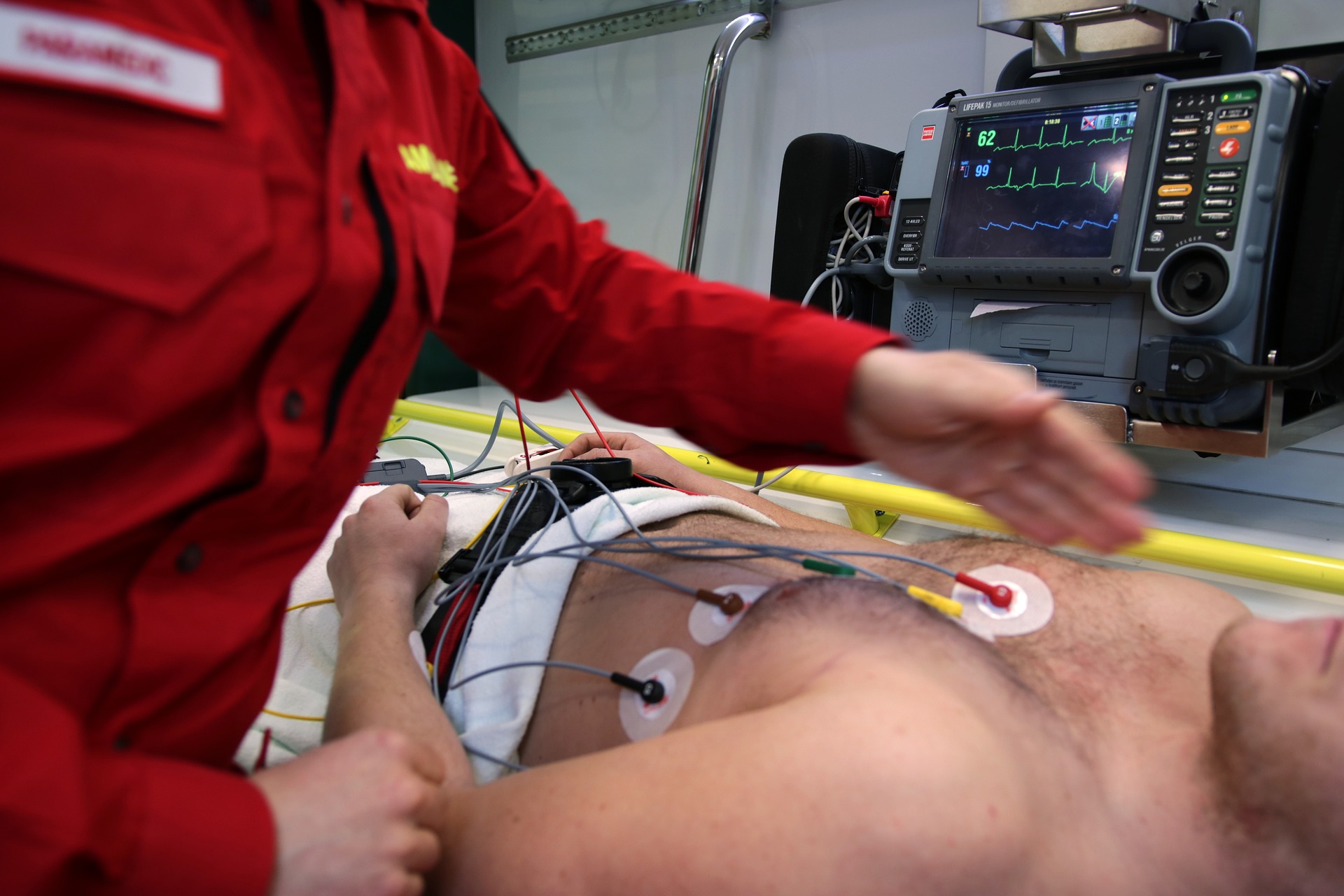
    Everyday EMTs work with people in medical emergencies and ensure their safe delivery to the hospital.

    Sinead Ní Shuilleabhain has always had the passion for helping people and an interest in pre-hospital emergency care. She wanted to be an EMT after leaving school in 2008 but there wasn’t a formal course at the time.

    Then in 2017, she finally bit the bullet and attended an emergency medical technician course with the Irish Ambulance Training Institute and graduated with a qualification in Emergency Medical Technology (NQ- EMT).

    “It was an intensive course. It used to be a year long but now it’s only four weeks. I did it full time, a week on, a week off. We started off learning cardiac first response at an advanced level. So, if someone was to go into cardiac arrest, I am able to administer drugs and use advanced life-saving techniques in an effort to save them.

    “From that, we moved onto spinal care, the full body anatomy, respiratory arrest. All the major issues you’d encounter out on the road or in trauma incident. For example, if someone’s in a car accident this training informs you on how to help someone based on their signs and symptoms. After that, we had to do forty weeks of clinical placement on an ambulance that was followed by two state exams.”

    Every EMT student has to pass the Objective Structured Clinical Examination (OSCE). The OSCE is used to assess health care professionals in a clinical setting. However, unlike other clinical exams, the OCSE expose the trainees’ communication skills and the ability to handle unpredictable patient behaviour which is vital for emergency work.

    IMG-1410
    After years of contemplation, Ms Ní Shuilleabhain began studying as an emergency medical technician // Megan Kavanagh

    “The exams are tough. The first one is a multiple choice questionnaire and the second one is an observed structured clinical exam. In this, you’re just given a scenario where you have to go down a mental checklist from A to Z and make sure you hit all the boxes. It’s hard, you’ve only eight minutes to do it.”

    The stress that comes with this training is no doubt high with exams and the constant pressure to perform but her advice for people getting ready to sit the OSCE is practice makes perfect.

    “Practice. Keep practising. Ask your family member to help out. Take their blood pressure, take basic vitals. Keep practising procedure and doing it over and over in your head until you know it start to finish and then do it some more. The OSCE is so important and if you miss something you have to be able to identify it and then come back to it at the end. You need to know that you’ve looked after your patient from start to finish and that their care is 100% complete,” she said.

    Being an EMT can be physically and emotionally draining and they often deal with situations that increase their stress levels and have an impact on their emotional state. Caroline Elton’s book “Also Human” dives into research on what it is like to be a junior doctor but focuses on emotion in medicine. The book has caused a lot of debate around whether emotions should be removed from medicine.

    Sinead said: “No, I don’t think emotion should be removed from what I do. I think that if you say you’re not going to be emotional and you’re not going to take on your patient’s emotions then you’re not in the right job. You need to be able to balance both aspects of emotional care and professional. Someone might have gotten the worst news of their life in a hospital room and then you have to sit with them for the next two hours. In this situation you’ll find that you’re more than an EMT but also a spiritual guide. Some people might not have a family, we can’t lie to our patients. Understanding patients emotions and what they need during this time is crucial.

    “I’ve dealt with a lot of patients that are going for end of life care and then when I’m working up in the control room you might find out that, that person has actually passed away.

    “You’re one of the final people that they meet on their journey to [the] hospice and that can mean the world to someone and to that person’s family.

    “You have to take on the emotional side of it but remember that you have people and family at home that can support you. Sometimes, it takes a lot out of you and I know it sounds cheesy and that everyone says it but knowing that you’ve looked after someone to the best of your ability is the most rewarding feeling,” she continued.

    Ms Ní Shuilleabhain’s week consists of two rotating jobs between an on the road EMT and as a Duty Controller in the control room scheduling and managing the chaos.

    It was recently revealed that the HSE has no plans to provide paramedics with body cameras even though they are at risk of violence and aggression every day they do there job. EMTs aren’t allowed to restrain patients.

    “Because I work with a private ambulance service, I wouldn’t really see much of that (violence) but it does happen that patients are aggressive [sometimes]. So you need to pick up the signs and warnings before getting them into the ambulance. If you’re not comfortable transporting them, you can request security to travel with you or refuse to bring the patient.”

    She said a co-worker had been assaulted at one stage. “There’s very little you can do during incidents like those because we’re not allowed to restrain patients. It does happen, which is why during January we will be learning defence techniques called release hold. It’s a method used to push people off you without actually laying your hands on another person.”