Tag: Men’s Health

  • Movember helps MENtal and Physical Health

    Movember helps MENtal and Physical Health

    Shay Galon

    Already three quarters through the month, Shay Galon reports on how social media allows Movember to spearhead the change in perceptions of masculinity for the better. 

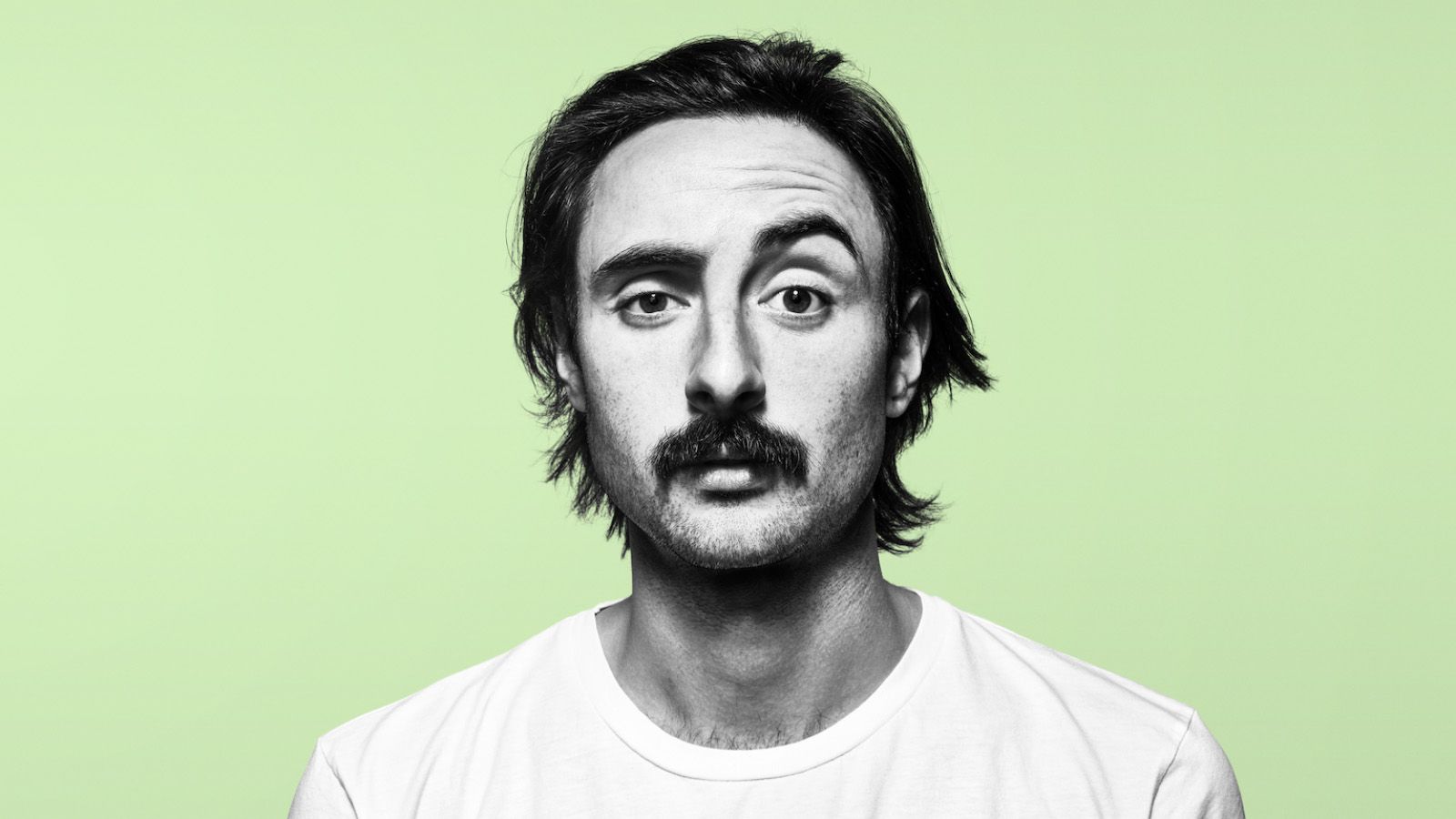
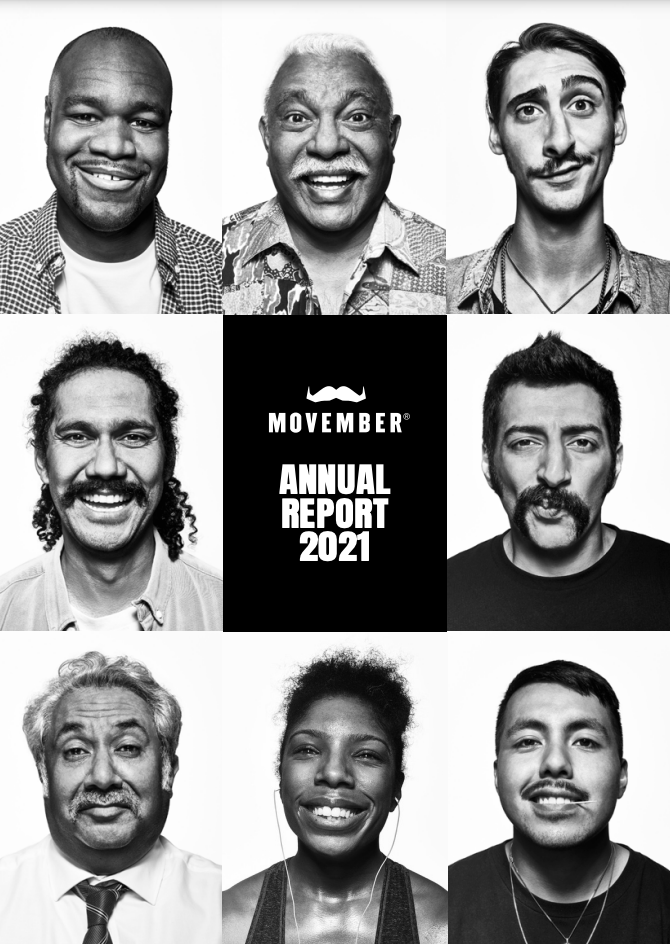
    Movember is urging the public to check in on a mate and to open the conversation about mental and physical health. It encourages men to speak openly about anything that isn’t right and to check their body or go get checked professionally. The iconic “manly” moustache aims to promote the idea that being a man truly means to be comfortable opening up about one’s mental and physical health.

    The leading charity recently released figures that show approximately 60% of men rarely admit or even speak about issues regarding their mental health. The figures also tragically reveal that in 2021 a man dies by suicide every minute around the world. On top of that, the statistics show that unchecked prostate cancer rates are to double over the next 15 years. Internationally, testicular cancer is the most common cancer among men aged 15 – 39 years of age.

    “Movember is the leading charity dedicated to changing the face of men’s health on a global scale. We have one goal: to stop men dying too young,” Movember spokesperson wrote to The City. 

    “Since the Pandemic began, we have all seen the power that social media has on allowing us to feel connected to one another even when we are far apart. Social media is a great way for our MoBros and Sisters to come together as a community.”

    A Hairy Tale

    Two mates from Melbourne, Australia, Travis Garone and Luke Slattery, were having a few pints at the Gypsy Bar when they joked about bringing the trend of having a moustache back into fashion. The pair then talked some of their friends into growing a Mo.

    Inspired by a friend’s mother who was fundraising for breast cancer, the two friends decided to base the campaign around men’s health and prostate cancer. They designed the rules of Movember, along with the first logo and began their journey. Initially charging ten dollars per person growing a Mo, they sent an email titled “Are you man enough to be my man?” which immediately received responses from 30 guys willing to participate in the challenge.

    In 2004, Adam Garone took Movember to the next level and registered it as a company and created a website. 

    After researching men’s health issues, the Mo Bros agreed to formally support prostate cancer as their cause. Globally speaking, the charity donated all proceeds from their first year to the Prostate Cancer Foundation of Australia (PCFA). The four boys collaborated with the PCFA who became the first official men’s health partner in 2005. That year, 9,315 Mo Bros in Australia raised AUD 1.2 million for the PCFA.

    Fast-forward a year later, the Movember Foundation became an official Australian Charity.

    Furthering their research, they discovered that depression was a significant issue in men’s health in Australia which brought their second partner, the national depression and anxiety initiative, to join. 

    The same year, the foundation expanded to New Zealand in partnership with The Prostate Cancer Foundation of NZ. Campaigns in the UK and Spain were also successful. This enthusiasm allowed the co-founders to grow internationally which generated enormous awareness of men’s health issues. 

    Social media is by far the most successful platform for men and women to vocalise their Movember stories and to raise awareness about mental and physical health. The hashtag #Movember has been used across Twitter, Facebook and Instagram by those who participate each year.

    Connections with ‘like-minded people

    Ross Galvin, Movember ambassador, spoke to @humansofdub about his mental health struggles over the past year and how he stumbled upon a wave of like-minded people who were undergoing the same journey. Once the pandemic hit in 2020, Galvin felt the ground shake from underneath him as he moved back into his childhood home with no job and the repetition of doing absolutely nothing dragging through each day. 

    “That was when I got sick. I couldn’t eat or sleep for weeks and in a matter of days I lost 10kg…  I had reached a really low point and was thinking very dark thoughts, unsure how things would ever improve.”

    Growing up in Howth, he decided to swim every day for 30 days in November to raise awareness for men’s mental health and posted about it on his Instagram. As the days progressed, Galvin openly admitted that he led on as if this act was for others, “but internally, I was really doing it for myself,” in the hopes of turning his life around. In time, a community of kind, positive, “like-minded” sea swimmers began to emerge, all supporting the same cause. At the end of the month, he raised nearly €3300. 

    One year later, Movember Ireland invited Galvin to be an ambassador to promote positive mental health among men and women. His daily Instagram posts about his sea swims continue on throughout this month with a time and a location encouraging others to join along. 

    Toughen-Up Mentality

    Kevin Sharkey is a returning participant of Movember, also advocating the charity’s message about prostate cancer awareness within men.

    Sharkey understands that there is still a stigma attached with men discussing their mental and physical health which Movember aims to change. The organisation allows men to use social media as a platform to discuss their own struggles and to get rid of the taboo that is so prominent in society. He continues to say that with a bit of online investigation, someone silently battling their own thoughts, “can find people who have had the same or similar issues and hopefully can find help and realise that they are not alone.”

     “Being a ‘man’s man’ should mean something different in this day and age. We need to make it mean something different, like being a man’s man means you are there for friends, open and honest about your feelings and health.”

    The Movember spokesperson also mentions that the supposed ‘masculine’ traits like strength, resilience and resourcefulness are displayed by men and women. However, those who subscribe to the stereotypes of masculinity are typically in danger of having poor mental health.

    “Previous research has shown that men who subscribe to the traditional stereotypes of masculinity –the ‘toughen up’ mentality -are at higher risk of poor mental health and suicide. Men aren’t always comfortable talking about what’s going on in their heads. If they are struggling in silence and don’t ask for help until it’s too late, then that is a serious problem.”

    “One of the ways Movember is trying to tackle this issue is to get men to understand what good mental health looks like, challenge outdated stereotypes about what it means to be a man and make it okay for them to open up and get the support they need.”

    Since 2003, the organisation has funded more than 1,250 innovative men’s health projects across three areas: prostate cancer, testicular cancer, mental health and suicide prevention. The Mo Community continues to grow while also raising awareness across Ireland. 
  • Are bigger muscles worth the life-threatening effects?

    Are bigger muscles worth the life-threatening effects?

    By Andrea Byrne

    The last decade has seen a complete transformation of the fitness industry in Ireland. Our country is now filled with commercial gyms, boxing clubs, training academies and smaller, private gyms. However, with this surge in health and training, there is now more pressure for men and women to feel like they must look a certain way, causing them to consider using steroids.

    In Ireland, the sale of anabolic steroids is governed under the the Misuse of Drugs Acts 1977-2018. It is illegal for them to be sold in gyms, online or anywhere outside of a pharmacy.  According to http://www.health.gov.ie, article 12 of the principal regulations deals with the documentation which must be received by persons supplying controlled drugs e.g. pharmacists, pharmaceutical wholesalers etc.

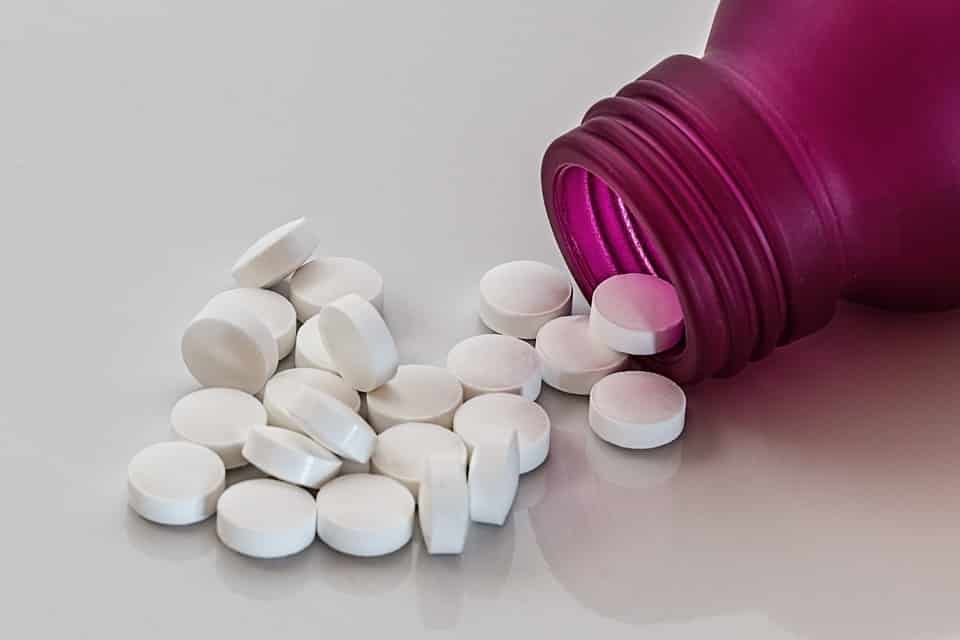
    A public information campaign to raise awareness of the potentially serious side effects and health risks of using unprescribed anabolic steroids has been put in place by the Health Products Regulatory Authority (HPRA). The campaign ‘Zero Gains’ was developed in light of growing evidence of an increased use of anabolic steroids for body enhancement as well as new research showing a significant lack of awareness of the serious health complications posed by these products.

    The Health Products Regulatory Authority ‘Zero Gains’ campaign
    Photo Credit – HPRA.ie

    Dr Lorraine Nolan, Chief Executive of the HPRA, said that anabolic steroids can result in a range of serious health side effects, many of which can be life-threatening with long-term use. 

    “The HPRA believes that the usage of anabolic steroids has been increasing in Ireland in recent years as the volume of illegal anabolic steroids detained by authorities increased ten-fold between 2015 and 2017,” said Dr Nolan.

    “Growing evidence ranging from the increasing levels of illegal products detained by the HPRA each year, as well as needle exchange figures and a number of tragic deaths highlighted in the media in recent times, point to a growth in non-medical use in Ireland.”

    “The HPRA…detained 449,411 dosage units of illegal anabolic steroids”

    Dr Lorraine Nolan Chief Executive of the HPRA

    Dr Nolan continued, “The HPRA states that, in 2017, working in conjunction with An Garda Síochána and Revenue’s Customs Service, it detained 449,411 dosage units of illegal anabolic steroids, compared to 109,006 units in 2016 and 38,049 in 2015.”

    Dr. Nolan added: “Our research highlights the social pressure on young people to look a certain way. Young men are seeking to gain muscle and bulk up, and whilst use of illegal steroids was previously associated with competitive bodybuilding and enhanced sport performance, nowadays usage appears dominated by the desire to have the perceived perfect body image. 

    “The research outlined in the launch of Zero Gains showed that 3 in 4 adults feel social media, TV shows, magazines and websites are pressurising young adults to look a certain way.”

    Anabolic androgenic steroids have two main modes of action in the body, one being androgenic effects, which are generally considered to be similar to testosterone (masculinisation) and anabolic effects, which are associated with protein building in skeletal muscle and bone.  Men and women may appear healthy on the outside using anabolic steroids but according to Dr. Nolan, this isn’t always the case.

    “The real story is that non-medical use of anabolic steroids can have devastating, long term and life threatening side effects”

    Dr. Lorraine Nolan Chief Executive of the HPRA

    “We believe there are no gains from using substances that have been shown to cause a range of physical, psychological and emotional damage when misused,” said Dr Nolan. “The real story is that non-medical use of anabolic steroids can have devastating, long term and life threatening side effects.”

    In discussion with Psychologist Susan Eustace about the effects social media may have when taking anabolic steroids, she said: “We know social media plays a significant role in triggering and maintaining many forms of self-harm and damaging behaviour including steroid use.

    “Platforms and sites using images appear to be particularly influential as they act as potent triggers for steroid users, for those not currently engaging in the behaviour, and for those who are attempting to give up or stay away from steroids. Social media also amplifies the influence of unhealthy gym culture which can be a major promoter of steroid use.”

    “We know social media plays a significant role in triggering and maintaining many forms of self-harm and damaging behaviour including steroid use”

    Psychologist Susan Eustace

    Speaking to Kyle Mullen, an Irish influencer with over 27 thousand followers, he discussed his experience in the fitness industry and whether he has ever felt pressured to use anabolic steroids.

    “No, I personally have not felt pressured, however, I’ve thought of using them, every single male gym goer does. I would say that some do feel pressured by some influencers as often times the lads with the best physiques get the followings and the fame so I’m sure lots feel that they need to use them if that’s their goal. For myself, however, I don’t feel those same pressures as I know of the negatives drugs can bring.”

    Photo Credit: Kyle Mullen Youtube

    Even though Mullen doesn’t take steroids himself he knows many others who have.

    “Yes I know a lot of people all using to gain for different reasons,” said Mullen. “Whether it’s keeping up appearances for social media, for competitive reason or only for personal goals in fitness … it’s easily noticeable in physical changes, the mental/ emotional changes vary from minor to dramatic depending on the person and the amount they are taking but yes some are noticeable.

    “From my understanding it’s very very easy to get your hands on them. However, as it is illegal and unregulated a lot of the time you don’t know what you are getting.

    “A lot of people get sold essentially nothing, they think they are on steroids but have been sold water or whatever the concoction may be. But yes, they are very easy to get, no harder than booking a hotel or flight online.”

    “They are very easy to get, no harder than booking a hotel or flight online”

    Fitness influencer Kyle Mullen

    A recent RTÉ Investigates series found steroids being sold for as little as €40 for a six-week course which could produce dramatic physical and psychological results. During the course of their investigation they found these products being supplied and sold in car parks, on Irish classified websites and outside gyms.

    “The HPRA’s Zero Gains campaign aims to inform and discourage people from using anabolic steroids,” said Dr Nolan.  “And from buying these products online or from other illegal suppliers, where it is believed many of these products are sourced.”

  • Body Image – Men and the Gym

    Body Image – Men and the Gym

    The topic of body image has long been associated with women. However, with the modern man seemingly taking equal or even more care of themselves, The City paid a visit to RAW Condition Gym in Dublin 2 to talk to Rob Lipsett, a qualified personal trainer, to hear his take on the matter.