
By Derek Price
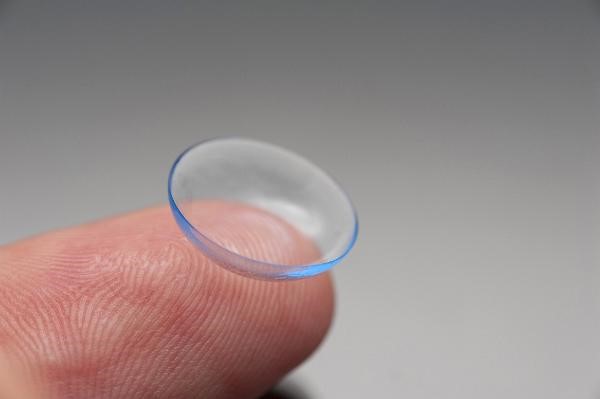
Recent figures from the company Optical Express state that over 750 million plastic lenses are being flushed down drains or dumped in landfill every year.
These lenses then form microplastics, pollute the seas and oceans. Once dumped in a landfill, microplastics can take up to 500 years to decompose and biodegrade, polluting the soil and water, according to many authorities, including the World Wildlife Fund Australia, and the United Nations.
Also, as contact lenses travel through sewage systems, they break down into smaller particles and then form microplastics.

The situation is now thought to be far more serious than had previously been suspected.
According to the findings of Optical Express using information from the Association of Contact Lens Manufacturers, almost 800 million plastic contact lenses are used by more than 4 million people in the United Kingdom and Ireland every year, and this has an enormous, but often unobserved, impact on our environment.
In an Optical Express survey of over 3,000 UK contact lens users, it was found that 97% are polluting the environment by throwing them down their drains, or putting them in their bins, and barely 3% of people recycle their lenses.
More than 1 in 4 people (27%) admitted to getting rid of their lenses by throwing them down their sinks and toilets.
While most websites of contact lens manufacturers and shops have information on how to dispose of them responsibly, it is usually only mentioned on a seldom viewed sub-page.
Another study by contact lens manufacturer Johnson & Johnson found that 1 in 5 people (20%) were flushing their used lenses.
A study by the University of Exeter, concluded that every seal, dolphin and whale, which were beached on shores in the UK, had plastic in their stomach.
Over the last decade, the use of softer plastic contact lenses has increased with people wearing daily, weekly, or monthly disposables in greater numbers than ever before.
A major contributing factor to this problem is that most of the shops and manufacturers phased-out yearly contact lenses many years ago, for the far more lucrative daily, weekly, and monthly disposables.
A spokesperson for Vision Express opticians said: “We always instruct our opticians to inform our customers of how to dispose of contact lenses responsibly, but I cannot tell you 100% for certain that this is always put into practice by all of our employees every time they talk to our customers.”
Several contact lens manufacturers, websites, and shops were contacted by The City.ie for comment. These included Acuvue, Johnson & Johnson, Coopervision and Bausch + Lomb.
The question posed to these companies was: “Would your company consider phasing out, and discontinuing the manufacture and sale of daily (and maybe also monthly), contact lenses, and perhaps only selling yearly lenses instead?”
A reply from Kristy Marks, Senior Director, Corporate Communications from Bausch & Lomb, only stated that they have a disposable programme.
A question was posed to the former Green Party Leader Eamon Ryan, and their most recent Environment Spokesperson Brian Leddin which was: “Would your party consider influencing companies, websites, and shops to consider phasing out, discontinuing, and banning the manufacture and sale of daily (and maybe also monthly), contact lenses, and perhaps only selling yearly lenses instead?”
A reply was returned in regard to this issue, by an individual called Albert Morris, on behalf of the Green Party, which expressed a general statement about their ‘Waste Action Plan for a Circular Economy,’ but did not address this specific question that was queried.
It can only be hoped that plastics and microplastics will be dumped a lot less by humans, for the sake of birds and marine life in the future.

You must be logged in to post a comment.