
Tag: migrants

  • A match made in TUD: When flowers are no longer enough

    A match made in TUD: When flowers are no longer enough

    Technological University Dublin’s African society Valentine’s event represents love beyond just romance and serves as a medium for promoting cultural integration.

    By Samuel Adeleke

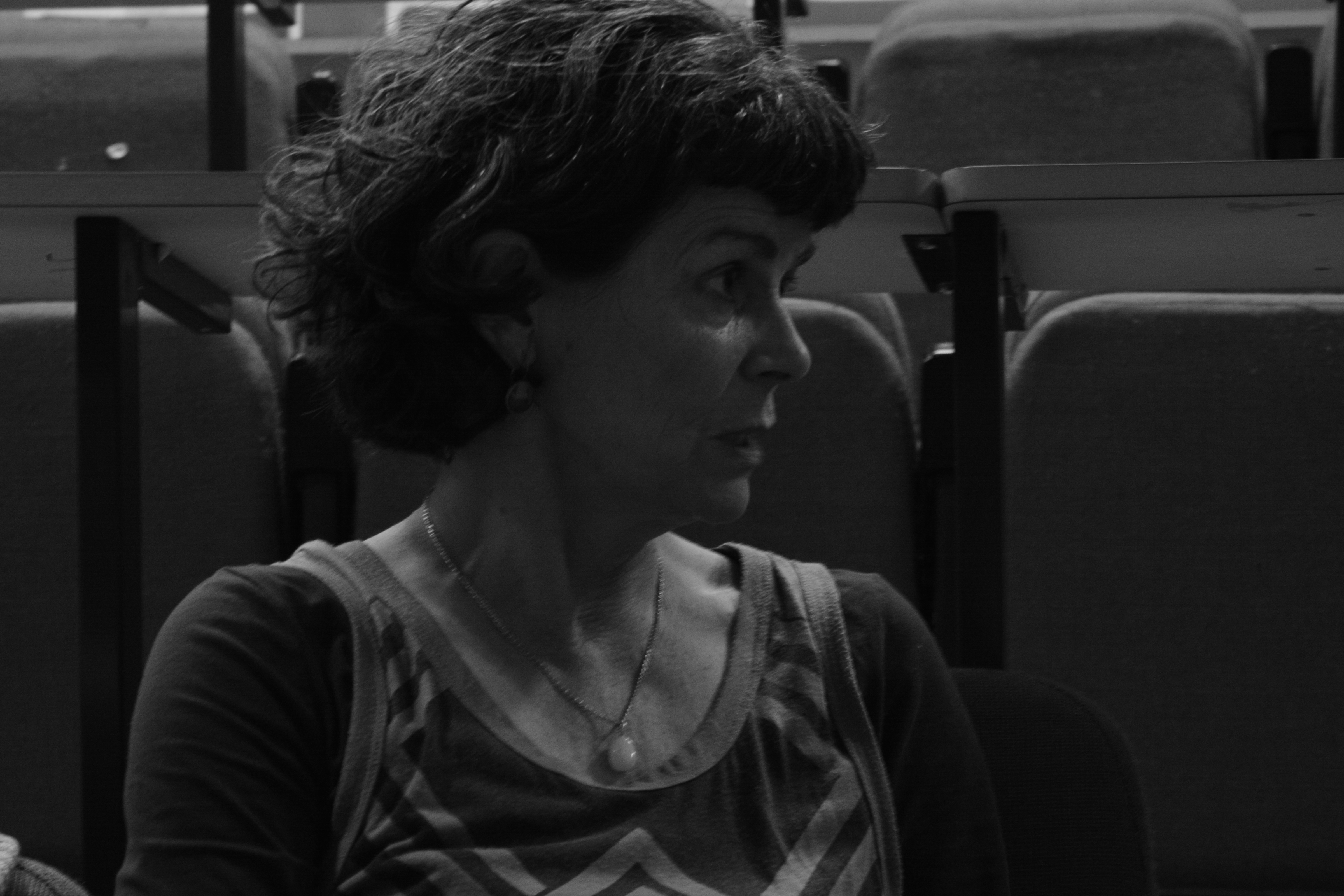
    Photo credit: Samuel Adeleke

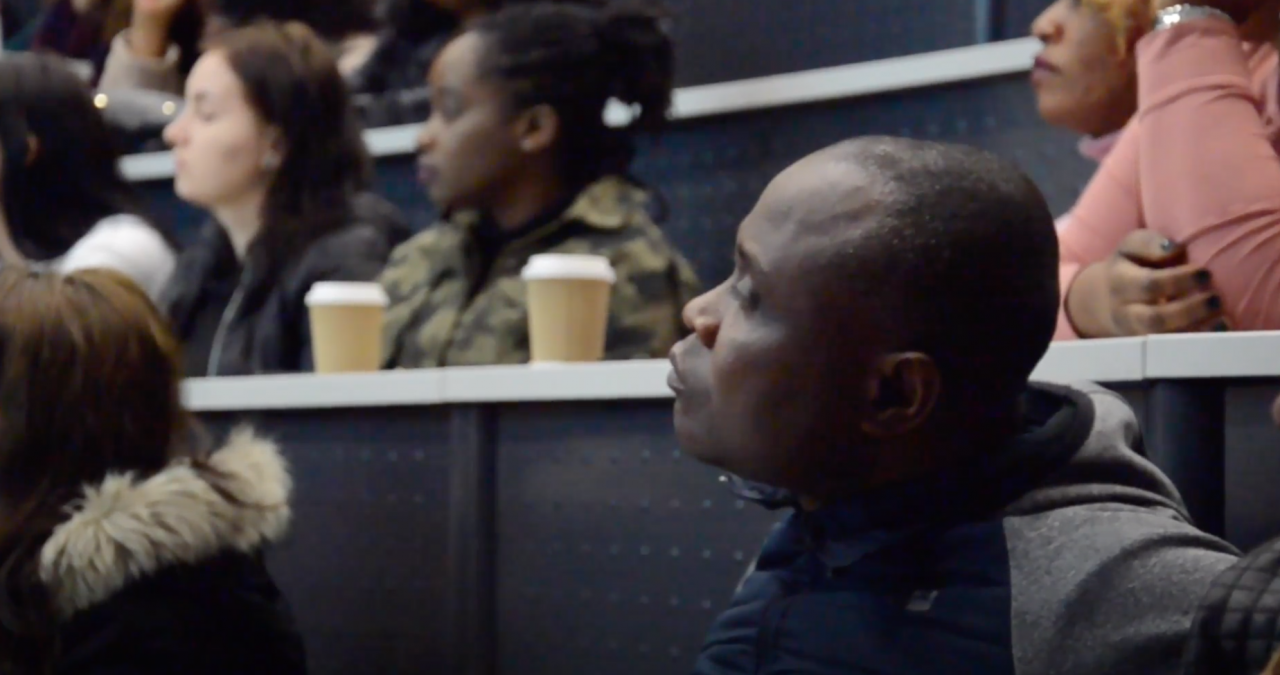
     With Valentine’s Day around the corner, a time often seen as a period to show and express love, TUD African Society brought the celebration early by organizing a Valentine’s event on 10th of February, at Bst259 Bolton Street.

    For Sharon Ojuade, President of the TUD African society, the theme of ‘A match made in TUD’ was not chosen for love and romance alone.

    “With this event, we aimed to create a relaxed and comfortable environment where people from the same background, different backgrounds, and experiences gather in one room, enjoying the atmosphere,” said Ojuade.

    In organising the event, the committee also sought the support of student entrepreneurs who offered services or provided freebies to participants in an African style.

    This included DJs, photographers, MCs, and the types of foods to be served.

    “Events like this give people a sense of belonging and serve as an avenue to promote student entrepreneurs from Africa and allow them to thrive,” said Ojuade.

    “Before the world loves you, your community must also love,” she added.

    The committee has experienced a record number of ticket sales for the event. For the president, it is inspiring to see that they live in a country with a strong sense of community.

    “Just because we live here doesn’t mean we shouldn’t have fun moments; people should still pursue what they need to pursue outside the community,” said Ojuade.

    Although it is an African society gathering, the event is open to other nationalities. “The first person to get a ticket for the event is an Asian. He reached and said he wanted to be part of it.” said Ojuade.

    According to Divine Nebo, the social director of the society, “the event is not just about finding love, it is about finding people who are like you to bond with on a different level.”

    And by extension, the theme of the event, ‘A match made in TUD’, is to show that love can be found anywhere, not just in school, but in environments like this, outside of social media.

    With students outside the African community feeling the pull of the event, Divine said, “the event is not only about Africa, but expressing the depth of African culture to non-Africans to see what African culture is about, beyond what social media portrays.”

    John Ologunlola, the event manager, also collaborated and highlighted the potential of the event to serve as a platform for non-Africans to experience African culture.

    “Even though they might not fully understand the African culture in its entirety, it is a valuable learning process,” said Ologunlola.

     Ologunlola mentioned that, as a Nigerian, he is learning more about the African culture and finding expression in the community alongside other African nationals, including Ghanaians and Congolese.

    With students like River Rogers, who is half Irish and half Polish, the intentions of the TU African society executive came to light.

    “It is my first time being in an African event,” Rogers said. “I am not African, but I can still attend and make some new friends,” he added.

    Not only did Rivers find the Afrobeat songs being played amusing, but he also left with the intention of trying an African dish. “I definitely need to try the African jollof rice,” he said.

    Mark Ologunlola, a former executive of the society, commended the event as a brilliant way of promoting cultural pride.

     “Events like this help people develop real relationships, and give people a picture of what love is,” he said.

     Ologunlola expressed excitement at seeing other people at the event, “no matter what part of Africa or the world you come from, we are all one body.”

    While the event promotes communal love, in a friendly society that helps people socialise, Nicole Okerikre, an African national from Nigeria, who participated in the event as a contestant, said, “This is a period of love, but people should find love in themselves first.”

    Denoting that self-love is non-negotiable.

    For Jaeson Jang, an Asian, ‘A match made in TUD was not just a Valentine’s event, but an opportunity to find expression among people of other cultures.

    “The African culture is amazing, I feel like family, I feel welcome. Everyone is enjoying themselves; no one feels lonely,” Jang said.

    Jang’s experience underscored the aims of the TU African Society to promote an atmosphere where joy, laughter, and love are shared without identity being a barrier.

    “Everyone can integrate into every culture; you only have to do it respectfully,” said Jang.

    By the end of the night, a match was indeed made in TUD as the event ended with Jaeson Jang from Asia and Nicole Odunsin from Africa emerging as winners.

    It was a reminder that love in its most powerful form goes beyond just being African or giving flowers; it is in identifying with people from other nationalities and embracing a sense of community.

     

  • Undocumented people in Ireland stranded in insecure employment, the survey finds

    Undocumented people in Ireland stranded in insecure employment, the survey finds

    Picture from Pixabay

    There are an estimated 15,000 undocumented people currently living in Ireland. This is one of the most underrepresented and vulnerable groups in the country. Migrants Rights Centre Ireland carried out a survey into the lives of over 1,000 undocumented people in the country. Laura Matjusaityte examined the results of this survey. 

    Karuna’s youngest daughter is 5 now, her eldest daughter is 11. Both sisters have never met in person. 

    Karuna has been living in Ireland for the past 10 years. Her youngest daughter was born and spent all her life in Ireland. Nevertheless, both of them are living here as undocumented people. 

    Karuna hopes that one day she will be able to gain legal status in the country for herself and her daughter. Then both of her daughters could finally meet and she “could breathe easily for the first time in 10 years”. 

    This is only one example from many heartbreaking stories coming from undocumented people who are living in Ireland. 

    According to Migrants Rights Centre Ireland (MRCI), an NGO working with migrants,  there are some 15,000 to 17,000 undocumented people in the state including 2,000 to 3,000 children. 

    Chart shows the nationalities of undocumented people living in Ireland. 

    A recent survey carried out by MRCI into the lives of 1,000 undocumented people living in Ireland showed that one of the biggest threats to undocumented people is a lack of job and salary security. 

    One of the survey participants, Billy, said that getting his papers “would be a dream come true”. 

    “I won’t have to worry every time there is a knock at the door. I’ll finally feel safe at my own home,” Billy said in the survey. 

    The survey revealed that over 90% of undocumented people living in Ireland are employed and more than a quarter of them do not receive even the minimum wage. Almost half of the survey participants reported that their working hours exceed 40 hours per week. 

    Another participant Zeinab, who has been living undocumented in Ireland for three years, said that there are times when she doesn’t get full pay, and sometimes she doesn’t get paid at all. 

    “If I had my status I could stand up to this, I could get a better job and give my children a better future,” Zeinab said. 

    Chart shows division by gender among undocumented people who took part in the survey. 

    The survey further revealed that 70% of undocumented people in Ireland are aged between 24-44, almost 60% of them are women and 40% men.  

    More than a quarter of the survey participants are providing care to older people in private home settings. A little less than 20% are working in cleaning and maintenance sectors, 20% in restaurants and catering services, and 10% are employed in the childcare sector. 

    Chart shows sectors in which undocumented people are employed. 

    A high percentage of undocumented workers admitted that they have been stuck in the same employment for years because they don’t have legal status. 

    Three-quarters of respondents have been  in the same employment for three years or more. And more than 80% admitted being employed in the same sectors for over three years. 

    Tjanasi Jack, Chair of Justice for the Undocumented Group, which is part of MRCI, spoke at the launch about fairer solutions for undocumented workers in Ireland. 

    Tjanasi said that according to the survey over 75% of undocumented workers were living in Ireland for five or more years and more than 90% of them have permanent employment. 

    “So many of us have stepped up and continue to work providing essential services throughout Covid-19. Unfortunately, the survey also revealed high levels of exploitation, with over a quarter of workers not receiving the minimum wage. This is unacceptable,” Tjanasi said. 

    The current Immigration Act 1999-2004 allows people to seek immigration permissions in the state. The Department of Justice encourages people to come forward and apply for the humanitarian leave to remain, which would allow non-EEA nationals to stay living in the country. 

    However, in practice, undocumented people often fear that the application would be unsuccessful and put them on the radar of Irish authorities and choose not to do so. 

    Carol Sinnott, a solicitor from Sinnott Solicitors closely working with undocumented people, said that undocumented migrants are “living under the radar in constant fear of deportation” and without the ability to lawfully work and pay taxes in the state. 

    “I have never met an undocumented migrant who would not be willing to work legally and pay taxes in the state,” Sinnott said, adding that “in fact, all of the undocumented migrants whom I have met are desperately trying to find a way to legalise their status”. 

    The Department of Justice spokesperson Colm Daly said that “the Government is sympathetic to the situation of people who find themselves in an undocumented position here in Ireland”.   

    According to the Department of Justice, the government is currently committed to creating a programme for Government, which would allow a new pathway for long-term undocumented people and their dependents to legalise their status, if they meet the required criteria.

    “I believe that if the Minister for Justice implements a programme to provide a pathway for migrants to legalise/regulate their status in the state, it would be an extremely positive development for those migrants and the state,” Sinnott said. 

    The Department of Justice stated that the government is “committed to introducing new pathways to status regularisation within 18 months of its formation”. 

    The works on the programme have yet to begin. 

  • Watch: The mental health impacts of Direct Provision – Asylum seekers speak to TheCity.ie

    Watch: The mental health impacts of Direct Provision – Asylum seekers speak to TheCity.ie

    At the Asylum Seekers Feminist Conference, which took place prior to the Covid-19 lockdown, TheCity.ie spoke to Eoin from Abolish Direct Provision Ireland and conference attendees about the impact of Direct Provision on their wellbeing. By Kate Brayden, Cameron Weymes and Ayumi Miyano.

    Many of those who came to the conference travelled to be there in order to hear guest speakers and panelists give talks on mental health and host art and yoga workshops. Sonia from Cameroon, Julie from Uganda — whose company ‘Julie’s Kitchen’ catered at the conference — and organiser Eoin generously spoke to us about their unique and personal experiences.

    The controversial system of asylum has repeatedly hit the headlines over the mistreatment of those who must wait for their refugee status to be granted, or to be allowed to stay in Ireland. One of the State’s largest providers of accommodation to asylum seekers recorded a pretax profit of €2.36 million in 2018. That the Irish Government allows the system of asylum to be a for-profit service for multinational corporations such as Aramark has been a dominant point of frustrations. Those in the system receive just €38.80 as a weekly Daily Expenses Allowance, and are often moved to differing centres around Ireland before given time to settle in to the local community.

    Many centres are located in isolated areas, far away from local villages, which harms the mental health of asylum seekers – who have few options for seeking out services and often face language barriers. For those who have survived war, famine, discrimination and sexual violence, their trauma cannot be addressed. Living conditions in certain regional centres have been a cause for complaint, as well as the troubling impact of the situation on children living in the system.

    It’s worth noting that the Irish State’s response to Covid-19 in terms of testing those in Direct Provision has been heavily criticised by human rights groups, politicians, lawyers and health experts alike for effectively ignoring their concerns and putting them at risk. There are currently around 1,700 residents in centres around the country – 149 had tested positive for the coronavirus as of early May.

  • An island of refuge? Ireland’s political parties and ‘Fortress Europe’

    An island of refuge? Ireland’s political parties and ‘Fortress Europe’

    Photo: Pixabay

    TheCity.ie’s latest series, ‘An Island of Refuge?’ tackles the immigration policies of seven political parties, highlighting their views on asylum seekers, the Direct Provision system, migrants, climate refugees and open borders. Editor Kate Brayden gives an overview of the findings.

    While Ireland’s recent General Election was undeniably focused on issues based at home, we have turned our focus to the increasingly unstable global landscape and its influence on our nation’s attitude towards migration and foreign affairs.

    Éire may be known as a welcoming place, but the strain of climate breakdown is impacting far-right rhetoric worldwide – examining whether our politicians are succumbing to this issue is a key concern.

    TheCity.ie’s team of journalists interviewed TD candidates and councillors from Sinn Féin, People Before Profit, The Green Party, Labour, Fine Gael and Fianna Fáil after dissecting each party’s manifesto statements on immigration and foreign policy to garner our coverage.

    In the aftermath of the election, the parties must now organise a government that will withstand the tests of the international stage. This includes policies relating to justice and climate breakdown. 

    Photo: Pixabay

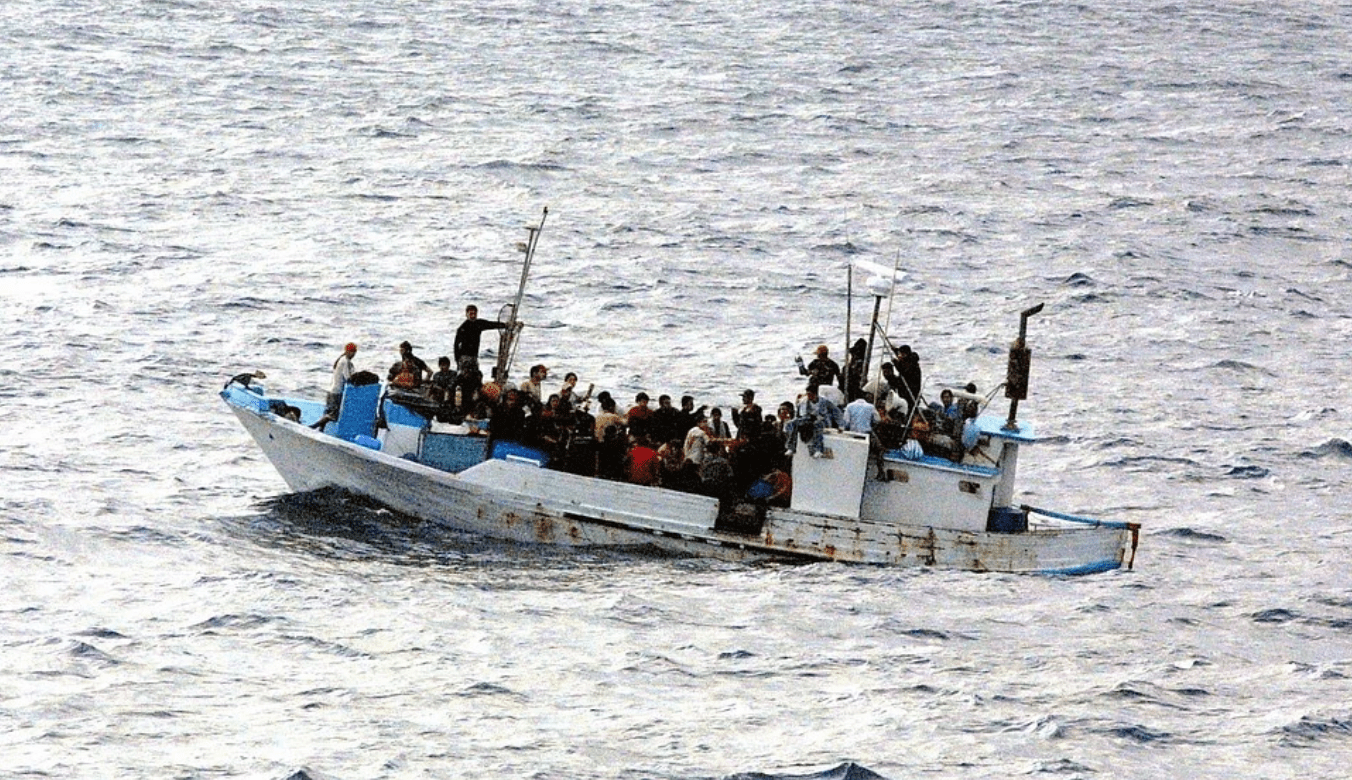
    Refugees are a core part of this, with thousands risking their lives to cross the Mediterranean every year, and some losing their lives in the fight to escape war. The policies of ‘Fortress Europe’ aim to keep people from nations specifically outside of this continent out, the very people who are affected by the planet’s destruction despite having the lowest carbon footprint. How do Ireland’s political parties hope to treat them?

    Sinn Féin, possibly writing the most intriguing manifesto in terms of economic promises, have claimed that they are against open borders, but also hope to end Direct Provision. What they would replace the system with, however, is a mystery. Should they find themselves in power, they intend to avoid a situation of mass climate-related migration – not solely for the difficulty it will pose to recipient nations, but because people deserve to live in their own nations and communities. Their stance certainly needs more explanation. 

    Mary Lou McDonald celebrates Sinn Féin victory. Photo: Instagram/africaworld_news

    People Before Profit and the Green Party have socialist and left-wing policies embedded in their manifestos, with PBP acting as fierce critics of imperialism and of tyranny abroad. References are also made to the UN Security Council seat Ireland is hoping to win, as well as US military presence in Shannon Airport. The party condemn the murderous regime of Bashar al-Assad – someone largely responsible for the flight of Syrians towards Europe

     The progressive stance of the Greens is reflected in their emphasis on freedom of movement, open borders and refugee housing, and they are highly aware of climate breakdown’s role in the displacement of innocent communities in developing countries.

    Labour’s political director Nat O’Connor has taken an arguably weak stance, admitting that Ireland is not playing the part of a wealthy country, accepting a low number of refugees, but “we can’t promise to do something that we cannot do”. Housing and health are first on the priority list for the party, which are worryingly diminished following the election.

    As the party competes for control of the Dáil, Fianna Fáil is proposing long overdue complete reform of the asylum system and to improve refugee accommodation. Their manifesto has figures and policies backed up by plans, which is a (welcome) change from some of the other vague manifestos. However, it could be all talk rather than action. Pledging to speed up the asylum process, they take a leaf out of the Greens book by promising an integration plan as well as allowing asylum seekers to access driving licences. 

    In 2015, the Fine Gael-led government pledged to take 4,000 programme refugees fleeing war-torn countries like Syria by the end of 2017. Even now, we’re still well short of that quota – having resettled only 3,206 such refugees. The government has faced fierce criticism over their handling of Direct Provision, with Fine Gael ministers exhibiting resistance to change. Former Minister for Justice Charlie Flanagan promised to improve the party’s numbers when it comes to refugee placements, but are they to be believed?

    Irish communities held protests last year nationwide, rejecting the possibility of new Direct Provision centres opening in their area. Migrants rights groups such as the Movement of Asylum Seekers of Ireland insisted that these protests were not to support asylum seekers, but were rooted in racial undertones “dressed up in human rights language”.

    “The Irish of #Fingal have voted once again for their own extinction,” O’Doherty posted on Twitter following the result.

    Interestingly, only 1 per cent of respondents cited immigration as a main voting concern of GE2020 in the Ipsos MRBI exit poll for The Irish Times/RTÉ/TG4/UCD. Within this umbrella topic, climate refugees, asylum seekers  as well as migrants are all grouped. 

    Desolate refugee camps. Photo: Pixabay

    There are important distinctions to be drawn between asylum seekers, migrants and refugees – but these terms often get mixed up in the course of public debate on what is a complex topic. The issue will only become more onerous as CO2 emissions cause further destruction in the Global South, South-East Asia, Australia, Canada and the US. 

    The movement of people has already led to dangerous, inhumane situations in the refugee camps of Libya and Greece, with the European Union recently rejecting a voting to ask members to step up search-and-rescue missions in the Mediterranean.

    An asylum seeker is someone seeking refugee status – but whose application has not yet been approved. In the meantime, as long as they’ve made an application for asylum to the country they’ve landed up in – usually on the basis they were forced to flee their home country – they are entitled to remain in the destination country while their request is being processed. If it’s ultimately approved, then they have permission to remain. If it’s rejected, then they’ll be deported. 

    Though some, who fail to qualify as refugees, are granted subsidiary protection to remain.  Migrants are not fleeing persecution; instead they choose to move country – often for economic reasons.  

    Those defined as refugees have been recognised as such under the 1951 Refugee Convention of the UN, while programme refugees have their claims formally assessed in refugee camps overseas – and are invited to the destination country under a resettlement programme.   

  • Government’s handling of refugees is ‘a national shame’, says Aontú Dáil hopeful

    Government’s handling of refugees is ‘a national shame’, says Aontú Dáil hopeful

    “The Government welcomed them with open arms, but never provided the resources they need”. Photo: Pexels.

    By Ruadhan Jones

    The Government’s handling of refugees and asylum seekers* is “a national shame”, a candidate standing for Ireland’s newest political party has said.  

    Speaking exclusively to TheCity.ie, Aontú candidate for Cork North-West Becky Kealy said: “These are people who have had to flee their own countries, but their cases aren’t being dealt with in a timely fashion.

    “The Government welcomed them with open arms, but never provided the resources they needed. 

    “I know of people who have spent six years in Direct Provision, with appalling services.”

    Becky Kealy, Aontú candidate for Cork North-West
    (Image credit: Becky Kealy)

    She added that “protests, fear, and hatred’ linked to far-right sentiment arise when the Government fails to consult with locals in areas where refugees and migrants settle.

    Aontú was established just over a year ago by former Sinn Féin TD Peadar Tóbín.

    The new party stresses Ireland’s responsibility to refugees and migrants – and calls for fairer management of numbers entering the country.

    But Tóbín was criticised for remarking at Aontú’s April 2019 launch that immigration “needs to be managed”.

    The party leader said at the time:

    “There is no doubt there is a growing unease and concern among many people in Ireland around the issue of immigration. 

    “Our view is very simple: there needs to be sustainable levels of immigration in this country. It needs to be managed.”

    He was swiftly criticised by Sinn Féin TD Pearse Doherty for “courting that area” for electoral support. Doherty added:

    “He is no fool. He knew exactly what he was doing.”

    Tóbín had quit Sinn Féin in November 2018 after clashing with the party over its decision to support the repeal of the Eighth Amendment.

    He’d been an SF member for 21 years and left “with a heavy heart”. 

    In its election manifesto, Aontú identifies two kinds of immigration – refugees and migrants.

    The party promises to shelter refugees “fleeing war, violence or hunger…in line with international law and moral obligation. Anything less would reduce who we are as a people”.

    They also highlight a need to take “climate degradation” and “climate change” into account.

    “Climate degradation is resulting in many people not being able to grow their own food due to drought, loss of soil fertility, polluted drinking water and dead zones in the sea,” Aontú’s manifesto says. 

    Credit: YouTube/Al Jazeera

    “Shortages in food due to climate change have fuelled war and regime changes throughout the developing world,” it adds.

    According to figures from Ireland’s Department of Justice, 70 million people have been forcibly displaced globally.

    In December 2019, Ireland pledged to accept 2,900 people between 2020 and 2023 under the the Irish Refugee Protection Programme (IRPP).

    However, the Jesuit Refugee Service of Ireland said the State needed to accept an additional 1,500 people per year from 2020 to 2022 – in order to meet the UN’s global resettlement needs.

    Under the Irish Refugee Protection Programme (IRPP), 2015-2019, Ireland promised to take on 4,000 refugees by the end of 2019 – but fell short by around 800.

    According to the Asylum Information Database, Ireland currently houses 6,355 asylum in Direct Provision – though the contracted capacity for the centres is 6,209.

    Twitter/@IrishRefugeeCo

    A further 936 people “are living in temporary accommodation like B&Bs and hostels”, says Nick Henderson, CEO of the Irish Refugee Council.

    Becky Kealy also stressed the need for improved infrastructure if Ireland is to take on increased levels of migration.

    The election candidate told TheCity.ie: “We’re well able to provide refuge, but we’re not providing new homes or schools, and the health system is in a crisis already. 

    “How are we to cope given the services and resources in place? 

    “There’s no point bringing in a surplus when we don’t even have the resources to take care of our own.’

    She added that far-right sentiment arises due to lack of consultation by the Government with locals in areas where refugees and migrants settle.

    Kealy said: “Immigrants have so much knowledge and information to share.

    “We can learn from them and they can learn from us. 

    “The Government never consulted with locals – and that’s where protests, fear, and hatred come from.”

    Meanwhile, Tóbín said his party will invest €2.2billion to build 10,000 social homes every year.

    Aontú calls for a sustainable immigration policy, one which balances “population growth and the necessary infrastructural development”.

    “Some people blame immigrants for the scarcity of resources when in truth it is the inept and wasteful policies of this government,” their manifesto says.

     “A sustainable migration plan should have broad democratic support after being discussed honestly and informed by the opinion of genuine experts,” it adds.

    Aontú says it wants to achieve a “reasonable and fair management of numbers entering our country”.

    To do this it will seek to use “mechanisms such as the European Parliament and Council Directive 2004/38/EC”.

    This directive relates to migrants from within the EU, confirming their right to freedom of movement while allowing the host member state to determine issues such as the granting of “social assistance”.

    *According to the UNHCR, refugees are those ‘forced to flee their homes due to armed conflict, human rights violations and persecution and are in need of international protection,’ while migrants ‘are those who choose to move…for a variety of socio-economic reasons.’

    Refugees do not travel in search of economic opportunity but to escape war, persecution, death, torture and rape. They are entitled to the protection and assistance of other states under international law, and under shared principles of human decency.

    Filippo Grandi
    UN High Commissioner for Refugees

  • ‘Long past its sell by date and must be changed’; Fianna Fáil reveals radical plan to overhaul Direct Provision and make Ireland ‘more welcoming’ for refugees

    ‘Long past its sell by date and must be changed’; Fianna Fáil reveals radical plan to overhaul Direct Provision and make Ireland ‘more welcoming’ for refugees

    “It’s simply not on”, says FF Dáil hopeful.

    By Kim O’Leary

    Fianna Fáil is pledging to finally reform direct provision and create a “more welcoming Ireland” for refugees and asylum seekers. 

    And speaking to TheCity.ie, FF Dáil candidate Fiona O’Loughlin branded the current direct provision system ‘long past its sell by date”.

    In a radical pre-election policy promise as the party competes for control of the Dáil, FF is proposing long overdue complete reform of the asylum system and to improve refugee accommodation.

    Twitter/@unicefireland

    With just days until the voting public decides General Election 2020, FF is vowing in its manifesto to:

    • Provide €7million of increased resources for the hearing of asylum applicants and refugees to ensure the asylum process is speeded up.
    • Review the ‘National Standards for Accommodation’ every five years. 
    • Extend the remit of the Ombudsman so that he’ll have power to assess possible delays in processing applications for asylum.
    • Broaden the right of asylum seekers to work by reducing the waiting period from nine to six months.
    • Put in place a  €5million integration fund to help refugees and asylum seekers integrate themselves into local communities.
    • Enable asylum seekers to access driving licences.
    • Prioritise the use of Community Sponsorship Programmes as a way of housing and integrating refugees.

    In her interview with TheCity.ie, election hopeful Fiona O’Loughlin, who’s standing in South Kildare, said: “The need for change is paramount. 

    “Direct provision is an unnatural setting for refugees fleeing conflict and natural disasters. 

    “Living in direct provision significantly interferes with the right to have one’s private family life protected.”

    O’Loughlin has repeatedly raised her concerns over the current system in place for people living in direct provision centres around the country. 

    Twitter/@fionamackey

    She told us: “We must be innovative in the way we integrate people in direct provision into Irish society. 

    “We must be educating society on the reasons for direct provision centres and the reasons people are fleeing for a better life.”

    O’Loughlin went on: “The current system of direct provision centres was established 20 years ago on a temporary basis. 

    “It is now long past its sell by date and it must be changed to reflect the country we live in today.”

    The Dáil hopeful said asylum seekers in emergency accommodation – hundreds of which are children – are moved around “like cattle”.

    She said: “We are talking about men, women, boys and girls. 

    “There are children who need and want to live their lives with dignity and respect, to be able to dream and to have a far better quality of life than they currently have.

    “They reside in hotels and bed and breakfast accommodation where they can be shipped like cattle to alternative accommodation to make way for various events being held in the hotels. 

    “They grow up in bed and breakfast accommodation and hotels where they must adhere to curfews.

    “It’s simply not on.”

    O’Loughlin revealed she had visited two Co. Kildare centres, The Eyre Powell and the Hazel Hotel, to meet with residents. 

    “Most of them are frustrated – their drive deteriorates the longer they are in these centres,” she told TheCity.ie.

    She insisted that Fianna Fáil can bring about the changes needed. 

    “We have plans in place to help refugees and asylum seekers integrate and to apply for things like a driving licence. 

    “We hope that Ireland will become more appealing and equal to all,” O’Loughlin said.

    Her party’s manifesto states: “Our asylum system must reflect our values and our obligations to maintain the integrity of our borders.

    “The current direct provision system fails to do that and is alienating communities across the island.”

    In recent months, the Irish Refugee and Migrant Coalition – which represents 23 organisations – warned the State that 1.4 million people will need to be resettled globally in 2020.

    The organisation added that a “significantly enhanced and adequately resourced” programme was needed in Ireland. 

    It also said the Irish Navy has rescued 18,000 people in eleven missions in the past year, according to Nasc, which defends the rights of refugees and migrants.

    Fiona Finn, chief executive of Nasc, wants the political parties who form the next government to “follow through on their promises urgently” on refugees and asylum seekers. 

    She told TheCity.ie: “These people have been through hardship and they should not have to experience additional hardship in finding accommodation and jobs if they should wish.

    “The political parties who next form a government must follow through on their promises urgently. 

    “Over 900 people have drowned attempting to cross the Mediterranean this year alone. 

    “Ireland needs to step up and help.”  

  • The future for migrants

    The future for migrants

    “The free movement of persons is a fundamental right guaranteed to European Union (EU) citizens by the Treaties. It is realised through the area of freedom, security and justice without internal borders.” This EU legislation guarantees freedom for its citizens but for the same cannot be said for those outside the strict EU borders. Outside Fortress Europe, migrants endure extreme hardship, risking their lives to enter the EU.

    In April around 900 Libyan migrants were drowned off the coast of Sicily in a desperate attempt to cross the EU border and escape the adversity they left behind. TheCity spoke to the journalist and PHD student, Roisin Boyd to discuss how such a tragedy occurred under EU legislation.

    Please see below for definitions:

    Asylum Seeker – Oxford Dictionary Definition – A person who has left their home country as a political refugee and is seeking asylum in another: ‘only asylum seekers who are granted refugee status are allowed to work in the country’

    Refugee – Oxford Dictionary Definition  – A person who has been forced to leave their country in order to escape war, persecution or natural disaster:  ‘tens of thousands of refugees fled their homes’

    Migrant – Oxford Dictionary Definition – A person who moves from one place to another in order to find work or better living conditions.

    For more information on this topic please click below:

    http://www.theguardian.com/world/2015/apr/22/most-migrants-crossing-mediterranean-will-be-sent-back-eu-leaders-to-agree

    http://www.irishtimes.com/news/politics/president-berates-eu-over-record-on-refugee-crisis-1.2191198

    http://www.eurotopics.net/en/home/presseschau/archiv/magazin/politik-verteilerseite/festung_europa_2007_08/debatte_festung_europa_2007_08/

    http://www.nytimes.com/2015/04/21/world/europe/european-union-immigration-migrant-ship-capsizes.html?_r=0


    By Maira DeGois and Rachael Hussey