This slideshow requires JavaScript.
Whether it be a romantic getaway or some fun and frolics with friends, Christmas is the perfect time to book a weekend break in one of Europe’s cities. Stuck for ideas of where to go? Check out The City’s pick of the best European destinations, with plenty of tips and things to do.
Munich
“Ein bier, bitte!” First things first, when that plane hits Bavarian soil, you must grab one of Munich’s famous beers. The touristy thing to do is head to the Hofbräuhaus, where you can enjoy some Hofbräu beer together with some traditional Bavarian music and dance. The “Haus” also serves food, however, you can save your euros and grab much nicer bratwurst, or german sausage, on the street. Some other famous beers to try include Augustiner, Paulaner and Löwenbräu. If you’re not a big beer fan, then order a radler, a combination of beer and lemonade that’s very popular in Munich.
The Englischer Garten, German for “English Garden”, is a large public park in the centre of Munich, and is well worth the stroll. Kleinhesseloher Lake in the centre offers a nice seating area where you can grab a beer and some food, or bring your own picnic. Release your inner child and take a peddle boat out on the lake.
For the boys and their toys, a trip to the BMW museum is a must. The museum is basically a gigantic showroom, displaying hundreds of models of cars, jeeps, and bikes for you to climb into, or on. Grab a selfie in that red convertible you’ll never afford! If it’s any consolation, the museum is free. Good of them, eh?
Munich lies at the foot of the Alps, so if you have the time then hop on a train and head to the mountains. Neuschwanstein Castle, “the fairytale castle”, is one of Bavaria’s finest castles to visit, with breath-taking views of the surrounding countryside. With a nice hike up, you’ll even get some exercise in to work off that beer belly.
Prague
If you’re looking for a laid back getaway and some “good vibes”, then the Czech Republic’s capital Praha is for you. Old Town Square is a charming place to start, located in the heart of the city. The architecture by itself is pretty eye-catching, but the combination of buskers, street traders and al fresco dining in this cobbled square provides a great atmosphere.
Known for its great partying scene and never-ending supply of absinthe, nights out in Prague can get quite interesting. For those of you still yolo-ing out there, it is a must that you attempt one of Prague’s infamous pub crawls. The night starts off with a t-shirt and an unlimited supply of some lethal alcoholic mixture that’s impossible to drink. After a quick pep talk with your friends you’ll put your head down and drink it anyway, because hey, it’s free. Nobody really knows what happens after this, and then if you’re lucky you might even wake up in your own hostel the next day. Happy days!
If you can manage it, a visit to the John Lennon Wall is sure to reach into your soul and soothe your hangover blues. Bring a marker and spread your words of love on the wall, every inch of which is covered in colourful graffiti from the thousands who have come to visit before. Some guy is sure to be killing it on his guitar singing “Let It Be” or “Hey Jude”, so chill out and enjoy!
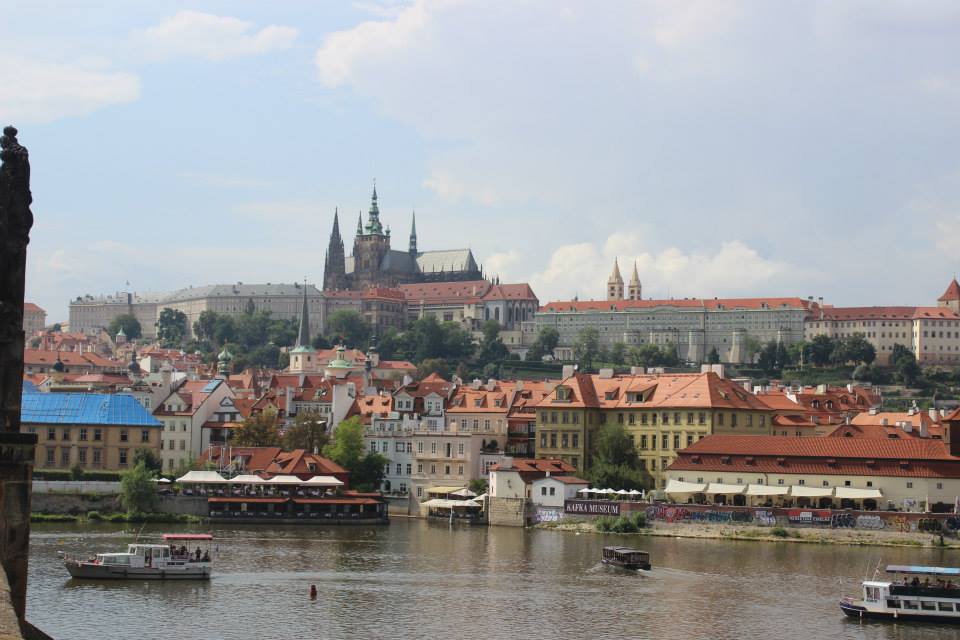
Overlooking the entire city is Prazsky Hrad, or Prague Castle, which is well worth the visit for the views alone. If you’re a history head, then the castle is the best place to learn about the city’s past. Some parts are free to the public, if you just want to have a stroll around the castle grounds, while others require a ticket for entry.
If you’re wondering what that sweet, sugary scent is in the air as you wander around the streets of Prague, then that would be Staroceske Trdlo – a chewy, cinnamon, sugar-dusted pastry. Just try it. That is all.
Krakow
Referred to by locals as “The Real Capital of Poland”, Krakow is definitely underestimated when it comes to European cities. Post-communism, it has developed into a cultural hub of excellence – from its exciting galleries and museums to its quality cafés, pubs and nightlife. The Main Market Square, an impressive 10 acre square in the centre of Krakow, is one of its main attractions. Here you will find Kosciol Mariacki, otherwise known as The Church of the Virgin Mary, where a trumpet player sticks his head out of the tower on the hour, every hour, and gives you a tune. Legend has it that during the 2012 UEFA Euros the English team, who stayed in a hotel just around the corner, blamed the trumpet player for their poor performance on the field as he “kept them up all night”.
If you like walking tours, then Krakow is top of the list when it comes to witty guides and really interesting tours. A general tour of the city will bring you to all the main attractions, such as the hilltop castle. The tour of the Jewish Quarters is particularly interesting. Like most central European cities, Krakow is steeped in WWII history, and this tour gives a great insight into the life of the Jewish community in Krakow during Hitler’s reign. Famous sites include the old ghetto walls and Schindler’s Factory. The infamous Auschwitz Concentration Camp is just an hour outside the city, and buses travel to and from the site daily.
Budapest
Hungary is famous for its thermal springs with healing qualities, and you cannot visit Budapest without a few hours of relaxation in the baths. Also known as ‘The City of Baths’, Budapest has many different medicinal baths to try. Széchenyi is one of the best public baths, with both indoor and outdoor baths of varying temperatures and medicinal qualities. If you’re visiting during the summer months then hit it’s famous bath parties for a night you’re guaranteed (not) to remember.
If you fancy some sightseeing, Gellért Hill offers the best view of Budapest and the river Danube, which separates Buda on the west bank from Pest on the east. Dohány Street Synagogue is Europe’s largest synagogue, and marking the border of Budapest’s Jewish Ghetto, is steeped in the history of World War II. If you take a stroll along the banks of the Danube on the east, you will come across ‘The Shoes on the Danube Bank’, a Jewish memorial for the jews who were ordered to take their shoes off and line up to be shot into the river. You will also find Hungary’s impressive Parliament Buildings along this bank.
The hop-on hop-off City Bus Tour is probably the best way to get around to all of the attractions in Budapest, working out about €20, the buses come around every 15 minutes and will save you time and walking on a short city break. As for the local cuisine, you cannot leave without trying some traditional goulash, a perfect dish for a cold winters day.




You must be logged in to post a comment.