
Following 2012 was always going to be tough to match with regards sporting moments, but 2013 certainly left us with some memorable sporting events. The City took a look back at some of the most unforgettable sports stories of 2013.
Lance Armstrong admits to doping: In January 2013, Lance Armstrong shocked the world by admitting to doping during all seven of his consecutive Tour de France titles. Despite the fact that most people suspected it, it was still fascinating to hear the former record holder admit to the doping after so many years of denial.
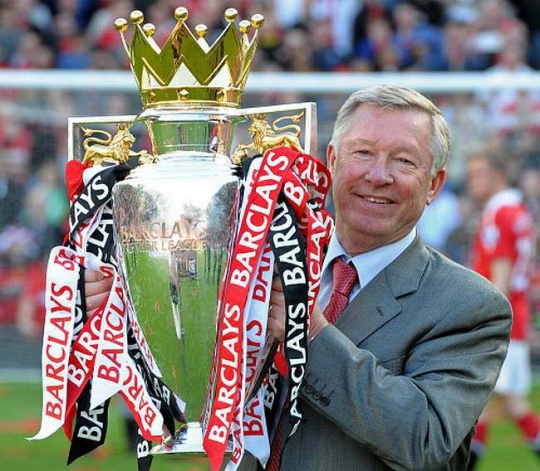
Ferguson Retires: The premier league said goodbye to one of its longest serving and most successful managers when Sir Alex Ferguson announced his retirement as manager of Manchester United in May this year. The 26 year stint at the club saw him win 13 Premier League titles, 5 FA Cups, 4 League Cups and the Champions League twice. He ended his final season at the club in great fashion leading United to their 13th Premier League title and 20th English title overall.
Oscar Pistorius murder charges: On February 15th, the world was shook by the news that famous Paralympian Oscar Pistorius may have murdered his girlfriend, Reeva Steenkamp. Pistorius has yet to stand trial for the case in which his 29 year old girlfriend was shot dead at his luxury home in South Africa.
Andy Murray wins Wimbledon: It was the moment the British public had waited so long for, and the pressure was higher than ever for the young Scottish man, but Andy Murray held his nerve to win his first Wimbledon title in July this year. The 26-year-old Scot became the first British player to win the Wimbledon men’s singles title in 77 years with his victory over Novak Djokovic.
4000th winner for McCoy: Northern Irish jockey Tony McCoy made history in November when he won his 4000th career win over jumps. McCoy, who had made no secret about his desire for a 4000th win, reached the milestone during a second of two races at Towcester Racecourse, Northamptonshire.
Irish Ladies bring home the grand slam: The Irish ladies Rugby team made history in March winning their first ever Grand Slam after a muddy battle against Italy in Parabiago. Irelands captain Fiona Coghlan led the side to a 6-3 win as they secured their fifth win of the 2013 six nations campaign.
Boston Marathon bombings: On April 15, the world watched in horror as bombs went off near the finish line of the Boston Marathon. The horrendous and cowardly act killed 3 people and left 264 gruesomely injured.
Heffernan takes gold: Irish Walker Robert Heffernan won gold after triumphing in the 50km walk at the World Championships in Moscow earlier his year. After narrowly missing out on a medal on four occasions at the championships, the Cork native took a clear lead after 44km to secure his victory. He became only the third Irish athlete to win a Gold medal at the World athletics championships, following on from Sonia O’Sullivan and Eamonn Coughlin.
The Lions Tour 2013: The British and Irish Lions tour took place during the summer and saw the team take a 2-1 victory over Australia in a three test series. The win was perhaps overshadowed from an Irish person’s perspective by the controversial dropping of Brian O’Driscoll by Coach Warren Gatland before the final game.
Clare Hurlers win All-Ireland: Clare won the All-Ireland hurling title for the first time since 1997 in September. They overcame a strong Cork side to win 5-16 to 3-16 in Croke Park. Hero of the day, Clare hurler Shane O’Donnell scored three goals in the opening 19 minutes of the game to help his county to victory.
Ireland narrowly defeated by the All Blacks: Hearts shattered throughout the country as New Zealand made a remarkable come back to bring the sides level in the last seconds of Ireland’s test match against the All-Blacks at the Aviva Stadium in November. A conversion was all the separated Ireland from the biggest win in its rugby history. As the ball soared between the posts Ireland’s almost brilliant victory turned into one of the country’s most heart-breaking defeats.

You must be logged in to post a comment.