Tag: Music

  • The Dark Side of the Moon: 48 years on

    The Dark Side of the Moon: 48 years on

    The iconic The Dark Side of the Moon cover artwork by Storm Thogerson

    Revered as one of the greatest progressive rock albums of all time, Pink Floyd’s The Dark Side of the Moon was released 48 years ago this week. The psychedelic influence of the record has gone on to definitively alter the face of rock music for decades. 

    The album was released 1 March 1973, reaching the top spot on the US chart for only a week. The record did, however, remain in the Billboard album chart for 741 weeks from 1973 to 1988. Pink Floyd’s The Dark Side of the Moon still sells today, with the record currently sitting 16th on the Official Vinyl Charts.

    The iconic record invites listeners on a musical journey full of long tracks with blistering guitar solos from David Gilmour in Time and Any Colour You Like, and perfectly timed dynamics in Money, with an addition of synthetic sounds way beyond its time.

    “Pink Floyd had the guts to try things that no one else was trying at the time”

    John Meagher

    For Irish Independent columnist and music critic John Meagher, The Dark Side of the Moon is one of the most important documents in the history of rock music.

    “When you consider what music was being produced at the time, The Dark Side of the Moon impacted the cultural zeitgeist more than anything else during this period,’’ Meagher says.

    One of the driving forces behind The Dark Side of the Moon becoming a cultural phenomenon of the 1970s was the revolutionary production work on the record: the sound had a level of pristine clarity unmatched by any other music at the time.

    The production values on the record are courtesy of sound engineer Alan Parsons and his technical wizardry.

    Richard Wright, Roger Waters, David Gilmour and Nick Mason pose out London apartment during the production of the album

    ‘’He could harness the technology that was available at the time and create a masterpiece that was way ahead of its time.

    “Parsons is one of the core reasons why the album still stands the test of time,’’ Meagher adds.

    The record is often compared to a film, as you must listen to the whole album from start to the finish to get the cinematic feel of it. However, some of the tracks from the album hold merit as standalone singles.

    Money is one of the greatest tracks on the album for its production value, the incorporation of the cash register and the sounds of coins jingling were such simple concepts that enhanced the record as a whole,’’ says Meagher.

    The Dark Side of the Moon is special and will remain special for decades to come”

    Meagher

    The album’s artwork which was designed by Norwegian artist Storm Thogerson – who previously worked with names such as Black Sabbath and Led Zeppelin. He created an album cover that is nearly as recognisable as the Rolling Stone’s ‘tongue and lips’ logo. The artwork’s recognisability has proved significant for the prog rock quartet as it became fashionable to display the album cover in the 1970s.  

    “It was common in the 1970s for people to show off what vinyl they had just bought. If you were a music lover, Dark Side was the album to show off,’’ Meagher added.

    The vogueishness of the album’s artwork back in the 1970s has returned in present day, with many clothes shops selling t-shirts and hoodies with the iconic logo on display.

    The classic white triangle with refracted rainbow light is still distinctive to this day, 48 years on

    Dark Side’s legacy

    The Dark Side of the Moon was voted 43rd on Rolling Stone’s original 500 Greatest Albums of All Time list. The music magazine considers it as one of the ‘best-produced rock albums of all time’. The record also rose to the number one spot in Classic Rock Readers The 100 Greatest Rock Albums of All Time.

    Part of the legacy behind The Dark Side of the Moon is its influence on modern music and culture, with artists such as Tame Impala, Girl Band, and Muse using Pink Floyd as an influence on their work. The album is compared with some later works – specifically with Radiohead’s OK Computer, often considered The Dark Side of the Moon of the 1990s. 

    A band that had previously received considerable notoriety from previous works such as Piper at the Gates of Dawn and Meddle, Pink Floyd’s legacy was cemented as one of the most influential bands of the 20th century when they released The Dark Side of the Moon 48 years ago.
  • New York Times’ documentary Framing Britney Spears shines a spotlight on sexism

    New York Times’ documentary Framing Britney Spears shines a spotlight on sexism

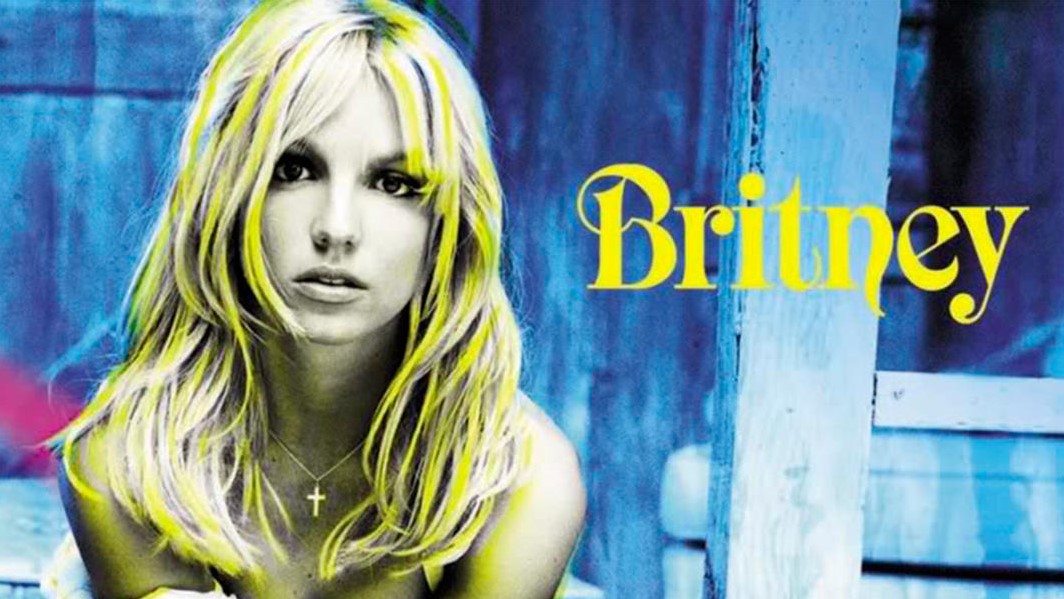
    Album artwork of Spears’ third studio album, Britney

    It was 1998 when a 16-year-old Britney Spears hit our TV screens with the music video for her debut single Hit Me Baby One More Time – a song that would propel her to superstardom.

    Twenty-three years later, society’s fascination with the pop star’s life is still going strong. 

    With six number one albums, 10 world tours, highly publicised mental health struggles, and now the #FreeBritney movement that focuses on her unusual conservatorship case, Spears’ name has never left the media – and tabloid culture has eaten up her every move. These are all things Framing Britney Spears explores as it documents the rise and fall of the global sensation.  

    Much of the documentary focuses on the media’s treatment of Spears, and how the blatant sexism and misogyny directed towards the singer, along with the lack of respect for her privacy, acted as a catalyst to cause the deterioration of her mental health and subsequent loss of control over her own life. 

    Throughout the documentary, we are presented with archive interview footage where media figures frequently ask inappropriate questions or make remarks centred around the singer’s sexuality. Spears is constantly asked about her clothing, breast implants, relationships, and her virginity – but rarely about her actual music. 

    This is something Spears has had to endure throughout the entirety of her career, and something she highlighted as a double-standard from the get-go. 

    The documentary focuses on Spears, but it’s also a look at the treatment of young women in the industry as a whole. Spears was not alone in her constant experience of casual misogyny. 

    “It’s hard enough being a woman in a male dominated industry”

    Soulé

    Many people have taken to social media to highlight examples of these misogynistic behaviours that took place right before our eyes.

    For example, the following clip from The Ellen Show, where singer Taylor Swift is relentlessly probed about the number of romantic partners she has had and is so humiliated that she is reduced to tears. 

    Swift is no stranger to the criticism surrounding her sexual life, and has often remarked on how her male counterparts do not go through the same levels of scrutiny.

    As more and more examples popped up online, I wondered to what extent this type of  casual misogyny exists here, in the Irish entertainment industry. The experiences of massive public figures like Spears and Swift are magnified, but similar occurrences are all too relatable for young women in the industry worldwide. 

    “As far as I’m concerned [sexism and misogyny] has been and still is a major issue, not only here in Ireland but all over the world”

    Katerina Chrysopoulou

    In October last year, Dublin drummer Emmanual ‘Smiley’ Osungboun made a number of sexist comments on a now deleted podcast referring to artist Soulé by name and implying women’s musical skills or abilities are influenced by their menstrual cycle. His comments were not surprisingly met with much outrage and disappointment. 

    “It’s hard enough being a woman in a male dominated industry – it’s another thing having fought and succeeded in obtaining a seat at the table to have our skills undermined based on our ‘periods’,” Soulé wrote on twitter. 

    This is just one example of the exhausting misogynistic behaviours female artists must endure.

    “As far as I’m concerned [sexism and misogyny] has been and still is a major issue, not only here in Ireland but all over the world. I’m from Greece and before I moved to Dublin I was an active musician there and can honestly say I have experienced similar behaviours in both countries.” Says Katerina Chrysopoulou, a Greek musician and performer based in Dublin.

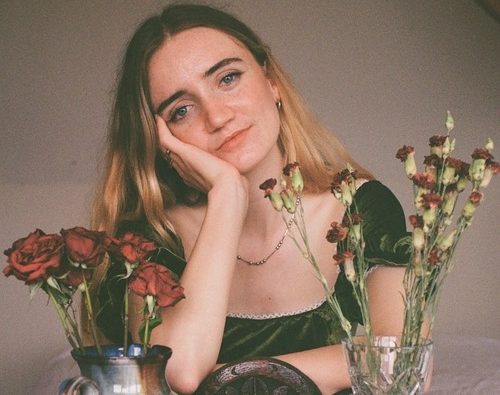
    Katerina Chrysopoulou playing in Whelans. Photo courtesy of Katerina Chrysopoulou. Instagram page @_katerinachrys

    Chrysopoulou adds that she wants to be clear about one thing – the problem of sexism is not a men vs women problem, as is commonly thought. Although 99% of her experience with sexism has come from men, she has also been subjected to sexism by women.

    Katerina Chrysopoulou in Dun Laoghaire pier. Photo courtesy of Katerina Chrysopoulou. Instagram page @_katerinachrys

    “One example, which I’ve experienced myself, is the way men – and sometimes women – treat females who are in a position of power. Female band leaders, conductors, music teachers, and many more, have such a hard time doing their job because they are not taken seriously only because they are women. And when they finally try to make people take them seriously, they will be called bossy, crazy, hysterical, and asked if they are on their period,” she says.

    The unfortunate truth is that sexism and misogyny are extremely deep-rooted in our society and double standards remain prevalent. But Chrysopoulou believes there are many things one can do in order to better cope with these issues in the industry – or any workplace for that matter.

    “Surrounding yourself with people who love and support you is a big one, as they will create a support ‘system’, if you like, that will protect and uplift you at all times.

    “Facing sexism is not an easy thing and the more confident we are in ourselves and our skills, the easier it will be to stand up for ourselves, face those issues and even attempt to stop them from happening to us once and for all.”

  • Eve Belle finds harmony in lockdown

    Eve Belle finds harmony in lockdown

    The virtual ‘new normal’, a screenshot of Eve Belle over Zoom. Photo by Izzy Rowley

    Although Eve Belle and I live in the same city, we do not live within the same five-kilometre distance, and lockdown restrictions have demanded a Zoom call. Thankfully, Belle’s charm easily translates through a WiFi connection.

    There’s been a tangible shift in the artist’s career – she released her debut album, In Between Moments, last October to great critical acclaim, she has been named as one of Hot Press’ Hot for 2021 artists, and has been a part of the Other Voices #Courage series.

    Releasing her debut album during a global pandemic cannot have been an easy choice – with touring off the table, it’s harder than ever to promote your music.

    “If I had waited for the right moment, four months on, I’d still be waiting, so I just decided to make the right moment,” she tells me.

    Luckily, there was an upside: “It’s an unusually good time to release music because there are people who are really reliant on having a new thing to focus on and a new thing to listen to.”

    In-lieu of the stage, Belle diligently performed over Instagram live – a platform many musicians have relied on during the pandemic. When I tell her I once heard another musician describe it as the fat-free version of gigging, she laughs and says “that sounds about right”.

    “I saw a boy I liked. He didn’t want to talk to me, so I went home and wrote a song about it as if it was the end of the world”

    Eve Belle

    Performing as part of the Other Voices #Courage series alongside Neil Hannon and Cathy Davey gave her a chance to escape the virtual world. “It was the first time I’d gotten to do anything resembling a gig since March. So, I was literally beside myself to be at anything even remotely in the shape of a gig,” she says.  

    She’s just released this performance as an EP of paired-back, acoustic versions of three songs on her album.

    Other Voices has been a constant in Belle’s career – performing on the Other Voices stage at Electric Picnic when she was 16, and then playing the musical trail in Dingle later. “It was a lovely way to continue the trajectory of that, so it was definitely close to my heart to be back,” she says. 

    How did Belle see herself as an artist when she first started out?

    “I wanted to be in emo bands in school, but my mum said no. I’m very glad she said no – I would’ve absolutely wrecked my voice, but at the time I was like ‘oh my god, why are you doing this to me?!’” She laughs.

    Belle’s lyric-driven songwriting style comes naturally to her – holding on to her emo roots by writing what she calls “sad bops”.

    “I remember, I was like 13, and went to some event where I saw a boy I liked. He didn’t want to talk to me, so I went home and wrote a song about it as if it was the end of the world.

    “I’ve changed in no way – everything that happens to me I write a song about… But it was cringier and worse back then,” she laughs.

    Coming back to the present, I ask Belle how she made the move from acoustic guitar to a fully produced, popified album.

    “I was just lucky enough to have somebody in the studio who, when I would say ‘this might sound really weird, but I want to try this’ he was saying ‘I’m already there, I’m already doing it.’”

    “It was a lovely way to continue the trajectory of that, so it was definitely close to my heart to be back”

    Belle

    This “somebody” is Fred Cox, who has also worked with Rag‘n’Bone Man and Grace Carter. Belle credits her confidence in the studio to their creative relationship – one built on trust and sonic experimentation. This, she says, was all part of the creative journey she was on at the time – and the album is a snapshot of that journey.

    “There is a distinct difference between what I’m writing now and what I was writing before, because there is such a distinct difference in how I exist now,” she says, referring to her life in lockdown.

    “It’s just had an effect on how I view the world, myself, and the things that are happening. In the same way I have grown and changed, my music has also grown and changed.

    “In the past six months I’ve started writing more with the piano, which definitely feeds into a more lyrical style.

    “With guitar, you’ve got it in your hands, which is grand, but you’re driving the process completely along on lyrics. I feel like with piano, it’s more atmospheric, which feeds back into writing.”

    Unfortunately, we’ll have to wait until the world opens back up to hear this exciting new material, and Belle can’t wait for that to happen, “I keep telling everyone, I’ll even go to the opening of an envelope.”

    Catch Eve Belle at her gig in Whelan’s in April and stream In Between Moments and Other Voices Courage (Live Acoustic Sessions) on Spotify now.

  • Immaterial Girl: How SOPHIE expanded the horizons of pop music

    Immaterial Girl: How SOPHIE expanded the horizons of pop music

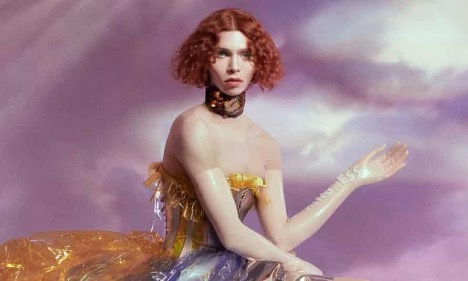
    The iconic producer on the Oil of Every Pearl’s Un-Insides cover. Cover Art Credit to Soapworld

    The music industry and trans community lost a pioneer on 30 January. The 34-year-old critically acclaimed producer SOPHIE died following an accidental fall in Athens, Greece – leaving behind a legacy of adoration from fans, friends and collaborators. 

    It’s difficult to forget hearing SOPHIE’s music for the first time. When BIPP first appeared on the radar of music listeners in 2013, it sounded like a dystopian future filtered through a nostalgic past, garnering widespread acclaim and speculation as to the identity of the reclusive artist. Rising to prominence alongside London’s PC Music collective, the acclaim would only grow more unanimous as SOPHIE’s elevated artistic and sonic vision cemented the Scottish producer’s place as one of the most forward-thinking musicians of the 2010s.

    For Dublin based experimental-electronic producer Dark Mavis, the unforgettable introduction into the world of SOPHIE came initially through the song Hard, as it played in the Boiler Room set of label mate GFOTY and subsequently in the unlikeliest of places, the stockroom at his former workplace. 

    “After I heard that SOPHIE track at work, I became obsessed. I listened to every release, every set, everything I could get my hands on,” says Dark Mavis. “I think that was back in 2017 so I was a bit late getting into the music, but I’ve been a huge fan ever since,” he continues.

    “It’s something that’s so difficult to emulate because SOPHIE had a truly unique talent for manipulating sound”

    Dark Mavis

    Kilkenny’s self-described purveyor of ‘occult digital hardcore’ Fomorian Vein too recalls a memorable first encounter with SOPHIE’s track Lemonade whilst reading a blog article in 2014. 

    “The overt influences from Eurodance, hardcore techno and noise music stood out immediately along with SOPHIE’s own distinct production, tracks like this were unheard of at the time and it was a much-needed breath of fresh air,” says Vein.

    An uncompromisingly singular beatmaker, it’s difficult to pinpoint the exact influences from which SOPHIE crafted the sound.

    Where genre descriptors fall short, SOPHIE’s music is most often likened jokingly or otherwise, to the physical materials such as metal and elastic that the producer meticulously sought to recreate through software synthesis and digital manipulation. 

    For Dark Mavis, this was a particular source of inspiration: “Both the found sound element of the music and how SOPHIE imagined and designed sounds that may not necessarily be real is hugely inspirational,” he says. “It’s something that’s so difficult to emulate because SOPHIE had a truly unique talent for manipulating sound in that way, but it’s something I would love to incorporate into my own music.”

    SOPHIE was also adept at expanding the sonic world of collaborators, pushing them into realms they may have been initially reluctant to explore. SOPHIE played a crucial role in the musical development of close collaborator Charli XCX, who traded in the radio-friendly pop-rock of 2014’s Sucker for the ambitious soundscapes of the Vroom Vroom EP. 

    “The kicks, the snares and the acid bassline come together with Charli’s vocals to make perfect pop music,” says Mavis. “You hadn’t really seen anything like it in mainstream pop music, I still don’t think people are ready for it to cross over into the charts,” Mavis continues.

    On Yeah Right, SOPHIE adorned the voices of west coast rapper Vince Staples and superstar feature Kendrick Lamar with booming bass and harsh percussion.

    SOPHIE even collaborated with personal hero Madonna on the critically divisive but endlessly memed 2015 track Bitch I’m Madonna.

    With the release of official debut Oil of Every Pearl’s Un-Insides, the once reclusive SOPHIE (who preferred not to be addressed by any pronouns when discussed by media outlets) presented extremely personal and deeply emotive work which revealed and explored the artist’s trans identity. 

    SOPHIE presented an extremely personal and deeply emotive work which revealed and explored the artist’s trans identity

    The success of the record and its accompanying videos secured SOPHIE a well-deserved spot in the pantheon of queer icons and its exploration of gender identity remains a major inspiration for LGBTQ+ artists across a variety of mediums. 

    “Oil as an album is a massively empowering statement on personal identity and sincerity that shakes a lot of people’s perceptions on what even seems possible within music,” says Fomorian Vein.

    “The opening track It’s Okay To Cry had such an immediate, enormous and much needed impact on not just electronic music or pop music, but also how musicians in the public eye could learn to present themselves,” Vein continues.

    SOPHIE’s life and career as a hugely innovative transgender music producer stands as testament to the empowerment and liberation of casting off restrictive gender and sonic constraints. The refrain of one of SOPHIE’s most beloved songs Immaterial reassures the listener that “you can be anything you want” – a fitting chorus for a song that will continue to soundtrack the self-discovery of young queer people for decades to come.

  • Artist Showcase: Tebi Rex

    Artist Showcase: Tebi Rex

    For this Artist Showcase, Eric Ryan speaks with Matt Ó from Tebi Rex about their recent release, Brackets, their debut album, their plans for the future and how they’ve been creating during lockdown.

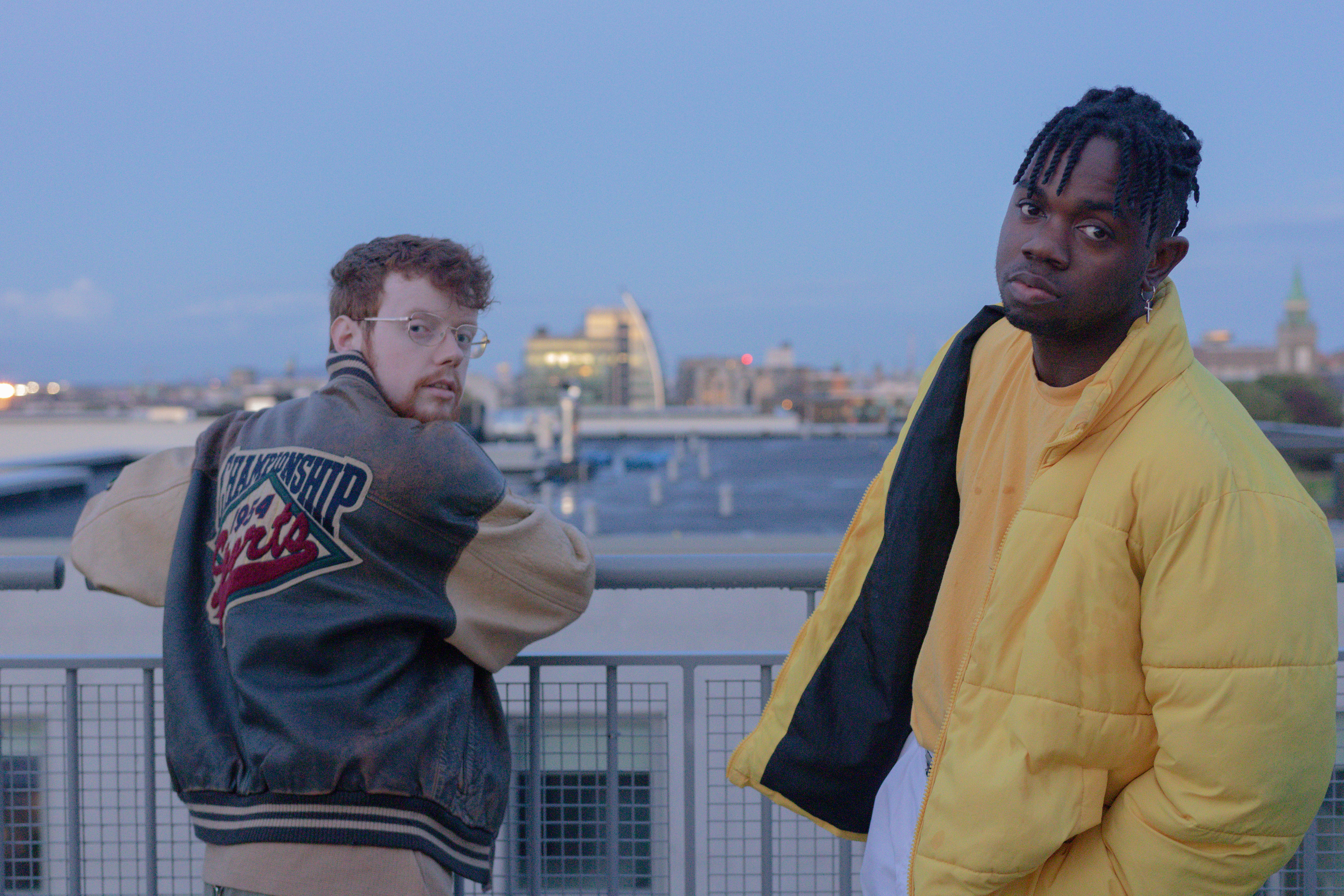
    Tebi Rex duo. Photo courtesy of Tebi Rex.

    For those that don’t know, Tebi Rex are a hip-hop duo from Kildare who have taken to the forefront of the Irish hip-hop scene with their signature blend of catchy hooks and genuine, laid back verses.

    Composed of Max Zanga and Matt Ó, Tebi Rex are a dynamic team that feeds off each other’s energy in every song. Usually, the singing is left to Matt Ó, who’s melodic verses and hooks smoothly combine with Max Zanga’s chic, laid-back, and often introspective lyrics.

    Whether it be a heartfelt, lo-fi alt rap track, a DIY pop banger or a head bopping club rap song about getting drunk and forgetting your own lyrics, it all lies comfortably in their ever-expanding wheelhouse of sounds.

    Although releasing music as early as 2017, it was in 2019 when they established themselves as a real driving force in the Irish hip-hop scene when they released their debut album, The Young Will Eat the Old.

    The Young Will Eat The Old, is a dynamic and cohesive project that’s sound is as intriguing as its themes and concepts. It offers insightful, introspective lyrics about life that draw inspiration and meaning from Greek Mythology, delivered over a range of instrumentals that vary from DIY pop to alternative hip-hop. All neatly wrapped up in a 3-act structure, the stellar release was a major improvement from their 2018 project, Welcome to the Darkest Year of Our Adventures.

    On their debut album, Matt Ó said, “It was an amazingly fulfilling and fruitful experience but don’t get me wrong, it was heavy at times. We were creating some amazing tunes and we would have to cut some out because they just didn’t fit the story we were trying to tell.” 

    Photo courtesy of Tebi Rex.

    For musicians and fans alike, 2020 has been a seemingly never-ending onslaught of doom and bad news, as countless amounts of live shows and projects have been cancelled or rescheduled. But Tebi Rex have managed to buck this trend, and their yearly growth has continued with their latest release, Brackets.

    With Brackets, Tebi Rex took a different approach and dropped some of the key elements that made The Young Will Eat The Old stand out.  While cohesion was still top priority with the EP, it’s a project that centres itself around shorter individual stories, the artists’ personalities and most importantly, having fun.

    Matt Ó drew similarities between the four tracks on Brackets and a group of friends, saying there’s “a messy drunk one, a sincere & romantic one, one who is over the top and one who isn’t quite all there – a fantastic mix”.

    He added: “Each song has its own identity, like how AAAAGH got a groundhog-day style video whereas I Got My Whole got a dreamy Wes Anderson treatment. White Boy Of The Month had a full animation and You Thot didn’t even properly have an ending.”

    One of the standout tracks from Brackets is the drunken and hazy AAAAGH, which is strengthened by the guest feature from Awkward Z, a rapper from Ireland’s south-east whose braggadocious verse fits the track as if he were a third member.

    With that in mind, it comes as no surprise that Matt would choose Awkward Z as his “creative collaborator if Max Zanga were to unfortunately pass away”. And in the case of Max’s untimely passing, it’s the producer of AAAAGH and Burner Records star, Local Boy, that Max Zanga has in line as Matt’s successor. Tebi Rex truly are prepared for anything the future will throw at them.

    The track is a testament to the new, strange times we find ourselves living in, as the boys had to work remotely when collaborating with Awkward Z. Covid-19 restrictions are something that Tebi Rex have taken in their stride, constantly sharing ideas through messenger and mail, and even having mixing sessions over Zoom.

    But despite 2020 being a good year for the duo, it most definitely still had its pitfalls, most namely the lack of live shows. “It has been really tough I won’t lie. It is 1000% the best part of being a musician, and it’s the best way to know if your new music is slapping or not.” said Matt.

    When asked about plans for the future, Matt Ó said: “Hopefully there’ll be live shows, whether they’re socially distanced or ideally vaccinated. We have our first show of 2021 booked in for London in February, and I’m sure there will be plenty of opportunities to watch virtual Tebi Rex shows too.”

    Matt added: “Obviously a new year will mean new music, but I have no idea what it is going to sound like, or when it would see the light of day so can give no hints as of yet – but based on what we’re writing at the moment, it is definitely some of our best ideas to date.”

  • Artist Showcase: Banríon

    Artist Showcase: Banríon

    This week’s Artist Showcase will take a look at the work of Banríon, a Dublin based indie-rock band. Eric Ryan spoke to members of the band to find out more about the creation of their debut project Airport Dads and their plans for the future.

    Bands lead singer Róisín Ní Haicéid. Photo credit Banríon.

    Banríon is a four-piece indie-rock band from Dublin, Ireland, who are relatively fresh to the music scene, with their first release only coming in June of this year. Originally formed when lead singer Róisín Ní Haicéid wanted to take her solo music to stage, the band promptly gelled and began recording and releasing music.

    Led by the captivating voice and songwriting of Ní Haicéid, the band came out swinging with their debut project Airport Dads, a mature and cohesive project from a group of musicians that had only been playing together for three months.

    Airport Dads is a short, well-balanced project that doesn’t beat around the bush. The band immediately assert their presence with a dynamic sound, meshing soft indie rock with elements of post-punk and a strong DIY aesthetic. Completed with songwriting that details the turbulent nature of young life in Ireland, the EP touches on topics such as relationships, disability, emigration and heartbreak.

    Cover art for ‘Airport Dads’, Banríon’s debut project. Photo credit Banríon.

    Banríon waste no time in flexing their collective musical muscle with their opening track ‘Yesterday’s Paper’. With instrumentation similar to that of Snail Mail, the jangling guitar, bass and drums strike harmony with Ní Haicéid’s vulnerable and lulling voice, which is calling out for the repetition of the past as its certainty offers a sense of comfort and security.

    “Yesterday’s paper” from Banríons debut project ‘Airport dads’

    Equally as haunting and captivating are the following tracks. ‘Ouchie’ is a powerful ballad that describes the turmoil and pitfalls of young love and heartbreak, while ‘Bunkbeds’ is a song about emigration which is sure to have you staring at the slats of the imaginary bed above you, missing those you love most.

    The project, which was influenced by artists such as Frankie Cosmos and Julia Jacklin, gains its DIY aesthetic from the fact that it was recorded in drummer Michael Nagle’s home in Connemara, as storm Jorge made its way across Ireland in late February.

    On recording and mixing the project, Nagle said, “A lot of the things that may sound like creative decisions were more compromises we had to make. We recorded in a room where the snare drums, base drums, and vocal mic were all bouncing off the walls”. He added, “I realised it had to change direction. I thought I could try and tighten this down, or I could lean into it.”

    Lead singer Róisín Ní Haicéid and drummer Michael Nagle. Photo credit Banríon.

    But, like most artists, Banríon’s progress this year has been halted by the coronavirus. What was shaping up to be a stellar debut year for the newly formed band was hindered by restrictions limiting rehearsal time and the cancellation of all gigs.

    Ní Haicéid spoke about how this particularly affected their “fast pace” process of creating music: “Before lockdown, I’d write songs right before practice and then immediately show them to the guys. We had only ever practiced ‘Ouchie’ once before performing it and then recorded it the next week”.

    She continued, saying “the way I write Banríon music is at this really fast pace, and the bit I love most is bringing it to the guys and working together”. Nagle added that “Creating music for the band has been more difficult when you have no grasp on what’s going to happen”. 

  • ‘The balcony is a place for communication’: Japanese pianist Rie Matsushita on the  Italian music movement

    ‘The balcony is a place for communication’: Japanese pianist Rie Matsushita on the Italian music movement

    Photo: Rie Matsushita

    TheCity.ie’s Ayumi Miyano spoke with the Puglia-based pianist about the spread of live music rippling through Italy at a crucial time in the nation’s history.

    Due to the global Coronavirus crisis, many concerts and live music gigs have been cancelled or postponed. But people are still in need of music during this time, despite the lack of official events, says Japanese pianist, Rie Matsushita.

    Matushita moved to Valenzano, Puglia in 2016 and began enhancing her music career from then until the present day. The culture of Italy has a special place for music, says Matsushita, and brings people together despite social distancing, quarantine and a devastating death rate.

    “In Italy, most apartments, even small ones, have a balcony. Usually people lean out from their balcony and talk with their neighbours. The balcony is sort of a place for communication,” she said.

    Balcony-based culture in Italy. (Photo: Rie Matsushita)

    “People like to sing in Italy. In summer, there is a karaoke competition in our neighbourhood and we sing a song outside. People don’t worry whether they sing well or not. Everyone sings a song out loud naturally here,” Matsushita added.

    This aspect of Italian culture surprises her, since people only do karaoke inside a building in her home country of Japan.

    During the quarantine period, people have been singing and playing instruments on their balcony throughout Italy — this movement initially blossomed among music lovers, but now professional musicians have joined the boom. 

    “Normally, professional musicians don’t often play their music for free because they have pride as a professional. Only when they receive money from the audience do they show their skills, which they have been training for years to master. That’s not only for Italian musicians but for everyone in the world, I guess,” she continued.

    “But now their activities have suddenly stopped because of the Coronavirus. Then, gradually they started to sing and play their instruments on their balcony,” Matsushita added.

    Video: Rie Matsushita

    “Now, everyone who is involved in music — amateurs or professionals —play their music for someone outside of their house. I thought I would be happy to share the music with people who are coincidentally walking under my balcony, and also I can make a video of myself playing to share at Facebook or Instagram.”

    The power of online music

    Why are people in need of music now? According to Deborah Kelleher, Director of the Royal Irish Academy of Music, spoke to theCity.ie that listening to music allows people to “block out the stressful noise and uncertainty that surrounds us”: 

    “I think a pandemic such as Covid-19 shows people how important their music is to them. Music performance enables you to concentrate on one thing – playing or singing,” Kelleher said. 

    During the pandemic, the digital platform has been a favourite among musicians hoping to strike a chord with online audiences.

    “As a national conservatoire for music, we have seen firsthand how keen our students and examination candidates are to keep their music lessons going, even online,” Kelleher commented. 

    Professionals can stream and upload their music onto their website and social media channels. In this digital society, this may not necessarily be a recent trend. However, there is a “newer” movement involving musicians sharing their music videos on particular social media groups while in lockdown, like “Musica contro il Corona Virus”.

    According to Matsushita, this movement allows professional musicians to share their music for free — which they were hesitant to do before the Coronavirus pandemic. However, it’s a “win-win” scenario for musicians and audience members alike for its entertainment value and the online engagement created for the performer’s talent.

    Music — even performances streamed online rather than live concerts — enables us to heal, no matter what is happening around the world.

    “Listening to music also achieves this and can add to our happiness, especially if you choose the music that you love the most and reminds you of good times,” Kelleher said.

  • Meet the Róg Poets

    Meet the Róg Poets

    The Róg Poets are an up and coming hip-hop group hailing from South Dublin. Their unique sounds and smooth rhymes reflect the versatility of the growing Irish hip-hop scene. The group is comprised of Mory, Johnny Welfare, Baz Greko and Smokey, who all met through the creative music production course in Dun Laoghaire Institute of Art, Design and Technology (IADT). 

    What’s different about the Róg Poets? Well, aside from the band, they each have their own individual musical careers which has contributed to a high production quality in their work and a well-versed knowledge of the elements involved in music making from the beginning.

    Mory began his craft by writing and producing rap music at the age of just 12. By 14, he had realised his creative flare and began recording his tracks in his old drum teacher’s basement. Since then he has been growing and developing his signature style.

    Smokey started rapping at the age of 14 as a way of doing something positive with something he loved.  He immersed himself with heavy influences from the classical hip-hop origins and has developed a sharp yet refreshing storytelling flow through his years of recording.

    Johnny Welfare began his music journey from learning to play guitar when he was 14. He developed a keen interest in the production side of music and realised early on that the tools available on a computer meant he had a full orchestra at his disposal. With this new freedom to create, he didn’t have to rely on anybody. Through years of producing techno tracks, he naturally transitioned into making hip hop beats.  His in-depth knowledge of production is evident in listening to any of the Róg Poet tracks.

    Bazi Greko being half Irish and Greek, attributes his background to his refined and timeless taste in music. He, like the rest of the group, listened to hip-hop from a young age and was consumed by original hip-hop. He was recording lyrics on his phone when he was younger and showing them to his friends, who encouraged him to put himself out there.

    I was lucky enough to sit down with the group and talk shop. When Mory was asked about their formation, it was clear that it was a very natural process.

    “It wasn’t that we sat down one day and decided to make music together, we are all rappers and producers who were in the same course so it was an organic shift, we were always hanging out, when musical people hang out they tend to get musical. “ It became more serious when Bazi got a new gaff in Deansgrange, we just kept meeting up and making music.” 

    In terms of putting the Róg Poets out there to get traction and new listeners, the group is more concerned with their own development and prefer to take a more calculated approach rather than exhausting their fans with token social media updates.  

    “In all they have played 10 live gigs in various venues like The Grand Social, The Bernard Shaw, Wigwam, Soundhouse, and The Lighthouse

    “We rely on three things mainly to get across to people, one is social media, although we are not as active as we should be, we’re on Facebook, Instagram, YouTube, Spotify. The second way which we have found seriously effective, is to get out there and perform as many gigs as possible, the old school way. Thirdly is word of mouth, we all have our individual organic reaches as each of us has various other projects we are working on, so there’s been a natural traction as we do our thing. We run some adverts too although the adverts only give the listener a small taste of our sound and if they like it they click in and listen to us. This is important to us, as the figures of our listenership aren’t fabricated or bought.” 

    The Róg Poets released an album called the Róg Tapes, Vol. 1 in 2018 consisting of 5 tracks each having its own vibrant attraction. In 2019, they released a single called Checkmate which, in usual fashion, saw each rapper take the track verse by verse. The rap itself is centred around attacking fake artists who are concerned with vanity and their Instagram profiles. This is important, as for the Róg Poets, they focus on integrity, respect and the love for the music. Johnny Welfare, their instrumental producer, affirmed that it’s all about the music.

    “We were caught up in the numbers for a bit but I think as it’s coming along, we’re definitely more focused on the music.  People trust us, in that the music we realise is different and creative – at the end of the day not everybody will like it, that’s life. If your making music to cater to other people rather than yourself then you’re already losing.” 

    The future seems promising for this young group of motivated artists as they continue to get out and perform as much as possible. In all they have played 10 live gigs in various venues like The Grand Social, The Bernard Shaw, Wigwam, Soundhouse, and The Lighthouse. The challenges for any up and coming group are never easy, although the Róg Poets are definitely a group to look out for in the future.

    The first link below will bring you to their 2019 checkmate single on YouTube and the other links are for their Spotify, Instagram and YouTube social media pages where you can follow them.

    /https://www.youtube.com/channel/UCYJi7TcELGckg9LudOM5wDQ

    https://www.instagram.com/r_records_/


  • Abner Browns – Not your average barbershop

    Abner Browns – Not your average barbershop

    By Aidan Coyle

    Dave Judge is something of a celebrity these days. The story of how he turned his little barbershop into a live music venue has led to three documentaries and has been covered in many of the national papers including the Irish Times.

    Dave initially worked as a barber before opening his own shop on Cork Street. He then did very well in the property business and opened Abner Browns in Rathmines. That was when the recession hit.

    Dave went from being picked up at the Galway races in big cars to cutting hair on the floor of Abner’s. He said: “We lost everything in the recession. Banks took the lot. It was a really, really tough couple of years. I was left with nothing.”

    “I kept the family home and I kept the barbershop cause I just leased it and didn’t actually own it. Thank God. If I owned it, it would probably be gone too,” said Dave.

    Dave fortunately managed to hold onto Abner’s and that is where his career took another unexpected turn. He had previously played in a band as a teenager and decided to redecorate the barbershop with music memorabilia. Canadian singer-songwriter Blair Packham agreed to play a few songs and became the first of many artists to grace the shop with live music.

    Although Dave confessed he somewhat stumbled back into the industry with the advent of Abner’s music nights, he has always loved music. Dave said: “I had a load of albums at home cause I’m a music head. I played music years ago. When I was in my late teens/early 20s, I played in bands around town.”

    Dave believed his love for music mixed with many years’ experience in business gives him an advantage over other people in the industry. He said: “I think that’s it; I fell back in love with it I suppose. It was always there but when I went into business, you’re focused in a different way. I brought that back to this in that all the music heads, they’ve a different way of thinking than I would have. So, I’m able to channel it better.”

    Dave Judge: Owner of Abner Browns and The Underground (Credit: Aidan Coyle)

    Dave became so sought after in the music scene that he had to stop the night-time gigs at Abner’s. He is involved in festivals around Dublin including running the 2FM stage at Electric Picnic. He also opened a venue called The Underground on Dame Street that features music from up and coming independent artists.

    Dave named and based The Underground after the 80’s venue on Dame Street that was significant to him. He said: “It’s about up and coming independent bands which is what I was when I was 20 years old and we had nowhere to play. There was the old Underground, that’s what it’s modelled on. Back then it was just down the road, pretty similar to what we are. But there was no Whelan’s, there was no Grand Social.”

    Dave’s aim with The Underground and with the music nights in Abner Browns is to give rising musicians that platform they need to perform. “It’s an opportunity to play and some people say; ‘Ah, some of them are shit’. ‘Well yeah, so were U2 when they started off’. You have to start. I was a shit barber when I started off. Give people a chance, that’s what we do, that’s it.”

    Abner Browns in Rathmines (Credit: Aidan Coyle)

    He said: “For me it was never about making money. Obviously, The Underground now has to make money. I would actually make more money if I played this type of shit and had someone playing Galway Girl all day and a load of Leprechauns on the stairs but it would break my heart.”

    Despite his scenic route into music promotion, there is no doubting that Dave is an expert on the Irish scene now. “People see me as the knowledgeable person in Dublin for up and coming bands and I would know them all. Like we had a Brazilian company here last week and a Los Angeles film company. They’re doing a thing about independent music around the world and doing Dublin. And they made me the centre of the Dublin thing which is a bit mental to be honest with you.”

    Last month, Dave brought the popular music nights back to his barbershop Abner Browns in Rathmines after a year and a half hiatus. ELLYD and Statelights lit up the small venue. “It was brilliant and straight away I got the next one booked in now and back at it again. I kind of missed it a bit because it was just about music.

    “Whatever you have in your head, you go in there and everyone listens,” said Dave.

  • The beginning of the end: Extreme music legends Slayer kick off third leg of final world tour in 3Arena

    The beginning of the end: Extreme music legends Slayer kick off third leg of final world tour in 3Arena

    For thirty-seven years double Grammy award winners, Slayer, have pioneered extreme music in the relative mainstream, being one of the most successful heavy metal bands of all time. Especially in the early MTV years alongside their contemporaries in Anthrax, Megadeth, and Metallica.

    Their long and industrious career, which has spanned twelve studio albums as well as a multitude of alternate media such as comic books, live albums, and more.

    These have cemented Slayer’s status among fans of extreme music as not only somewhat progenitors of the art, but also one of the few acts that have remained a mainstay in the industry.

    However, that is all about to change once this world tour comes to an end, the tour itself being on its final third leg already.

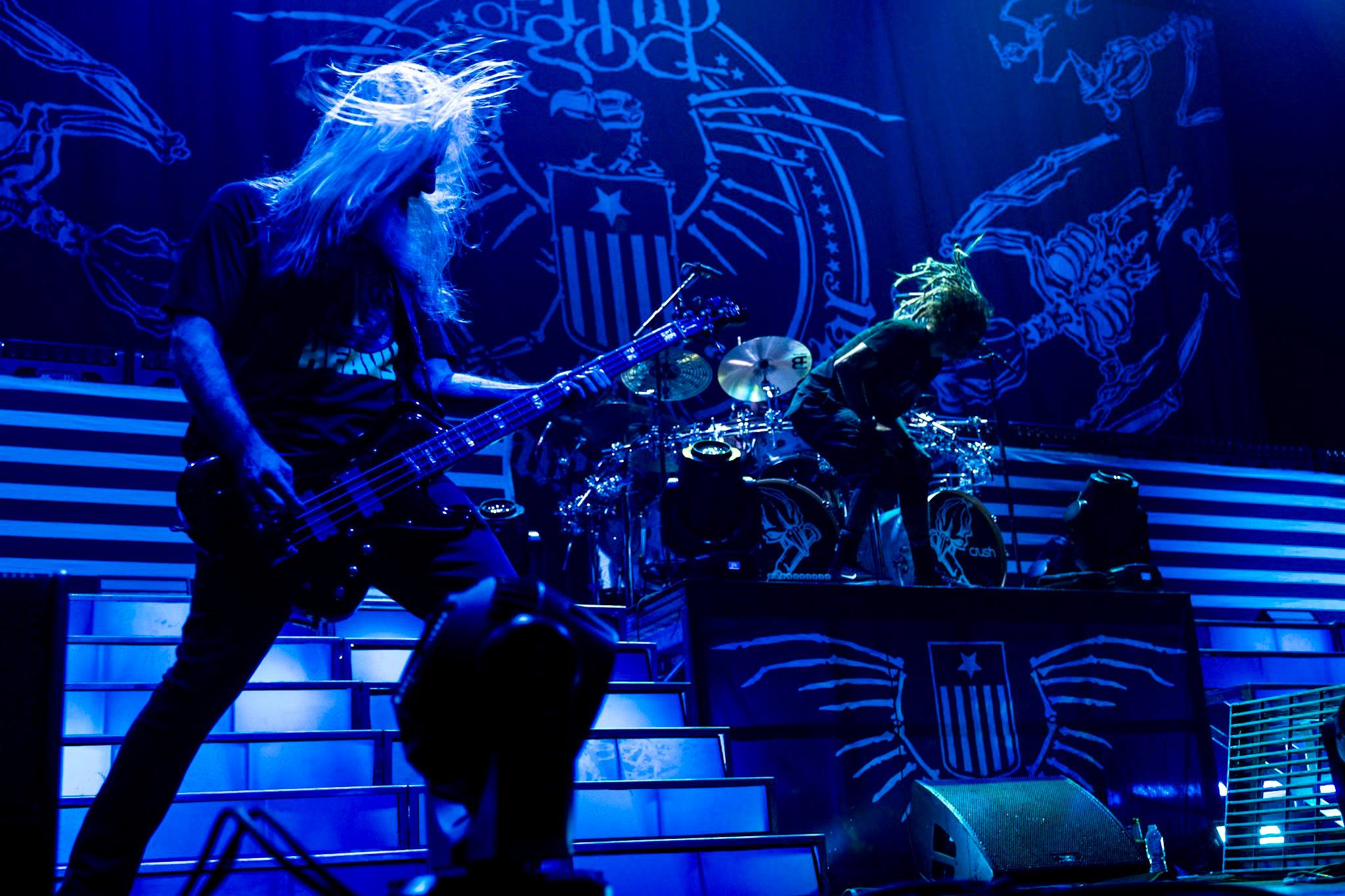
    The supporting acts on this European leg of the tour are Obituary, the aforementioned Anthrax, and Virginian death metalheads, Lamb of God, who each brought their own unique style to the 3Arena last week. As well as both being inspired and inspiring the others, particularly when talking about the coexistence of Anthrax and Slayer as two of the most prominent members of the “Big 4” of thrash metal.

    tom araya and gary holt from slayer taken from their instagram - photo by @jaraya
    Tom Araya and Gary Holt, the lead men of Slayer take to stage one last time // Instagram @jaraya

    Floridians, Obituary (7/10), had the honour of opening the concert, and although it was the shortest of all the sets played on the night, it worked well in hyping the audience up for what was to come. The downside to opening so early was lacking the total number of ticket holders being present as of yet, in addition to the audience taking it easy in anticipation for the bands to come. However, Obituary definitely served as a delicious sampler for the night.

    Following Obituary, the New York legends, Anthrax (7.5/10), took to the stage. While there is not much to be said in terms of downsides to the music (on the contrary they were second only to the main act on the night). However, their shortened set list, due to them being a supporting act for a band whose stature could be considered comparable to that of the headliners, did unfortunately not lend well to the impact that they could have easily had. Overall, however, Anthrax were easily one of the highlights to the concert, with an obvious air of respect to equally important godfathers of the craft.

    The final openers were the, for some, contentiously named Lamb of God (8.5/10).

    The first moment of eruption for the crowd came from two of their most popular songs, ‘Walk With Me in Hell’ and ‘Redneck’.

    One could not have asked for a more perfect final curtain before Slayer took the stage, a testament to team Slayer’s own understanding of the art of heavy metal and how to compliment it.

    And now, without further ado, the main act. Truly a triumph of their career, and a promising start to the following tour dates to come, Slayer (10/10) played one of the finest setlists of their vigorous and dynamic career. Surprisingly, full to the brim with both bona fide classics and lesser known tracks leading to a genuinely retrospective journey through 35 years of recordings. Opening with the title track from their most recent outing, ‘Repentless’, through ‘Black Magic’ from their very first, and, of course, ‘Raining Blood’, ‘Angel of Death’, ‘South of Heaven’ and ‘Seasons in the Abyss’, any and all fans of the band would find something to whet their palette.

    anthrax taken from their intagram - photo by @katty3n
    Anthrax supported Slayer on the night, and while they may not have been at their legendary best, they didn’t disappoint // Instagram @katty3n

    While stage flags and pyrotechnic inverted crosses made a spectacle of each passing drum beat and riff, as ‘Raining Blood’ began the penultimate stage flag fell revealing a touching tribute to founding member, guitarist, and chief songwriter Jeff Hanneman, who died of liver failure in 2013.

    Accompanied with a “thank you for being here tonight’ (with a strong emphasis and inflection on “tonight”), as well as a call for the audience to act like “angry little leprechauns” (this coming with a stereotypical accent), not only Slayer but all bands had an excellent rapport with the audience. With rousing applause from the audience and a final goodbye, Slayer were then gone from Ireland for good.

    While there will not be any more concerts in Ireland on the tour, if the chance arises to catch them on one of their other concerts throughout the mainland it is highly recommended to do so. While the price may change slightly depending on where they are, approximately €60 to see four bands in one night is well worth the price. If not to see Slayer, the recommendation strongly extends to the other bands too.