
By Shay Galon
As the concerns for the escalating club drug use in Ireland increased, Shay Galon reports on the HSE’s new campaign urging people who choose to take drugs to do it safely.
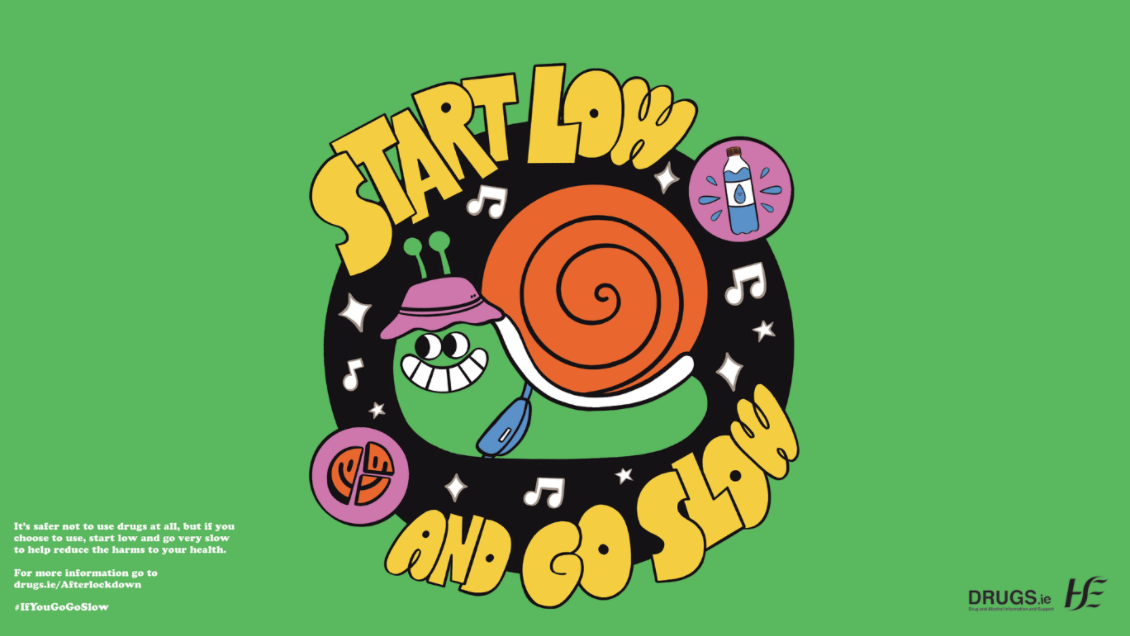
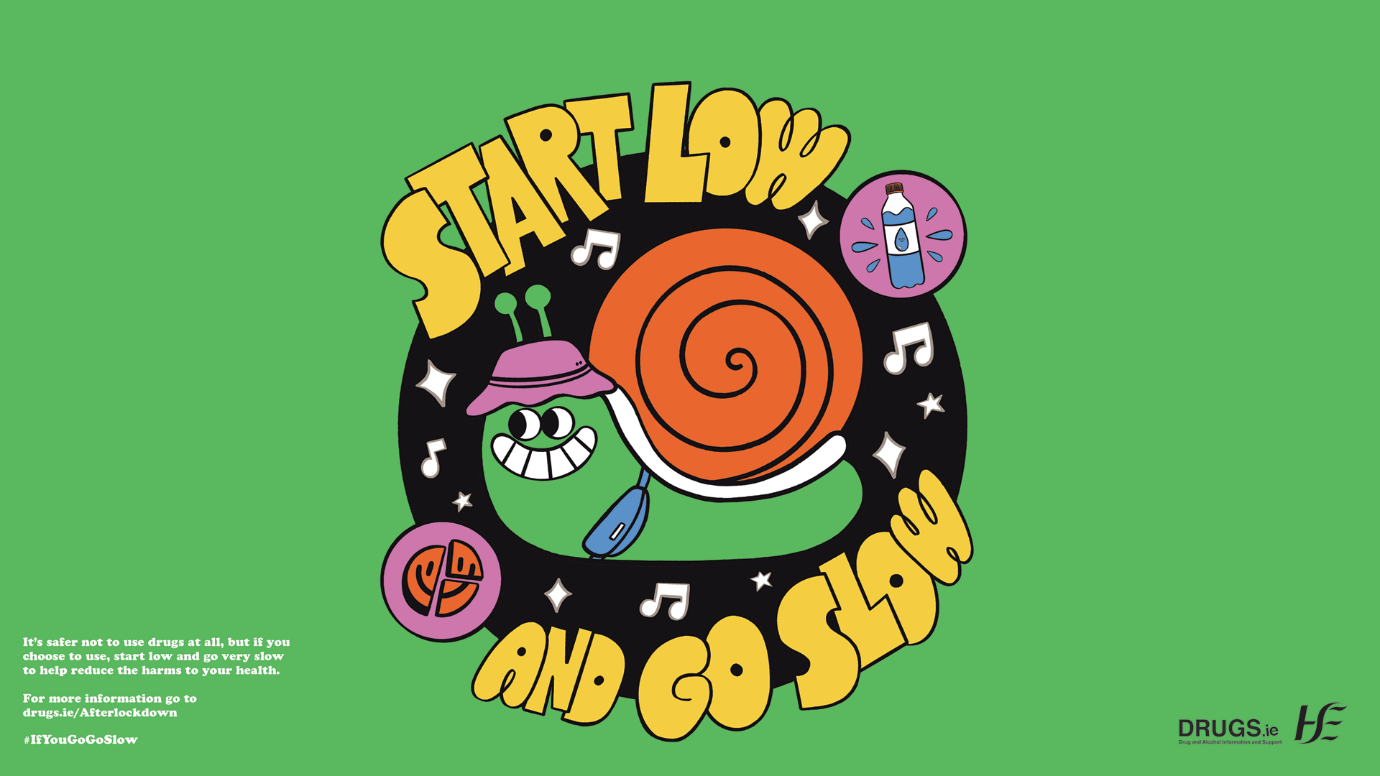
While the HSE says that it is safer not to use drugs at all, it launched a new campaign in attempt to remind those who choose to use drugs to be fully aware of its risks and ‘if you go, go slow’.
The new campaign was introduced when nightclubs were reopening in the country, despite the mandated midnight closing times. After nearly two years of restrictions, some of which are still ongoing with new variants emerging, people are excited to celebrate with their friends and to return to pre-pandemic normality. Although not everyone uses drugs, the HSE aims to remind people who do to do it slowly and safely.
“Not everyone who socialises in nightlife venues uses substances, but we are aware of increasing levels of stimulant use among young people in Ireland,” said Dr Eamon Keenan, HSE National Clinical Lead-Addiction Services.
“We are also seeing use occurring in extra risky ways with people taking multiple substances at a time.”
The campaign also aims to alert the public that drugs such as MDMA and cocaine that are used in clubs are increasing in strength in Europe, boosting the risk of overdosing. Nowadays, new substances can also appear in pills, powders crystals and cannabis products.
With the nightclubs open, ‘If You Go, Go Slow’ intends to remind first time drug users to thoroughly think about their actions as people react differently under the influence, especially in new settings and around new people, while considering the effects on mental health.
According to the Emerging Drug Trends and Drug Checking Report 2021, the HSE recognises that there is an emerging stimulant and poly drug culture among new user groups and there is currently a huge issue of concern across Europe and Ireland.
“While it’s safer not to use drugs at all, we ask people to consider the steps they can take with an aim to minimise the harms to their health.”
The HSE’s objectives include to start a conversation on nightlife risks around stimulant culture in nightlife venues and to raise awareness that drugs.ie is the place to visit for drug safety information. This website by the HSE informs people on how to reduce the harms from stimulants, educate people that drugs may be of higher potency and strength and their tolerance might be lower.
“Based on the reopening of nightlife in the UK earlier this year, we have a number of concerns in relation to overdose and fatalities happening at this time. We are aware that the current drug market trends may lead to the increased likelihood of overdose and people may be at greater risk due to time off from using drugs. Tolerance levels may have changed.”
To initiate new safer nightlife projects, the HSE has launched a new video series ‘View from the Booth’ to showcase Irish artist’s views on the current drug landscape from their position as DJs. Nightlife representatives play an important role in discussing the topic of drug use and health in a way that appeals to their community. The videos feature Aidan Thompson, Robbie Kitt and Kasey Keating Brady who touch on the topic of nightlife returning, reduced drug tolerance, mental health, peer influence and mixing drugs
Frank Feighan, Minister of State with responsibility for Public Health, Well Being and National Drugs Strategy, added: “A key objective of the National Drugs Strategy aims to develop harm reduction interventions targeting at risk groups, and it is crucial we make these interventions available in all settings, including the night-time economy.”
“It is imperative that when people go out to enjoy themselves that they can do so in a safe environment and the provision of these harm reduction messages and services will ensure that.”
Some people may feel they have to ‘make up’ for lost time which could lead to using substances in extra risky ways. Remember to mind yourself and look out for your friends. If you go, go slow.


You must be logged in to post a comment.