

Erica Carter investigates the financial impact online learning has had on third level students, as they express their frustration at the lack of government support for the move to online classes this year.

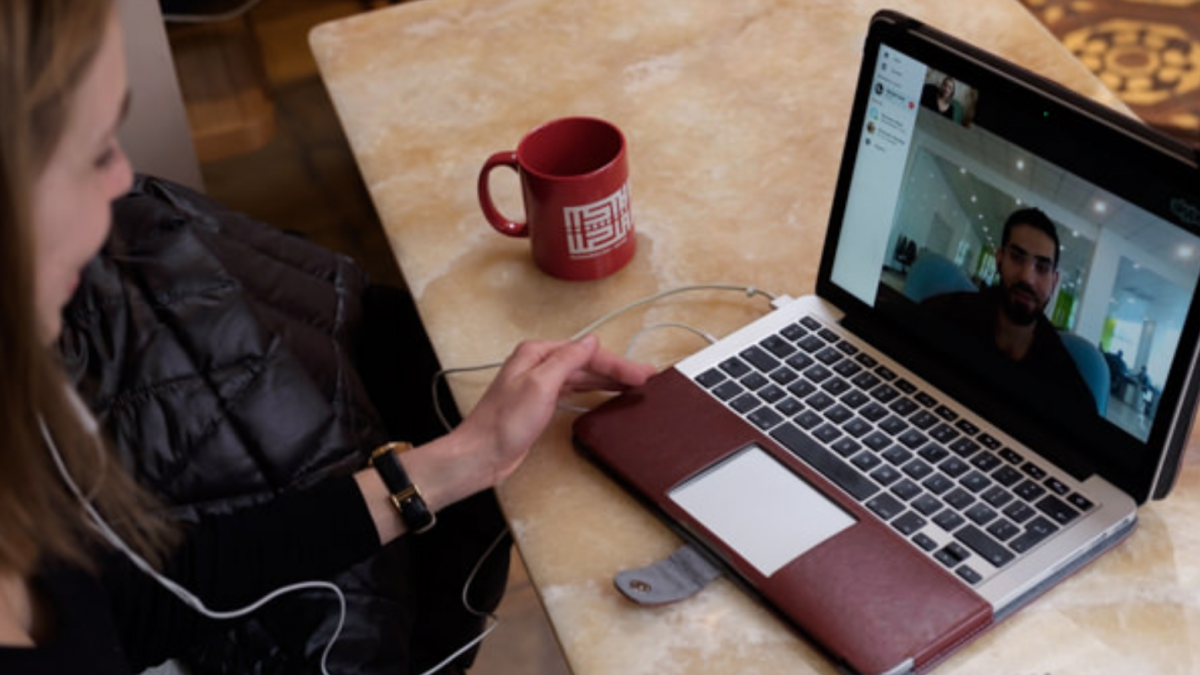
Due to the Covid-19 pandemic, third level education has been moved primarily online, with limited access to college and university facilities. This has forced students to buy equipment, such as laptops, software and broadband, which they say is a large added cost on top of education fees in the midst of a pandemic.
Deborah Deegan, a second year TU Dublin student, was asked by her class tutor to buy a laptop that cost €1200, in order to run software they no longer had access to due to no longer being on campus – a cost on top of other expenses, such as furniture and Wifi. “In total the move to online classes cost me about €2000,” explained Deborah, “which includes the recommended laptop for my course, accessories like an external mouse and headphones, and furniture like a desk and a chair, because I previously didn’t have those in my room.
“I also had to install new WiFi and my electricity bills are higher due to attending online classes and doing my assignments from home.”
Rose Conway-Walsh, Sinn Féin TD and the party’s spokesperson on Further and Higher Education, is completely opposed to these costs. “Third-level students and their families are under unprecedented severe financial stress,” she said. “They need help to ensure they can stay on at college.”
“This practical financial support should take the form of a reduction of fees, refund of accommodation paid, wider reach of SUSI, access to the College Assistance Fund and laptops including remote connection to broadband. These supports need to be made available immediately.”
A spokesperson from the Department of Further and Higher Education, Research, Innovation and Science has detailed the additional funding provided in support of the students returning to education this semester. “This includes targeted student supports which will be of assistance to many students, particularly those with the least financial resources,” they said.
“The Department has allocated €15 million of capital funding for a once-off COVID-19 grant to support disadvantaged students in the further and higher education sectors in accessing information and communication devices,” the spokesperson continued. “The grant is being made available to further and higher education providers, which are using it to purchase devices to support disadvantaged students who are encountering challenges in accessing devices for remote learning.”
Supports such as laptop lending schemes were also only open for applications a few weeks into the college semester for some institutions, which meant students had to either buy a laptop or miss a few weeks of classes until they found out if they were eligible to be loaned one. “We were told during the summer there would be a laptop scheme for people who couldn’t afford them, but no information was provided until we had already been in classes a few weeks,” said Deborah. “Anyone that needed a laptop had already had to go out and get one because it was that or fall behind on our work.”
Another problem that many students are facing is that they do not qualify for the Department of Further and Higher Education grants. As they or their parents or guardians do not fall within the eligible income bracket.
TD Conway-Walsh is uneasy about this aspect of the grants. “I am concerned that despite Simon Harris being on public record telling me that eligibility for laptops would not be based on SUSI eligibility, I am being told by students that colleges are denying them laptops because they don’t receive SUSI,” she said. “I have written to the Minister to notify him of this.”
He now says it is up to the third level institutions. “I fundamentally disagree with this as this is public money and eligibility for SUSI is too narrow to accurately reflect the financial status of many households.”
When asked if any supports or funding were considered for students that weren’t deemed “disadvantaged”, the Department of Further and Higher Education, Research, Innovation and Science did not respond.
“I don’t think it’s acceptable to ask students to pay this amount of money on top of their college fees, in the middle of a pandemic and a recession where many are now losing their jobs,” asserted Deborah. “We as students have invested our money into these institutions to give us an education but they won’t invest in us in order to provide us with that education.”


You must be logged in to post a comment.