
Tag: Portugal

  • Drug decriminalisation could see fall in overdose related deaths

    Drug decriminalisation could see fall in overdose related deaths

    The Minister in charge of the National Drugs Strategy, Aodhán Ó Riordáin TD, announced plans earlier this month which could see the possession of small amounts of drugs for personal use being decriminalised.

    The Labour TD outlined a plan which will see the possession of small quantities of drugs like cannabis, heroin and cocaine being decriminalised in the near future.

    This announcement was made during a speech to the London School of Economics, during which the TD also said he hoped that medically supervised injection centres will be introduced as early as next year for the country’s heroin users.

    This paradigm shift will almost certainly reduce drug related crime in the country and should free up resources which will allow the Garda National Drugs Unit to pursue darker underworld elements, primarily those who currently import dangerous illegal drugs into Ireland.

    Ireland, however, will not be the first country to decriminalise the use of some drugs for personal use. Portugal first decriminalised the possession of personal amounts of drugs in July 2001, while the Czech Republic had previously decriminalised the possession of quantities of drugs that were obviously for personal use in January 1999. A policy of non-enforcement has allowed effectively illegal cannabis “coffee shops” to flourish in the Netherlands, fueling their tourism trade.

    Closer to home, just eight people were cited for misdemeanor drug possession in the United Kingdom in 2005. Conversely, 5,461 people found themselves in the same situation in Portugal in the same year.

    This stark difference shows that, in the United Kingdom, people were obviously being convicted for the same offences that will be reclassified as misdemeanors in Ireland soon.

    In 2009, speaking on Portugal’s new laws, Glenn Greenwald, of American libertarian think tank the Cato Institute, said, “Now instead of being put into prison, addicts are going to treatment centres and they’re learning how to control their drug usage or getting off drugs entirely.” A similar scenario is surely the envy of the countless Irish families who feel the pain which results from drug misuse.

    A study by the European Monitoring Centre for Drugs and Drug Addiction this year found that there are about 60 deaths caused by drug overdose per million people in Ireland per year. In Portugal and the Czech Republic, they found that there were no more than 5 deaths caused by drug overdoses per million people per year.

    The difference in these figures is stark but, while they may paint a picture of a nation which is regressive where drug policy is concerned, the new direction which Minister Ó Riordáin is intent on taking the country in could see these eye-opening death numbers rapidly reduced.

    PJ Stone, of the Garda Representatives Association, said of Minister Ó Riordáin’s plans, “I think that anything that can deal with the curse of drugs and some innovating thinking on this is to be welcomed.”

    Many Irish people will be pleased at the thought of dangerous drug supplying gangs being taken out of business or, at the very least, having their business activities greatly restricted.

    Minister Ó Riordáin said of the proposed new legislation, “This will be a wider discussion under the next government but once people get their head around the argument, about what decriminalisation actually means, that policy won’t be about the drug but about the individual.

    “Then regardless of the drug, the individual needs an intervention and society will be saying, ‘the substance is illegal, but you are not a criminal for taking it’.”
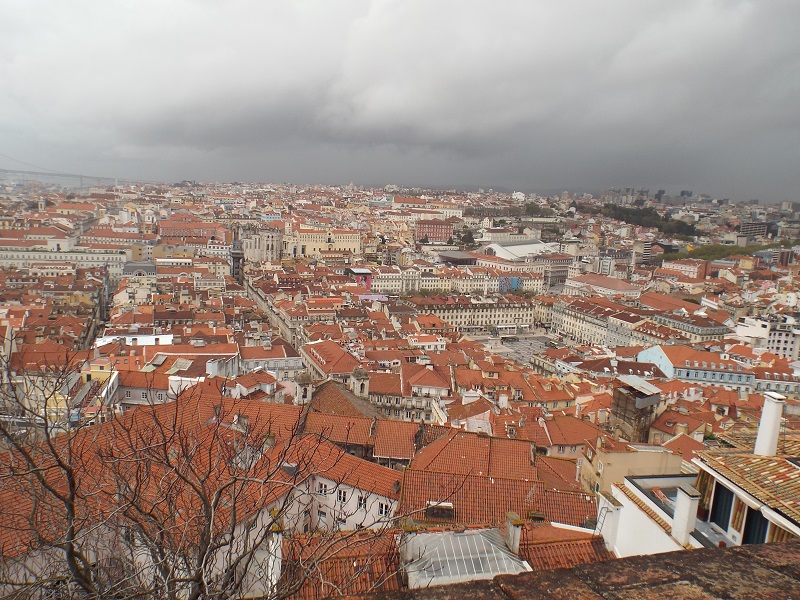
     

  • Live it up in Lisbon

    Live it up in Lisbon

    This slideshow requires JavaScript.

    Cheap food, fine wines, boutique hostels – Lisbon has it all. For budget holidaymakers, it doesn’t get much better than this.

    Located only 30 minutes from the beach town of Cascais, Lisbon is a great destination if you’re after a short, cultural city break and want to get your share of beach time as well.

    If you can get it, that is. When I arrive in the Portuguese capital, it’s a washout, but my guide Carmo promises temperatures of up to 30 degrees during the summer.

    First off, accommodation: The Independente is your best bet any time of the year.

    Located near Bairro Alto (the heart of Lisbon’s nightlife), the trendy hostel is run by the three S’Eça Leal brothers. The price is very agreeable: an average night in one of the bright dorms with the cork bunk beds costs €12.

    What’s more, The Independente’s restaurant, The Decadente, boasts an excellent menu and hipster-friendly décor. A three-course lunch will set you back a mere €10 and coffee costs 60c. Need I say more?

    Tram 28 is one of the most popular ways of getting around the city. Or you can opt for the Yellow Bus tour, which will bring you to the usual touristy spots as well as the more off-the-track attractions. Bottom line: Lisbon is a city of seven hills, so prepare for some serious hill-walking. The tiled paths can be slippery in the heat, so good footwear is essential.

    The city is relatively small, so it won’t take you long to find your feet. And besides, Lisbon is the birthplace of Saint Anthony, the patron saint of lost articles, so if you do get lost, pray to him and he’ll help you find the right path.

    If you’re looking to get your fill of culture, pay a visit to the wonderful Belém district, where your first stop should be the Jeronimós monastery. It is one of the oldest structures in Lisbon and survived the famous 1531 Lisbon earthquake and subsequent tsunami and fires.

    Colloquially known as “the pepper monastery”, Lisbon’s history is literally written on its walls. All the motifs that appear on the tiles that line Lisbon’s streets are here – sea monsters, elephants, lions, etc. – and the tomb of Portugal’s greatest explorer Vasco da Gama is housed at Jeronimós.

    While you’re in Belém, grab a Pastéis de Belém pastry at Antiga Cafeitaria. Sprinkled with cinnamon and icing sugar, these custardy, flaky treats will melt in your mouth. But watch your timing: cruise calls bring hundreds of tourists to the café and it can get pretty full around lunchtime.

    Although Lisbon is the oldest city in Western Europe, its architecture is quite diverse. Modern buildings sit comfortably alongside traditional structures.

    Juxtaposed to the 15th century Jeronimós is the very modern Museu Coleçao Berardo. The Berardo collection is home to some of the 20th century’s greatest artworks. Pablo Picasso, Andy Warhol and David Hockney all find their place in the permanent collection, which is free to visit.

    On the way back, stop-off at the LX Factory in Rua Rodrigues de Faria. It mightn’t look like much from the outside, but this former printing factory is home to some of Lisbon’s most unique cafés, restaurants and shops.

    Around 150 companies have set up camp in the LX Factory, making use of its old warehouses, cafeteria and shops to create a trendy haven. You could easily spend half a day here, wandering around the impressive Ler Devagar bookshop-café, admiring the artwork in Studioteambox Gallery and filling up on Landeau chocolate cake.

    Comercio Square in the city centre is a popular meeting point for tourists, and the Lisboa Tourist Board has given the square a revamp by renting out spaces to new restaurants and attractions like the Lisbon Story Centre. The multimedia experience takes about 50 minutes to complete and tells you all you need to know about Lisbon’s rich history.

    Rua Augusta, one of Lisbon’s busiest shopping streets, leads off Comercio Square. The pedestrianized street offers the usual high street shops as well as a couple of unique design shops like Typographia, a shop that sells Portuguese themed t-shirts by Lisboan designers.

    If you head away from Lisbon’s historic centre and visit Parque das Nações, you’ll find that the former Expo 98 site has been put to good use with attractions like Oceanário de Lisboa aquarium.

    In Lisbon, cod is king. It’s said that the Portuguese have invented 365 different ways to cook cod (one for every day of the year). I sampled only six but can confirm that if you’re banking on cod alone during a week’s holiday, you’ll do just fine.

    One of the most delicious dishes is served at Restaurante 5 Ocenaos: sea bass cooked and served in salt and a white wine.

    The most exciting cod dish is the incredible bacalhau à bras with exploding olives by Michelin-star chef José Avillez. The young chef owns a string of restaurants in Lisbon, including Pizzaria Lisboa on Rua dos Duques de Bragança – a unique experience to be served pizza from a Michelin-star chef.

    One of the biggest nuisances for tourists is the constant hassle from “drug dealers” at every corner in the city centre. They constantly pick on visitors to buy “hashish”. If partial to a joint, don’t be fooled: what’s on offer looks suspiciously like green tea.

    Apart from that, there’s very little bad to say about Lisbon. It’s cheap, it’s cheerful, it’s a platter of culture. What more could you want?

    Conor McMahon travelled to Lisbon courtesy of the Portuguese Tourism Board and Ryanair.