Tag: statistics

  • The main concerns of young Irish in today’s hectic world 

    The main concerns of young Irish in today’s hectic world 

    A new survey shows that Ireland faces several challenges and major international problems, which make it hard for young people to grow up with confidence and ease when looking towards the future.  

    According to the most recent Central Statistics Office (CSO) “Growing Up in Ireland” survey, people aged 25 are mostly concerned about housing and poverty, with domestic issues being the most impactful. 

    Their concern is understandable. This is not only a policy issue but also a real and ongoing challenge. Many people in Ireland are aware of it through their own experience, or through family members and friends who are facing housing difficulties. 

    New stories emerge every week of students commuting long distances, couples in their 30s trapped in shared flats, or young adults who simply cannot afford to move out from their parents.  

    In total, over ten thousand people were officially homeless in Ireland in 2022, and more than 7,200 of them were in Dublin – a city rapidly becoming unliveable for many.   

    Although poverty and housing instability often come hand in hand, one of the main issues facing Irish families of all backgrounds is finding safe, reasonably priced homes. According to the latest government statistics, as of December 2024, more than 2,000 families in Ireland were residing in emergency housing. 

    This has a huge impact on children, as homelessness affects every aspect of their lives from infancy to young adulthood. Temple Street Hospital research shows that homelessness has a negative influence on a child’s physical, emotional, cognitive, and social development. 

    Even though the number of homeless people for young adults is not the highest out of the age groups, it is still a significant number, despite Ireland having one of Europe’s lowest youth unemployment rates (ages 15-24). 

    Ireland’s youth unemployment rate appears to be encouraging. Compared to several other EU member states, including Spain and Greece, where youth unemployment still surpasses 25%, the Irish percentage is far lower at only 12% of those aged 15-24 being unemployed or out of education. 

    But having a job does not guarantee housing access. Many young Irish workers are underemployed, working part-time, on zero-hour contracts, short term or temporary employment, and sometimes without any benefits or security being offered with the contract.  

    New data from the CSO shows that 18% of 25-year-olds went back to their parents’ house after attempting to live on their own, while 43% have never left. This indicates that by their mid-twenties, over 60% of young adults remain in the family home. Many of whom do so out of necessity rather than choice.  

    The numbers show a generation trapped by rising rents, stagnating incomes, and a property market that continues to price everyone out of the market but the wealthiest. While Ireland has one of Europe’s fastest-growing economies, many of its younger residents and workers are missing out on that wealth.  

    Having a stable place to live is one of the basic prerequisites for being able to engage as a full member of society and build your own independence, future and family. Yet it has become a privilege that is denied for so many young people in Ireland.  

    High pricing, a lack of availability, and low-quality housing are causing stress and worry, forcing thousands of young people to go abroad, including those educated and certified to become much-needed teachers and healthcare workers.  

    Without continuous and engaged government intervention, we risk allowing another generation to grow up not finding in Ireland the security and support they need to thrive.  

  • Increase in people feeling downhearted or depressed between April and November this year

    Increase in people feeling downhearted or depressed between April and November this year

    The Central Statistics Office has released findings of a survey in relation to ‘well being and lifestyle under level 5 restrictions’– a survey relative to the social impact of Covid-19 for the month of November 2020. Gavin Dalton examines the results of this survey.

    Image source: Pikist

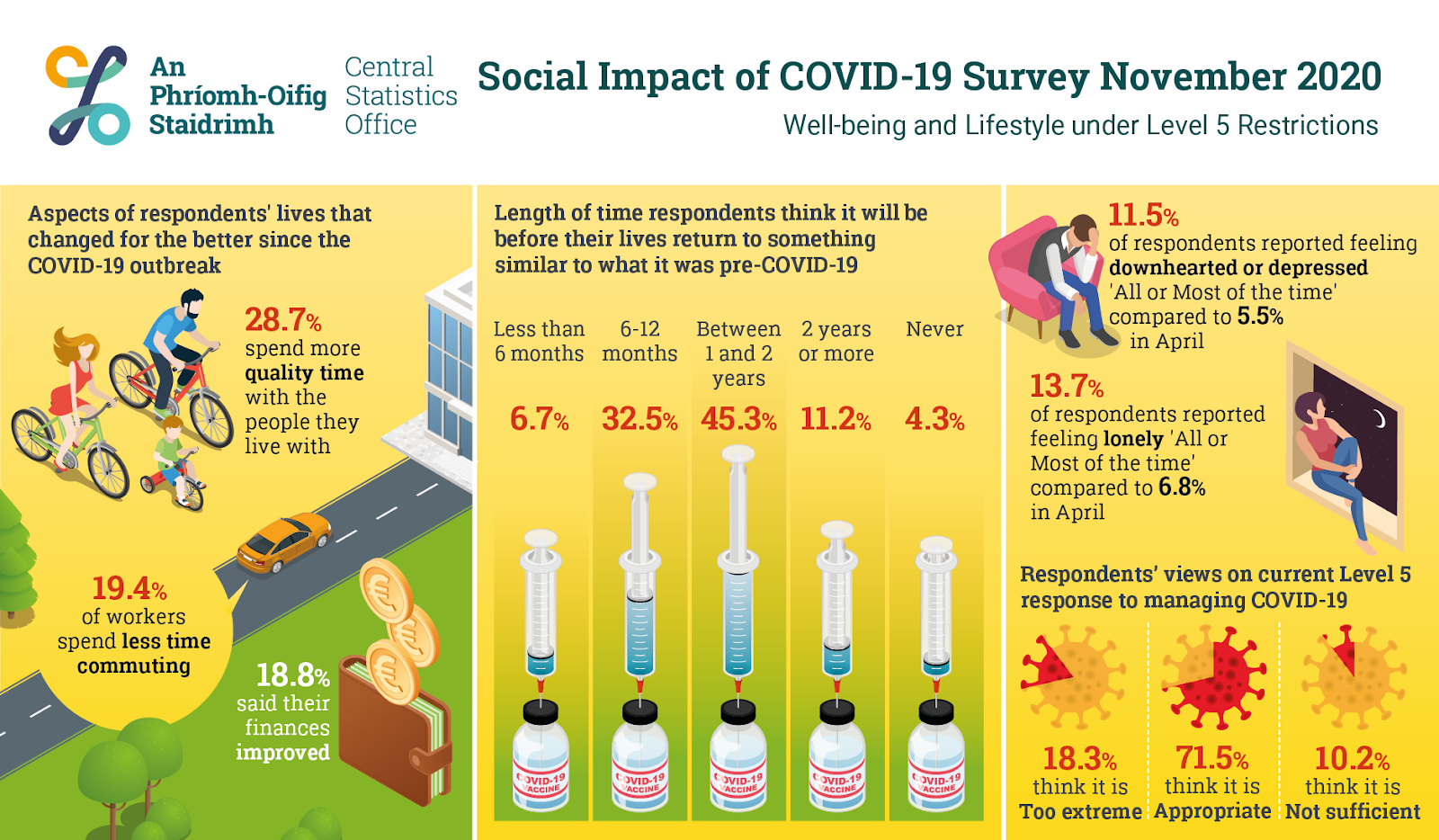
    Published on the morning of the 30th of November, the Central Statistics Office (CSO) well-being survey shows some eye catching findings. 19.4% of workers spend less time commuting, which was an aspect of repondants’ lives that have changed for the better during the pandemic, whereas in contrast 11.5% of respondants reported feeling downhearted or depressed ‘all or most of the time’. 

    The survey, which was carried out between Thursday November 12th and Wednesday November 18th, was based on a sample of 5,105 persons aged 18 and over. The survey availed of an online questionnaire to produce an achieved sample size of 1,585 individuals.

    There were some findings that arose in relation to the appropriateness of the implementation of Level 5 to Covid-19 risk, in which one could argue were rather expected results. Over 71% of those who responded to the survey indicated that the level 5 response was appropriate, 18.3% were of the impression it was Too extreme, with 10.2% feeling it was not sufficient. Analysing the findings by age shows the likelihood of a respondent feeling that the Level 5 response was Appropriate increased with age, with 63.2% of respondents aged 18-34 agreeing that the Level 5 response was appropriate rising to 88.2% for those 70 and over. 

    Some of the findings from the survey may raise cause for concern: The percentage of respondents that felt lonely All or Most of the time in the four-week period prior to interview doubled between April, when a similar survey was carried out and November 2020, from 6.8% to 13.7%, whilst the percentage of respondents that felt downhearted or depressed All or Most of the time in the four-week period prior to interview doubled between April and November 2020, from 5.5% to 11.5%.

    Speaking of these specific increases, councillor Mairin McGrath isn’t overly surprised but remains hopeful for the year to come. Speaking to The City, she said: “When we look at the first lockdown compared to the 6 week lockdown we’ve just come out of, there’s been a huge difference. There was probably a novelty to the first lockdown and although we were kind of facing into the unknown, it was genuinely a very scary time for the country, people being at home, having the long days and the good weather to do your few DIY jobs around the house and spend time like it was Christmas with family, was probably something a lot of people enjoyed.

    “And then when you compare the last 6 weeks we had in level 5 lockdown, it’s just been totally different. Much more grim in a sense. It wasn’t as much of a lockdown, life was still going on as normal for some people but I suppose the whole aspect of not being able to have that whole social outlet to look forward to, but I think people have grown more wary of the whole situation.

    “It has been very challenging. I’m not one bit surprised that the figures are as they are. As a young councillor, I for one can see it first hand through my job, I can feel the struggles myself. Working hard all week and then having nothing to look forward to at the weekend, no place to go, no plans to look forward to as we head into Christmas especially. So look it’s been a challenging year for all, it has been difficult.”

    Remaining positive for the approaching year, McGrath said: “The increase in figures doesn’t surprise me, but hopefully we can look forward to a better 2021 with lots of plans and get togethers with our friends.”

    CSO statistical publication, 30 November 2020, 11am. Taken from the CSO website.

  • Stats show decreases in many categories of crime but incidents of domestic abuse are rising

    Stats show decreases in many categories of crime but incidents of domestic abuse are rising

    Recorded crime statistics from Q2 2020 show a decrease in the number of incidents across many categories including homicides, burglaries and offences against the government. However,  the number of domestic abuse incidents being reported has increased significantly this year. Megan O’Brien analyses the impact of Covid-19 restrictions on crime.

    Recorded crime figures fell dramatically in April to June as a result of the restrictions that were introduced by the Government over the first six months of the year in response to the Covid-19 pandemic. 

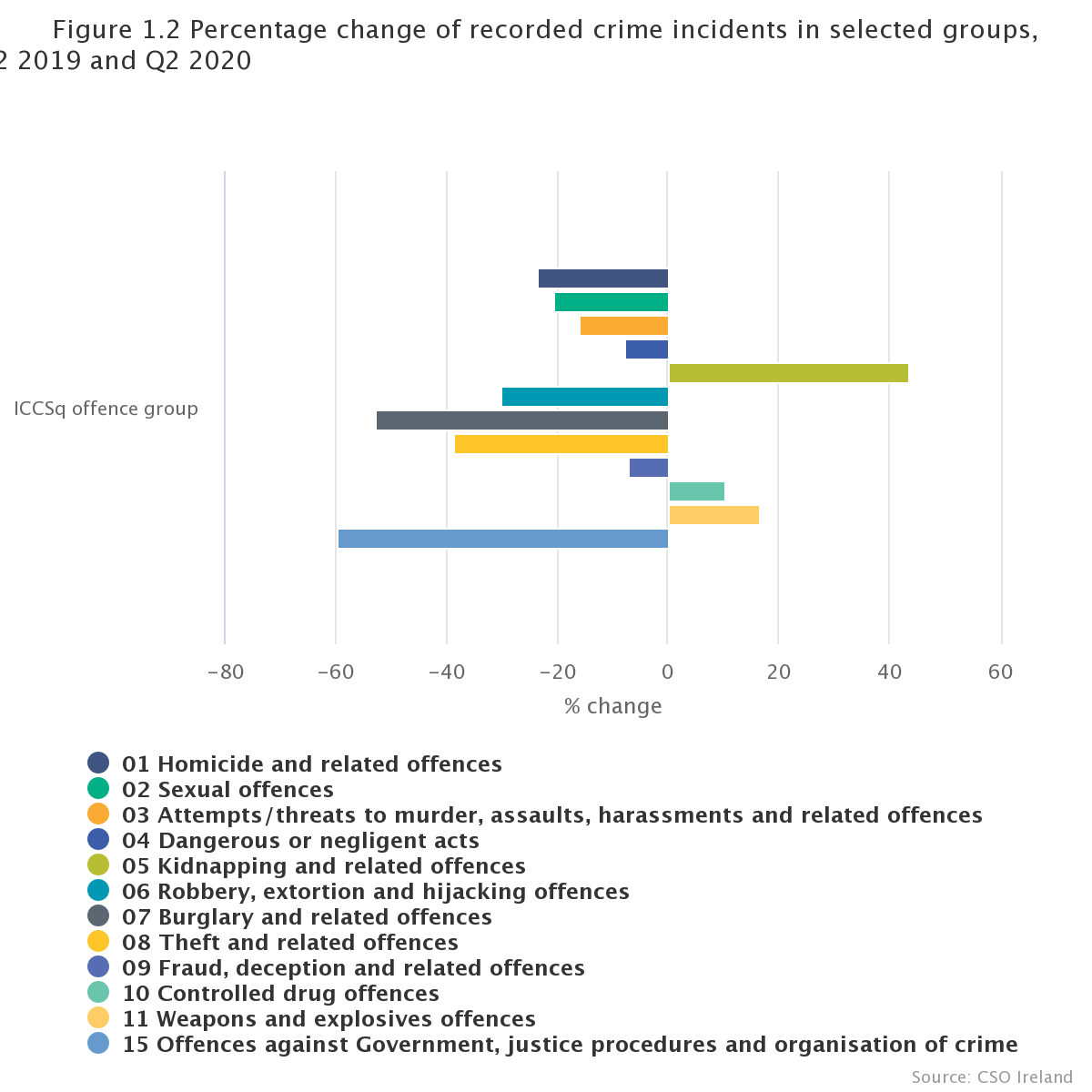
    Data from the Central Statistics Office (CSO) shows that there was a decrease in 11 out of 14 categories of crime in the second quarter of 2020 alone in comparison to the same time period in 2019.

    Chart

Description automatically generated

    The biggest decrease was seen in offences against Government, justification procedures and organisation of crime where there were 2,630 less incidents representing a decrease of 59.6%. Homicide offences dropped by 23% with 13 offences in the first quarter of 2020 compared to 17 in the same time period last year. 

    Chart, bar chart

Description automatically generated

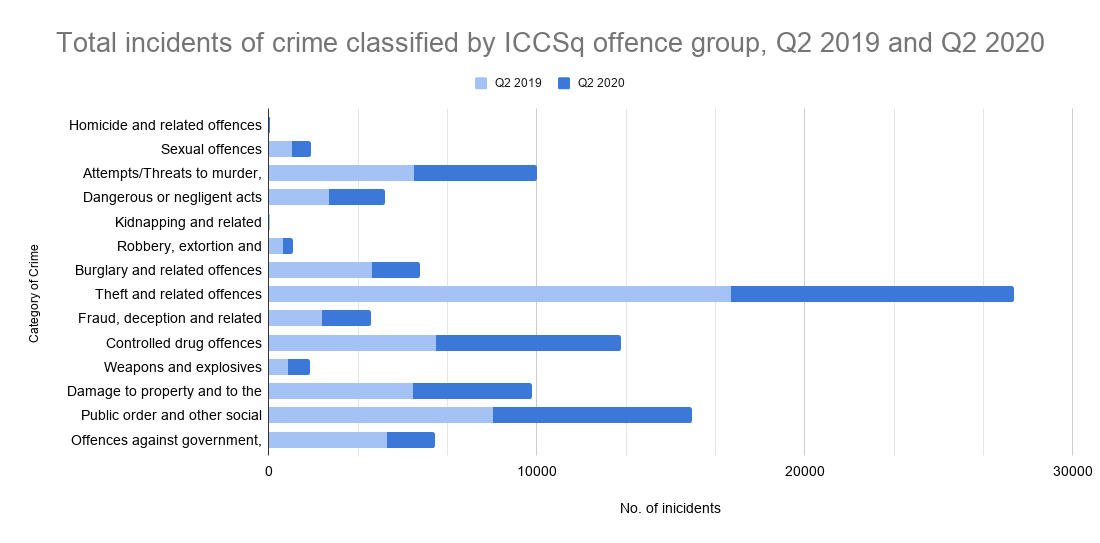
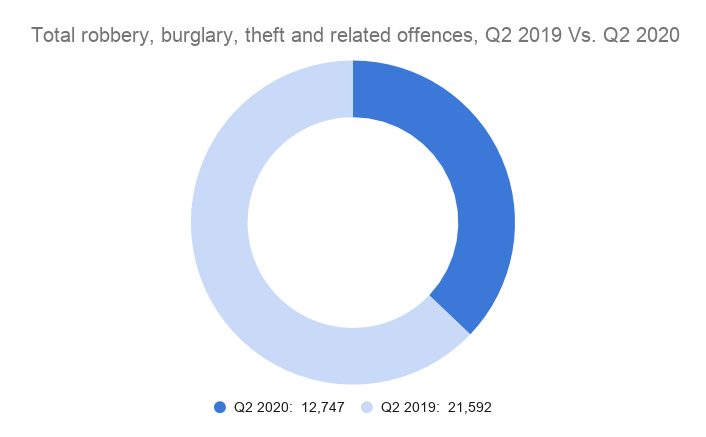
    Three categories that saw significant drops were: Robbery, extortion and hijacking (-29.9%), burglary and related offences (-52.8%) and theft and related offences (-38.7%). Combining these three categories together in both quarters for comparison purposes, there is a dramatic contrast. As represented in the graph below, there were 21,592 incidences in Q2 2019 and only 12,747 in the same period this year showing a 40.9% decrease. 

    Chart

Description automatically generated

    There was an increase in only three categories with the sharpest increase seen in kidnapping and related offences where there was an increase of 43.5% as the number of offences jumped by 10 from 23 to 33. 

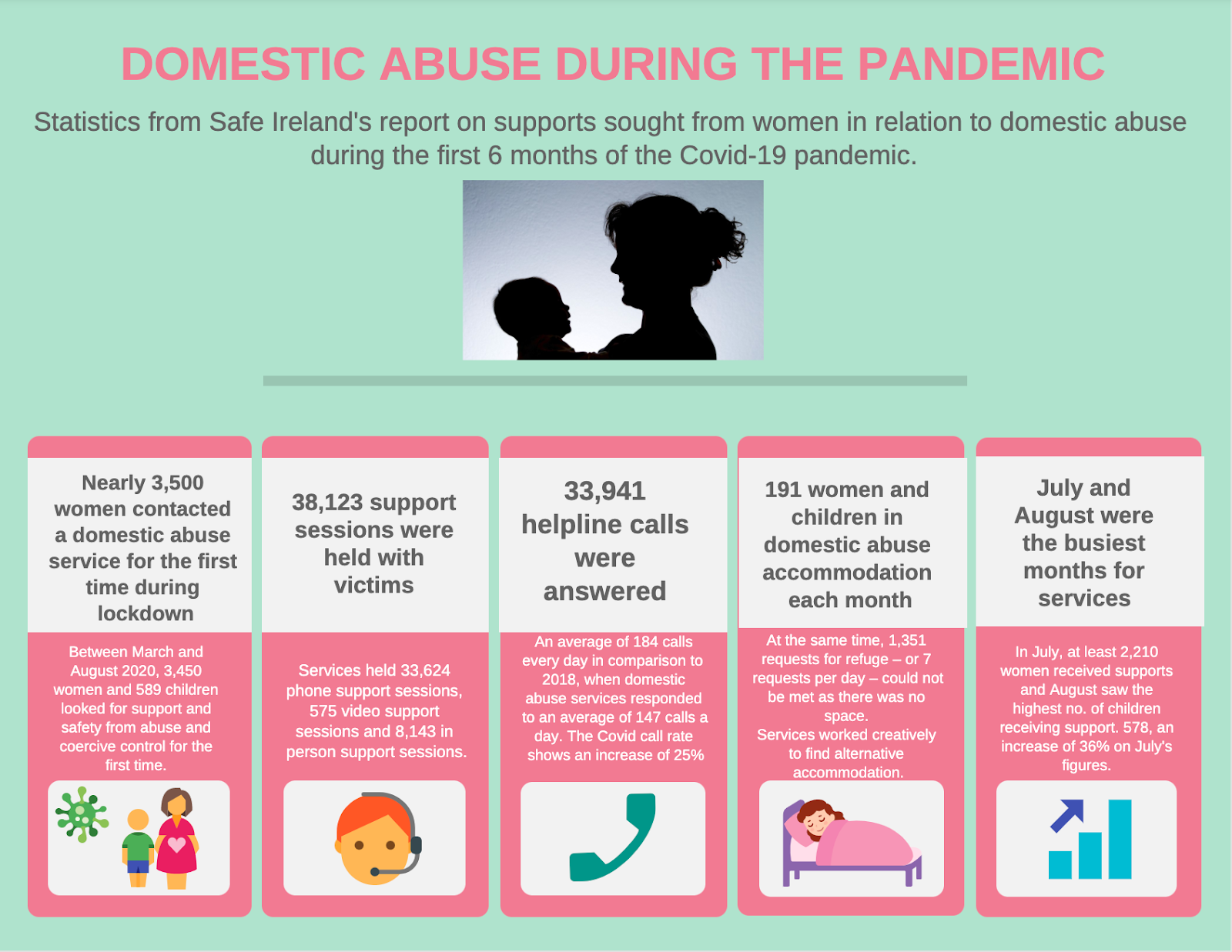
    While decreases can be seen in many categories of crime, we are seeing a different pattern when it comes to the number of domestic abuse incidents. Gardai have recorded a high number of cases this year following the introduction of movement restrictions due to the Covid-19 pandemic. Safe Ireland’s latest report ‘Tracking the Shadow Pandemic’ shows that incidences of domestic violence and coercive control have increased dramatically in 2020. 

    3,450 women and 589 children contacted a domestic abuse service for the first time between March and August this year according to the report. These represent ‘new’ cases and an average of 1,970 women as well as 411 children received support from a service every month with July and August the busiest. 

    As of the 12th of October 2020, 15,320 victims of domestic abuse had been contacted by the Gardai as part of Operation Faoiseamh with all of these contact calls being for incidents that were reported between January 1st and October 12th 2020.

    Operation Faoiseamh formed as part of An Garda Siochana’s community response plan to COVID-19. Phase 1 launched on the 1st of April with the goal of providing enhanced support and protection to victims of domestic abuse during the public health crisis as it became evident that victims were potentially at a higher risk during lockdown and periods of restricted movement. 

    Phase 3 of Operation Faoiseamh, a Gardai operation to protect victims of domestic abuse commenced on the 28th of October 2020 and as part of the third phase, they will be actively enforcing court orders and focusing on the prosecution of offenders. They will also be reaching out to previous victims to provide support and offer assistance. 

    Speaking about the operation, Detective Chief Superintendent Declan Daly from the National Protective Services Bureau said: “Prior to the commencement of Operation Faoiseamh I assured victims experiencing domestic abuse that An Garda Síochána were available to assist you in this difficult time. An Garda Síochaná are mindful of the fear and concern some in our community may have at this time. I wish to take this opportunity to re-emphasise our commitment to protect the most vulnerable in society. Operation Faoiseamh has been established to ensure you are safe, if you feel threatened or are in fear please contact us and we will respond quickly and robustly.”

  • Taxi complaints on the rise in Ireland

    Taxi complaints on the rise in Ireland

    Figures released by the National Transport Authority have revealed that the number of complaints lodged against taxi services in Ireland is rising. Nathan Davies explores the statistics behind the rising complaints.


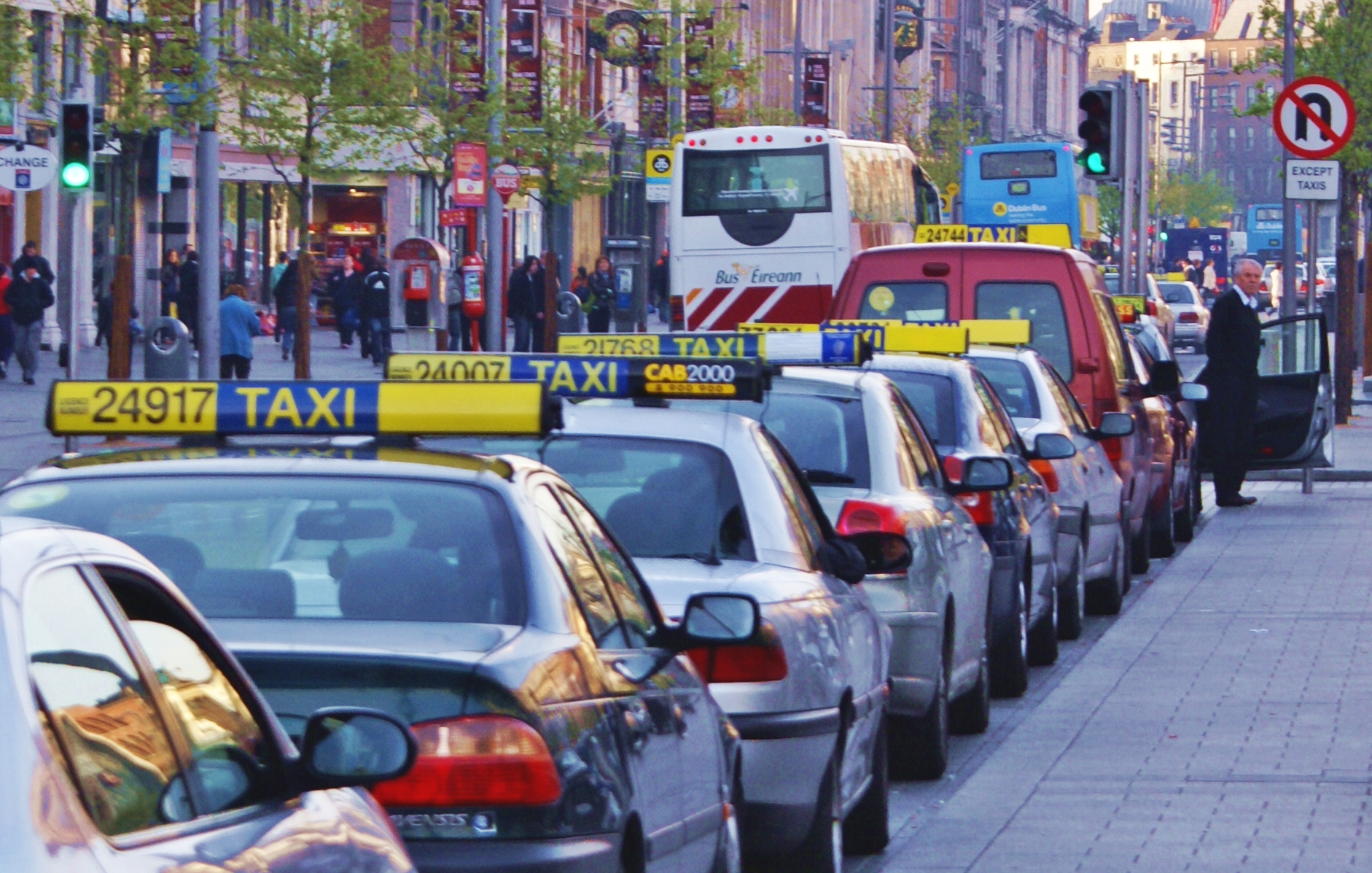
    Photo taken by Jaqian, sourced from Wikimedia Commons

    The figures cover complaints lodged against all Small Public Service Vehicle (SPSV) licensed drivers. This includes all taxi, hackney, limousine, and dispatch operator services in the country.

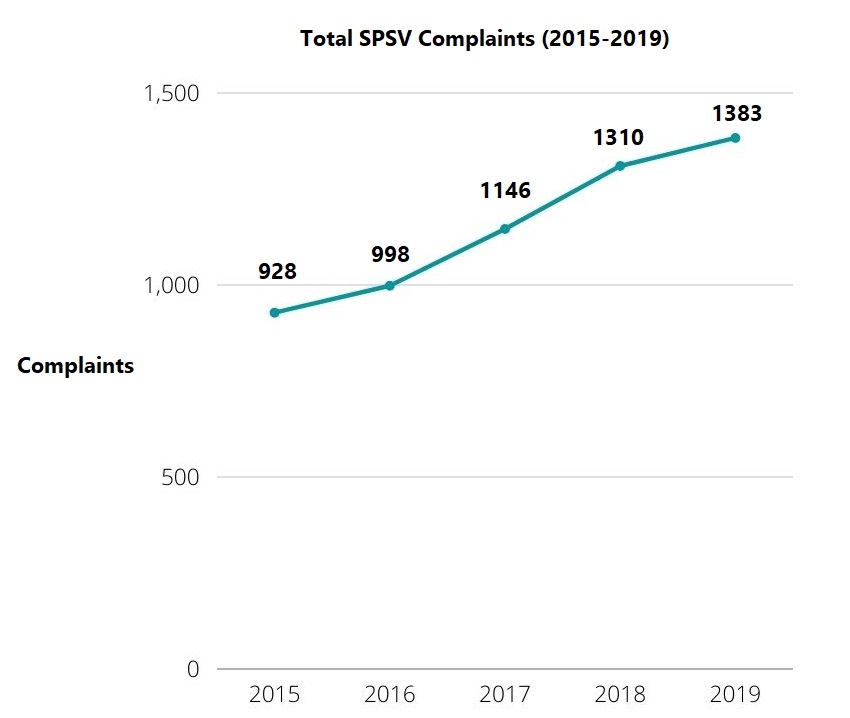
    The statistics from the National Transport Authority (NTA) show that 1,383 complaints were filed with the NTA in the year of 2019. This number is larger than the previous year which stood at 1,310.

    In fact, every year on record that has been published by the NTA has seen a higher number of complaints than the year before it.

    Complaints in the year of 2015 stood at just 928, meaning that there has been a 50% rise in official complaints in the past five years.

    Figures from 2020 have not been finalised yet, however early numbers suggest that the trend is continuing, with complaints filed in January and February of 2020 being higher than the respective months in 2019.

    The figures released by the NTA come as part of the “complaints procedure” introduced with the Taxi Regulation Act 2013. The legislation requires that the NTA receives and lodges any SPSV-related complaints under the following categories:

    a)      Condition, roadworthiness, and cleanliness,

    b)     Conduct, behaviour, and identification of a driver,

    c)      Overcharging or other matters related to fares charged by the driver,

    d)     Matters relating to hiring and booking,

    e)     Identification and the general appearance of the vehicle.

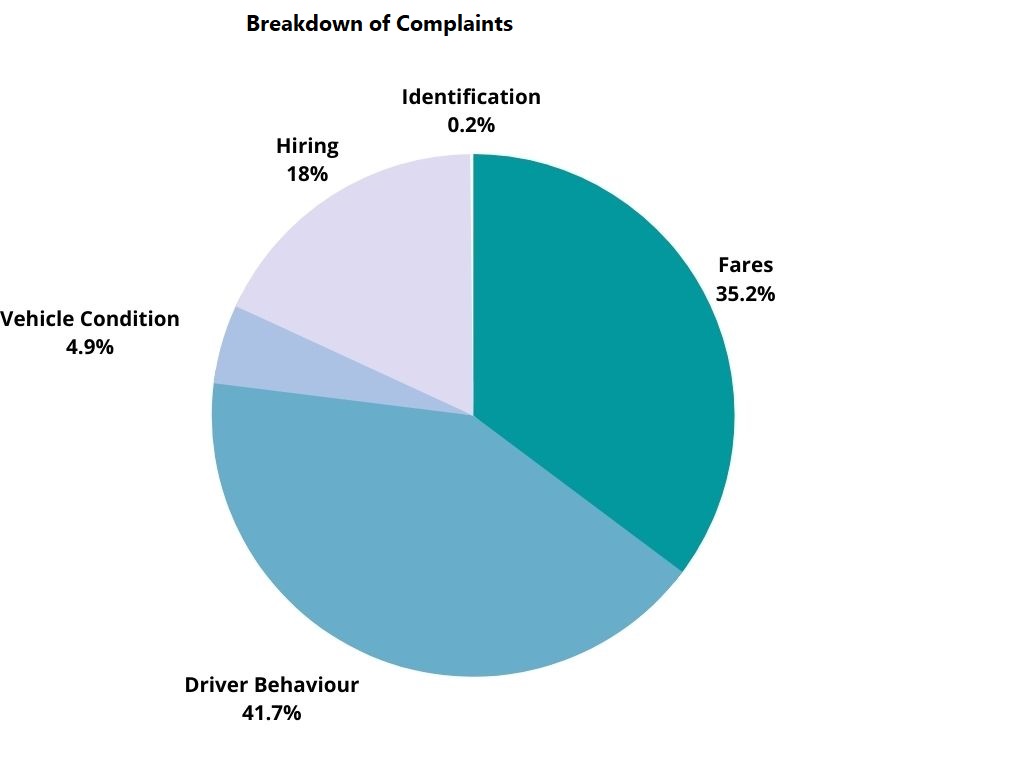
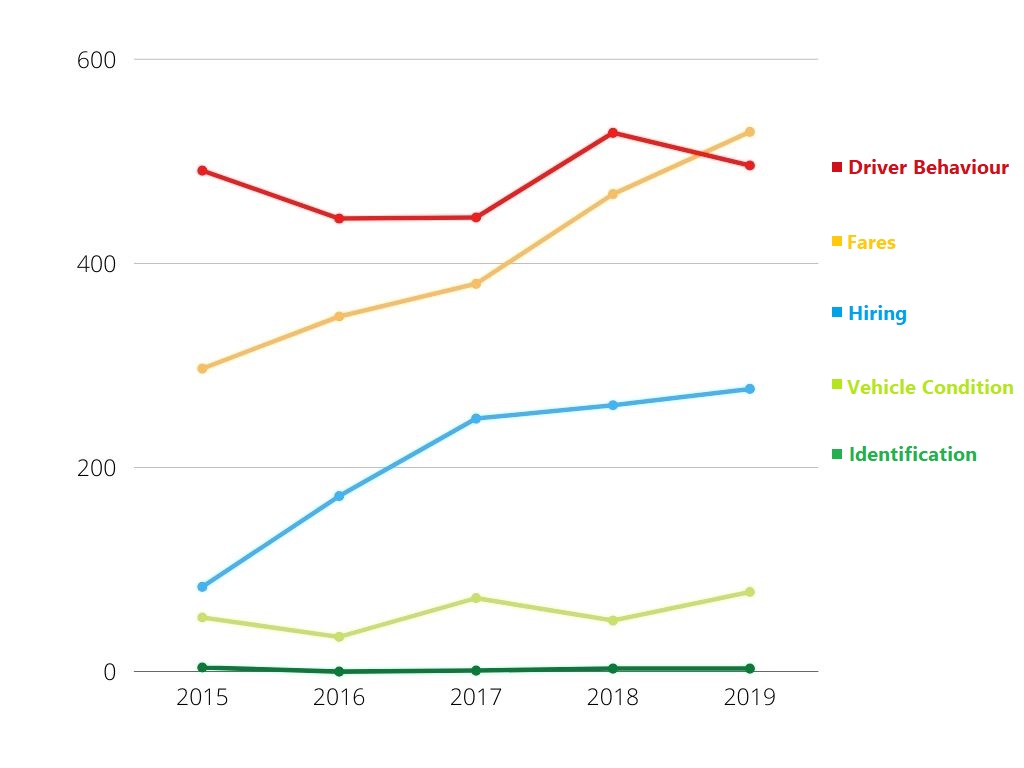
    The total number of complaints are divided into these five categories and reveal that fare matters and driver behaviour are the most common reason a complaint is made. Here is a breakdown of the specific complaints over the past five years:

    More than three quarters of all complaints lodged relate to issues with either fares or driver behaviour. While driver behaviour has been the most reported issue, the number of complaints have remained stable over the five year period. In contrast, the number of fare and hiring complaints have risen dramatically, with hiring complaints more than tripling in five years.

    When questioned by TheCity.ie on the statistics, NTA representative Dermot O’Gara suggested that the rise in numbers was due to an improved complaint-lodging system introduced in 2014:

     “Improved contact forms have made it easier for consumers to submit compliments or complaints about taxi services nationwide” he said.

    “This, together with enhanced consumer education, have had a positive impact leading to an increase in both the compliments and complaints received.”

    While it is true that easier access to complaint forms would increase numbers, this does not explain the continued rise over several years. This also fails to explain why some complaints are increasing faster than others. With no figures on SPSV compliments being released it is also impossible to compare the two to see any correlation.

  • The 2019 Rugby World Cup dream team – according to the stats

    The 2019 Rugby World Cup dream team – according to the stats

    By David O’Farrell

    The Rugby World Cup concluded this month after South Africa lifted the trophy for the third time, following a dominant display over England. For the boys in green, it was a disappointing tournament after a near perfect 2018. Yet again, they stumbled at the quarter-final stage, and it’s hard to know when they will ever get past this hurdle. The only thing left to decide on is the ‘dream team’ of the tournament. TheCity.ie looked at who would make that ‘dream team’ if it was solely down to the statistics.

    15. Beauden Barrett (New Zealand)

    Three Barrett brothers ended up playing for the All Blacks at the world cup, but one stood out in particular. Beauden Barrett topped the runs made table with 86 at an average of 17.2 per game and managed second place in terms of clean breaks with 12 at an average of 2.4. He also managed to chip in with 18 points for his troubles and made a massive 460 metres in his five games. Barrett beat 24 defenders through the tournament and even though you could argue that the switch to full-back didn’t work as New Zealand only finished third, he is still the golden boy of his generation.

    14. Makazole Mapimi (South Africa)

    Normally a left winger but, such are his remarkable statistics, it’s impossible to leave Mapimi out of this team. He managed 30 points in total with six tries at just over an average of one per game. He also made 12 clean breaks, highlighting the sheer pace that this South African winger possesses. It was a tough call to leave out his teammate, Cheslin Kolbe, but going simply by the statistics, Mapimi was the much more clinical of the pair. He made a whopping 395 metres and also made 33 tackles at a success rate of 87%.

    13. Manu Tuilagi (England)

    It’s an all-England centre partnership with Tuilagi occupying the outside role, after his 15-point haul in his country’s run to the final. Tuilagi played five times in the tournament, making 191 metres through 41 carries. He was solid in defence with 30 tackles at a moderate success rate of 75%. The standout performer for his country in their semi-final win against the All Blacks, his performance set the tone in that game following his early try.

    12. Owen Farrell (England)

    A standout performer in the English backline scoring 58 points and the second highest in the tournament, Farrell wasn’t only influential from the kicking tee. He also made 59 tackles over 100 metres with his 36 carries. His penalty goal success rate was impressive at 86% and he also made 97 passes, showing his creativity in midfield. Undoubtedly, Farrell will be disappointed with his side’s performance in the final loss to South Africa, but he can be proud of how he performed individually in the tournament.

    11. Josh Adams (Wales)

    Adams performed exceptionally well on the statistics front and if we were solely judging it off the data, he should have been the player of the tournament. Wales’ standout performer on the left wing scored an impressive 35 points in his seven games and with those seven tries, he heads the tries scored table. Adams also averaged 2.57 clean breaks per game with a total of 18. He leads that account too. He made 60 runs across the campaign and made a total of 390 metres. Wales had a very good tournament overall eventually losing out to New Zealand in the bronze match, but they probably couldn’t have done it without the flair of this winger.

    10. Handre Pollard (South Africa)

    The ice-cool Pollard led his country to glory via his boot scoring an impressive 69 points across the tournament, and topping the points scored table. He averaged 11.5 points per game and his most impressive performance came in the game that mattered most; the final where the South African scored six penalties. He had an 80% penalty conversion rate and made 164 metres across his six matches. Without Pollard, South Africa would have been lost. The unlucky ones to miss out here were New Zealand’s Richie Mo’Unga and Japans Yu Tamura, who averaged an impressive 10.2 points across his five games.

    9. Faf De Klerk (South Africa)

    It’s an all-South African half-back partnership and it’s obvious why. Pollard and De Klerk performed exceptionally well through the tournament and were massive players behind their nation’s success. Klerk was unmissable with his long, blonde locks and was the king of the box kick, with 36 in the quarters and semis alone. His tactical kicking was so effective in what was, in truth, not a great tournament for the scrum-halves. He made 247 passes, 76 metres and managed to chip in for a try. An honorary mention must go to Japanese scrum-half, Yutaka Nagare, for his effort in keeping Japans game being played at 100mph.

    8. Kieran Reed (New Zealand)

    At 34 years old this was Reed’s third Rugby World Cup, and yet again he managed to show us why he is one of the best players of this generation. He made a massive 69 tackles at an average of 13.8 per game with a 90% success rate. As the third highest tackle maker of the tournament, he made a menace of himself in the middle of the pitch, carrying the ball 50 times while making 95 metres. The New Zealander captained his country in superb fashion and showed the world why he is one of the best leaders in the game’s history.

    7. Pieter-Steph du Toit (South Africa)

    The Stormers flanker had an exceptional 2019 and was recently crowned the World Rugby men’s 15’s player of the year and it is easy to see why. He was a key cog in the South African pack with an impressive 61 tackles at an average of 12.2 per game. With an 85% tackle success rate, he was part of the scrum that demolished the English pack in the final. His defence was really strong, and he managed one try from his 27 carries. He also made two clean breaks and stole a lineout for good measure. A brilliant all-round display with the stats to back up his performance.

    “They are the 15 men that deserve to be on the ‘dream team’ for this year’s rugby world cup and it will be interesting to see how many of them actually make it.”

    6. Pieter Labuschagne (Japan)

    One of the hosts’ most consistent performers, Labuschagne was a pillar in the Japanese back row managing 68 tackles at an average of 13.6 per game. His tackle success rate of 94% made him a key figure of the Japanese defence and he also carried 39 times, making 169 metres. He was a standout performer for the hosts which saw them top Pool A after a couple of famous wins over Ireland and Scotland.

    5. Alun Wyn Jones (Wales)

    Another standout tournament for Wales’ most capped player. Wyn Jones led his country in style to a fourth-place finish and on a personal level, he didn’t do too badly either. He was the tournaments leading tackle maker with 79, averaging 13.16 per game. His tackle success rate is also one of the highest at 92%. He managed to win nine lineouts along with a couple of steals and made 36 carries. Another outstanding tournament for the Welsh lock.

    4. Maro Itoje (England)

    It’s an all Northern Hemisphere affair for the second row, as Itoje joins his Lions counterpart. Itoje made 71 tackles during the tournament, bettered only by Wyn Jones, but he had a higher match average at 14.2. His tackle success rate was also very impressive at 92%. Like Wyn Jones, Itoje was unable to get on the scoresheet but he did manage a respectable 31 carries while making 54 metres. He won a notable 22 lineouts, which included two steals, and highlighted himself, once again, as one of English rugby’s brighter prospects for the future.

    3. Kyle Sinckler (England)

    Although his final involvement ended after two minutes due to injury, Sinckler was certainly the standout prop of the tournament and not just on the statistics front. He was the key to his country’s scrum success in the early rounds, and when he came off in the final, the English scrum fell apart. Sinckler made 31 tackles with an 89% success rate. Displaying consistency in attack, the prop had 33 carries, making 43 metres while beating two defenders. He also managed to chip in with a try in the quarter-final against Australia.

    2. Julian Montoya (Argentina)

    Although Los Pumas would have been disappointed not to make it out of the ‘group of death’, hooker Julian Montoya can be proud of his displays at number two. He managed to score four tries, at an average of one per game while also having a 94% tackle success rate. He managed 13 carries and was a very solid performer for what must be said was a below par Argentinian team.

    1. Keita Inagaki (Japan)

    A real presence in the set-piece, Inagaki was one of the key performers in his nations run to the quarter-finals. Thriving on the fast-flowing rugby that Japan played, he managed 48 tackles with an 89% success rate. His attacking stats weren’t bad either carrying the ball 30 times and making over 40 metres. He also managed to score a try against Scotland, after a great team move, to seal his country’s place in the quarter-finals.

    They are the 15 men that deserve to be on the ‘dream team’ for this year’s rugby world cup and it will be interesting to see how many of them actually make it. Unsurprisingly, there are no Irish players included after their disappointing campaign which ended in a quarter-final hammering to the All Blacks.
  • Ireland set to have record number of tourists in 2016

    Ireland set to have record number of tourists in 2016

    By John Smith and Kieva McLaughlin

    The total amount spent on marketing the island of Ireland overseas increased in 2016 for the first time in five years.

    The tourism marketing fund for 2016 was €35,053,000, an increase of €1,000,000 compared to the figure for 2015.

    The total figure for the marketing fund decreased annually from the years 2011 to 2015, making 2016 the first year to see an increase in the fund in five years.

    marketing-ireland-chart
    Source: Kieva McLaughlin and John Smith

    From 2008 until 2011, there is a clear correlation between the amount spent on marketing and the number of tourists who visited Ireland. However, from 2012 to 2015, the number of tourists continued to rise even as the amount spent decreased.

    Supposedly, this rise in tourists will continue to increase, with over 9 million tourists, the highest number ever, expected to have visited Ireland by the end of this year.

    The majority of the 2016 fund, €25,106,000, comes from the State’s share of the agreed North/South co-funding of Tourism Ireland’s destination marketing of the island of Ireland overseas.

     Year Tourism Marketing Fund (Tourism Ireland’s allocation) Tourism Marketing Fund (Fáilte Ireland’s allocation) Tourism Marketing Fund (TOTAL)
    2008 €33,685,000 €16,315,000 €50,000,000
    2009 €32,185,000 €15,065,000 €47,250,000
    2010 €30,242,000 €14,008,000 €44,250,000
    2011 €34,942,000 €11,141,000 €46,083,000
    2012 €29,335,000 €10,019,000 €39,354,000
    2013 €28,445,000 €8,800,000 €37,245,000
    2014 €28,363,000 €8,213,000 €36,576,000
    2015 €25,992,000 €8,061,000 €34,053,000
    2016 €25,106,000 €9,947,000 €35,053,000

    Source: Kieva McLaughlin and John Smith 

    Tourism Ireland is a north/south body, and therefore receives funding from the Northern Ireland exchequer for its core overseas marketing activity. The agreed ratio for marketing activity is two euros in the south for one euro in the north.

    Tourism Ireland Ltd is the all-island tourism marketing company that was established after the Good Friday Agreement.

    The remainder of the fund, €9,947,000, is used by Fáilte Ireland to support niche, product and regional marketing.

    The marketing of Ireland overseas appears to be paying off as CSO figures show that overseas visits to Ireland for 2015 grew by 13.7% compared to 2014.

    All of the main overseas markets grew in 2015. Visits from Mainland Europe increased by 15.4%; visits from the U.K. were up by 12.1%; visits from North America increased by 14.0% and other long-haul markets increased by 13.7%.

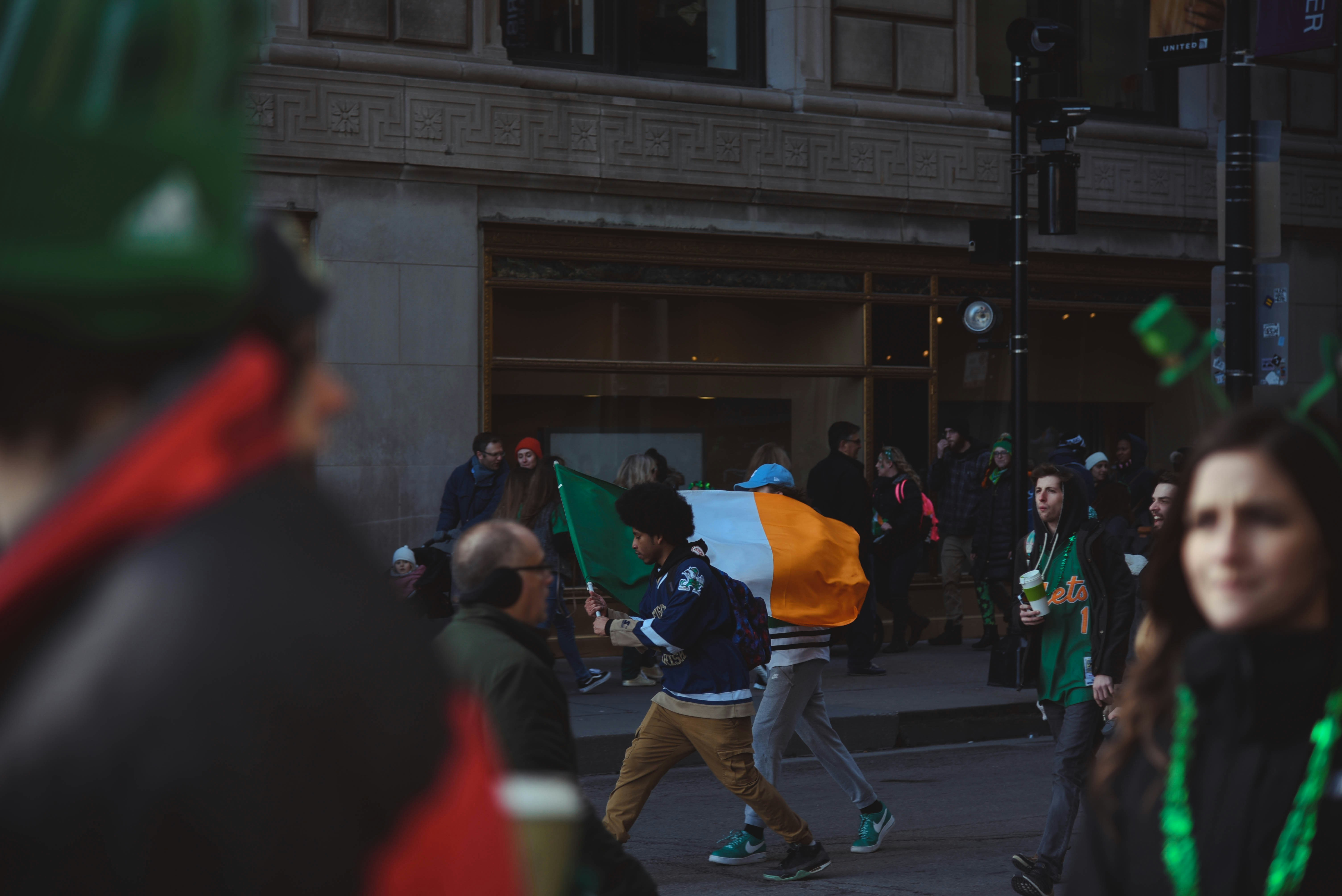
    Tourism Ireland undertook the extensive Global Greening initiative as part of the St. Patrick’s Day celebrations, which saw some 180 landmark buildings and sites, including the Great Wall of China, and the Christ the Redeemer statue in Rio de Janeiro, Brazil, light up green to mark the day.

  • Feeling the Pulse of the Nation: Part 3

    Feeling the Pulse of the Nation: Part 3

    This final article in the series on the Pulse of the Nation by Sinead Farrelly  will examine the effect that political events, both foreign and domestic, have had on Irish people’s feelings towards the economic situation.

    Despite everything, it was interesting to see that generally people always felt happier, than they did stressed, over the entire period, except for at the end of 2010 when the International Monetary Fund (IMF) came into Ireland.

    Unlike the overall Economic Recovery Index (ERI), which was not hugely affected by political events, the impact on people’s emotions was much clearer. When the statistics were examined, it appeared as though when there was a time period of political instability with resignations or elections, then people appeared to be more stressed as there was an uncertainty as to who was leading the country in a time of economic strain.

    first-graph-sinead-farrelly
    Source: Sinead Farrelly

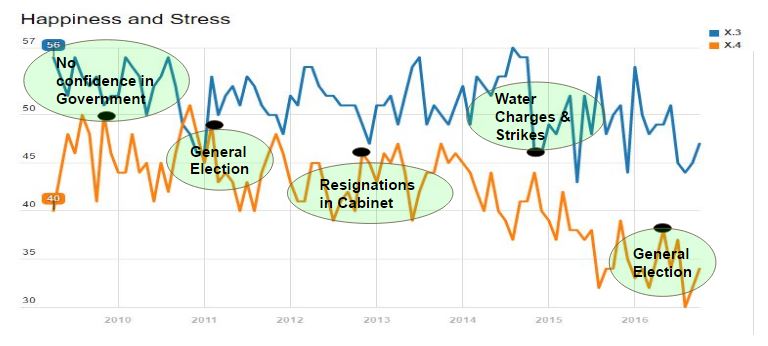
    In this first graph, happiness is indicated by the blue line, and stress is indicated by the yellow line. The major spikes in stress and dips in happiness came at times when the government was unsettled.

    The year of 2010 saw a flurry of resignations from ministers across the board as there was a general unease in the government at the time. While at the same time, votes of no confidence were put in against then Taoiseach Brian Cowen and also leader of Fine Gael Enda Kenny. Both motions lost and they each retained their positions. In 2012, there was also a vote of no confidence against Minister for Health James Reilly and this led to the resignation of Minister for Primary Care Roisin Shortall.

    The year 2011 began with the Green party withdrawing from government and automatically paving the way for a general election. Taoiseach Brian Cowen also resigned from his position at this time.

    In 2014, there were no major changes to the government or to the cabinet but people still were unhappy with the government as water charges were formally introduced at €60 per one adult household and €160 thereafter. Some 350,000 second level students were also forced out of school as teachers took industrial action over changes to the Junior Certificate.

    Each of these times saw the Irish people becoming more stressed and less happy, according to the Amárach research.

    This year’s general election saw Ireland without a government for a three month period as the Dáil voted four times to elect a Taoiseach. The Amárach results show that during those times that Ireland had an unstable government, the Irish people once more felt more stressed and less happy.

    As well as domestic political affairs, the Amárach research also questioned people on their feelings towards foreign political events. From October 2010 until December 2013, every month they posed the question: “The News From Other Countries Makes Me Confident The Recession Will End Soon.”

    second-graph-sinead-farrelly
    Source: Sinead Farrelly

    An interesting result which can be seen in the graph is that Irish people felt most confident about the recession ending soon when other countries required a bailout from Europe.

    The three major peaks in confidence in this graph appear in the summer of 2010, May 2011 and May 2012 when Greece, Portugal, Spain and Italy each received their bailouts. Famously (with Ireland included) these countries who received bailouts became collectively known as the PIIGS.

    The major dips in the graph came in November 2010, when the IMF came into Ireland and the country was at its worst point, and in July 2011 and June 2012. The two latter dips both correlate to events seen in Greece, firstly when they voted in a fresh round of austerity measures and received a second bailout, and secondly when the pro-austerity party won a landslide victory in the country’s elections.

    Both these events saw austerity measures becoming a mainstay in the Greek political landscape and both of these might have caused an upset in the Irish confidence as it proved that austerity measures were going to stay.

    The Amárach Research polls stopped asking a specific question about foreign affairs at the end of 2013. However, they did bring the topic back up again in June of this year in the wake of Brexit.

    On June 24th, the day after the Brexit referendum, there was a special Amárach poll carried out on the topic. It found that 37% of Irish people were going to become more cautious about their spending and saving following the shock result in the UK.

    This poll aligned with the July 2016 standard monthly results which showed 6% less people feeling financially comfortable and 5% less people feeling optimistic, while enjoyment and happiness both dropped by 3% and 6% respectively, with stress and anxiety both rising by 3%.

  • Suicide Rates hit 14 Year Low, According to Figures

    Suicide Rates hit 14 Year Low, According to Figures

    By Kieva McLaughlin

    In 2001, 13.5 out of every 100,000 people in Ireland died by suicide, a rate of death that has never been exceeded since. The lowest rate of suicide over the last fourteen years was in 2015, with 9.7 out of every 100,000 people taking their own life.

    The numbers of suicides have generally been steadily decreasing since 2001. However, this stopped between 2008 and 2012, and the rate of suicide fluctuated between 11.1 and 12.4 per 100,0000 people during the recession. The numbers then returned to the 2007 rate of 10.6 in 2013 and have continued to decrease since then.

    The increase in suicides between 2008 and 2012 can at least partly be attributed to the recession. Increased unemployment combined with depression and substance abuse was found to be some of the main factors in people taking their life during this time, according to a report by the Suicide Research Foundation.

    During the recession, many people lost their jobs and had no means to support their families and in a lot of cases lost their homes. Psychotherapist Olivia Fox talks about how challenging being unemployed can be for people.

    She said: “It can lead to depression and a feeling of worthlessness. In general, we could see an increase of hopelessness as people who had worked hard to get a job and a roof over their head saw their life work wiped out overnight.

    “Even in this modern world of gender equality, men often psychologically feel the burden of being the ‘provider’ and when they can no longer do so, the resulting depression, pressure and hopelessness can have devastating consequences on the mental health of some.”

    The suicide rates during the recession were not in fact higher than some of the early Celtic Tiger years but rather returned to higher figures after a decreasing trend in the previous few years.

    number-of-suicides
    (Source: Kieva McLaughin)

    Gender

    In 2015, nearly five times as many males died by suicide (375) in Ireland as females (76) and again it’s important to point out that last year’s figures are provisional. We do however, have one of the highest rates of male suicide in the world with nearly eight males taking their lives every week.

    Only 25% of males who take their own lives have a history of self-harm in comparison to 50% of females. Under 40% of males are diagnosed with a psychiatric disorder before taking their life while 70% of females are. More women contemplate and attempt suicide than men so where does the big gap come from?

    Olivia Fox attributes it to the fact women are less likely to follow through when they think about the consequences.

    “Men are more likely to act impulsively there and then without giving consideration to the outcome. Also the method people use to take their own life causes a disparity in the sexes. Women tend to overdose whereas men tend to use more violent methods, such as hanging or shooting which are more likely to result in death.”

    Another reason she explains is that, “Men are less likely to talk about their feelings or express emotion. This can result in them isolating themselves from any personal or social supports and in them drinking more. Alcohol involvement in death by suicide seems to be higher in men than women.”

    number-of-gender-suicides
    (Source: Kieva McLaughlin)

    Area

    The area with the most suicides in 2015 was Carlow, with 21.2 suicides per 100,000 people, more than the double the national average.

    The figures show a large disparity from cities and their surrounding rural areas. Waterford City reported no suicides in 2015 but the rate more than doubled in the county area from 8.8 in 2014. Galway City had a small increase from 11.1 per 100,00 in 2014 to 12.7 in 2015, but the surrounding county area’s figure rose more dramatically from 10.2 to 17.4.