
Tag: Supreme court

  • What will our Court of Appeal do?

    What will our Court of Appeal do?

    On October 4th we as a nation passed the 33rd Amendment of the Constitution in the Court of Appeal referendum.

    The yes vote consented to the establishment of a new fifth layer to Ireland’s judicial system, a new Court of Appeal which will operate as Ireland’s second highest level of judiciary in between the already existing High and Supreme Courts.

    However, a lack of informed discussion on the courts referendum, largely due to the greater importance apportioned to the Seanad referendum by the media, means that a lot of people are now wondering what effect it will actually have on our courts system.

    Function

    The Court of Appeal will hear appeals from the High Court, thereby lessening the burden of the Supreme Court which currently has a four-year backlog of appeals to be heard [that includes over 500 appeals awaiting resolution].

    The new court will be able to refer cases to the Supreme Court, which will only preside over disputes that “involve a matter of general public importance”, according to Minister for Justice Alan Shatter.

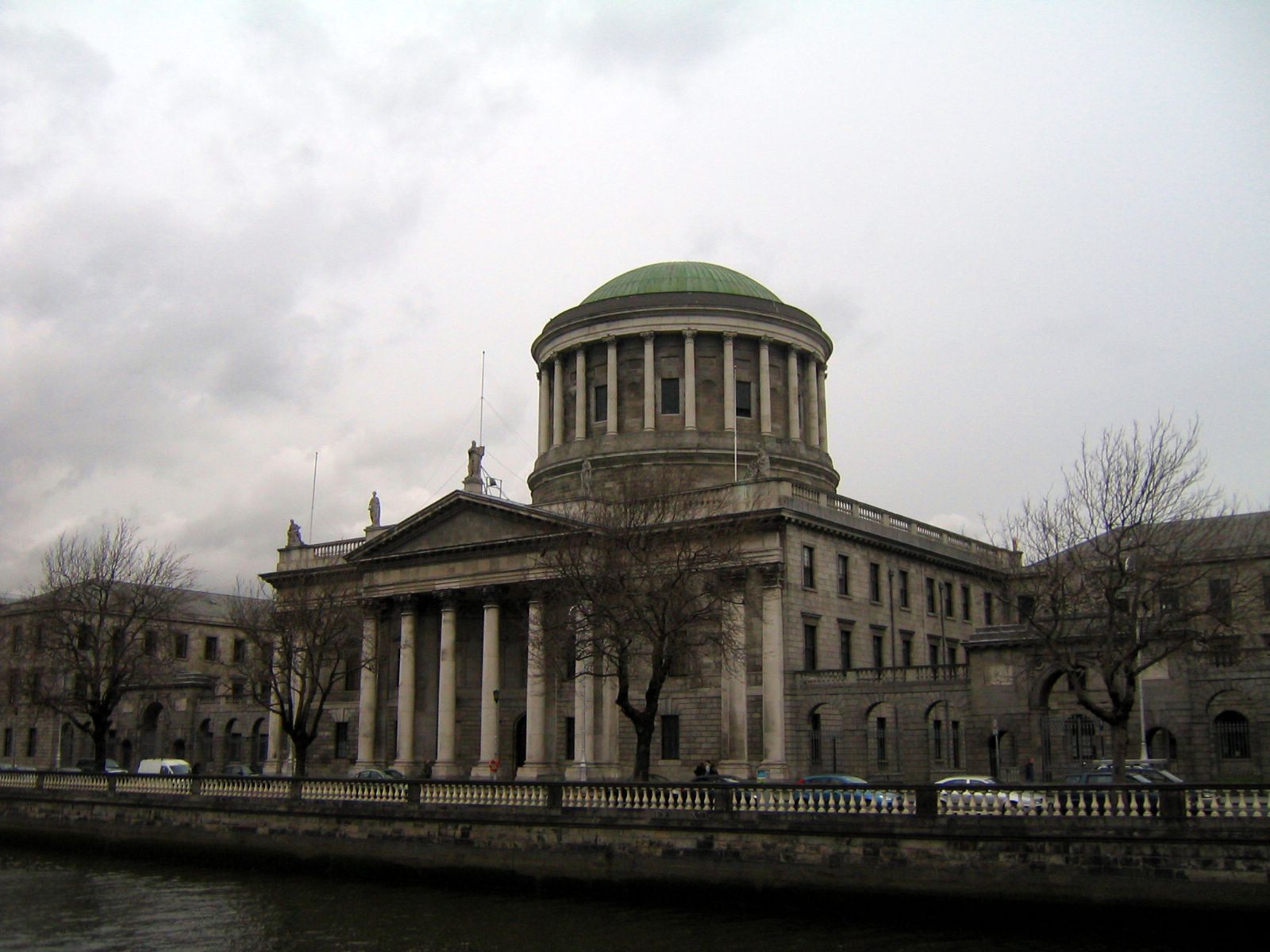
    The Four Courts in Dublin, where the country's High and Supreme Courts reside. Credit Richard Watts on Flickr
    The Four Courts in Dublin, where the country’s High and Supreme Courts reside. Credit: Richard Watts on Flickr

    The Court of Appeal will also lead to the scrapping of the Court of Criminal Appeal, which formerly comprised of a mix of High and Supreme Court judges, and was frequently derided for its inactivity.

    How much will it cost, when will it start and how many new judges will there be?

    According to the Government, the Court of Appeal will cost between €2.5-€3m per year to operate with the main expenses accruing from judges fees, support staff and overhead costs.

    All going well it should be up and running by Autumn 2014, and will necessitate the appointment of around 10 new judges (dependent on how many will be needed to get through the Supreme Court’s backlog at the time of establishment).

    How comprehensively was it passed?

    As opposed to the Seanad referendum which was defeated, all 43 electoral constituencies voted in favour of the formation of the Court of Appeal, and the yes vote accounted for 65% of turnout.

    Former solicitor and current Justice Minister Alan Shatter has endured a tempestuous relationship with lawmakers since coming to office. Credit European External Action Service on Flickr
    Former solicitor and current Justice Minister Alan Shatter has endured a tempestuous relationship with lawmakers since coming to office. Credit: European External Action Service on Flickr

    Again, much criticism was aimed at political parties and the media for prioritising one referendum over another and glossing over many of the substantive issues, however the general political consensus on the yes side effectively put paid to any meaningful public discourse on the issue.

    Any criticisms?

    The main point of contention around the new court’s function is the amount of judges Ireland will have in the upper echelons of the judicial system.

    Added to the 36 High and 10 Supreme Court judges, the 10 new appointees to the Court of Appeal will mean that we’ll have around 56 judges. That’s a third of the amount of judges that England has for 1/15th the size of population, and some sceptics have labelled this excessive.

    As such, those opposed to the constitutional change have lobbied to increase the workload of judges currently in operation, and have suggested reducing their nine-week holiday period in order to work through the massive backlog more effectively.

    (Featured image credit Richard Watts on Flickr)


  • Should Ireland reintroduce capital punishment?

    The last execution in Ireland took place in 1954, however the death penalty was only removed from statue in 1990. Image by: Jody Trappe
    The last execution in Ireland took place in 1954, however the death penalty was only removed from statue in 1990. Image by: Jody Trappe

    If you believe that there is true value in the concept of life, then you surely agree that Ireland is better off without capital punishment.

    Yes, there are vile criminal cases that occur that make the public question whether the assailant deserves the right to life – but no one should ever be granted the right to take a life.

    Ghandhi said, ‘an eye for an eye makes the whole world blind’, and there is an eternal truth in this.

    The idea of taking somebodies life as a form of legal revenge against someone who has committed a murder, rape or any other vile act has a major flaw, not to mention the moral and human right dilemma it also holds.

    If capital punishment – or the ‘eye for an eye’ method of justice – was reintroduced as a form of exacting justice for a punishment that fits the crime, this would result in a purely mathematical injustice.

    A life for a life in some people’s mind may be an archaic form of justice but what about a person who has committed multiple murders, or vile acts. Then it becomes a life for multiple lives. And hence the person who has committed the same crime multiple times will receive the same punishment as that of someone who has committed the crime on just one occasion. Is that justice?

    This will also lead to the idea that one person’s life is worth the same value of that of many stolen lives. Is that justice?

    In 2010 the then Mayor of Limerick, Kevin Kiely, asked the government for a referendum on the reintroduction of the death penalty in Ireland as a way to curb the increasing numbers of murders.

    In July of this year, Jim Callaly, father of murdered Rachel O’Reilly, called for the death penalty to be reintroduced to act as a deterrent to those who plan to commit murder.

    Contrary to these opinions, a report conducted by Amnesty International in 2012 states that the according to FBI data “the 14 states without capital punishment have homicide rates below the national average”.

    The death penalty has been called for to introduce a form of justice to the judicial system. According to the same 2012 report that, “140 people have been released from death rows…due to evidence of their wrongful conviction”.

    To quote Maimonides; “It is better a thousand guilty persons go free than to put a single innocent one to death.”

    My deepest sympathies go out to any person whose live has been altered by a serious crime. The best way to combat this in the future is to reform the Irish judicial system and create a fully functional system that strictly impinges on the lives of those who commit serious offensives.

    A DNA database, proper jail sentences, a more efficient and better equipped police force would all be steps towards improving the safety of those in this country and insuring a better sense of justice is being served.

    We should not allow our moral compass to become skewed.