Tag: taxi

  • “I’ll take the bus,”- increased taxi fares for Ireland 

    “I’ll take the bus,”- increased taxi fares for Ireland 

    By Amy Murphy

    The National Transport Authority (NTA) has approved a nine per cent increase in the National Maximum Taxi fare. This increase is due to take effect from the 1st of December.  

    This adjustment is to ensure that taxi fares reflect the rise in inflation and costs of operating a taxi service in Ireland.  

    “I’ll just take the bus, I have a 24-hour bus that I can get home after being out, but for people who don’t, it’s just going to break their banks,” said Niamh Linnane, a 22-year-old student.   

    “The cost of a taxi in Ireland is extortionate if you aren’t sharing with people,” said Linnane.  

    We will also see a change to the ‘Special Rate’, which a rate charged only for journeys taken between Christmas Eve, Stephen’s Day, New Year’s Eve and New Year’s Day during unsocial hours.  

    The Special Rate will now cover the weekend peak hours from midnight to 4:00 AM on Friday night into Saturday morning and Saturday night into Sunday morning, year-round. The fare will be higher rate, and this change aims to encourage more drivers to support the nighttime economy.  

    There also will be an increase in pre-booking fees. During weekend peak times it will rise from €2 to €3.

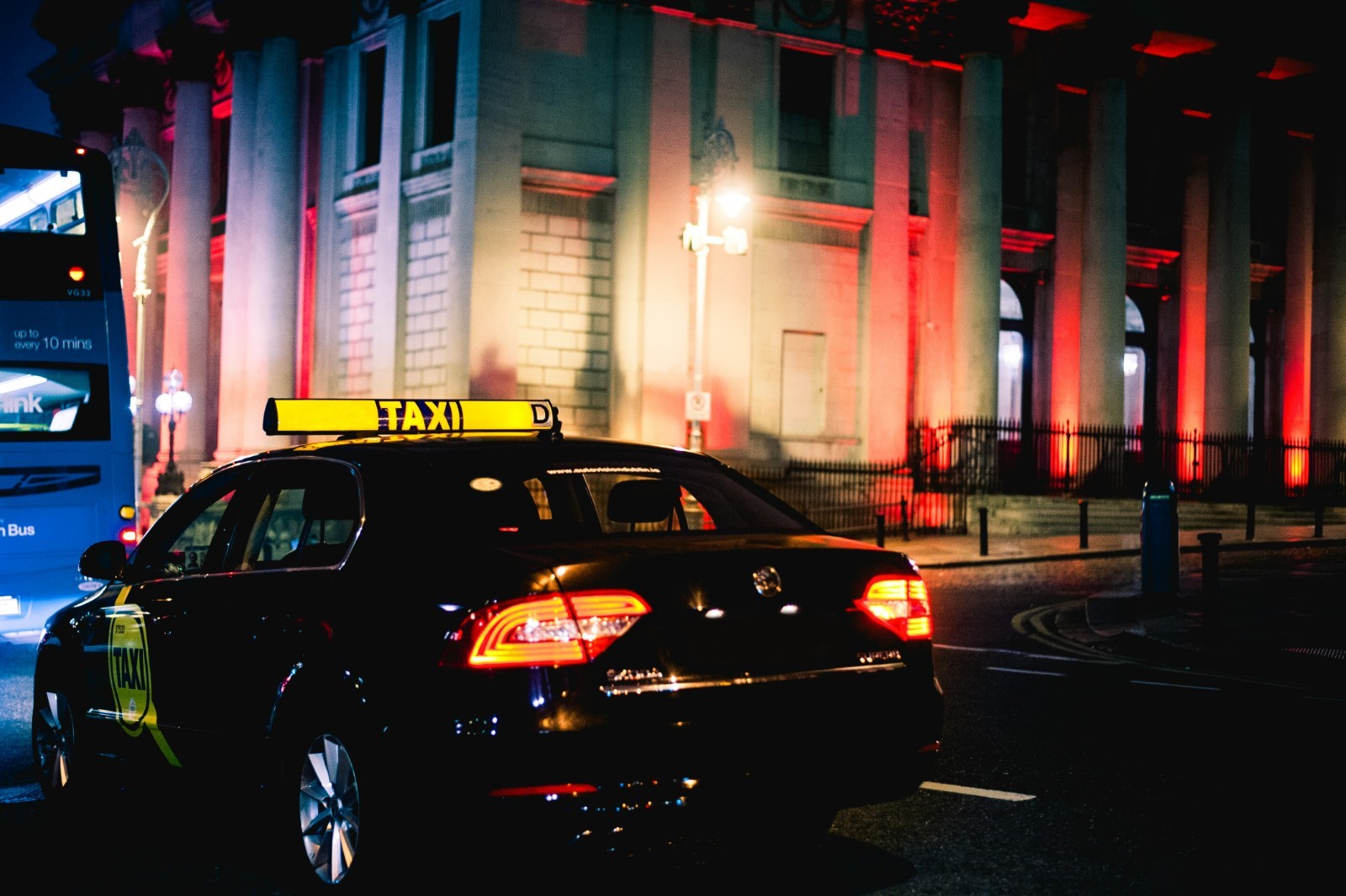
    Photo by Naseem Buras / Unsplash

    “With the cost of petrol, diesel and all that goes into owning a car, never mind a taxi, I am happy to see this fare increase,” said Paul Murphy, a taxi driver of nearly 20 years.  

    “I know it sounds bad to customers but with the cost-of-living crisis it’s just something that needs to happen,” said Paul Murphy. 

    This National Maximum Taxi Fare Review takes place every two years to ensure the fares match the costs of maintaining a good quality taxi service and the cost of living within Ireland.  

    The 2024 Review, published in July, revealed that taxi operating costs increased by approximately 9-11% between 2022 and 2024. Following public consultations regarding these rising costs for taxi drivers, the Taxi Regulation (Maximum Fares) Order 2024 implemented an average fare increase of nine per cent, adjusted across different time bands and distances. 

    ‘Numbeo’ has ranked countries in order of the highest fare of a taxi per kilometer. Switzerland was ranked 1st with the average fare per kilometer being €4.15. According to ‘My Swiss Company’ the average salary in Switzerland is relatively high, reflecting the country’s strong economy, with figures around CHF 78,000 per year as of 2024, which is equivalent to around €83,000.  

    Ireland placed 13th out of 97 countries with an average of €2 per kilometer. 

    Taxi fares should reflect the country’s cost of living. Given Ireland’s cost of living crisis and high inflation, this has led to the increase on the taxi fares.  

    However, with the inflation rate falling to 1.7% in the month of August, figures from the Central Statistics Office (CSO) have shown. This is the first time the inflation rate has lowered since June 2021.  

    Despite this, The Budget 2025 informed us that the rate will increase from €56 to €63.50 for petrol and diesel. This means an extra €1.20 per full tank for motorists. Potentially meaning this increase taxi fare will not be changed. 

    “This increase will be in place for the next two years, if inflation continues to decline, then it will be considered and there may be a decrease in taxi fares, but it must match the cost of living at that time,” said The NTA press office.  

    Photo: Amy Murphy

  • Taxi complaints on the rise in Ireland

    Taxi complaints on the rise in Ireland

    Figures released by the National Transport Authority have revealed that the number of complaints lodged against taxi services in Ireland is rising. Nathan Davies explores the statistics behind the rising complaints.


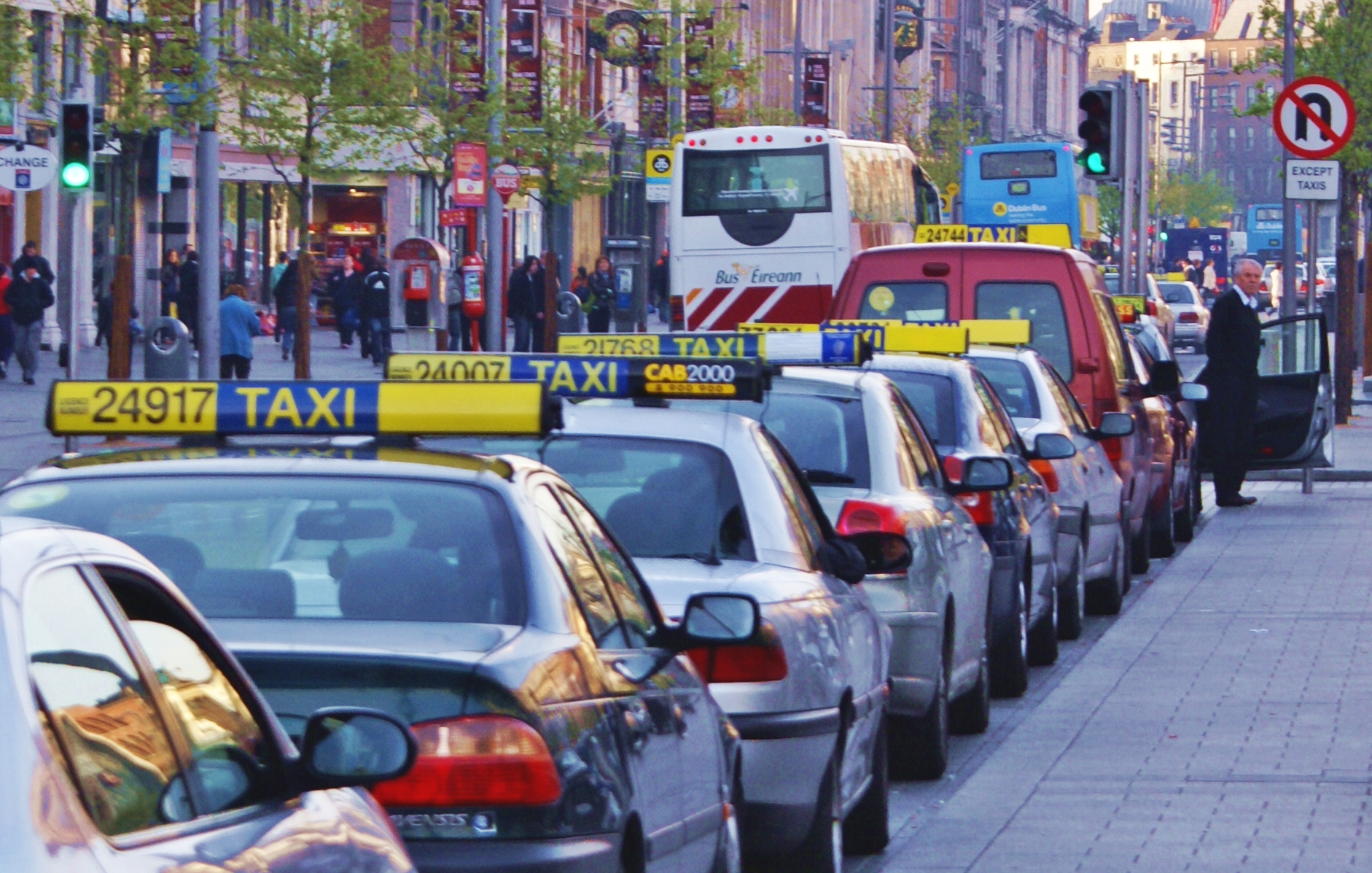
    Photo taken by Jaqian, sourced from Wikimedia Commons

    The figures cover complaints lodged against all Small Public Service Vehicle (SPSV) licensed drivers. This includes all taxi, hackney, limousine, and dispatch operator services in the country.

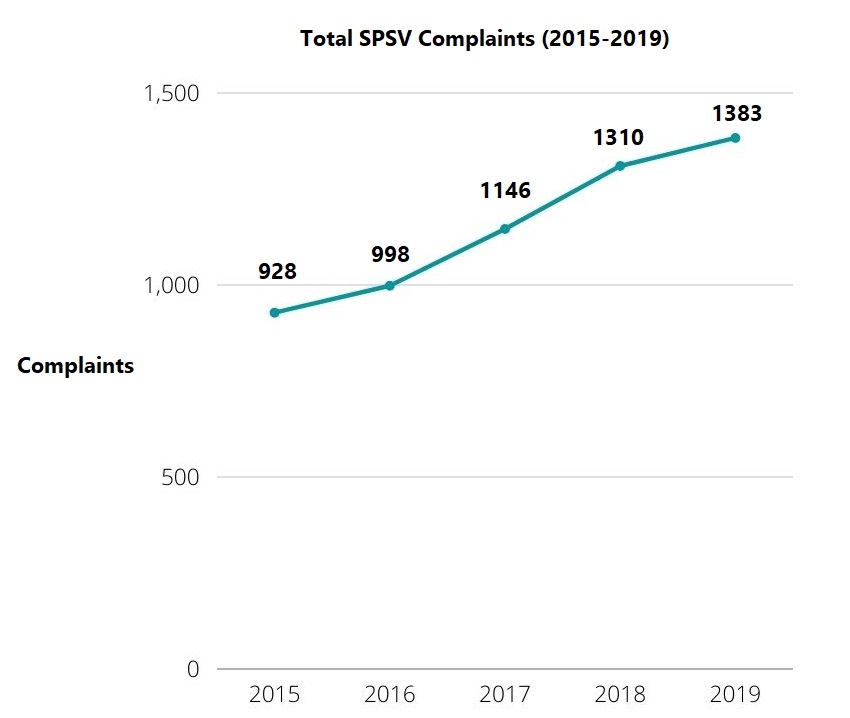
    The statistics from the National Transport Authority (NTA) show that 1,383 complaints were filed with the NTA in the year of 2019. This number is larger than the previous year which stood at 1,310.

    In fact, every year on record that has been published by the NTA has seen a higher number of complaints than the year before it.

    Complaints in the year of 2015 stood at just 928, meaning that there has been a 50% rise in official complaints in the past five years.

    Figures from 2020 have not been finalised yet, however early numbers suggest that the trend is continuing, with complaints filed in January and February of 2020 being higher than the respective months in 2019.

    The figures released by the NTA come as part of the “complaints procedure” introduced with the Taxi Regulation Act 2013. The legislation requires that the NTA receives and lodges any SPSV-related complaints under the following categories:

    a)      Condition, roadworthiness, and cleanliness,

    b)     Conduct, behaviour, and identification of a driver,

    c)      Overcharging or other matters related to fares charged by the driver,

    d)     Matters relating to hiring and booking,

    e)     Identification and the general appearance of the vehicle.

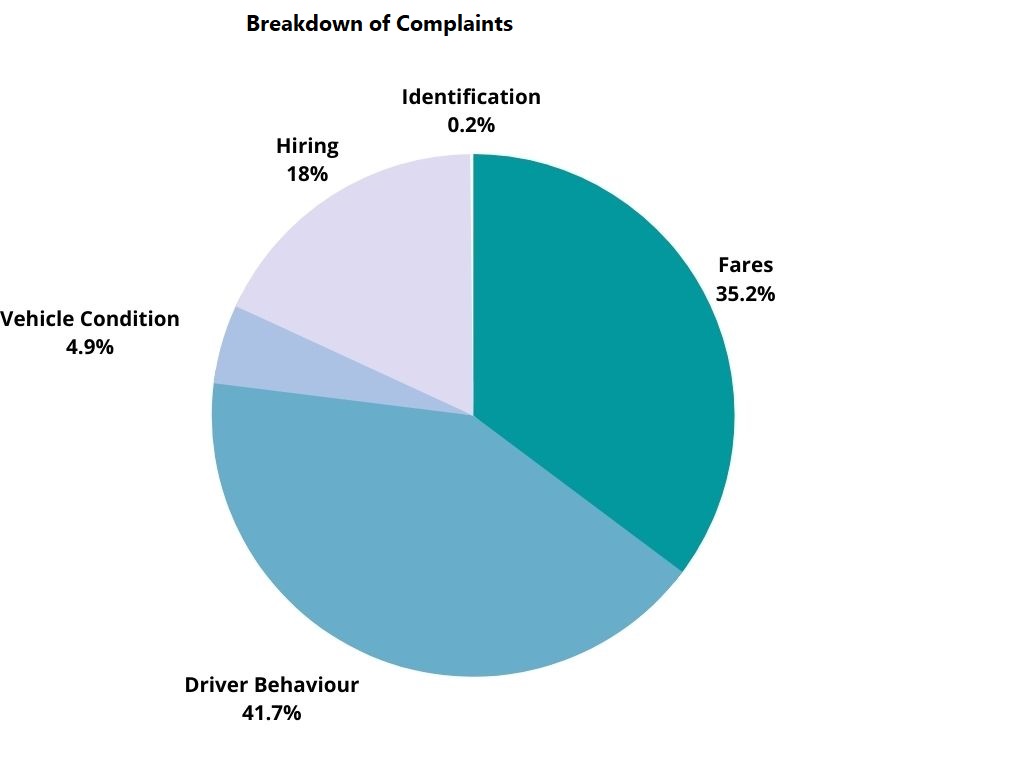
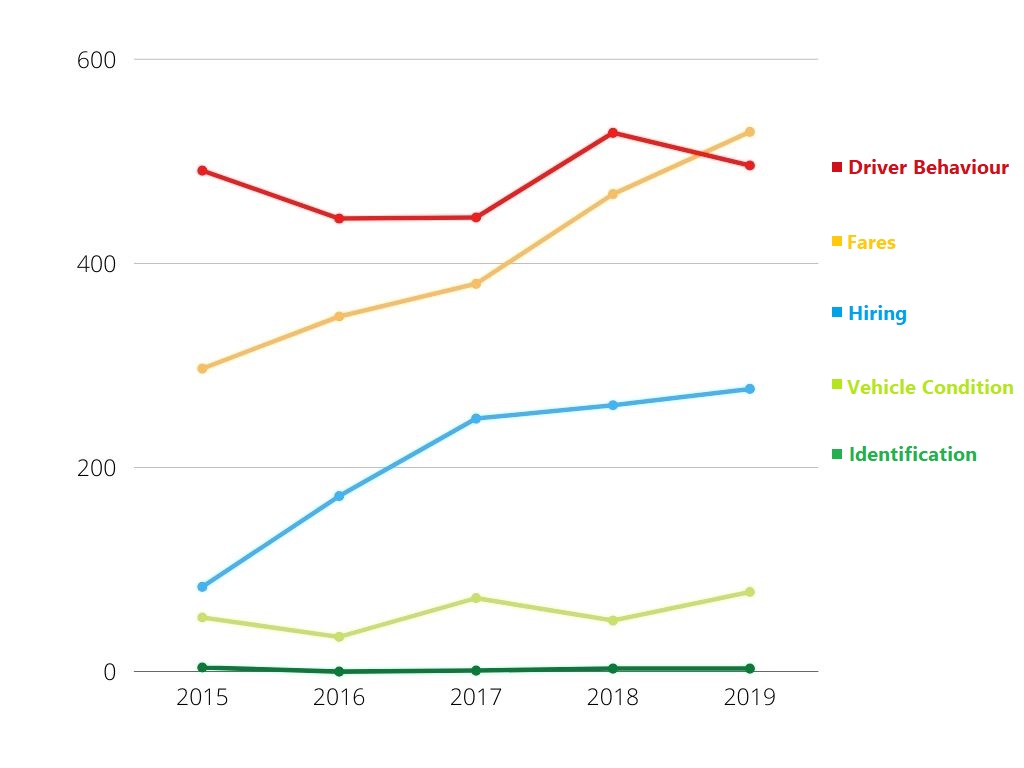
    The total number of complaints are divided into these five categories and reveal that fare matters and driver behaviour are the most common reason a complaint is made. Here is a breakdown of the specific complaints over the past five years:

    More than three quarters of all complaints lodged relate to issues with either fares or driver behaviour. While driver behaviour has been the most reported issue, the number of complaints have remained stable over the five year period. In contrast, the number of fare and hiring complaints have risen dramatically, with hiring complaints more than tripling in five years.

    When questioned by TheCity.ie on the statistics, NTA representative Dermot O’Gara suggested that the rise in numbers was due to an improved complaint-lodging system introduced in 2014:

     “Improved contact forms have made it easier for consumers to submit compliments or complaints about taxi services nationwide” he said.

    “This, together with enhanced consumer education, have had a positive impact leading to an increase in both the compliments and complaints received.”

    While it is true that easier access to complaint forms would increase numbers, this does not explain the continued rise over several years. This also fails to explain why some complaints are increasing faster than others. With no figures on SPSV compliments being released it is also impossible to compare the two to see any correlation.