
Tag: traditional

  • Far from home, Poojan Mahajan builds Sui Dhaghaa

    Far from home, Poojan Mahajan builds Sui Dhaghaa

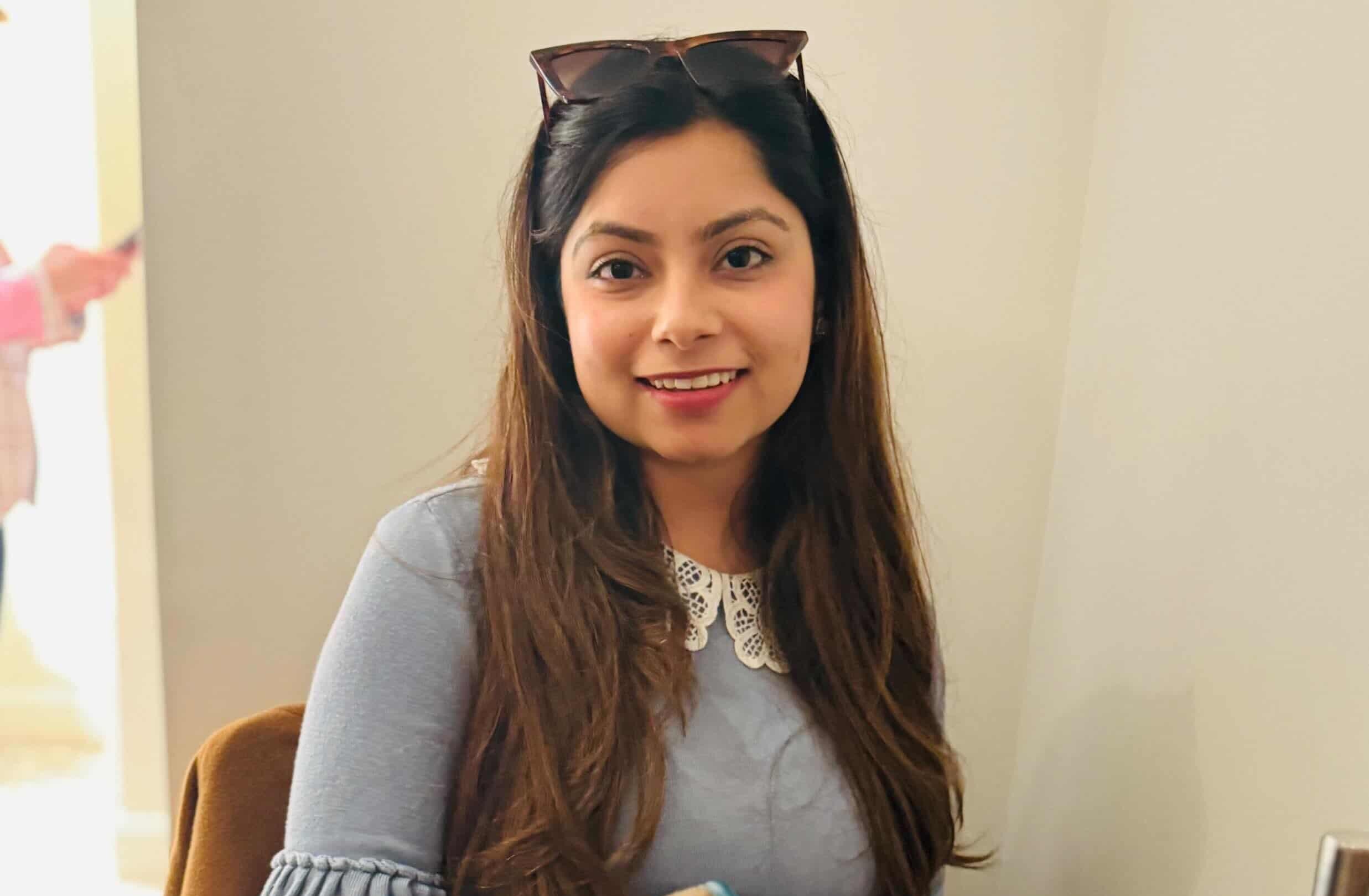
    The clothing brand Sui Dhaghaa is the story of Poojan Mahajan’s journey of creativity and resilience. When Mahajan moved from India to Ireland for her studies, she never imagined she would build a clothing brand that blends South Asian traditions with a new country.

    Poojan Mahajan in a Sui Dhaghaa outfit. Photo Credit: Poojan Mahajan

    “I was having an Indian Masala Tea and thought I needed to do something to feel more confident, not lost in life. I wanted a pathway to success,” she said


    With ambitions in her suitcase and uncertainty in her heart, she arrived in the unfamiliar streets of Ireland in 2018 and navigated emotional challenges. “I did not have a plan to start a business here. I finished my master’s in international business at the University of Limerick, landed a new job, and once you have a job, it feels like you have a stable career, but I was not happy. I was doing marketing in a construction company,” she said.


    Thousands of miles from home, Poojan Mahajan was often shadowed by the sense of not belonging. “I was in a foreign land, but still missed home. I missed the feeling of belongingness,” Mahajan said, “I realised I need to build something for myself; I am the one who will be recognised. This is how I thought of starting the Sui Dhaghaa.”


    Mahajan’s Sui Dhaghaa- meaning needle and thread – symbolises connection and simple tools that stitch pieces of fabric together. “I want to connect it back to my origin. And if you tell someone in English that it means needle and thread, they will connect as well. To me, needle and thread stress the meaning of boutique,” she said.


    For Poojan Mahajan, it has become a way of bridging cultures in Ireland, keeping traditional roots alive. “I noticed the local community wanted to find out about Indian wear. People could not travel back to India that often, so that’s where I see a huge demand, but there was no supply,” she said. “I do stitch here; get dresses altered, but get my raw materials from India because you cannot get that clothing in Ireland.”


    Mahajan believes that not every passion is taught; some are passed through inheritance. “It is not always what you studied; sometimes it is what you inherited from your parents. In India, my mother and my father run a clothing business. I have seen my parents since childhood working on it, so I know how to do it. I know the basics; I need to upskill and learn how to do business.”


    Turning the idea into reality comes with a set of emotions, doubts, and determination. “I first started to build Sui Dhaghaa in 2023, but at the beginning, I feared judgment and how the public would respond. That was the first question,” Mahajan said, “and the second was how I would even start. I did not have a team. I had to do everything on my own. I have experience in International Business, and I know tricks and ways that I could facilitate building a brand.”


    Despite her doubts, Mahajan’s idea began to take shape in Lucan, Dublin. “In a foreign land, it was challenging to start; how to comply, how to really start. I just took a leap of faith and opened an Instagram page. I come from marketing; I know that social media would help reach a mass audience and could save huge amounts on advertising.”


    The challenge, she says, was straightforward. Building something from scratch comes with some hurdles. “Operating a business in a foreign land is very different,” she said, “I face the challenges in the supply chain, with logistics proving the complicated part. If you ship something from India, it takes much longer. The expected time could be 10 to 15 days; realistically, it could take a month.”


    For Mahajan, some challenges are unavoidable and are a part of the process. “In this situation, there is not much you can control; you must give it time.”


    With hard work and dedication, Mahajan began to earn customers’ trust. “I now have more than 500 clients, and we are currently delivering all over Ireland. It’s not only the Indian diaspora. But now Indian and Irish weddings are becoming more popular. The people were delighted that they didn’t have to travel to the UK to buy dresses for such events now.”


    “I remember the milestone in this journey when I prepared dresses for 11 bridesmaids, and it was a life-changing experience and gave me confidence to do a job for someone,” she said


    Through Sui Dhaghaa, Mahajan created a space for women to bring their own vision of clothing to life. “I realised it was a means for women to customise dresses as they like. It gives women the freedom to bring their own fashion ideas to life,” she said.

    Photo Credit: Poojan Mahajan

    Mahajan’s little wins and passion aim to expand her business. “I am trying to make efforts to extend it to larger audiences. I am also trying to get on Amazon.”


    Looking back on her journey of Sui Dhaga, she carries a simple message, “Until you don’t try, you don’t realise your potential. Initially, it does not have to be perfect. At least put yourself out there, be vulnerable, and have a zeal to learn. It is only about taking a leap of faith in yourself because if you don’t, no one else will.”
  • What’s lost in Dublin’s move to a more globalised youth culture

    What’s lost in Dublin’s move to a more globalised youth culture

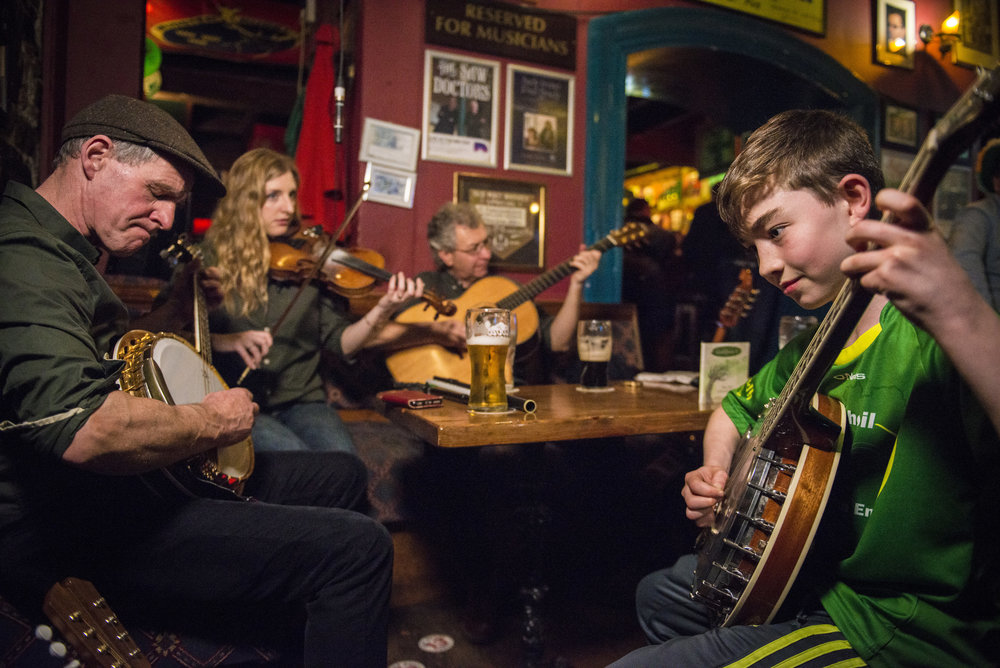
    Dublin’s contemporary nightlife has seen an invasion of techno, hip-hop, and clubbing, filling the vacuum where traditional music and drinking culture used to be.

    That being said, I am not against new music in Ireland in any sense. New music is part of a healthy culture. What I am doing is posing the question of what has been lost? There is no doubt about what is to be gained: class beats and blackouts. But to look to the future without consulting the past is foolish.

    Not so long ago I witnessed the Fleadh in Drogheda, the biggest music festival in Ireland by quite a margin. The Fleadh last year drew 500,000 people … 450,000 more than Electric Picnic.

    Half a million people spending seven days listening to traditional Irish music, playing traditional Irish music, and generally enjoying themselves, and none of my peers in Dublin even know what the Fleadh is.

    From my experience, no one my age knows what the Fleadh is let alone about wider traditional Irish culture. I include myself in this as I did not know what the Fleadh was before attending the last one in Drogheda.

    A group of young musicians that sing traditional Irish ballads called the Mary Wallopers had this to say: “Now being this age singing traditional ballads we may be pretty much alone. We only really know of a few other groups singing those old Irish ballads, like The Deadlians and a few others. Even at that they’re older than us.

    “There is a big community of young people in the trad scene, from what we have seen. Now we wouldn’t be so involved in the trad scene as we are in the folk scene, which to be honest probably makes most people think of people singing softly about real sensitive stuff. Our folk music is music builders can listen to. It’s more for working class people whereas folk music has been transformed into a load of songs that don’t tackle everyday stuff like working in shite jobs, or being unemployed,” they added.

    In other parts of the country, traditional music and drinking culture is much more common.  The Mary Wallopers said: “If you go to the west of Ireland and start singing ballads in a pub nearly everyone has one song they can sing. In the east we don’t see that as much, unless you’re with people over the age of at least 30. Pub culture may be dying out among people our age, most pubs you can find are just blaring 80s and 90s music all over and you’ve to shout to have a conversation so you just end up standing in the smoking area roaring at each other and getting pissed.”

    I have found this type of thing common on nights out. Getting drunk can be the main order of business and any sort of culture is the context in which you do it in. Maybe the primary mission hasn’t changed but the context has.

    In a move towards a more globalised world, this makes sense. Less local culture and national culture in exchange for a more global culture. But what is to be gained by taking part in the global culture and what is to be lost by disengaging from our own culture?

    Dublin’s young people are increasingly liberal with often socialist political opinions. Part of this movement is changing Irish society and rethinking our past. The last couple of referendums are an example of this.

    However, acknowledging our past and moving away from former societal views does not mean leaving behind our music and culture too, which often times has been the voice of progress.  

    The Mary Wallopers said it best: “In response to a new more modern Ireland these ballads have more of a place than a lot of other things. The people singing these songs in the 50s and onwards were usually anarchists, communists, or socialists, overall being very left wing.

    “These are anti war songs, and anti-government songs, even today being painfully relevant. In Toales bar in Dundalk where we hold our Wednesday session every week, they had an anti-amendment gig about the 8th amendment on the 21st of April in 1983 with a host of these acts playing. 

    “There’s an execution ballad written in the 1780s called The Night Before Larry Was Stretched which has bits that criticises the church. The only way forward is to write more ballads from more viewpoints. Mick Dunne is making up ever relevant songs about topics from Star Wars to Donald Trump.”

  • Top toys in Dublin this Christmas

    Top toys in Dublin this Christmas

    By: Sarah Reilly, Patrick Gormley and Andy Nally

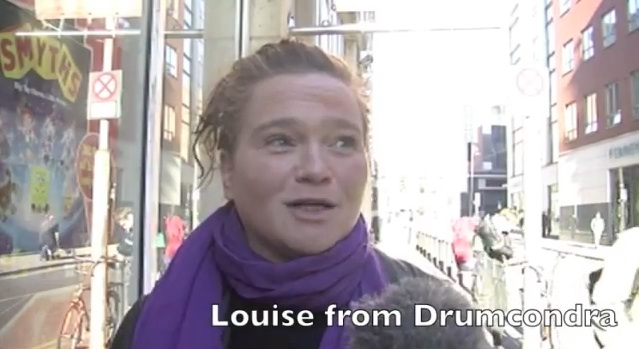
    With the most magical night of the year just a few weeks away, thecity.ie hit the streets of Dublin to chat to locals about what Santa will be delivering to their homes this Christmas.

    Children as young as eight are asking Santa for expensive hi-tech toys, such as I-Pads, I-Phones and I-Pods.

    Other hi-tech requests to Santa include the third installment of the ever evolving DS – the 3DS.

    Lego continues to trend Christmas wishlists, alongside the tried and trusted board games.

    For younger children, traditional toys such as dolls and prams remain popular for the girls, while Transformers and Scalextric are topping the boys lists.