By Sean Cuttle

On 4 June 2020, David Fitzpatrick, condemned all forms of “structural racism and discrimination in the strongest terms” in an email sent to students and staff.
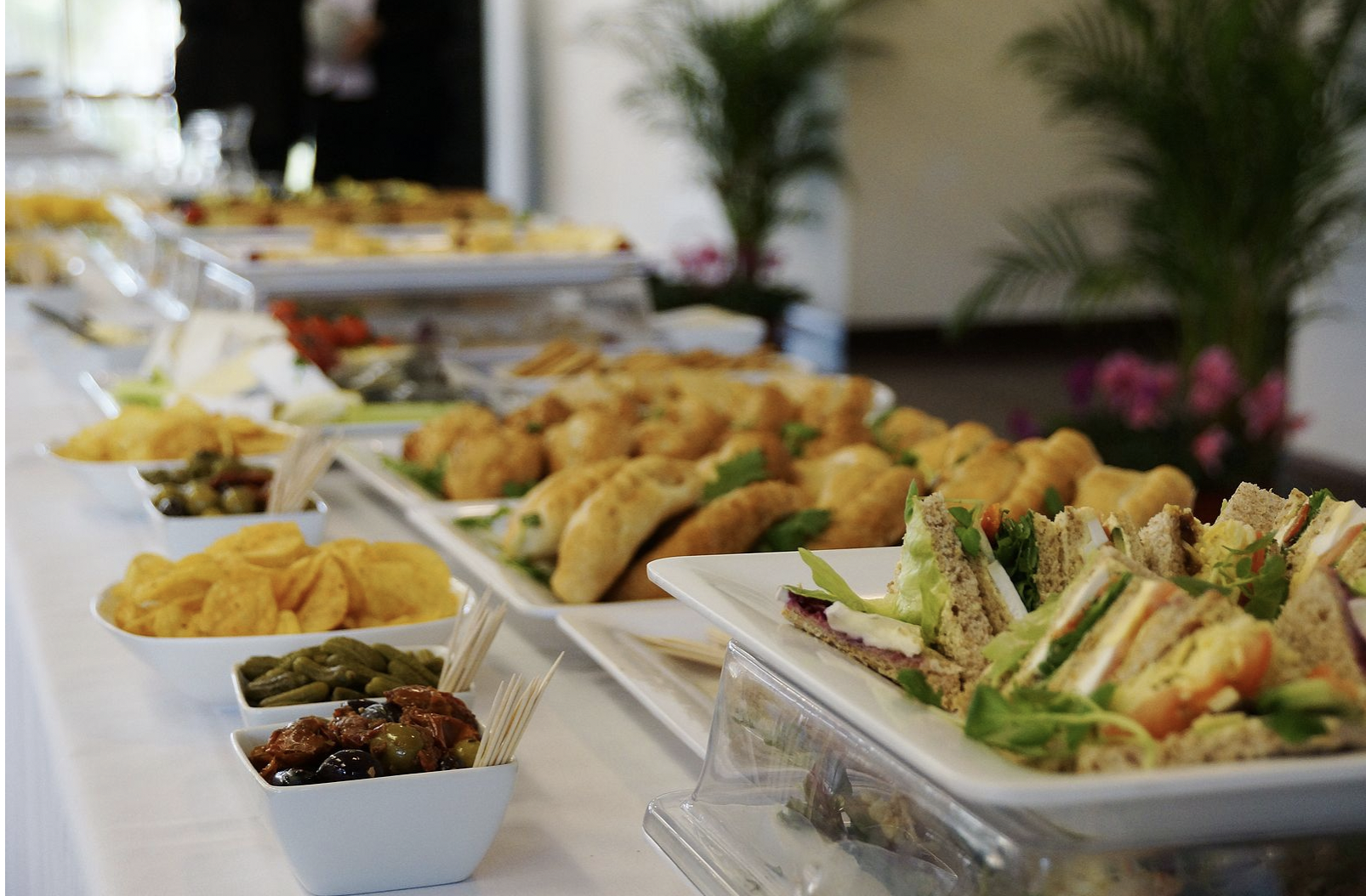
Aramark Ireland holds the catering contracts for TU Dublin, and operates a number of popular food services operations, including Avoca cafe. As well as serving your iced latte in the morning, or your cottage pie at lunch, they also operate three direct provision centres in Ireland: Kinsale Road in Co. Cork, Lissywollen in Co Westmeath, and Knockalisheen in Co. Clare.
TU Dublin has paid Aramark €2.2 million since 2015 for catering and food services across its City, Blanchardstown, and Tallaght campuses. In 2018, Aramark were paid over €56,000 for providing catering at graduation ceremonies alone and a further €280,000 for catering at internal events.
Aramark Ireland owns nearly 50% of the market share of the food services industry in Ireland, with a number of subsidiaries operating under different names. The company is the Irish arm of the international Aramark behemoth — a global catering, cleaning, facilities, energy, property management and retail firm — which provides catering services for a large portion of the American prison system.
The Immigrant Council of Ireland described direct provision as one of the few remaining cases of structural racism and many campaign groups have called it the “Magdalene Laundries” of the 21st century.
Direct provision centres across the country have come under fire for their poor living conditions and lack of investment in improving their facilities, despite the substantial payouts by the state. A report commissioned by the Irish Immigrant Support Center (NASC) back in 2011, found the food served in a number of direct provision services was bland and lacking in nutrition. It also found that portion sizes were far too small.
Aramark’s direct provision centre in Knockalisheen also received media coverage when a story emerged that a mother had been denied a slice of bread and some milk to feed her sick child because the staff had been instructed by management not to serve food outside the designated meal times.
Regular inspections are conducted by the Reception and Integration Agency (RIA), the agency responsible for direct provision in Ireland, with the most recent reports from 2018 until 2020 currently online.
Most recently, the biggest issues noted by inspectors were around fire safety with cooking equipment and covered smoke detectors found covered in several bedrooms. Aramark said it has addressed the issues raised.
Aramark, which trade as Campbell Catering LTD, received €6 million in 2018, and €6.5 million in 2019 from the Department of Justice for the operation of direct provision. Aramark Ireland reported €352 million in turnover in 2018.
The tender records for TU Dublin’s catering contracts, also released under freedom of information, contain some of the criteria that Aramark needed to meet to be eligible for the contract. A turnover of €2.5m each year for the past three years and the completion of between two and five successful contracts of a similar size and scale were both required. Despite the document’s suggestion that smaller companies are encouraged to “explore the possibilities of forming relationships with other SMEs or with larger enterprises”, this criteria makes it very difficult for smaller catering companies to be awarded contracts.
Aramark was chosen following the tender process because it was considered the “most economically advantageous” contractor that applied. There is no mention of Aramark’s other business interests as a consideration in the tender process.
TU Dublin did not answer direct questions about their relationship with Aramark, and issued a statement that the university considers tender submissions “in conformance with the requirements of Public Procurement Policy and is not in a position to exclude bidders on the basis of their contracts with other third parties either in the public or private sector.”
The National Public Procurement Policy, is a framework laying out the policy that governs the tender process for contracts offered by public bodies or private companies with more than 50% public funding. This legislation is a combination of national and EU law.
The PPP currently only allows for exclusion of potential tenders if there is evidence of Corruption, organised crime, human trafficking, terrorism, fraud or money laundering. It does not allow for the exclusion of a contractor on any other grounds.
Aramark Ireland declined could not be reached for comment.
CORRECTIONS:
Knockalisheen is in County Clare, not Limerick, and Lissywollen is in County Westmeath, not Meath, as previously stated.
A previous version of the article cited inspection reports from 2013 to 2017 on the Knockalisheen facility. The currently available reports are from 2018 to 2020 and do not cite major issues around cleanliness.
Aramark Ireland owns nearly 50 per cent of the market share in the Irish food services sector, not 50 percent of the businesses in it.

You must be logged in to post a comment.