Tag: vaccine

  • Podcast: Covid-19 abroad – how Germany dealt with the pandemic

    Podcast: Covid-19 abroad – how Germany dealt with the pandemic

    Listen to Johannes Thom speak to James Molloy about how Germany handled the pandemic

    Germany had its first reported cases of Covid-19 in January of 2020 near Munich, and has been in and out of regional lockdowns ever since. The country is currently in its third wave of the virus.

    Varying levels of restrictions have been imposed on a region-to-region basis depending on the severity of the virus. Currently, Chancellor Angela Merkel is calling for unified Covid-19 restrictions nationwide, which would see an “emergency brake” in order to try and control the spread of the virus.

    Since we recorded this interview, 7.3% of Germany’s population of 83 million have been fully vaccinated with just under 26 million doses given in total. This is due to the accelerated rollout of vaccines. From next month, it is hoped that GPs will be able to administer their preferred vaccine, with the federal government providing family doctors with the choice of vaccines from BioNTech/Pfizer and AstraZeneca.

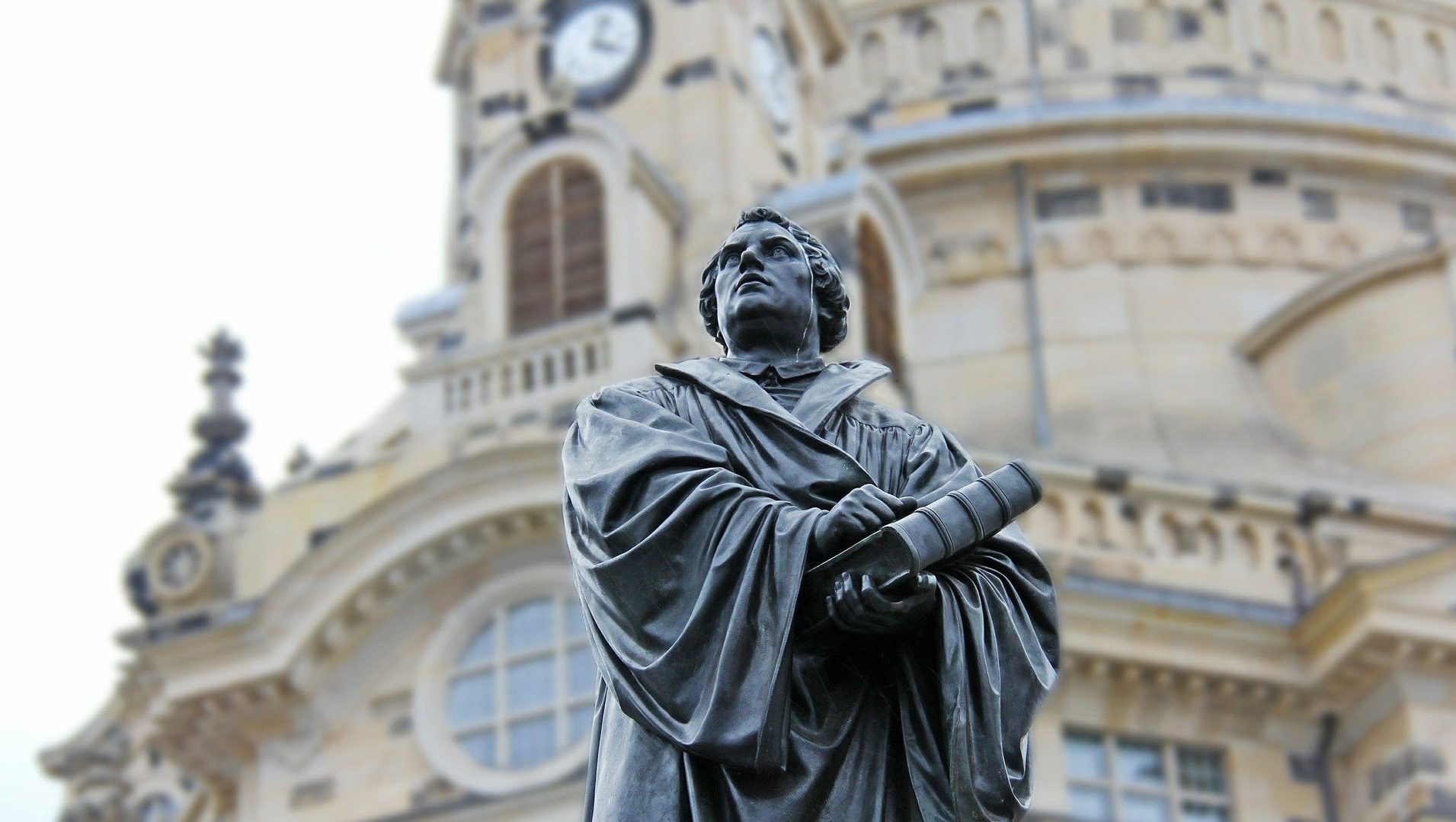
    Martin Luther’s statue at Dresden via Pixabay

    Europe has seen a rise in anti-lockdown protests from Paris to London and even closer to home, as Dublin saw violent protests in late February. Germany too has seen this rise in protests over Covid restrictions with regular demonstrations taking place across the country.

    The most recent protests planned for Dresden in Saxony were banned by the Saxony Higher Administrative Court.

    The banning of these protests is significant especially in the state of Saxony where the highest mortality numbers in Germany have been recorded. One of the main reasons for this is that the region has an ageing population and a large number of retirement homes that have been devastated throughout the pandemic.

    A snap of Dresden taken by James Molloy

    Another factor is its proximity to the Czech border, with many crossing it for work. The Czech Republic has been one of the worst hit countries worldwide. Saxony has been fighting an uphill battle from the start.

  • Covid-19 abroad: Canada’s response to the coronavirus pandemic

    Covid-19 abroad: Canada’s response to the coronavirus pandemic

    Watch Katy Brennan and Nicole Kidd discuss how Covid-19 has been handled in Vancouver, British Columbia

    As Canada begin to ease its restrictions , Katy Brennan speaks to Nicole Kidd, who gives an account of the country’s dealings with the Covid-19 pandemic over the past year

    The first community transmitted case of coronavirus in Canada occurred on 5 March 2020. Cases grew rapidly, and by mid-March, all provinces had declared a state of emergency.

    In response to the growing number of cases, Canada severely restricted its borders, banning all non-essential travellers and forcing any exceptions to self-isolate for 14 days.

    Each province implemented varying degrees of restrictions and has continued to do so as case numbers rise and fall.

    Some provinces, such as Ontario and Quebec, introduced heavy restrictions like school closures, shutting down non essential retail, and curfews. Other areas, like British Columbia, have taken a lighter approach.

    Nicole Kidd left Ireland for Vancouver, British Columbia, three years ago.

    We feel really spoiled over here because we have never not been able to go eat food, or go out for lunch, and our bars are open

    Nicole Kidd

    She explains that social gatherings are banned and most people work from home, but stores, cafes and bars have remained open throughout – offering people some sense of normality.

    People are expected to socialise exclusively with people from their own household, but exceptions are made for those who live alone, who are permitted to have a ‘bubble’ of two other people.

    A shot overlooking Vancouver. Photo by Adi Kavazovic on Pexels

    Kidd is grateful to have maintained a decent social life – something she thinks is important for mental health and hard for those back home in Ireland. 

    “We feel really spoiled over here because we have never not been able to go eat food, or go out for lunch, and our bars are open,” she says.

    Kidd is a qualified yoga teacher and while she is eager to get the vaccine and return to normal life, she is happy the pandemic has allowed her to devote more time to her yoga.

    Canada’s vaccine rollout began on 14 December, and since then the country has vaccinated 1.1 million people. The rollout consists of three stages, working its way down from most vulnerable to least vulnerable.