
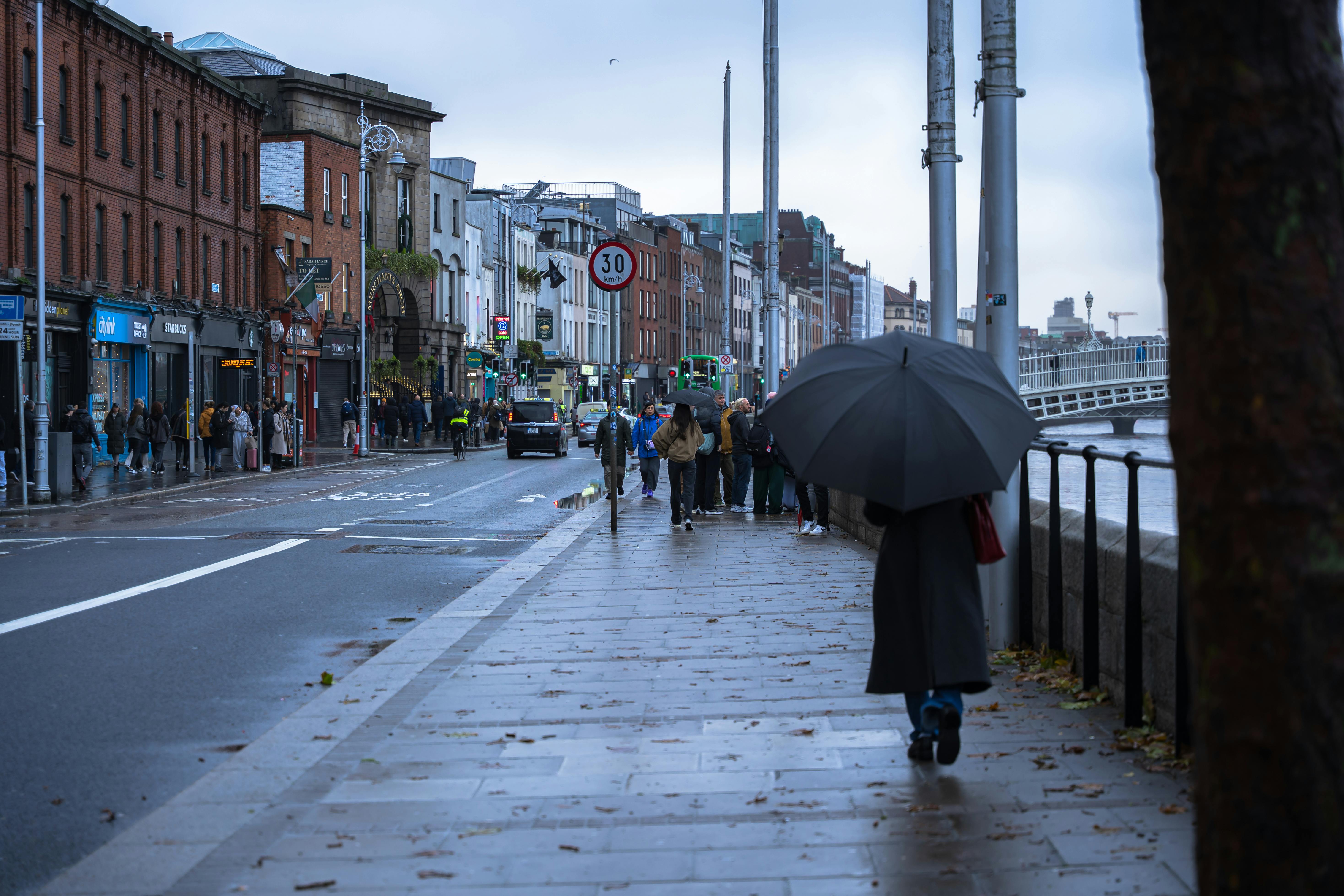
Rising rents and living costs in Dublin are limiting young people’s ability to save, travel, or plan for their future.
/
By Peace Okolo
In recent years, Dublin city has witnessed a sustained increase in rent, property prices, and everyday living costs.
Recent housing data show that the average rent in Dublin is now significantly higher than before the COVID‑19 pandemic, with the standard rents for new tenancies standing at about €2,186 per month in 2025.
According to rental market reports, before the pandemic, rents in many parts of Dublin were around €1,000 per month, much lower than they are today.
As a result, many young people find themselves spending more just to maintain a basic standard of living.
Dublin, often described as a ‘city of opportunity’, is a place where young people come to study, work, and lay the foundations for their future due to its role as a global economic powerhouse.
But as the cost of living continues to rise, many young people living in Dublin are beginning to question if that future is still within reach.

For many, housing is their biggest concern.
Anita, 25, who works in communications, said the cost of renting in Dublin sometimes creates a false sense of financial stability.
“You feel like you’re making money in Dublin,” she said “but really, you’re just making it for your landlord. At the start of the month, you think you’re fine, then rent is due, and you remember you actually don’t have anything left.”
Research shows that rent takes up a significant portion of many young workers’ incomes, thereby leaving little to no room for savings or long-term financial stability.
Martha, 28, works as a marketing assistant and lives in a shared single room in Phibsborough, where she pays €850 a month.
“I’m earning what you’d expect for a graduate job, but rent takes a big chunk of my salary, so saving doesn’t feel realistic,” she said. “I don’t live lavishly, I just pay rent, bills, and transport but by the end of the month, there’s only a little left.”
Increased rents have become one of the defining features of life in Dublin. Even though there are modest increases in minimum wages, it doesn’t keep up with rising housing costs.
Dennis, 27, who works in the hospitality sector, says the idea of long-term stability grows increasingly distant. “I’m spending close to half my income on rent,” he said
“People always say to move further out, but then you’re paying more for transport and wasting time. It feels like no matter what you do, you’re stuck.”
The pressure seems to start early for students and recent graduates. Emily, 21, a final-year student at Griffith College, says she already feels anxious about what comes next.
“Everyone talks about getting a job after college, but no one really talks about how hard it will be to afford to live here on an entry-level salary,” she says.
The financial strain has also forced some young people to put personal goals on hold while remaining in the city.
Naomi, 26, has lived and worked in Dublin for the past two years and says rising costs have reshaped how she plans for her future.
“I really want to travel and see the world,” she said, “but right now, all my money goes on rent and basic expenses. By the time I’ve paid bills and sent money home, there’s nothing left to put aside for travel.”
She further explained that beyond day‑to‑day costs, additional travel barriers make her dream of traveling feel even further out of reach.
“People don’t always think about things like visa requirements and passport privileges,” Naomi said. “Application fees, proof of savings, and all the extra costs add up when you’re already just trying to survive in Dublin; it’s hard to meet those requirements.”
The impact of these rising living costs extends beyond how much one spends a day and is now shaping how young people plan their future.
But despite these challenges, many young people still express a strong attachment to the city.
Dublin’s vibrant cultural life, creative industries, and sense of community continue to draw people in, even as living costs continue to rise.
“I don’t want to leave,” said Khalid, 23, a freelance videographer. “This city is where my work, my community, and friends are. But it’s hard to think of anything long-term when you’re constantly worrying about money.”
The experiences shared by these young people living in Dublin reflect the reality facing the vibrant city.
Government policies such as increasing housing supply and supporting first-time buyers provide relief.
But for most young people living in Dublin, the rising cost of living continues to shape their daily life, limit financial freedom, and make building a secure future an ongoing struggle.
You must be logged in to post a comment.