
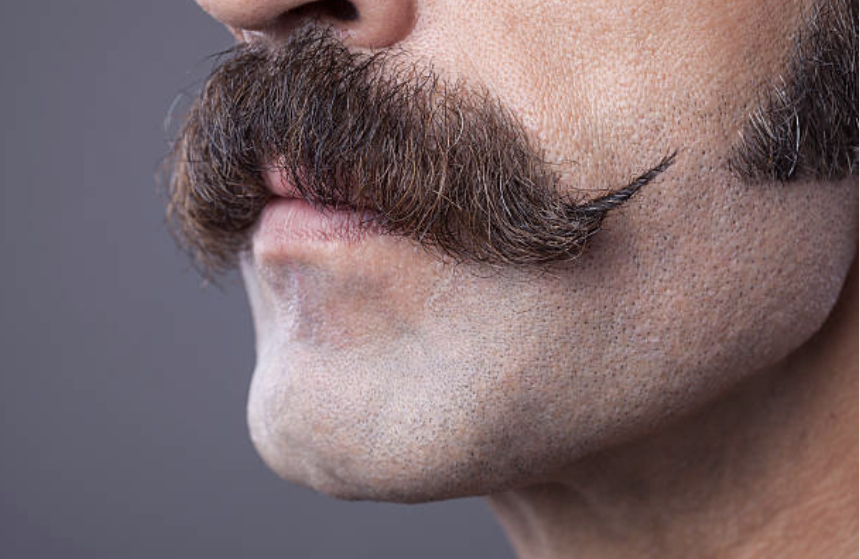
As Movember approaches, Ireland Country Director Sarah Ouellette explains why the campaign is about far more than facial hair, and how a simple conversation could make all the difference.
For Sarah Ouellette, one of the most troubling realities of men’s mental health is not necessarily what men say, but what they keep to themselves.
“What has stood out to me is how many men carry things alone, often for far too long, because they don’t want to be a burden or don’t know how to start the conversation,” she said.
As Movember’s Ireland Country Director, Ouellette is helping lead a movement determined to change that silence. With November approaching, moustaches will soon be appearing across college campuses, workplaces and communities throughout Ireland. But behind the familiar facial hair lies a far more serious mission.
For Ouellette, it is about encouraging men to speak, seek support and ultimately live longer, healthier lives.
“Movember began in Australia in 2003, when a group of friends decided to grow moustaches to raise awareness of men’s health. What started as a small initiative has since developed into a global charity addressing three major issues: mental health and suicide prevention, prostate cancer and testicular cancer.”
“Our goal is simple: men are dying too young, often from things that could be prevented or caught earlier, and we want to change that,” Ouellette explained.
While the campaign’s distinctive moustaches remain its most recognisable feature, the issues behind them are particularly relevant to younger generations.
Testicular cancer is the most common cancer among men aged 15 to 39, while questions surrounding masculinity, identity and mental wellbeing are increasingly prominent in the lives of young men.
Ouellette points to Movember research which found that just over 60% of people in Ireland believe young men struggle to find purpose in society.
“Young men are growing up in a digital world with a lot of noise about what it means to be a man,” she said.
It is a concern that extends beyond traditional conversations about mental health. For students navigating university life, relationships, employment and growing responsibilities, the pressure to appear confident and in control can sometimes make admitting vulnerability difficult.
Ouellette believes understanding these pressures is essential if meaningful progress is to be made.
Movember is investing in research to better understand the experiences of young men, with the aim of providing positive messages and support that reflect the realities of their lives.
However, awareness alone is not enough. For Ouellette, the real measure of Movember’s success is what happens when November ends.
“The moustache is what people see in November, but the money raised funds work that goes on all year,” she said.
One example is Movember Ahead of the Game, a mental health programme delivered in partnership with the Gaelic Athletic Association (GAA) and Gaelic Players Association (GPA).
The initiative brings conversations about mental health directly into sporting communities, teaching young players, parents and coaches how to recognise when someone may be struggling and where to find appropriate support.
According to Ouellette, the programme has already reached more than 17,500 people across over 400 GAA clubs nationwide.
For a country where local sporting clubs often sit at the heart of communities, the programme offers an opportunity to address mental health in an environment where young people already feel a sense of belonging.
And the wider campaign’s reported impact is encouraging.
Movember figures supplied by Ouellette show that 83% of participants felt comfortable discussing their health after taking part, compared with 63% beforehand. Seven in ten also reported being more likely to seek professional help.
Such figures suggest that conversations sparked by the campaign can continue long after the moustaches disappear.
Yet Ouellette is equally conscious that progress does not always require a formal programme or organised event.
“Speaking openly matters because friends are often the first line of support,” she said.
“A mate who notices something’s off and checks in can make all the difference.”
It is a message that carries particular significance for university students, many of whom are surrounded by friends, classmates, teammates and housemates who may be experiencing challenges privately.
With another Movember approaching, Ouellette is encouraging students across Dublin and Ireland to participate in whatever way suits them.
The traditional option is to grow a moustache throughout November, using it to raise funds and start conversations. Alternatively, participants can take on the ‘Move’ challenge, walking or running 60 kilometres during the month to represent the 60 men lost to suicide every hour worldwide.
Students can also organise fundraising events through college societies, sports clubs or classes, while the ‘Mo Your Own Way’ initiative allows individuals to create their own challenges.
But Ouellette emphasises that participation need not involve fundraising.
“Students can also make a big difference without raising a cent,” she explained.
“Check in on your mates, share what you learn about the signs of struggle, and know where your university’s support services are.”
She also believes universities have an important responsibility to create environments where discussing mental health feels normal rather than uncomfortable.
Ultimately, Ouellette’s message is less about one month of campaigning and more about the everyday relationships that can make a lasting difference.
Her experience leading Movember in Ireland has reinforced one particularly important lesson: many men want support but struggle to take the first step towards asking for it.
“But when someone does open up, it’s often a huge relief, and those around them usually want to help,” she said.
As November approaches, Ouellette hopes the moustaches, fundraising challenges and awareness campaigns will encourage something that lasts considerably longer than 30 days.
“If there’s one thing I’d want young men to take away, it’s that talking about what’s going on isn’t a weakness.”
And her final advice is perhaps the simplest message of all.
“Reach out to your mates, and if a friend seems off, ask them twice.”
Students wishing to participate in Movember can register at movember.com, where they can join fundraising challenges, organise events or learn more about supporting men’s health.


You must be logged in to post a comment.