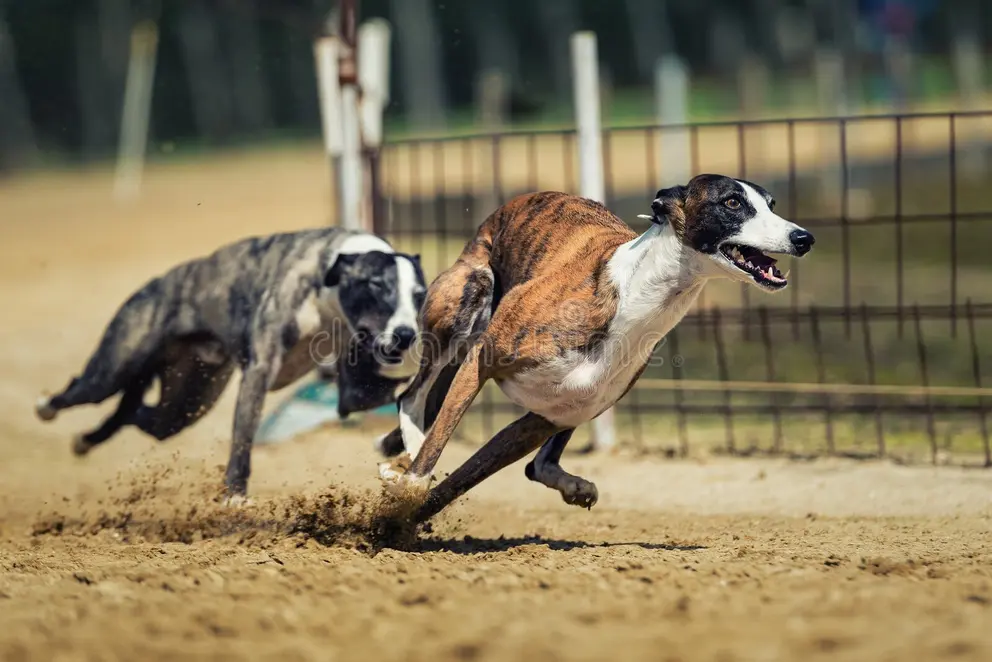
Greyhound racing under scrutiny after their addition into the annual Culture Night.
On the night it invited people to experience the history of Shelbourne Park as stated on their website “Visit the Shelbourne Park Museum and explore the history of a venue that is preparing to mark 100 years of greyhound racing in 2027.”
Immediate backlash followed from the Social Democrats arts and culture spokesperson, Deputy Sinead Gibney.
“We cannot have greyhound racing being promoted as a cultural offering when we know the systemic issues around abuse, injuries, and animal cruelty in the industry, which continues to receive millions in Government subsidies every year – despite dwindling attendances at race meetings around the country and significant public support for it to be banned,” said Gibney in a statement.
Along with the calls for the sport to be banned due to animal cruelty, many others believed that it doesn’t deserve public funding due to the dwindling number of patrons showing up to race meetings each year.
The City reached out to Greyhound Racing Ireland (GRI) for a response. GRI rejected Gibney’s characterisation of the sport.
“GRI believes any discussion about the future of the sport should be informed by evidence and facts. Ireland has one of the most comprehensive regulatory and welfare frameworks for greyhound racing in the world, with significant investment made in welfare, traceability, regulation and veterinary care in recent years.”
GRI cited the 2025 Industry Activity Report, which provides evidence relating to welfare, traceability and regulatory compliance.
GRI stated in the report, Code of Practice for Care and Welfare of Greyhounds: “95.55% compliance rate with the Code of Practice for the Care and Welfare of Greyhounds, a 99.3% pass rate in the greyhound sampling programme, and that 99.63% of greyhounds raced without injury across 14,889 races and 88,126 race entries. These figures demonstrate the high levels of care, oversight and integrity within the industry, supported by significant ongoing investment and reform.”
Greyhound trainer Gary Cole said he can see both sides of the argument. “Greyhound Ireland have some of the best animal traceability in the world, it is miles clear of the likes of the United Kingdom.
“Getting a dog treated for an illness or injury is better and quicker than what me and you could get right now.”
Greyhound Ireland said it is committed to go even further when it comes welfare and traceability, and believes that the sport that has been part of Ireland’s heritage since the 1920s shouldn’t be banned by politicians.
“GRI remains committed to continually improving welfare standards and ensuring the sport operates to the highest possible standards. We believe decisions on the future of greyhound racing in Ireland should be based on evidence, regulation and the interests of those involved in the sector, rather than following trends elsewhere.”
So, what’s next in this debacle?
The Shelbourne Park saga brings to light a serious question that will have to be considered. Can something that was once a hugely prominent sport and event in the Irish people’s calendar be celebrated in the present day, although it has its pushbacks from the public?
Questions still remain, with GRI still not making a public announcement on the situation.


You must be logged in to post a comment.