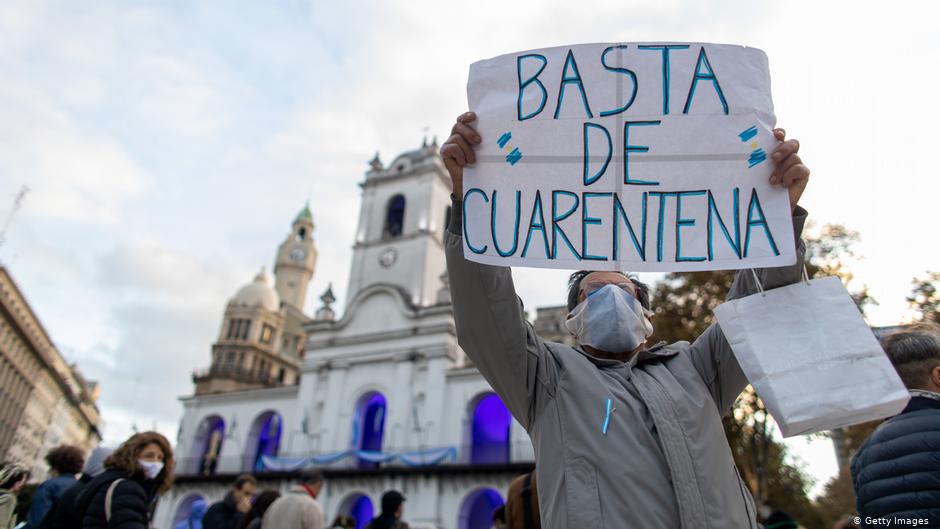
On March 7, Argentina became the first Latin American country to announce a coronavirus-related death, four days after confirming the country’s first case. The president reacted quickly announcing, on March 12, a state of national health emergency. Eight days later, with the backing of all 23 local provincial governments, he imposed a mandatory and nationwide quarantine through the end of that month.
Argentina began what would be one of the world’s longest quarantines. Despite that move, the country is among the world’s top 10 when it comes to confirmed COVID-19 cases. Abderrahmen Ben Chouchane spoke with Juan Pablo Miassi, a civil engineer living in Buenos Aires.
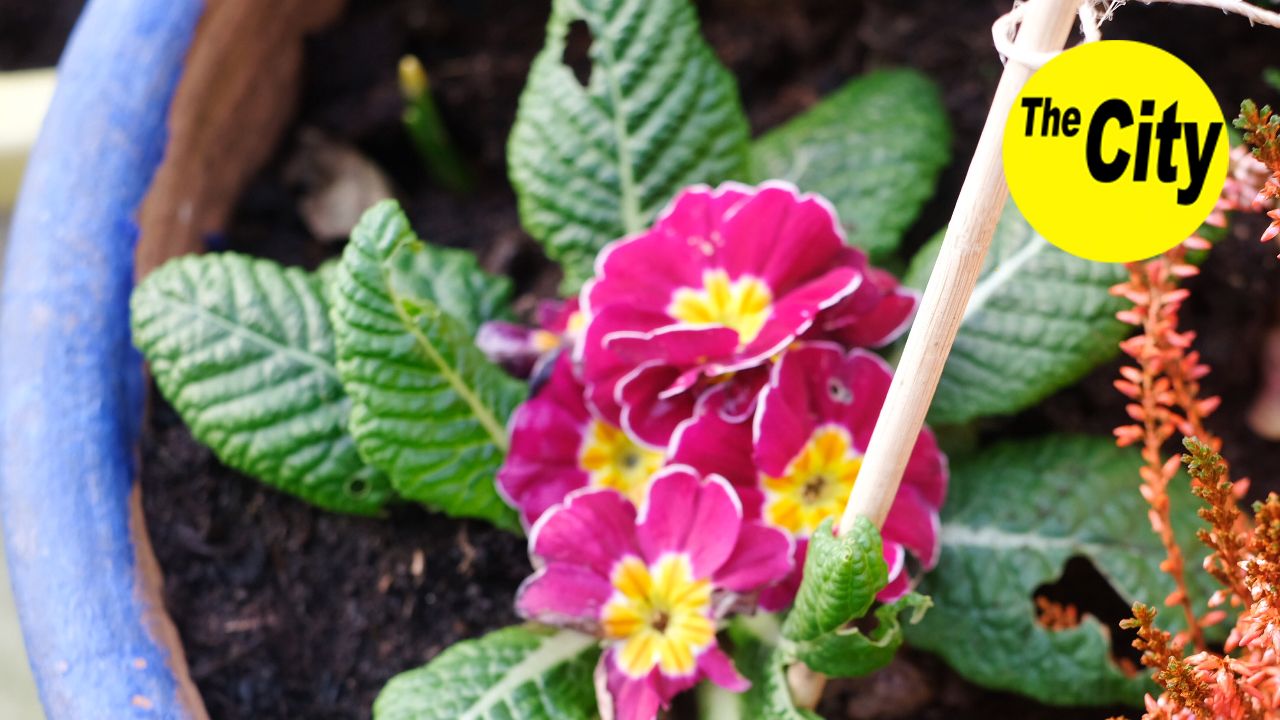
2020 has definitely been a challenging year, but it has brought us many opportunities to learn and to grow- be it growing as people or growing plants. Eibhin Kavanagh talked to Peter Dowdall also known as The Irish Gardener about gardening as an activity in lockdown and the benefits of this for our mental health.
The City’s Ciaron Noble spoke with Enable Ireland representative Donal Kitt about the role technology has played in helping them keep the services up and running for their service users during the pandemic.
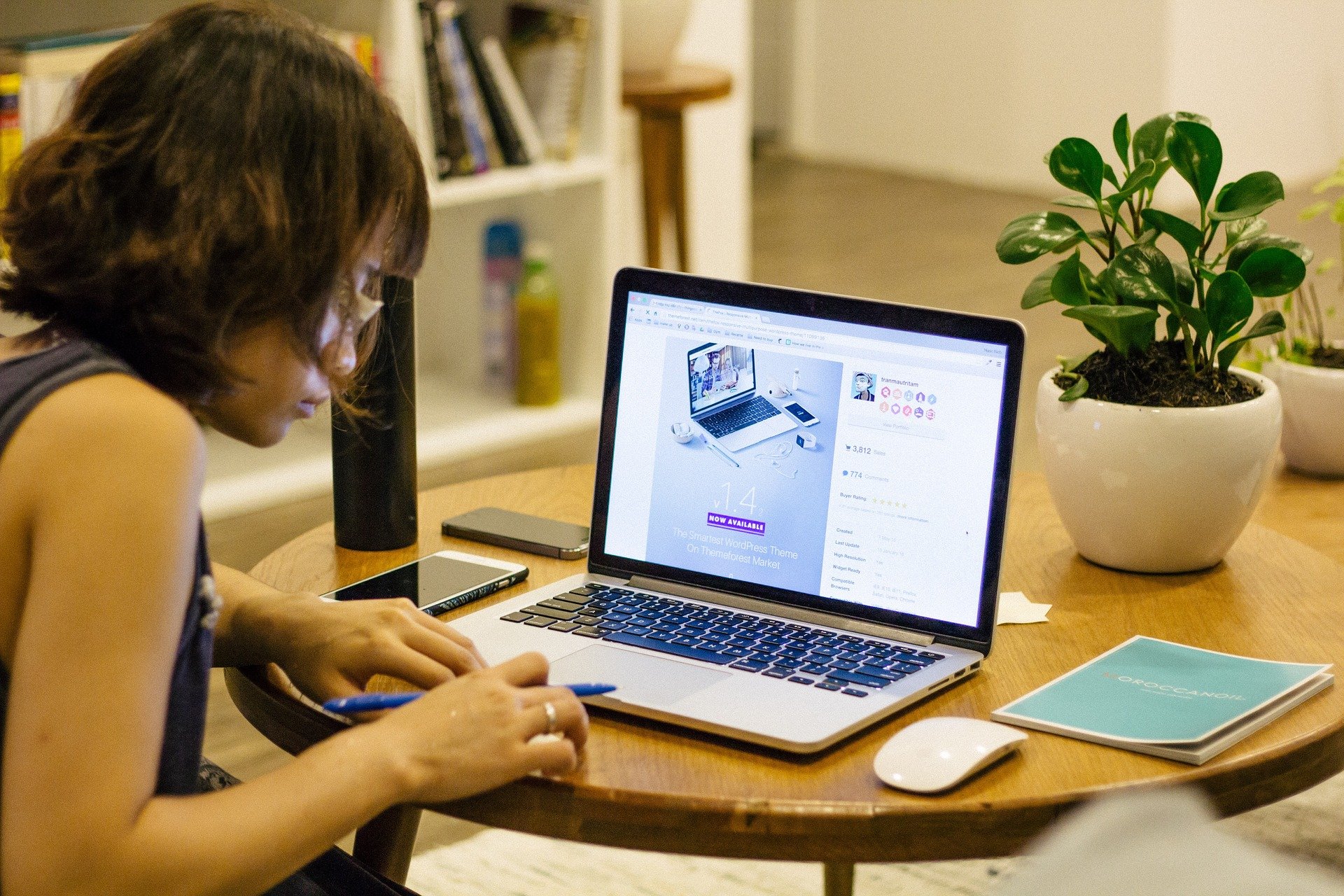
2020 has seen a severe change in how we work and more importantly, where we work. People have had to learn how to use new technologies as working from home and remote working has become essential to keep people safe against the coronavirus. Eibhin Kavanagh talks to workers about the pros and cons of working from home.
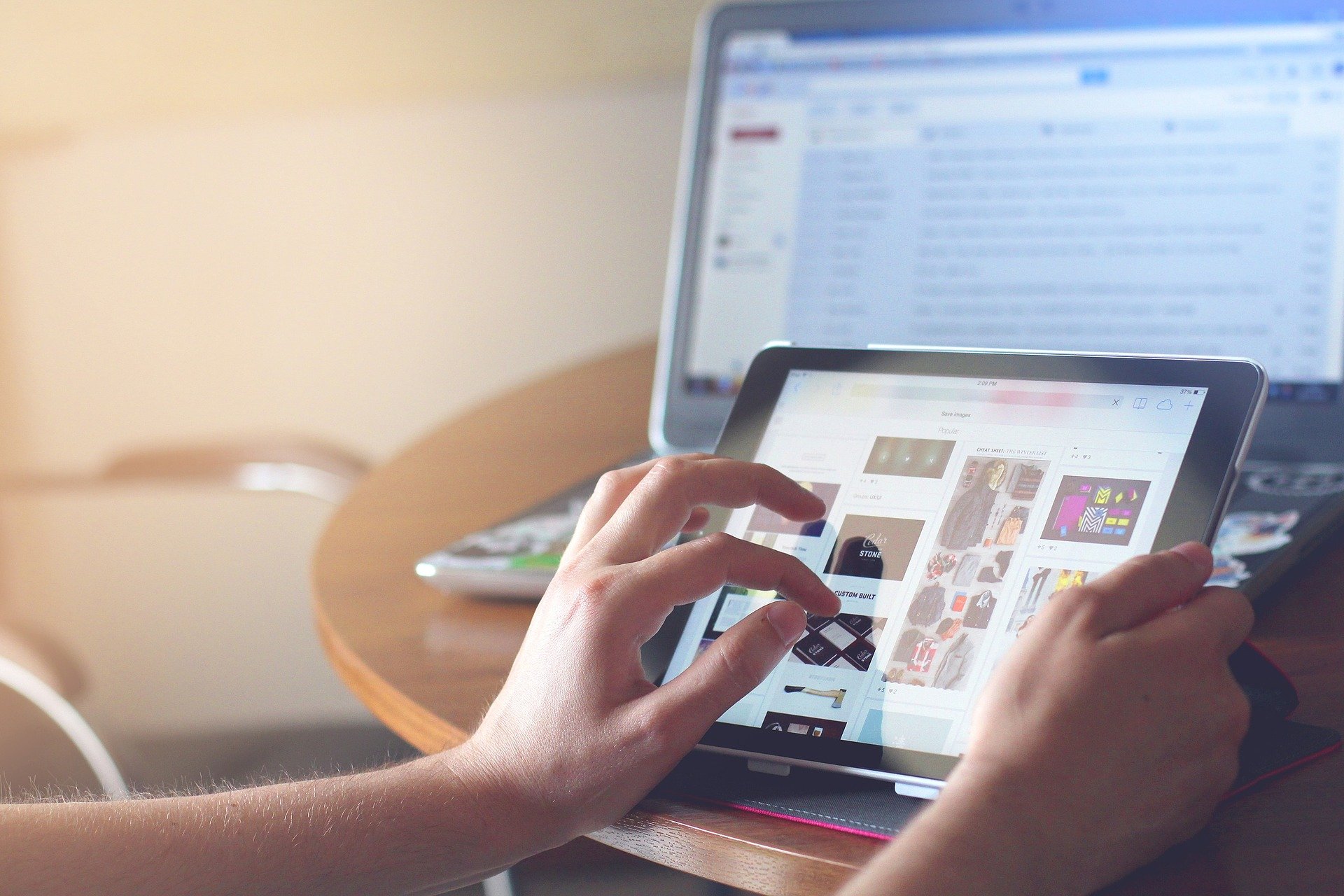
Love it or hate it, we’ve all experienced a change in how and more importantly where we work this year. Image: Pixabay
Working from home is a term we are all more than familiar with by now. However, it is something that people certainly have differing opinions on.
Ireland had one of the highest numbers of people working from home during the coronavirus pandemic, according to labour market think tank Eurofound.
The technology available to people at home is different than what is available in a work environment. Reliance on your own internet or own equipment can either be something that can be very beneficial or can negatively impact your work.
TheCity.ie talked to a number of people on this topic to see if working from home works for them.
Emma Read, UJ Virtual assistant and Mailchimp partner, has been working from home for five years now. “Working from home is much better for my mental health and wellbeing,” Read said.
As Read is self-employed, she supplies her own technology to work from home, so there has not been an adjustment from office work to working from home. “I choose my own hours, work in my own space, whether that be at my desk, on the sofa or in the garden in summer. There are no office politics to deal with, no commute,” Read said.
“Why anyone would choose to work any other way beats me!” she said.
Izzy Glazzard is a marketing manager for Reworked. Glazzard has also seen the benefits of working from home and how employee attitudes have also adapted to this major change in how we work.
“Working from home has really challenged my ability to manage my time and multiple projects consecutively,” Glazzard said.
There have also been reductions in businesses expenses, such as office maintenance that has benefitted Glazzard and Reworked.
“I think overall I’ve gained some really valuable skills. I can see a shift in employed attitudes towards working from home as they realise the mental health benefits for staff,” Glazzard said.
Lisa Murphy, who works for a research organisation, has been working at home since the pandemic began in March.
“It’s extremely frustrating,” Murphy said. Her work provided her with the technology required to work from home, but her internet can cause issues and even something like the weather can affect it and impact her work.
“The thing for me is just more about how isolating it can be you know, I’m very social,” she said. Murphy only started her job 3 months before lockdown and feels like working from home has impacted her ability to get to know her colleagues.
Mhairi Cochrane, 22, co-founded her own business, Lilypads. Cochrane graduated from University amongst the “Covid chaos” and went straight into working from home on her own business.
“I would say the main challenge was trying to learn a lot of new skills and use a lot of new online tools,” Cochrane said.
“I have never been that tech savvy, also when my Wi-Fi at home has a mind of its own and regularly just crashes. Me and my co-founder were not even able to meet and help each other out, we had to just chat over Zoom.”
Working from home has not been Cochrane’s favourite experience, as someone who “loves being around people and someone who hates boring routine”.
Living in a family home when working from home has also added to Cochrane’s opinion on working from home.
Going walks and mixing up where I work in the house – floor, kitchen table, standing chester drawer make-shift desk – has definitely helped,” Cochrane said.
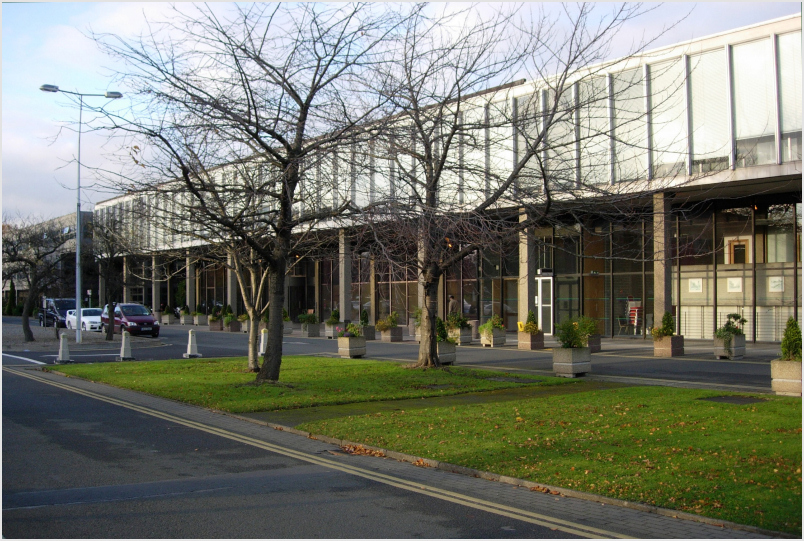
Photographs that emerged online of a gathering that took place in RTE last week have sparked outrage as they show a number of broadcasters standing close together with no social distancing or masks. Megan O’Brien explored the reactions on Twitter.
RTE Television Centre. Source: Wikimedia commons
Miriam O’Callaghan, David McCullagh, Bryan Dobson and Eileen Dunne were among the staff that appeared in the pictures as they joined in on an “impromptu” gathering at RTE HQ for their retiring colleague Phil Collins.
Shortly after the pictures surfaced, #RTEgate began trending on Twitter. Members of the public voiced their opinions on the breach of Covid-19 guidelines, which the broadcaster has so intensely promoted throughout the pandemic. Many expressed feeling “betrayed” as they considered the elderly and high risk citizens that RTE have encouraged to isolate via their broadcasts.
We have heard the #sorrynotsorry apologies for the @rtenews i̶m̶p̶r̶o̶m̶p̶t̶u̶ party. As state broadcaster you have the trust of your listeners. What about all the isolated older people who keep the radio or tv on for company. Are we #allinthistogether? What a betrayal #rtegatepic.twitter.com/QL6Wmor2oQ
Not sure how you have a lapse of judgement about not socially distancing, when you are having your photo taken, while standing on a sign telling you to socially distance!! #rtegatepic.twitter.com/qaLEGOscr4
There was also backlash from others working in the media industry including KCLR Head of Content, Eimear Ni Bhraonain and former Newstalk presenter, George Hook.
Hook among others implied that it seems an apology is sufficient in RTE and as that seems to be the case, they mockingly questioned would Sean O’Rourke be reinstated.
RTÉ's Sean O'Rourke was dumped after he attended #golfgate, when gatherings of up to 50 were permitted.
If #rtegate (during Level 5) goes no further than apologies (which O'Rourke also did) then if I was him, I'd ask to be put back on air…https://t.co/uBMnUXXNf0
The broadcasters issued apologies on air which were circulated online by RTE. The backlash continued in response to these, with many saying that the apologies weren’t genuine as they only apologised after they got caught.
I don't really need to hear any hollow apologies about #rtegate. Let's be real, they're only sorry they got caught.
The apparent acception of these apologies sparked another hashtag to trend on Twitter, #RTEbias, which discussed how it seems that rules for the public don’t apply for the RTE ‘celebs’.
Just infuriating. My Uncle passed away yesterday & my Mam isn't going to the funeral. Meanwhile #RTEbias take photos of a stupid leaving party underneath a social distancing banner on the ground. Divide between us plebs & the hierarchy grows wider & more noticeable by the day https://t.co/0hxhXJF6wd
Taoiseach Michael Martin condemned the gathering, describing the photos as “disappointing”. He said “I don’t excuse the behaviour, it’s very disappointing, particularly in those in public life across in the broadest sense, need to be leading by example.”
Three probes are now underway to investigate the event.
COVID-19 has affected businesses all around the country. However, the hospitality sector in particular has been one of the worst to be hit. With over 7,000 pubs in Ireland, publicans, hoteliers and restaurateurs have been left in the dark with regards to the future of their businesses
Erin Killoran spoke to Kildare publican, Vivian Carrol about the effects that these restrictions have had on his business over the past 9 months.
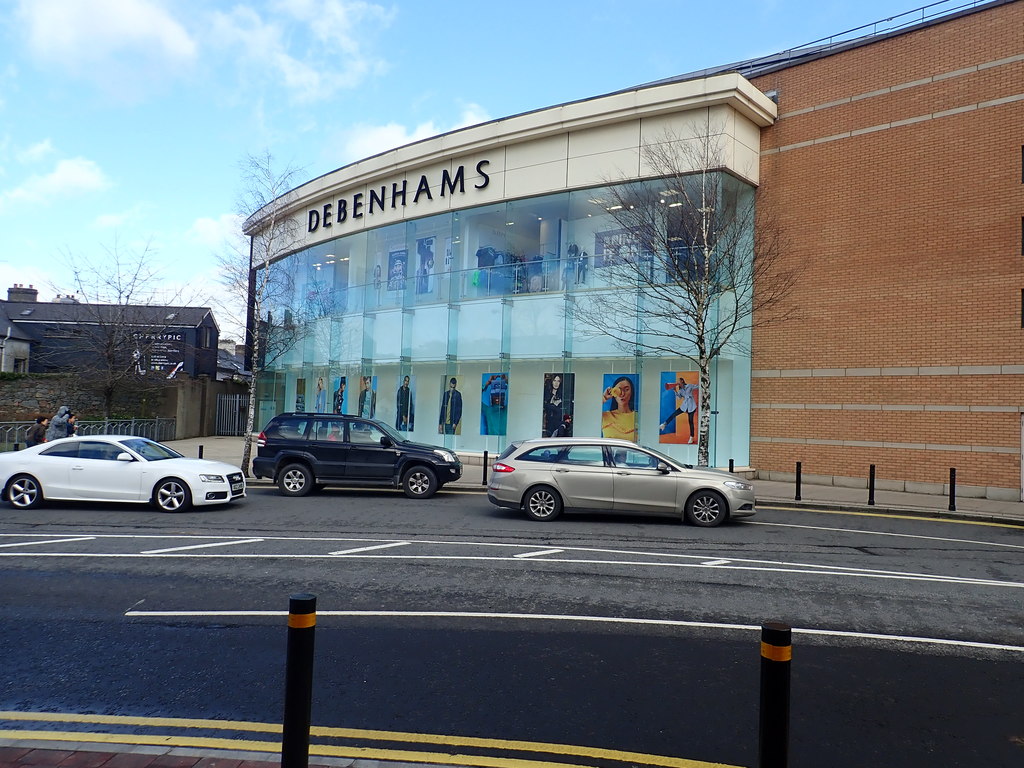
Former Debenhams staff are urging people to #BoycottDebenhams when shopping online this Christmas. Róise Collins took to Twitter to see why it’s trending.
Taken by Eric Jones and licensed for reuse under the Creative Commons Licence
Former Debenhams staff have launched a campaign urging shoppers to boycott the department store this Christmas. The workers have been on the picket line since the start of lockdown when Debenhams announced that their 11 stores would be going into liquidation – resulting in over 2,000 people losing their jobs. The workers have been disputing their redundancy terms with the liquidator, KPMG.
This week marked #222days of the workers picket line, and makes it one of the longest running pickets in the state.
Mick Barry TD raised this issue at the Dáil and pushed the Taoiseach for a solution. He explained why the workers are still picketing despite the cold weather or the fact that their in the midst of a lockdown – “liquidator’s KPMG refuse to give any guarantee that they will not attempt to move stock in level 5, the picket continues despite a High Court injunction and a threat of court summons’ and even jailings.
“These workers, overwhelmingly women, want to know, if you intend to intervene to resolve this dispute in time for them and their long suffering families to have a decent Christmas?” he said.
Mick Barry TD put the Taoiseach under pressure in relation to the Debenhams workers. After 7.5 months, the Taoiseach urgently needs to put forward a solution that provides for these workers and ensures they have a decent Christmas…#BoycottDebenhams#Day222pic.twitter.com/TvX9QP6ATX
Myself and @ThomasGouldSF out with the Debenhams workers at the Dáil today as they continue to protest for their rights and fair treatment pic.twitter.com/S3Im7hOi2L
Another popular tweet by @KarenCullinane1 said: “When shopping for presents this Christmas, please be mindful to boycott Denhams Online in solidarity with the Debenhams workers who have been on strike now for 222 days.”
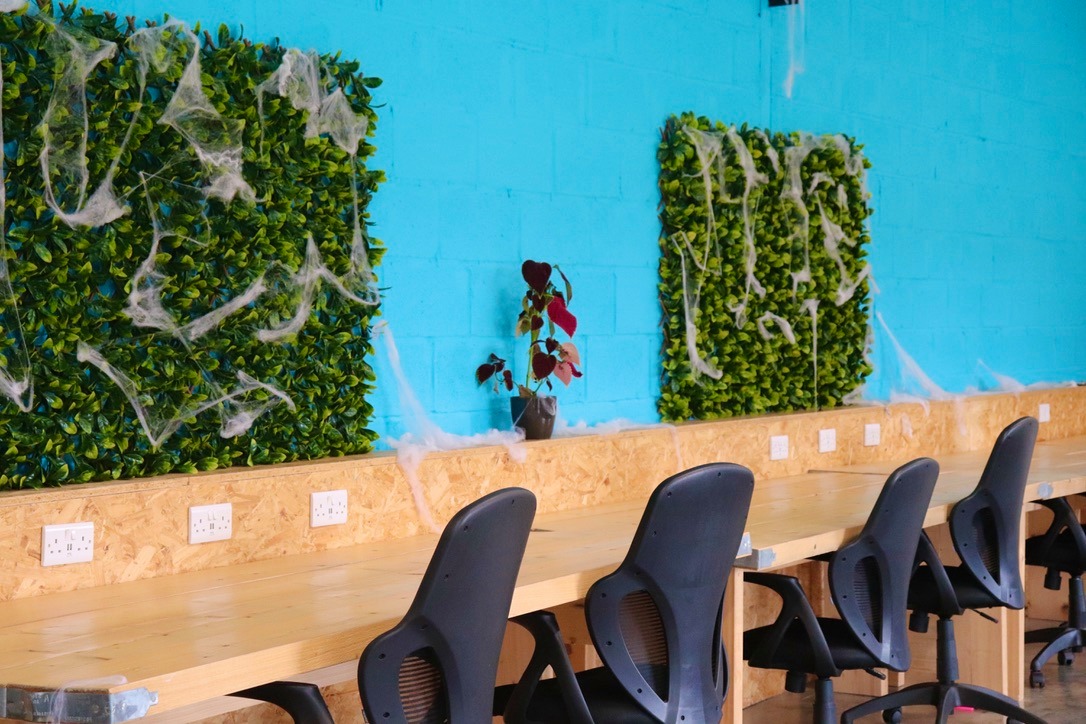
Co-working spaces were a growing phenomenon before the pandemic hit here in Ireland and now that more people are abandoning the office they could be the perfect place for people who want to draw a line of separation between their work and home lives. Megan O’Brien explores how they’ve fared throughout the crisis.
Medical scientists have stated that they will seek industrial action if the government does not agree to a substantial pay increase. Erin Killoran explains why they’re considering taking action.
Photo taken by António Pedro Ferreira. Sourced from Flickr
The Medical Laboratory Scientists Association’s (MLSA) Annual General Meeting (AGM) took place on Saturday the 17th of October via Zoom. During this meeting the union members discussed measures on how to address their grievance, not ruling out the possibility of industrial action.
These scientists are demanding a pay rise due to the large pay gap between biochemists and medical scientists, while carrying out the same jobs. Elena Walsh, a medical scientist at St James’ Hospital explained her frustrations. “The pay parity with biochemists is an issue currently ongoing for years.
“Both medical scientists and biochemists do the same work but have different degrees. In 2001, we had pay parity with biochemists. Shortly after the biochemist’s trade union IMPACT (now FORSA) linked them with speech and language therapists who were due a pay increase so when that was awarded, biochemists salaries went up as well.”
The link between medical scientists and biochemists’ salaries was broken,” she said.
Walsh commented on the potential strike: “All medical scientists that are members of the MLSA (Trade Union) will strike but the laboratory services would still have to be available for emergency services. We would therefore have to provide the minimum service needed to care for patients in these emergency situations while on strike, as we can’t endanger patients’ lives.”
When further questioned on whether or not COVID screening would take place, she stated: “Medical scientists in the public sector are the only people qualified to perform COVID testing, but it would be classed as an emergency service, so a medical scientist would be available to perform testing for inpatients and staff during the strike. Therefore, we would allow a handful of scientists a day to cross the picket line and provide this service.”
In the MLSA AGM press release, general secretary for MLSA, Terry Casey, stated: “This long-running pay dispute requires immediate resolution to avoid widespread disruption to laboratory diagnostic services as we enter the Winter Flu season, and with the COVID-19 pandemic continuing to cause grave concern.”
The MLSA have stated there is a national shortage of medical scientists, with 130 positions that need to be filled. This is believed to be due to the inferior pay and lack of career progression in this field.
On top of the demand for a pay rise, these medical scientists are also hoping to become more appreciated by the government in the event of a strike. Walsh told The City: “The aim is to make a large impact without endangering the patient’s lives.
“We would not test GP samples, STI screens, any additional/ specialised tests etc. These samples would be frozen and tested after the strike. Seventy percent of all clinical decisions are made from laboratory test results. So, we are hoping to show how much the healthcare service would be affected if medical scientists went on strike.”
As of this week, 228,858 people will receive the Pandemic Unemployment Payment (PUP). Niamh Talbot explains how this has impacted job prospects for graduates.
Due to Covid-19, many college graduates are struggling to find work. Photo from Pixabay
Job hunting as a recent graduate always has its challenges but now even more so than ever. Youth unemployment now stands at 45% in Ireland, according to the latest CSO figures.
Last summer, around 60,000 final year college students went out into the workforce with hopes of finding their dream job. However, only 16% of graduates looking for their first job since March have been successful, with the new cohort of graduates from the summer set to hit ‘job hunt fatigue’ by Christmas, according to staffing business Walters People Ireland, who surveyed 1,500 Irish graduates.
The graduating class of 2020 have faced even tougher competition than previous years, with over one million people currently out of work and a huge drop in the number of roles available.
The City spoke to a recent journalism graduate, Ellen Kavanagh, who feels it’s harder than ever to find a job in the field you’ve studied in.
“Job-hunting in the midst of the pandemic is utterly bleak. There are so few positions available right now, and even less that I’m qualified for or have a genuine interest in,” she said.
Kavanagh also spoke about her difficulties with the current overcrowded job market, as someone with not much experience.
She said, “Within an hour of receiving a job alert on Linkedin, there are already 200 applicants. Competition is fierce and it really demotivates you. I’ve heard stories of people in recent months being let go of positions they’ve had for years that are now back on the job market. I’m competing with people with years of experience, knowledge, connections and industry practice. Most companies aren’t interested in your degree if you have no professional experience to accompany it.”
Kavanagh said the stress of job hunting has taken a huge toll on her mental health and that she feels as if she’s out of options.
“I’ve been told by many to take a job in a supermarket until the worst of the pandemic blows over. I have absolutely no qualms about working in retail, but it feels really depressing having studied for years to earn an honours degree only to apply for a job that doesn’t even slightly relate,” she explained.
“The worst part is that there’s no real escape. I can’t just emigrate and try my chances in another country. It’s really heartbreaking, to be honest. I know everyone is experiencing their own issues right now, but I really feel like recent graduates have drawn the short end of the stick. All I can do is continue to apply but it’s really hard not to feel hopeless right now.”
“All I can do is continue to apply but it’s really hard not to feel hopeless right now.”
Orla Moran, who is General Manager at IrishJobs.ie, said they have seen a 40% drop in the number of postings on the site since Covid-19 hit. Moran advises that young people should make the most of the free time they have available so they’re ready once they secure an interview.
“When you do get a job interview, future employers will be asking how you spent your time during the Covid-19 pandemic. They will want to hear that you spent the time volunteering or working on a project in your area of expertise, so I would suggest you try not to have big gaps on your CV for this period, even if you are out of work,” she said.
Holly Perry, a student recruitment associate, at one of the Big Four accounting firms, has been working hard to make things easier for recent graduates and gave similar advice.
She said, “Many companies are still recruiting, business is booming in some areas and we are continuously on the lookout for good talent. My advice for any grads searching for open positions is to keep positive and continue to upskill during your job hunt. This is so important right now with so much competition. When applying for a role make sure you tailor your CV and cover letter to the job spec and list out what skills you have to offer for that position.”
With the country moving to Level 5 restrictions, the unemployment rate is due to keep on rising. Does the government need to do more for our country’s graduates?





You must be logged in to post a comment.