Since the start of the pandemic, many people have been left temporarily unemployed and relying on the Pandemic Unemployment Payment or the Wage Subsidy Scheme. With a decrease in their income, this has left a lot of people in a state of financial insecurity. Roise Collins discusses how this affects tenants around the country.
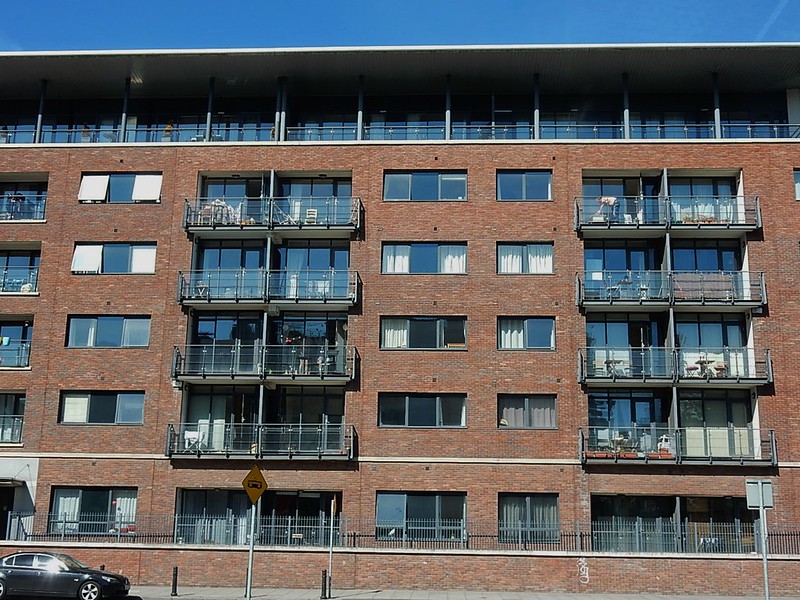
Photo taken by Michael Coghlan. Sourced from Flickr.
During the Covid-19 pandemic, membership increased significantly for CATU, a ‘Community Action Tenants Union’. The organisation was founded in October 2019, and according to their website, there are now 9 CATU local committees officially launched: six in Dublin, one each in Cork, Maynooth and Galway.
The organisation organised a Day of Action on the 17th of June. The campaign called for an extension of emergency eviction banning legislation until January 2021 and for rent arrears during lockdown to be cancelled.
The ‘Emergency Measures in the Public Interest (Covid-19) Act 2020’ that was introduced in March banned all evictions during a six month period. These temporary measures provided protection to residential tenants in light of the pandemic, but the initial emergency period ended on the 1st of August 2020.
As the country moved to Level Five restrictions at midnight on the 21st of October for six weeks, the government has now reimplemented a temporary eviction ban.
Eoin Ó Broin, the Sinn Féin spokesperson on Housing, Planning & Local Govt. said: “If there’s going to be restrictions on people’s movements then we need the reintroduction of the ban on evictions.”
“But not just the ban on evictions – notice to quit and rental increases as well.” Ó Broin added.
The City spoke with Éanna MacAodha from the Fairview/Marino/Clontarf branch of CATU about the work the organisation is doing on the ground in their local community. MacAodha described the group as “a collection of people (tenants, licensees, general members of the community) working together to make our corner of Dublin more liveable.”
A temporary eviction ban is a bare minimum. Evictions from private rental accommodation (largely driven by landlords trying to maximise profits by redeveloping or bringing in new tenants) are a major driver of homelessness. We need a permanent ban. https://t.co/KNw2kLLhqC
He explained that “a key component of that is fighting back against the instability inherent within the private rental market – the constant threat of being evicted or simply squeezed out by rising rents.”
When asked about a permanent solution to banning evictions MacAodha said: “We would welcome legislation providing for a comprehensive and permanent ban on evictions. Though we don’t see any truly effective ban on evictions coming into play without the people getting organised to put sufficient pressure on the government.”
MacAodha explained how the group is strongly opposed to all economic evictions. This includes evictions driven by the landlord’s profit motive, such as conversion to Airbnb, redevelopment or an attempt to raise the rent on new tenants. He added, “We’re also opposed to any evictions into homelessness regardless of the cause.
“We’re working from the ground up to fight these evictions and counter landlord power through tenant organising.”
At the moment the CATU local branch is working on a campaign to identify and confront landlords and letting agents in the area complicit in illegal rent hikes. “A campaign focusing specifically on a permanent eviction ban in Dublin/Ireland is something that would have to be tackled on a national level… but for the moment we’re focusing on building the organisation and tackling more local and specific issues and resisting any attempts to evict any of our members,” added MacAodha.
With restrictions now in place once again across the country, many third level students are struggling with the effects of working from home. According to research by the Commission for Communications Regulation, 3 in 5 people are seeing an increase in their home broadband use since March 1st, showing that internet connections and computer software are some of the issues facing students this semester, not to mention the social side of starting college. Amber Baxter spoke to a number of students about their challenges.
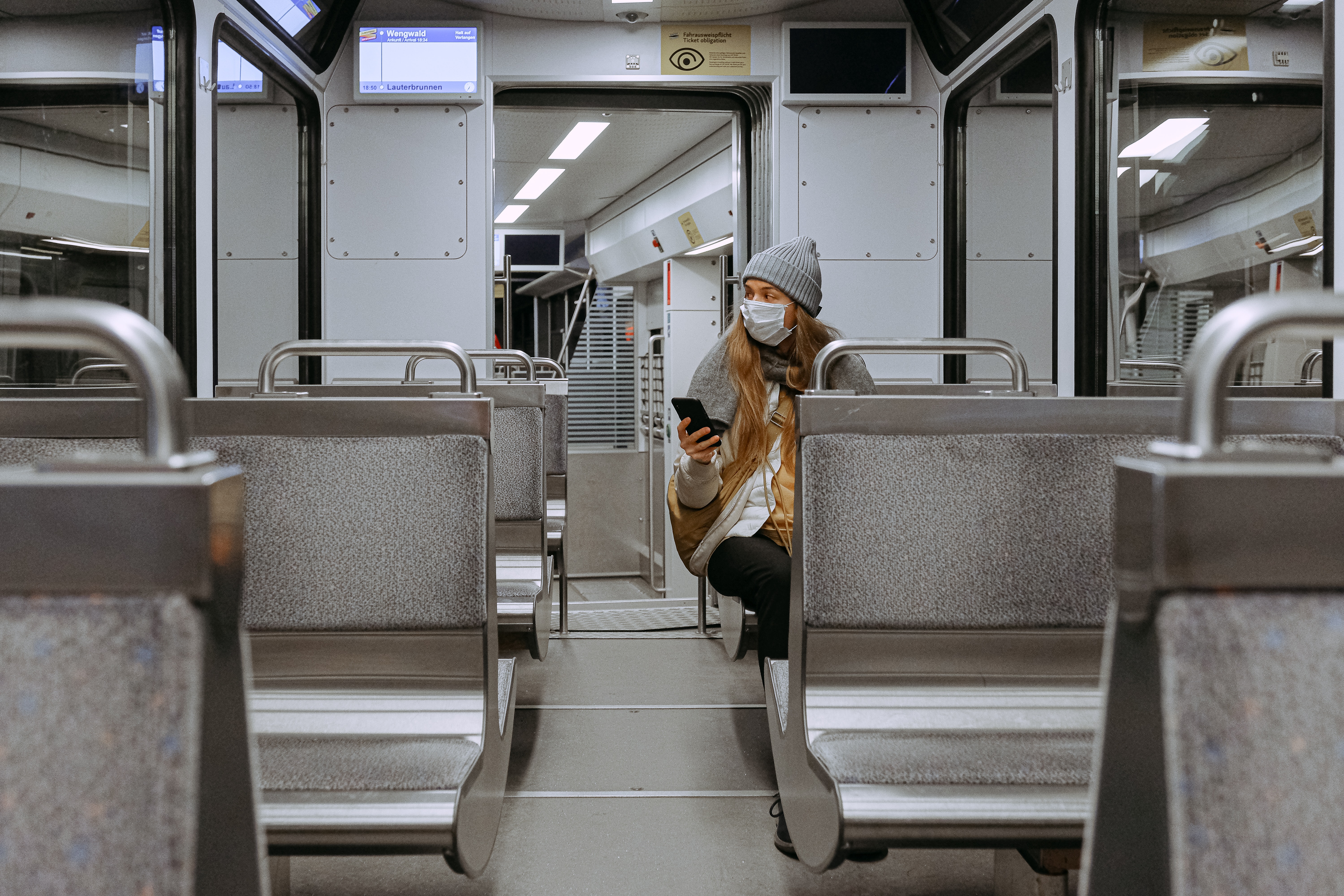
Photo taken by Bonjkarn Thanyakij. Sourced from Pexels.
Emily Ní Aogáin, a first year NCAD student, spoke about her bad connection and how it is affecting her. “Personally, I have found my internet connection has not been the best recently, typically, as soon as I need it most.
“Sometimes on Zoom call lectures it might buffer briefly, but I will have missed out on something the lecturer may have said that could have been important. I feel like we’re all at a disadvantage working from home and online rather than physically on campus. It’s very different and not as beneficial especially for practical courses because you can’t do your work as well at home as you would on campus.”
Ní Aogáin also mentioned how the Level 5 restrictions will further this: “Level 5 restrictions are going to affect my college experience quite drastically as I’ve only started in first year at NCAD, in a practical course.
“It’s been hard settling in and trying to make friends while socially distanced with masks on, because you can’t see their faces and the conversation is so muffled. I feel like we’re missing out on so many opportunities that come up in the first year of college – it’s not the same and it’s understandable but it still sucks.”
Isobel Lord, a final year Technological University Dublin student said: “In regard to Wi-Fi connection, my one has held up so far. I haven’t actually had any issues with it surprisingly. There was a girl in my course last year who did not have a computer so she literally couldn’t do online college.
“There are some people in my course and my friends who share bedrooms with people, and both of them could be doing college work at the same time, which can be very stressful. Then there are people who have family members who are working from home as well so when they’re all on the same Wi-Fi box at the same time they’re going to be running slow.”
Lord also mentioned how online work is affecting her studies on a practical course. “I’m doing an arts degree which is 99% practical work,” she explained. “We did hands on stuff in class such as how to manipulate fabric and stuff like that which is not really something you can teach through a computer screen.
“I also had to complete window displays which usually would be all practical, but we had to move online to Sketch Up, which is a graphic design program and became a huge part of our course working from home. I cannot even tell you how difficult, stressful and pressurizing that was. My grades went down so much [working from home] because I’m someone who is terrible with computers and tech.”
“My grades went down so much because I’m someone who is terrible with computers and tech.”
Teresa Walsh, a third-year student, spoke about how her mandatory attendance is being affected as a result of working from home. “I’d say overall my internet connection is fairly average but because I live slightly out of the town it’s not always the best,” she said. “If there are many people at home working from home or doing schoolwork, I find then the internet wont work. This is obviously very annoying if my class won’t load as I have mandatory attendance so at times, I feel like I’m at more of a disadvantage than my friends.”
There’s no denying that the last few months have been challenging for many in the Irish community around the world during the coronavirus pandemic. Niamh Talbot spoke with three people currently living abroad about how they’re coping with everyday life and being away from their friends and family.
While they can’t be here at the moment, many Irish living abroad are feeling the effects of the pandemic. Photo by Anna Shvets via Pixabay
Mark Moloney, a PhD student at St.Andrews University in Scotland, has been living abroad for three years now.
He said, “Being over here has been good and bad. We have much looser restrictions than home so day-to-day life has been pretty close to normal. Especially with the whole “eat out to help out” initiative, we were being encouraged to get out and socialise. But not being able to go home as often or as freely combined with nobody being able to visit me has been difficult.”
Moloney is also entering his final year of his PhD and is feeling the added pressure of the pandemic. “It’s all work and no play so I can feel an element of burnout coming,” he said. “There’s a pressure to catch up on all the time we missed in the lab over lockdown but at the same time there are restrictions in place that have made everything move a bit slower. Also, the state of the UK at the moment means I’ll probably have to deal with some kind of restricted living until I finish up next November.”
Despite this, he acknowledges he could have things much worse. “I know people who are living in the US or Australia who wouldn’t be able to afford a flight home at the moment even if it was an option. So, I count myself lucky that I’ll be able to get home for Christmas.”
Whilst some people are used to living away from their family, Dylan Talbot is living alone for the first time. He moved to Dubai in January of this year, being hit with a lockdown not long after settling in.
“At the start of lockdown it was very strict over here with a 24 hour lockdown. I found it quite difficult and was missing my family a lot because I was stuck at home on my own and wasn’t going to work. We weren’t allowed to leave our houses at all and I felt much more homesick than I would have if there was no pandemic,” he said.
However, with Ireland entering into Level 5 for at least 6 weeks, he says he’s actually glad to be where he is. “Life in Dubai feels normal, I can go out whenever, go to the gym, even restaurants and bars are open.” he explained. “ It makes me appreciate being here a whole lot more and doesn’t make me as homesick anymore. My mental health has improved so much being able to get out with my friends and exercise.”
He also noted that the weather makes a huge difference. “In Dubai it’s still bright out and the weather is great. You don’t look out the window and see a dreary day on top of everything else going on in the world. You wake up here and see another beautiful day that makes you want to get up and get out.”
Orla Breen is a student nurse currently finishing up her degree in Southampton. Her life and mental health has been majorly impacted by the pandemic.
She said, “I’ve loved living abroad the past few years. I was always a very anxious person and I think it really gave me the push to put myself out there and grow more confident and independent. That was until the pandemic hit.”
“I went from living in a house with 6 other students to living in halls on my own. With nursing placement, I wasn’t in a position to study from home like all of my friends, so I feel like I’ve been left behind here. Being such an anxious person, the loneliness hasn’t helped my situation at all,” she said.
Things have been looking up recently with some positivity on the job front, she admitted.
“I’ll be finishing my degree at the end of this month and luckily have been offered a position to stay on here. I hadn’t planned on staying on living here once I graduated but with so much job uncertainty at home, I decided it’s probably best to stay put here for a while.”
For the time being, she’s going to just have to see how things go. “I’m taking each day as it comes,” she says. “It’s really hard not being in the same country as a lot of your loved ones.”
She said, “It’s the uncertainty that’s the worst, not knowing when you’re going to see your family again.”
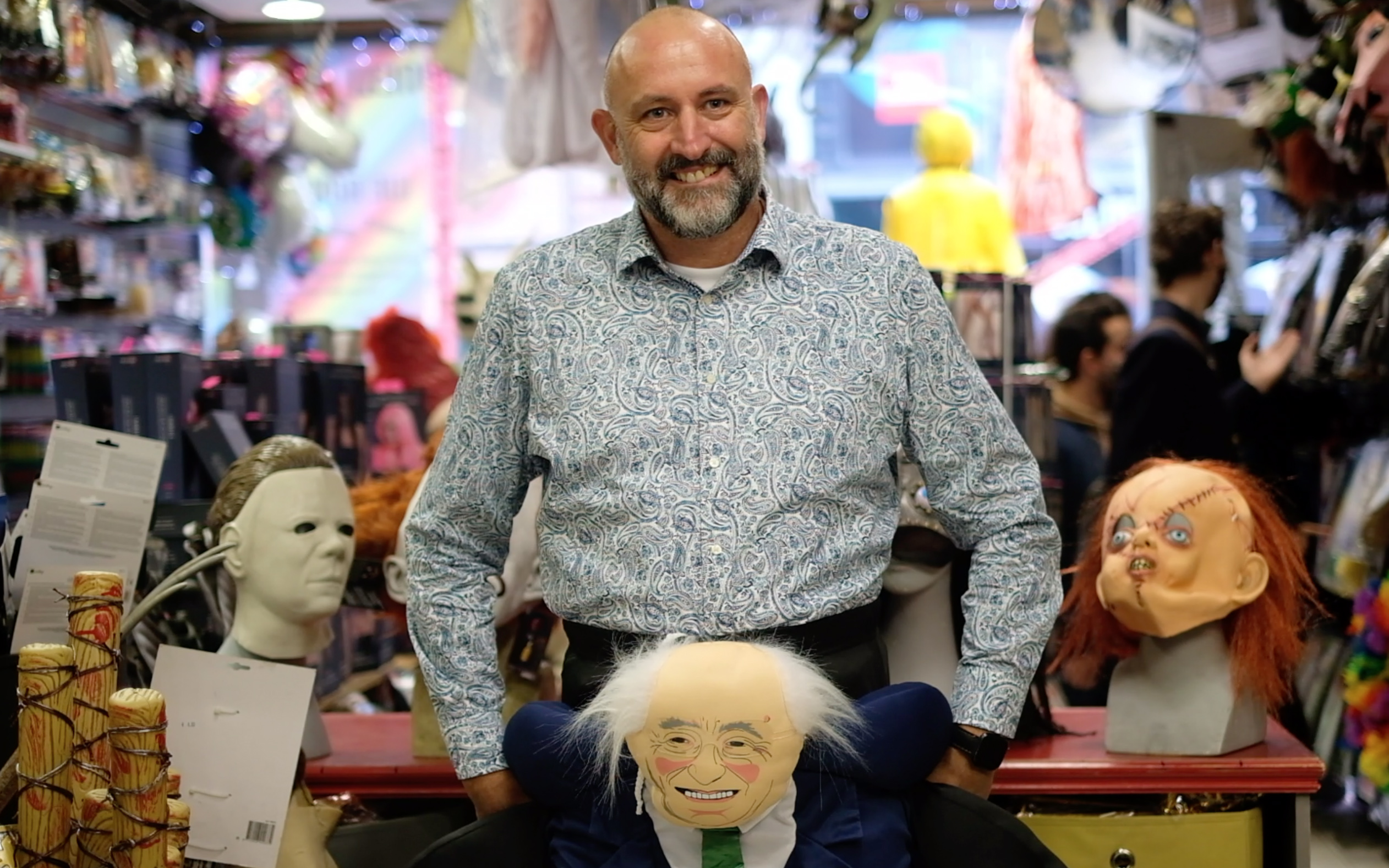
This Halloween certainly won’t be like any other, with Covid-19 restrictions limiting the number of people we can visit and the events we can attend. Fun Place has been supplying spooky costumes in Dublin for 40 years now. Eibhin Kavanagh talked to owner Shay Howlin about how Fun Place has been getting on at what would usually be a very busy time of year for them – as well as some tips for a safe and spooky Halloween.
The Dark Dublin walking tour leads participants around the city to hear gory tales of times past. Rebecca Daly spoke to its guide Ciaran Behan about the spooky history these locations hold.
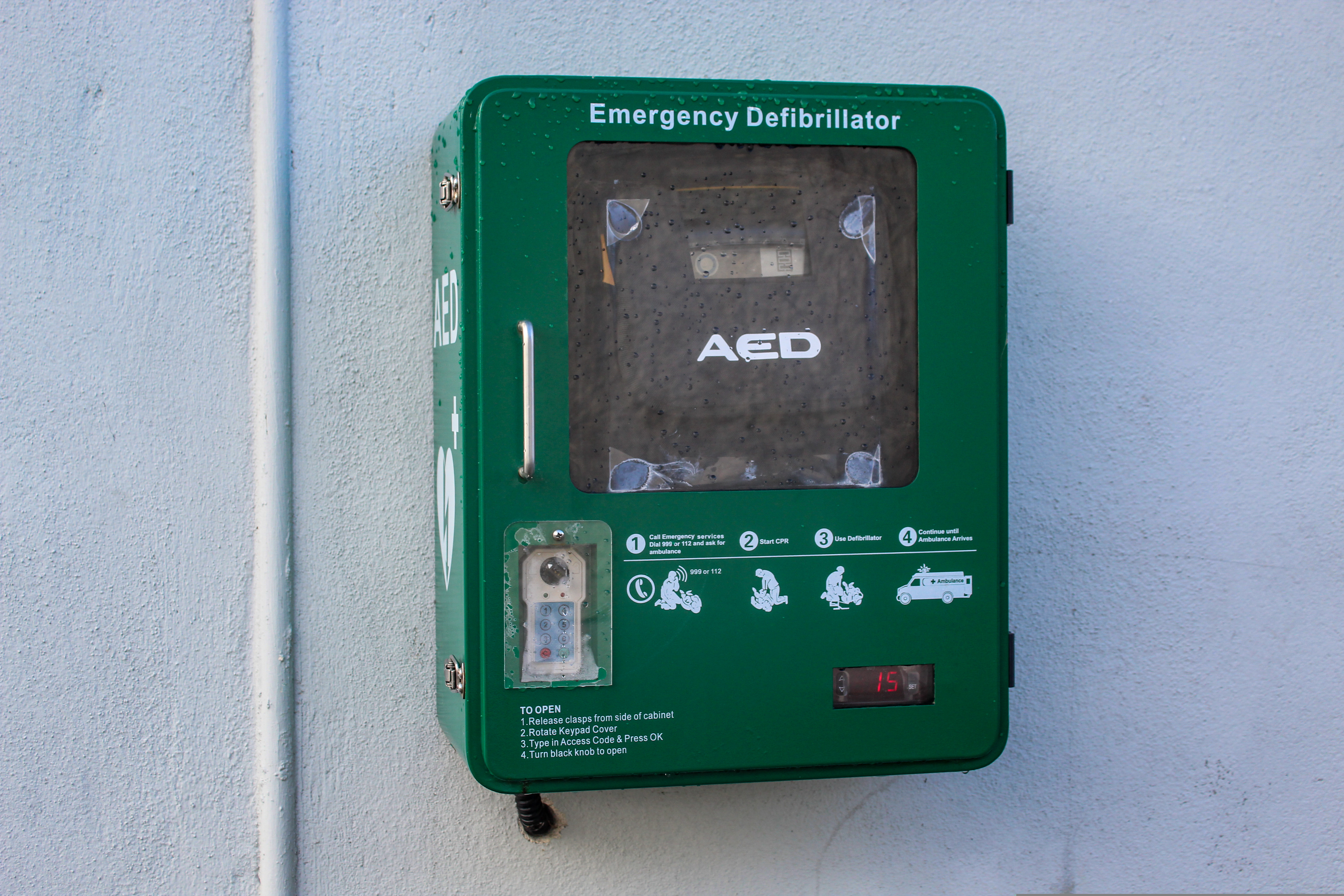
Rebecca Daly explains why it is now more dangerous than ever to tamper with an AED due to COVID-19.
Photo by Rebecca Daly.
Automated External Defibrillators are medical devices used to deliver a shock to the heart in cases of cardiac arrest. It can be the difference between life and death for some. However, these defibrillators can often be stolen, damaged or vandalised, leaving those in emergencies to do without.
In normal pre-COVID circumstances, volunteer Community First Responders groups would be dispatched by the National Ambulance Service in the case of an incident of cardiac arrest. Especially in rural Ireland, they can arrive at the scene before an ambulance does. The responder would then begin basic life support including cardiopulmonary resuscitation (CPR) followed by the use of an AED prior to the arrival of an ambulance.
Due to the outbreak of the virus, not only have the Community First Responders been stood down since March but the use of CPR as we’ve come to know is now also advised against. Responders or bystanders of an incident are being encouraged to wear masks and to use a hands-only method of resuscitation such as chest compression, but this is not completely without threat.
John Fitzgerald, chairperson of the Community First Responders, said, “The actual mechanics of pushing on someone’s chest and releasing it can cause air to come out of a person’s mouth so if you’re in a confined area you could potentially be contaminating yourself or somebody with you.”
When sudden cardiac arrest occurs, the heart can often remain in a certain quivering rhythm called fibrillation. This can last for about eight to twelve minutes with no blood pumping. This is seen as the window of opportunity to start CPR and use an AED to get the patient’s heartbeat back to normal before the arrival of an ambulance.
According to Fitzgerald, it is estimated that approximately 5000 out-of-hospital incidents of cardiac arrest occur every year in Ireland. With the use of both CPR and an AED up to three minutes into the attack, the patient will have up to a 70% chance of survival.
CPR restrictions as a result of the virus have made it more important than ever to have a functioning publicly accessible defibrillator.
AEDs are widely available in most towns and cities across the country, but they often get damaged, vandalised or even stolen. There have already been a number of reports of broken or missing devices this year so far, with the most recent one in Letterkenny on September 22nd.
It is not yet an offence to deliberately tamper with a defibrillator, despite its potentially fatal consequences. The Life Saving Equipment Bill 2017 was drafted in response to this in July of that year. It also covers damage to lifebuoys. Senators Keith Swanick, Diarmuid Wilson, Robbie Gallagher and Paul Daly first initiated it, but it was backed by Carlow County Council last January. The bill received cross-party support before it went to the Seanad.
A spokesperson from the Department of Justice said, “At the Second Stage Debate on the Bill in Seanad Éireann, the Government indicated that the legal advice received by the Department was that, as drafted, the Bill would require considerable amendment in order to address all of the practical and legal concerns raised.”
The bill was later abandoned with the spokesperson saying, “[It] lapsed on the dissolution of the last Dáíl and would need to be brought forward by the sponsoring Senator for reinstatement. The scheduling of Private Member’s Bills is a matter for the Oireachtas and the Department has no function in the matter.”
While the offence of criminal damage could also cover the act of vandalising a defibrillator, the Private Member’s Bill was created directly in response to the concern that tampering with an AED could result in someone losing their life.
This bill is not the only thing that could prevent the destruction of these devices. Fitzgerald feels that education is essential. He said, “We don’t lock up extinguishers and we don’t alarm them. Everybody knows what a fire extinguisher is and how key it is to saving somebody’s life and generally they’re not messed with. We need to be at the same place with lifebuoys and AEDs.”
Senator Diarmuid Wilson has confirmed he plans to re-introduce the bill to the Seanad in the current session. Robbie Gallagher has also confirmed that they have been doing some investigation into re-introducing this bill.
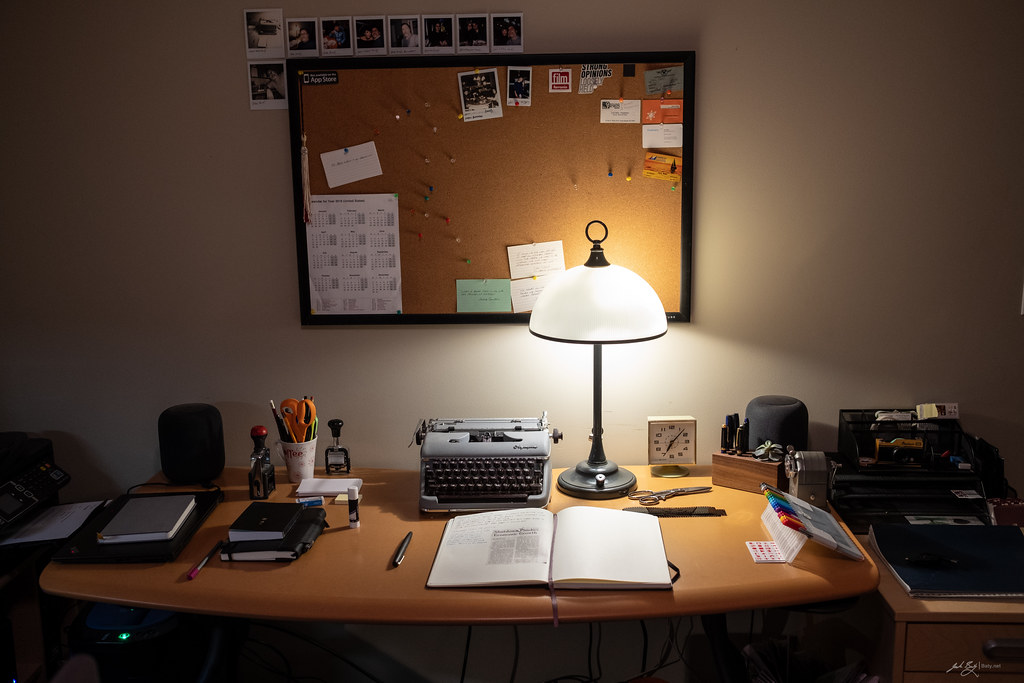
Erica Carter investigates the financial impact online learning has had on third level students, as they express their frustration at the lack of government support for the move to online classes this year.
Taken by Jack Baty. Sourced from Flickr
Due to the Covid-19 pandemic, third level education has been moved primarily online, with limited access to college and university facilities. This has forced students to buy equipment, such as laptops, software and broadband, which they say is a large added cost on top of education fees in the midst of a pandemic.
Deborah Deegan, a second year TU Dublin student, was asked by her class tutor to buy a laptop that cost €1200, in order to run software they no longer had access to due to no longer being on campus – a cost on top of other expenses, such as furniture and Wifi. “In total the move to online classes cost me about €2000,” explained Deborah, “which includes the recommended laptop for my course, accessories like an external mouse and headphones, and furniture like a desk and a chair, because I previously didn’t have those in my room.
“I also had to install new WiFi and my electricity bills are higher due to attending online classes and doing my assignments from home.”
Rose Conway-Walsh, Sinn Féin TD and the party’s spokesperson on Further and Higher Education, is completely opposed to these costs. “Third-level students and their families are under unprecedented severe financial stress,” she said. “They need help to ensure they can stay on at college.”
“This practical financial support should take the form of a reduction of fees, refund of accommodation paid, wider reach of SUSI, access to the College Assistance Fund and laptops including remote connection to broadband. These supports need to be made available immediately.”
A spokesperson from the Department of Further and Higher Education, Research, Innovation and Science has detailed the additional funding provided in support of the students returning to education this semester. “This includes targeted student supports which will be of assistance to many students, particularly those with the least financial resources,” they said.
“The Department has allocated €15 million of capital funding for a once-off COVID-19 grant to support disadvantaged students in the further and higher education sectors in accessing information and communication devices,” the spokesperson continued. “The grant is being made available to further and higher education providers, which are using it to purchase devices to support disadvantaged students who are encountering challenges in accessing devices for remote learning.”
Supports such as laptop lending schemes were also only open for applications a few weeks into the college semester for some institutions, which meant students had to either buy a laptop or miss a few weeks of classes until they found out if they were eligible to be loaned one. “We were told during the summer there would be a laptop scheme for people who couldn’t afford them, but no information was provided until we had already been in classes a few weeks,” said Deborah. “Anyone that needed a laptop had already had to go out and get one because it was that or fall behind on our work.”
Another problem that many students are facing is that they do not qualify for the Department of Further and Higher Education grants. As they or their parents or guardians do not fall within the eligible income bracket.
TD Conway-Walsh is uneasy about this aspect of the grants. “I am concerned that despite Simon Harris being on public record telling me that eligibility for laptops would not be based on SUSI eligibility, I am being told by students that colleges are denying them laptops because they don’t receive SUSI,” she said. “I have written to the Minister to notify him of this.”
He now says it is up to the third level institutions. “I fundamentally disagree with this as this is public money and eligibility for SUSI is too narrow to accurately reflect the financial status of many households.”
When asked if any supports or funding were considered for students that weren’t deemed “disadvantaged”, the Department of Further and Higher Education, Research, Innovation and Science did not respond.
“I don’t think it’s acceptable to ask students to pay this amount of money on top of their college fees, in the middle of a pandemic and a recession where many are now losing their jobs,” asserted Deborah. “We as students have invested our money into these institutions to give us an education but they won’t invest in us in order to provide us with that education.”
As WWE continues producing shows in their Covid-friendly arenas, Takeover 31 was just as impressive. Conn McGillion reviewed all the matches from Takeover 31 for The City.
Photo taken by Miguel Discart. Sourced from Flickr.
The first show to run from the Capital Wrestling Center (CWC)- the state of the art arena designed to house fans via live video feed from their own homes. The CWC is NXTs equivalent of Raw and Smackdowns ‘Thunderdome’. This show was not solely dominated by its main event- top to bottom, the show had plenty to offer.
This was a coming out party for O’Reilly. Balor is an established main eventer, but O’Reilly absolutely shone in his first singles title opportunity. And, these two men beat each other senseless. The chemistry they had was unbelievable, and this match is a must see.
This match was a brilliant showcase for both women. These two women are perhaps the best in the division at the moment, and they showed that in this classic.
Kushida def Velveteen Dream at 13:00- The story of this match was Dreams constant mocking of the Japanese superstar. The flamboyant Dream enters dressed as Doc Brown- a clear mockery of Kushida’s love for Back of the Future. The first portion of the match follows Kushidas uncontrolled fury. Far more aggressive and intense than usual, Kushida relentlessly targets Dreams arm. Dream eventually regains control by dumping Kushida to the outside, and works over Kushida.
Dream almost gets caught in Kushidas Hoverboard lock early, but he quickly scrambles to the rope. A powerbomb by Dream leads to another nearfall and another Purple Rainmaker connects- but, Dreams arm is too damaged to capitalise. Eventually, the arm becomes Dreams undoing- as Dream scales the top rope, Kushida runs up after him and locks in the Hoverboard lock again. Dream can’t break the hold- even as they drop to the mat, and Dream tries his signature Death Valley Driver. Eventually, Dream taps out- giving Kushida his first marquee win. After the match, Kushida continues to target Dream’s arm, until several refs drag him away.
This was a solid match. The story of it was clear- Kushida wanted to break Dream’s arm. Dreams played his part very well, and Kushida’s aggression is exactly what he needed. Ever since he came to NXT, he had been floating in the midcard- but, finally showing his aggressive streak was what he needed. A huge win over Velveteen Dream could prime Kushida for a title shot soon- perhaps for the Cruiserweight, or North American title.
Overall, this is a show worth seeking out if you enjoy physical wrestling and storytelling. The main event is a must see, and the post match angles certainly add intrigue for what is to come for Kyle O’Reilly and the Undisputed Era.
On May 3, 2020, Japan celebrated the 73rd anniversary of its constitution coming into force. TheCity.ie’s Ayumi Miyano spoke with Kenneth Mori McElwain of the Institute of Social Science at the University of Tokyoabout PM Shinzo Abe’s push to amend Japan’s famously pacifist document.
The empty street of Marunouchi Nakadōri Street in Tokyo, Japan. Photo: Wikimedia Commons
During his seven-year tenure, Japan’s Prime Minister Shinzo Abe has been consistently expressing his ambition to pass a constitutional amendment in 2020. He may take advantage of any situation, even the coronavirus pandemic, to fulfil this ambition.
On May 3rd, 2020, the 73rd anniversary of the constitution, Abe took the opportunity to emphasise the importance and urgency of amending the supreme law of the land.
His streamed public address on YouTube was originally directed at the members of the public constitution forum, an organisation which consists of scholars, journalists, and members of Nippon-Kaigi, the largest right-wing organisation in Japan. This public forum is a pro-amendment group and has carried out several events to promote its views.
In the video message on May 3rd, Abe emphasised that the current constitution does not establish how the government can act under a state of emergency, except for article 54, which allows the convocation of the House of Councillors during an emergency session.
Japan’s pacifist constitution
On May 3rd, 1947, the Japanese constitution was enacted. In the aftermath of the Second World War, during the Allied occupation of Japan, the constitution was drafted by US General Douglas MacArthur, the ‘Supreme Commander for the Allied Powers’.
The Allied occupation of Japan lasted from September 1945 until April 1952. Under MacArthur, the Allied powers aimed at the demilitarisation of Japan – which had been officially recognised as the Empire of Japan under the military government of that period. One of the primary goals of the Allied powers was to transform the imperial Japanese socio-political system into a Western-style democracy.
“For everybody to agree, there was I think the description at the time to make Japan ‘the Switzerland of Asia’ – a good trading partner, but with a non-aggressive military force. That also combined with the very deep fear and threat of communism in eastern Asia,” Kenneth Mori McElwain, professor of political science at the Institute of Social Science, University of Tokyo, said.
“Their goal was democratic, specifically anti-communist, in order to make Japan like a democratic peaceful country,” he added. The constitution has been accepted by Japanese people as pacifist in nature.
In contrast, the Liberal Democratic Party (LDP), from its formation in 1955, set its mission to amend the American-drafted peacetime constitution and establish Japan’s own version of the document.
The LDP did not, however, draft a revised plan until 2012, which was then followed by its submission of four main points for discussion in 2018. One of the four points was a proposal to add a new constitutional clause that would give the Cabinet more power in a state of national emergency.
The pandemic has added urgency to the debate
The discussion of whether to add the emergency clause in the constitution has been complicated by the current decision to declare a state of emergency as a result of the pandemic. The state of emergency announced on April 8th to cover seven prefectures was extended nationwide eight days later, and led the governors of each prefecture to request that citizens refrain from leaving their homes. Despite this, whether or not to stay at home could not be enforced by the government.
Some supporters of the constitutional revision view the proposed emergency clause as necessary for the government to have the power to order citizens to stay home — the so-called lockdown. On January 29th, Gen Nakatani, a member of the LDP and former minister of defence, said a discussion about the constitutional amendment was necessary if the current Japanese laws were not sufficient to deal with the pandemic. On January 30, Bunmei Ibuki, a member of the LDP, said that the coronavirus pandemic is “one of the biggest experiments for the constitutional amendment.”
The LDP insisted that it was appropriate to add the emergency clause in the constitution to maintain the function of the Diet – the equivalent of the Dáil – during an emergency, such as a large-scale disaster. In case the Diet lost its capacity to function due to disaster, the party said the clause could be used to temporarily strengthen the authority of the administration, to allow for for swift governmental response. The drafted clause would enable the government to announce an emergency cabinet order, and the Diet to extend its members’ term with a two-thirds majority of the attending members.
Asahi survey: 72% say no rush for Diet to revise Constitution : The Asahi Shimbun https://t.co/3MNvbY4JOm
Under the current constitution, nevertheless, there appear to be ways to deal with an emergency like the coronavirus pandemic. To some extent, the government moved to bring the country as close as possible to a shutdown state. The New Influenza Special Measures Act was passed on March 13th and it enabled the government to declare a state of emergency and limited activities and public gatherings.
“Under this act, it is possible for the government to require certain companies to sell face masks and medicines to the government,” McElwain said.
“Most of the constitutional scholars say that on the one hand, individual rights need to be respected, and the government should not limit their rights unfairly. The constitution provides this concept by its 26th article. But at the same time, the government has a duty to secure the happiness and safety of the individual. When these two concepts are in the balance, can the government actually push for a new law that requires them to shut down businesses? It’s possible,” he continued.
What is at stake
Having an emergency clause is not unusual in the world. Indeed, the LDP’s original draft submitted in 2012 was based on Germany’s emergency clause. However, according to McElwain, the LDP’s plan lacks “clear criteria” for the process of declaring a state of emergency.
“It is very hard to intervene in the private sphere under the current constitution. However, if the specific law is enacted, that concept could be overwritten,” he said.
May3rd2019 is 72nd Constitution day in #Japan. Much more than last year,65thousands people were gathered in #Tokyo. The sight wasn't broadcasted. All we want is to cherish Constitution of JP. We won't allow PM to revise the constitution for militarism and fascism.#0503憲法集会https://t.co/pJajP1AAc9
Most countries state-of-emergency provisions “are very strict on the duration of the debate, mandate documents, or set the rule that the government has to report something every few weeks,” he said.
In the LDP’s draft, there are still many aspects of how a state of emergency would be enacted that are unclear – and might give excessive powers to a government.
“For example, the drafted clause only says that a state of emergency could be declared ‘by the process established by law’, and the timing of the declaration ‘needed to be established by law’,” McElwain said.
“The fundamental function of the constitution is it cannot be revised by a simple majority vote of the Diet. But if it says an immense authority will be given to the Cabinet ‘by the process established by law’, that lowers the hurdle back down to a simple majority vote. In principal, the government itself is formed with support by a majority of the Diet. What you are basically saying is if the Diet whose majority consists of the LDP members says yes to the government, the LDP’s administration can do anything. That’s a very weak check.
“If an authority were given to the Cabinet to cross the line which usually can’t be crossed, the process and the range of power would have to be carefully considered. There are many risks to let the person who already possesses power to decide freely when it is an emergency state. This is how dictators seize power,” he said.
“There are risks in allowing the person who already possesses power to decide when it is an emergency state. This is how dictators seize power.”
To add any new clause to the constitution, it needs to be approved by two-thirds in both the lower and upper houses of the Diet. It then needs to gain a simple majority vote in a national referendum. According to an April opinion poll conducted by the Mainichi, Japan’s national daily newspaper, 45 percent of people were supportive of establishing the emergency clause in the constitution, while 14 percent were against, and 41 percent were either “don’t know” or “no answer”.
“Japanese people tend to answer ‘neither’ or ‘no answer’ in surveys. It is true in social surveys and it is true in political surveys. It might mean Japanese people have neutral opinions. But the percentages of these two are significantly different from other countries,” McElwain said.
What those of a neutral opinion decide in due course could possibly be the key to whether Japan sees a revision of its constitution.
The Japan Federation of Bar Associations said that the procedure of amending the constitution needs to be discussed more. They emphasised there was a significant lack of regulations on advertisement and expenses of a referendum campaign, and this unfairly created a risk of promoting big-party preferences.
“Giving authority to the government weakens citizens’ rights. You should be very careful about it. And certainly it is not good to think about the emergency clause during an emergency like now – because everyone is emotionally unstable,” McElwain said.
While PM Abe’s strategy has often been labeled as a “thief at a fire” by politicians or scholars, constructive discussion regarding his mission to add emergency powers to the constitution has been consistently postponed. His tenure as prime minister will finish in September 2020; we have yet to see if this unexpected coronavirus emergency has made his dream come true or not.









You must be logged in to post a comment.