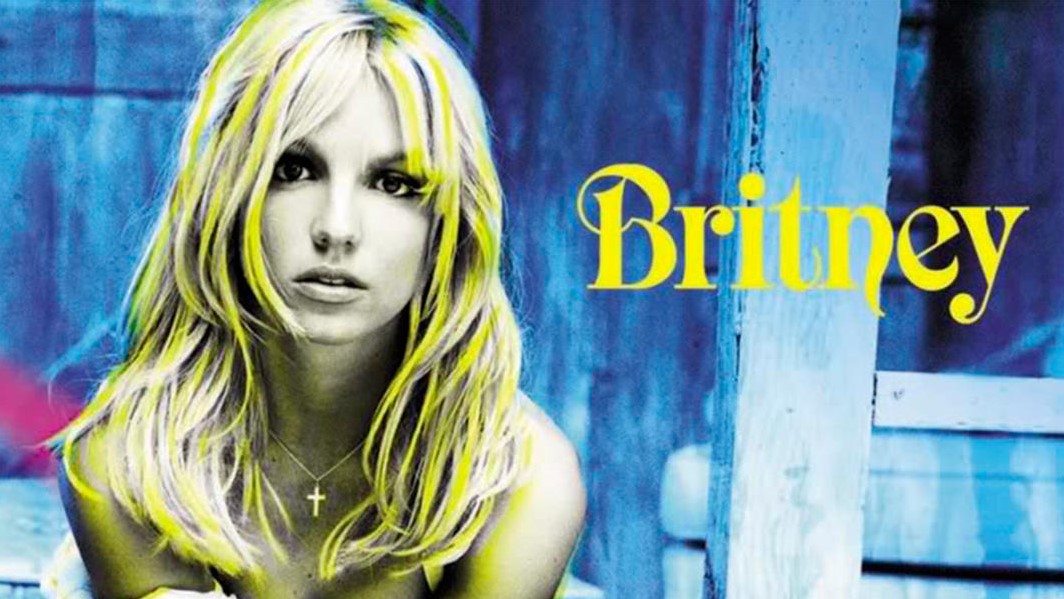

It was 1998 when a 16-year-old Britney Spears hit our TV screens with the music video for her debut single Hit Me Baby One More Time – a song that would propel her to superstardom.
Twenty-three years later, society’s fascination with the pop star’s life is still going strong.
With six number one albums, 10 world tours, highly publicised mental health struggles, and now the #FreeBritney movement that focuses on her unusual conservatorship case, Spears’ name has never left the media – and tabloid culture has eaten up her every move. These are all things Framing Britney Spears explores as it documents the rise and fall of the global sensation.
Much of the documentary focuses on the media’s treatment of Spears, and how the blatant sexism and misogyny directed towards the singer, along with the lack of respect for her privacy, acted as a catalyst to cause the deterioration of her mental health and subsequent loss of control over her own life.
Throughout the documentary, we are presented with archive interview footage where media figures frequently ask inappropriate questions or make remarks centred around the singer’s sexuality. Spears is constantly asked about her clothing, breast implants, relationships, and her virginity – but rarely about her actual music.
This is something Spears has had to endure throughout the entirety of her career, and something she highlighted as a double-standard from the get-go.
The documentary focuses on Spears, but it’s also a look at the treatment of young women in the industry as a whole. Spears was not alone in her constant experience of casual misogyny.
“It’s hard enough being a woman in a male dominated industry”
Soulé
Many people have taken to social media to highlight examples of these misogynistic behaviours that took place right before our eyes.
For example, the following clip from The Ellen Show, where singer Taylor Swift is relentlessly probed about the number of romantic partners she has had and is so humiliated that she is reduced to tears.
Swift is no stranger to the criticism surrounding her sexual life, and has often remarked on how her male counterparts do not go through the same levels of scrutiny.
As more and more examples popped up online, I wondered to what extent this type of casual misogyny exists here, in the Irish entertainment industry. The experiences of massive public figures like Spears and Swift are magnified, but similar occurrences are all too relatable for young women in the industry worldwide.
“As far as I’m concerned [sexism and misogyny] has been and still is a major issue, not only here in Ireland but all over the world”
Katerina Chrysopoulou
In October last year, Dublin drummer Emmanual ‘Smiley’ Osungboun made a number of sexist comments on a now deleted podcast referring to artist Soulé by name and implying women’s musical skills or abilities are influenced by their menstrual cycle. His comments were not surprisingly met with much outrage and disappointment.
“It’s hard enough being a woman in a male dominated industry – it’s another thing having fought and succeeded in obtaining a seat at the table to have our skills undermined based on our ‘periods’,” Soulé wrote on twitter.
This is just one example of the exhausting misogynistic behaviours female artists must endure.
“As far as I’m concerned [sexism and misogyny] has been and still is a major issue, not only here in Ireland but all over the world. I’m from Greece and before I moved to Dublin I was an active musician there and can honestly say I have experienced similar behaviours in both countries.” Says Katerina Chrysopoulou, a Greek musician and performer based in Dublin.

Chrysopoulou adds that she wants to be clear about one thing – the problem of sexism is not a men vs women problem, as is commonly thought. Although 99% of her experience with sexism has come from men, she has also been subjected to sexism by women.

“One example, which I’ve experienced myself, is the way men – and sometimes women – treat females who are in a position of power. Female band leaders, conductors, music teachers, and many more, have such a hard time doing their job because they are not taken seriously only because they are women. And when they finally try to make people take them seriously, they will be called bossy, crazy, hysterical, and asked if they are on their period,” she says.
The unfortunate truth is that sexism and misogyny are extremely deep-rooted in our society and double standards remain prevalent. But Chrysopoulou believes there are many things one can do in order to better cope with these issues in the industry – or any workplace for that matter.
“Surrounding yourself with people who love and support you is a big one, as they will create a support ‘system’, if you like, that will protect and uplift you at all times.
“Facing sexism is not an easy thing and the more confident we are in ourselves and our skills, the easier it will be to stand up for ourselves, face those issues and even attempt to stop them from happening to us once and for all.”

You must be logged in to post a comment.