Tag: environment

  • Green Bubble: A unique business paving the way for less packaging waste  

    Green Bubble: A unique business paving the way for less packaging waste  

    by Niamh Dobbs

    “I haven’t found another company in the world doing this.”

    Peter Gregory

    Have you ever wondered where all that bubble wrap goes after opening your new kitchen appliance? 

    According to an article published by ‘Pack to the future’, the global bubble wrap market is forecast to reach $4.78 billion by 2033. The article explains that most bubble wrap is made from polymer film which takes “hundreds of years to decompose”. 

    Peter Gregory, founder of Green Bubble, is treating bubble wrap a little differently.  

    Green Bubble is a business that focuses on sustainable packaging solutions. Where they focus on selling reused packaging. The company works with businesses collecting their un-used packaging and further selling it on. A system that benefits both the environment and your business. 

    Their simple mission outlined on their website is to ‘Reduce Ireland’s demand for raw materials, low CO2 emissions and add value to materials already in circulation.’ 

    It all began during COVID-19 with a package. “My wife received something in the post,” said Gregory, “Huge box with a tiny item and loads of bubble wrap. So, it sat in the corner in the bubble wrap for quite a few weeks. She kept saying to me, ‘When are you going to throw that bubble wrap out? And I was like, I can’t, it’s good material.”  

    This sparked an idea for Peter, and he decided to further research bubble wrap and how it is disposed of.  After speaking to numerous waste management companies in Dublin Peter shared that, “one confirmed that they incinerate 100% of the bubble wrap that they collect.” Suddenly, there was an opportunity. After just being made redundant a couple of days before COVID from his previous job as print manager, it was the perfect time for him to explore and create a new business.  

    “I was looking for something to do, and I was like, okay, I’m passionate about the environment and reducing waste etc,” said Gregory. “That’s always been my mindset. That’s the way my dad and mum brought me up, turn off the lights and not throw this stuff out, because it’s good material, so that’s the way my mind works, so I thought it’d be a good opportunity let’s give it a go.”  

    So, he did. The project started in none other than his garden shed, where he began to collect materials and go from there. “I did a few start your own business courses and accountancy courses. And what I used to do was I had one supplier who I met through a mutual friend and their removals company. So, I had to drive out, collect as much material, bubble wrap, in my car as I possibly could, bring it back to my garden shed, and then I’d try and sell it online through adverts or done deal.” said Gregory. 

    Photo credits: Peter Gregory

    The company has since then successfully grown and is now working with a social enterprise, Sunflower recycling, where the material goes to be sorted and distributed. “About 18 months ago, I had my first sort of frictionless transaction where I didn’t actually touch any bubble wrap. So that was a big moment,” expressed Gregory. 

    “Now we have two or three suppliers, so I don’t have to put it in my garden shed anymore. So, my wife’s delighted about that,” said Gregory. 

    Peter stands alone with this unique business and explains that he has not found another country in the world that is doing this. 

    “I’ve done a lot of research, especially at the start of the business, to try and find anyone else that was doing this. My brother lives in New Zealand, and he works for the Auckland City Council and, so, he’s got a lot of good contacts. We’ve got a similar mindset, so I’ve spoken to people in New Zealand, and they’re like no one else is doing this. A lot of companies would say they’re recycling it, yeah, but no one’s actually reusing it in its original form in this sort of quantity.” 

    Despite its uniqueness, Peter would not discourage others at risk of competition and expresses that “I think there’s more than enough material to go around, and I think if there were two companies doing it, I think that might be better for Green Bubble because then it would improve the standards. We wouldn’t be competing against each other, we’d be supporting each other,” said Gregory. 

    With all startups comes challenges. When asking Peter about the obstacles he has had to overcome, he indicated that there were points where there was no future for Green Bubble. “There were quite a few tough points, and I’m thinking I’m putting all this effort in, and I’m not getting any reward. People were saying, ‘Oh I love what you’re doing and everything’, but at the end of the day I needed to pay the bills and look after my kids and support the family.

    Really like thinking back on that, it was like ‘oh my goodness what have I got myself into’ but now, I’m at a point where I’m paying myself something, and I’m contributing,” says Gregory. 

    Every day is different for Peter, and he is constantly working on ways to improve his business. With two children, he ensures to keep a steady work-life balance.  

    “I’m very fortunate because I pick my oldest son up at one o’clock from school and I spend the afternoon with him. It’s brilliant. I spoke to my wife a few months ago and I was like, ‘okay, do I really push Green Bubble?’, which I’m trying to do anyway. But do I want to do full time and put my son into after school. But I said, ‘no, I’m happy with what I’m doing at the moment’. I think I can grow the business in the time that I have in the morning. So, I’ve got a good work-life balance.” 

    Looking into the future of Green Bubble Peter has realised that his goal of becoming the “the biggest bubble wrap supplier in Ireland” is not going to happen and he is okay with that. For reasons as simple as that, they cannot compete with huge companies who need mass amounts of bubble wraps every single day. He has since navigated his audience towards smaller demographics. 

    “So, I’m trying to target the individuals, people moving homes, storage units that want the smaller roles as well. So, that’s been a learning curve for me to actually, no, I’m not going to be the biggest supplier because some companies are supplying huge rolls and in large quantities each month,.” said Gregory. 

    To date Green Bubble has reduced CO2 emissions by 2.61 tonnes. According to their website ‘That’s the equivalent of flying from Dublin to New York and back three times’. 
  • Tesla’s vision for the future greeted by stock downturn 

    Tesla’s vision for the future greeted by stock downturn 

    By Ethan McDonagh

    The latest Tesla product announcement saw the company reveal their new self-driving car dubbed ‘Robotaxi’, a vehicle capable of transporting 20 people nicknamed ‘Robovan’ as well the latest iteration of Tesla’s humanoid robot given the moniker ‘Optimus’. 

    Reaction to the announcements made at the ‘We, Robot’ event has been mixed with consumers and experts displaying a combination of excitement and scepticism.  

    Tesla’s new robot on display at ‘We, Robot’ event. Picture credit: Tesla website 

    One thing that has not been mixed however, is the Tesla share price. At the time of writing the stock sits at $219.57, which is 9.94% lower than what it was on the day of the ‘We, Robot’ event.  

    The market has not responded favourably to the lack of clarity shown at the event with one major criticism being that the event was more a showcase of what Tesla dreams to be, rather than what it can currently deliver.  

    There was a serious lack of short-term opportunities on display – with the self-driving car not entering production until 2026 or 2027, the ‘Robovan’ not having a price point or time frame for availability and ‘Optimus’ being remote controlled by humans which would indicate the product being years away from commercial viability.  

    All of this leads to investors being cautious about Tesla’s ability to turn annual profits over the next few years, especially given that the company had less than 50% of the American electric vehicle market for the second consecutive quarter.  

    Despite this, there is reason to be optimistic regarding electric vehicles in Ireland specifically with the Minister for Transport Eamon Ryan announced on October17th, a new National Road Grant scheme to improve the electric vehicle charging infrastructure across the country.  

    This is good news for companies like Tesla as electric vehicles will become more desirable as the environment surrounding their usage becomes more appealing. Minister Ryan stated that: “Electric vehicles are an important part of our transport mix going forward and we want to make it easier for people to make the switch. Providing comfort of mind with more choice and availability of charging infrastructure is key to this.” 

    The international view though is not so optimistic with one of Tesla’s most famous investors, Ross Gerber, CEO of a wealth management fund expects the stock to decline from current levels stating that: “I see the stock as really overvalued right now because I don’t think they make any of their numbers.” 

    “I just thought that their basic strategy is flawed, and I think that became pretty glaringly evident last night by completely pivoting to robots and trying to basically shun their EV sales business, which is really 95% of their revenue.” 

    With market experts such as Gerber pessimistic and public reactions mixed, the upcoming quarterly earnings report expected to be released on October 23rd is going to be crucial for the future of Tesla’s place in the stock market.  

    However, this is not the first time the company’s stock has gone down in 2024, with April being the low for this year at $142.05. This fall came after price reductions to the company’s vehicles as well as a voluntary recall on the Cybertruck.  

    But given how the share price has rebounded since then it would not come as a surprise to anyone should this latest slide be reversed over the next fiscal quarter.  

  • Is driving dead in Dublin?

    Is driving dead in Dublin?

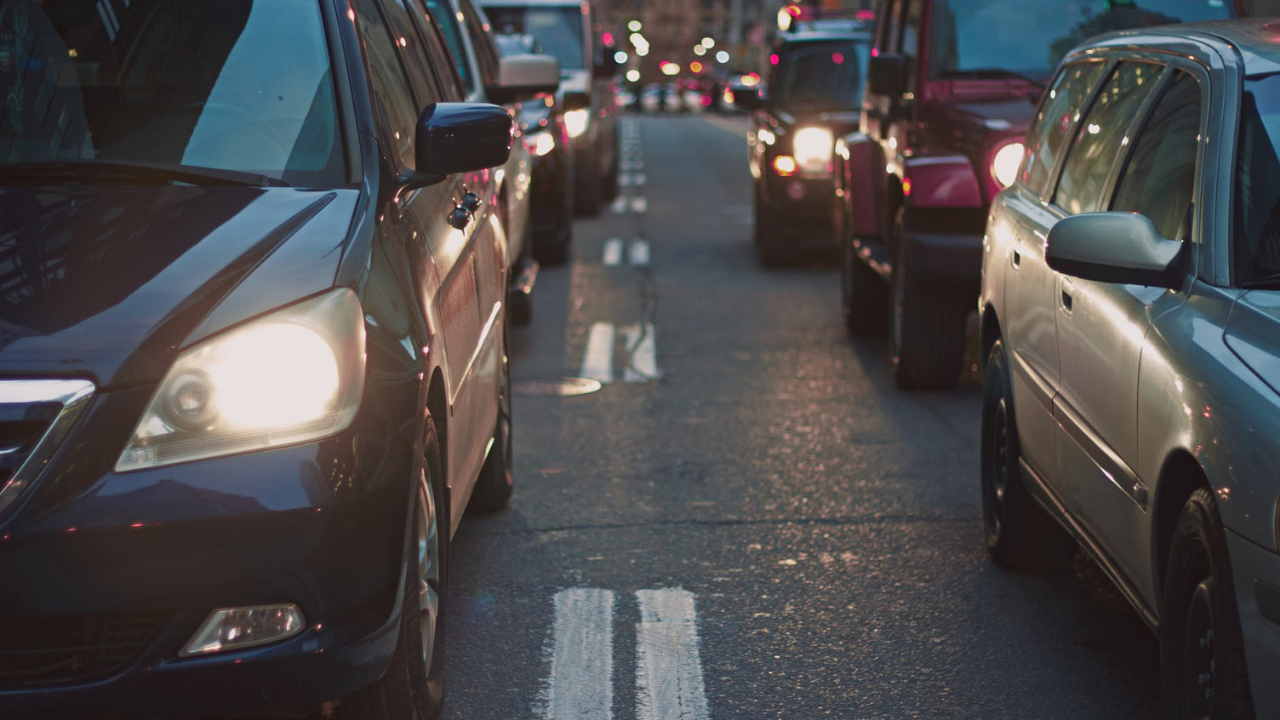
    Will we go back to pre-pandemic bumper-to-bumper traffic jams? Image courtesy of Life of Pix via Pexels.com

    Over the last year, Dublin’s city centre has gone through periods of being like a ghost town, with shops, restaurants, and retail outlets shut down, causing reduced traffic and nearly barren streets due to restrictions.

    Drivers, businesses, cyclists, and pedestrians are all competing for space in the city, and with the pandemic’s demand for outdoor spaces the competition for space is more prevalent than ever.

    The Covid-19 mobility plan has introduced new cycle lanes citywide, leading to movements like the Cycle Lane Action Group sprouting up to oppose road space being handed over to cyclists.

    Reducing the number of cars in the city isn’t anything new – before the pandemic, the installation of Luas tracks meant fewer streets in the city could be driven through. Dublin County Council’s city development plan has, since 2016, been working to make Dublin into a pedestrian and cyclist friendly city.

    If you do choose to venture into the city by car, the parking prices are often sky-high, with spaces ranging from 60 cent to a whopping €3.20 an hour.

    Is Dublin’s city centre destined to become pedestrianised, with public transport walking, and cycling being the only way to venture into the heart of the city? And is that such a bad thing?

    I asked the people of Dublin for their thoughts on the matter.

    “At 30km you’re barely moving. I understand safety but I don’t think it’s fair”

    Brian

    Earlier this month, the Love 30 campaign backed by Lord Mayor of Dublin Hazel Chu, sought to bring the speed limit of the city down to a blanket 30km/h in an effort to improve safety and reduce road accidents.

    However, while the campaign garnered some support it was also met with backlash from certain members of the public and some county councillors.

    The campaigners are now attempting to bring in a 40km/h, which will apply to roads like Dorset Street and the Clontarf Road.

    “At 30km you’re barely moving. I understand [it for] safety, but I don’t think it’s fair. The guy in the car now, the motorist, is being penalised for every single thing. People are paying high car tax and insurance, and I think they have a right to bring their car [into Dublin city] and pay exorbitant prices in car parks,” says Brian, a Dublin native.

    These streets belong to the pedestrian! Image courtesy of Jeshoots.com via Pexels.com

    This frustration is understandable for those working by car or van in and around the city. Changes in infrastructure over the last few years has already meant changing routes and a reduced speed limit, which can lead to further disruption of services and cause motorists frustration and stress.

    “The government and the councils have tried to get rid of cars and traffic from the city centre for long enough, some of us live areas not too far from the city who do not have an adequate public transport system”

    Brída

    What about those sharing the road with motorists, the people whose safety this campaign is trying to protect – would a lower speed limit make the city safer?

    “Absolutely, especially for cyclists as well. I know there’s a lot of talk ‘oh you know they’re not paying road tax’ but a lot of cyclists are motorists as well, and they cycle in the city. I’ve cycled on the ‘Tunnel of Death’ on Westmoreland street and it’s tricky enough, especially for cyclists but pedestrians as well,” says Jo, an avid cyclist who I met on Grafton Street.

    While there are some clear benefits to this proposal, it’s unclear if the Love 30 campaign will be robust enough to stave off its critics, and that plan may already be dead in the water.

    However, this campaign isn’t the only plan to change the city’s infrastructure.

    Minister for Transport Eamon Ryan and the department of transport have released a paper proposing that congestion charges should be implemented in Dublin and Cork city.

    This is in an effort to reduce carbon emissions by discouraging motorists from driving in the city – reducing traffic and air pollution.

    “Today is my first time in the city for god knows how long and I’ve just found it so easy to cross the road”

    Stephen

    “A lot of people already leave their cars in train stations and travel in by train,” says Graham from Dublin, who agrees with the idea of congestion charges.

    For pedestrians, less traffic around Dublin city is a nice prospect – especially when they’ve become accustomed to it after a year of lockdown.

    “Today is my first time in the city for god knows how long and I’ve just found it so easy to cross the road. There’s buses but there’s not so many cars, which I was surprised by because I thought people were genuinely back at work, and I’ve really enjoyed that, but then again I’m a bit of an introvert,” says Stephen.

    Apart from pleasing the pedestrians, the environmental benefits of congestion charges are clear, and can be seen by the success of cities like Stockholm.

    But, is the city ready for a change like this?

    “The government and the councils have tried to get rid of cars and traffic from the city centre for long enough. Some of us live areas not too far from the city that do not have an adequate public transport system. We’re not near the Luas, not near the proposed underground and we have an appalling bus system,” says Brída, a Rathfarnham native who feels strongly that the government should focus on improving public services before ridding the city of cars.

    It’s clear that something needs to change, and it needs to provide adequate services to the public while considering the environmental impact.

    If we are to tackle emissions in a meaningful way traffic needs to be reduced, but if the intention is to pedestrianise the city further, the public transport system may need a closer look.

  • Formula E: The fast and the eco-friendly

    Formula E: The fast and the eco-friendly

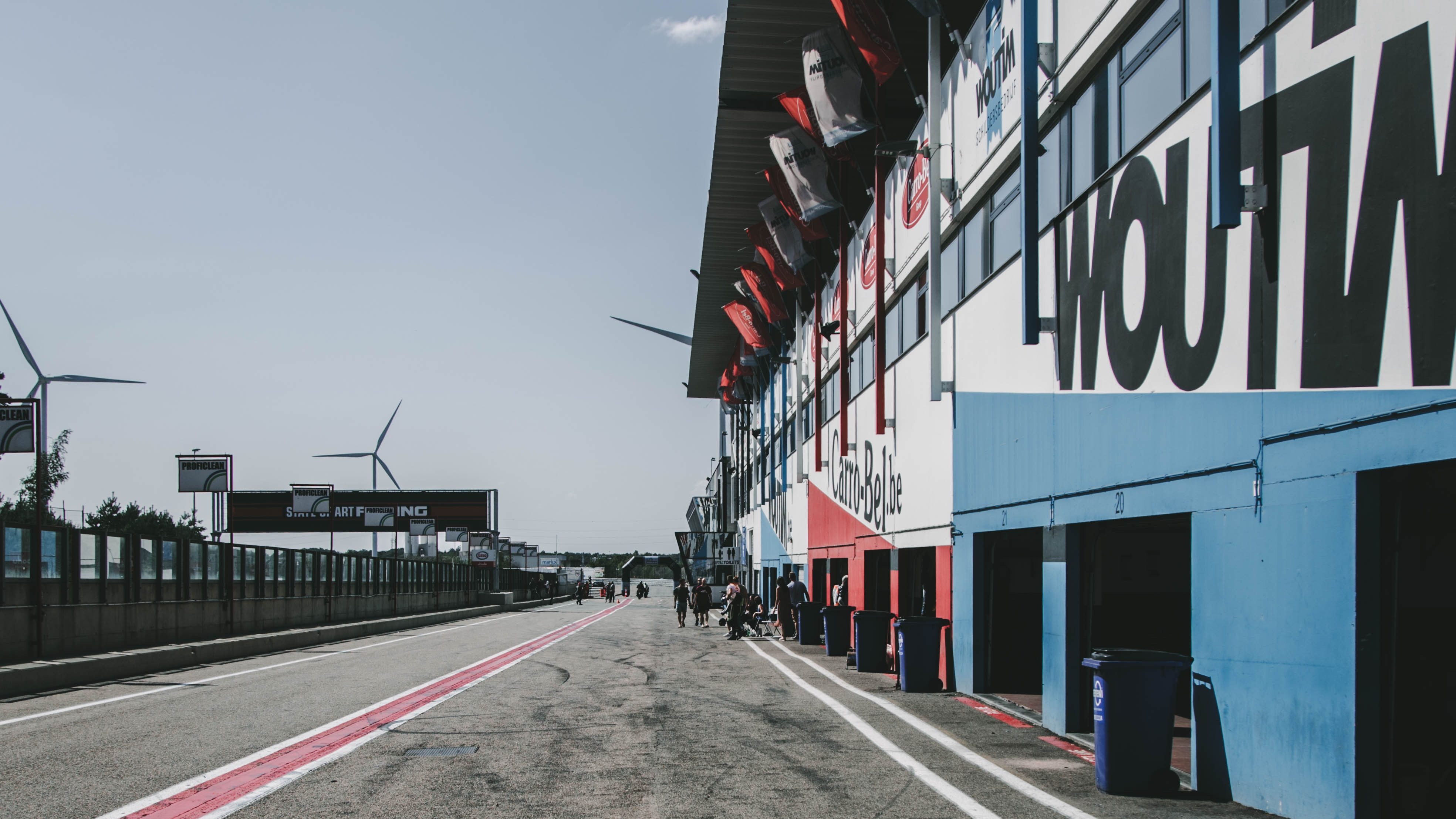
    High speed, low emissions. Is there a better answer than Formula E to a sustainable future for motorsports? Photo by Tom Verdoot via Pexels.com

    The idea of Formula E was conceived in 2011 in Paris when Spanish businessman, Formula E chairman Alejandro Agag and fédération internationale de l’automobile (FIA) president Jean Todt met in Paris to discuss the possibility of an all-electric international single-seater championship.

    Now in its eighth season, it shows no sign of it slowing down with new teams like Jaguar, Nissan, Porsche and Audi joining the championship in recent years and with new locations being added all the time.

    The official Formula E website proudly states that the founding mission of the sport was to “race through the streets of the most iconic cities in the world – with a grid full of the best racing drivers and teams around – to show just what sustainable mobility was capable of”.

    The cars used in Formula E are similar to those used in Formula One, the body style of the car is ostensibly the same, the key difference is, of course, the use of batteries rather than an engine. 

    Although the cars are slower, with a top speed of 280 km/h as opposed to 360km/h in Formula One, this can be seen as a small price to pay for an eco-friendlier motorsport. With constant improvements being made, Formula E could close the speed gap sooner rather than later.

    Back in 2017, Dublin made a bid to host an E-Prix with former Fine Gael TD Noel Rock advocating for Dublin’s inclusion in the racing calendar. 

    “Dublin would perfectly fit the bill for such a race, and it would make for exciting viewing,” said Rock.

    “I fully support Fáilte Ireland and Dublin City Council exploring the possibility of acting as a host city and I would expect that the Government would support such a bid if one was to be made in the future,” he continued.

    The benefits of Dublin hosting a Formula E event would have seen a boost in economic growth and tourism, along with the possibility of Ireland becoming a permanent location for the Formula E racing season. 

    Unfortunately, Dublin was overlooked for the race. Instead Marrakesh, Hong Kong, Rome, Paris, Berlin and many more reaped the benefits of the popular motorsport.

    The Formula E Ireland Fan Site gave some insight into the future of Formula E in Ireland “I kind of feel like we might have missed our chance with it. There was a thing a few years back about potentially holding a race here when the series was still finding its place.

    “After Battersea cancelled their contract, we could have had a chance to slip in and be the English-speaking race location on this side of the Atlantic, but the series has grown so much now and has cities all around the world looking into hosting and bringing FE to big, exciting locations.”

    So, as the motor sport continues to grow what will the future look like for Ireland with regards to the possibility of hosting an E-Prix? The Formula E Fan Site holds onto the hope that someday Ireland will host a race “honestly, I’d absolutely love it if I were proved wrong.”

    Currently, only one driver who hails from the island of Ireland has taken part in the Formula E championship – Portadown native Adam Carroll. 

    Carroll took part in the 2016-17 championship driving for team Jaguar and coming 21st in his solitary season in the motorsport.

    With the success of Formula E, Alejandro Agag has also gone on to create Extreme E which is a climate-conscious electric rally series. 

    This form of E-Motorsport could fit perfectly into Ireland as there is already an established rally scene across the country. However, time will tell as to whether Ireland will capitalise on the ever-growing world of electrical motorsports.

  • Eco-friendly and Irish: Sustainable shopping for Green Week

    Eco-friendly and Irish: Sustainable shopping for Green Week

    Founder and owner of Christine’s Upcycling, Christine Tyndall reuses old clothes to create fashion forward trends

    Now is as good a time as any to support Irish-owned businesses who are doing their part to save the planet. These shops not only sell high-quality products, but are environmentally friendly too. Here are my top three sustainable Irish businesses to celebrate and support this Green Week.

    Christine’s Upcycling

    This small business was set up at home in Dublin by Christine Tyndall in June of 2020. Some of the main pieces that Tyndall upcycles are men’s button-down tops and jeans.

    With her sewing machine, she learned to rework these articles of clothing into crop tops, bags and scrunchies.

    Tyndall also creates reusable face masks, including ‘scrap masks’ which piece together different spare bits of fabric to create a fashionable new design. This allows for zero fabric to go to waste as all of the pieces are being reused and re-worn again.

    Upcycling has become a huge trend over the last year. The basis of it is that the fabric from old clothes gets repurposed into new and trendier pieces. Redesigning these preloved pieces of fabric is environmentally friendly because it reduces landfill waste and slows down the fast fashion movement, as typically these pieces are one of a kind and made to order. 

    This year it was discovered that Ireland has the highest volume of plastic produced per person in the EU

    Fast fashion has become a buzz word recently – we have seen fashion consumption grow by 40% between the years 1996 and 2012, and 63,000 tonnes of textiles are disposed in landfills across Ireland every year. The fashion industry alongside fast fashion consumerism currently accounts for 10% of greenhouse gas emissions, which leads to issues relating to global warming and climate change.

    Supporting slow fashion brands and upcycling businesses, like Christine’s Upcycling, can reduce the amount of landfill waste and the greenhouse gases being released into the air.

    GROWN

    Begun in 2014, GROWN is a Dublin based brand and creates a range of products including clothing, reusable water bottles and other accessories.

    GROWN says its materials are ethically sourced: organic cotton, hemp, linen and recycled man-made fibres are used to create eco-friendly garments for adults and children. These fabrics, especially hemp and linen, are beneficial because they use less clean water and expose the materials to fewer pesticides to create fabrics that are better for the environment.

    Also, for every garment sold, GROWN plants a tree in county Wicklow from the profits made.

    63,000 tonnes of textiles are disposed in landfills across Ireland every year

    In addition, GROWN offer the option to purchase a tree to be planted. Their website displays a myriad of different trees to be purchased and planted by the business. From a  €25 blackthorn to a  €500 redwood tree, there is an affordable option to suit anyone who wants to give back to the environment.

    Planting trees is essential for the environment because they have a number of different benefits. They increase biodiversity as wildlife use them for shelter, and also they clean the air by absorbing toxic pollutants such as ozone and nitrogen dioxides.

    Tote Bags by Josh

    Established in September 2020 by Josh Evason, Tote Bags by Josh was set up for the student enterprise awards and has grown in popularity within the last few months. With over 62,000 likes on Tiktok, this small business in Galway makes quality reusable shopping bags, pencil cases and personalised prints. Some of the more popular designs include fine lined flowers, and motivational quotes. 

    Reusable tote bags are beneficial for the environment because they reduce the disposal of single use plastic bags. Plastic pollution is harmful for the environment as in 2017 and 2018, Ireland produced one million tonnes of packaging waste and this year it was discovered that Ireland has the highest volume of plastic produced per person in the EU. 

    Single use plastic leads to negative effects on the environment as eight million tonnes of plastic are dumped into the ocean every year and accounts for over 100,000 deaths of sea turtles and other marine life. 

    Protecting the planet from climate change can feel very daunting, but supporting these Irish sustainable businesses is a step in the right direction. Through changing little habits, such as wearing pre-loved clothing and using reusable tote bags, we can all do our part to be more ecologically responsible.

  • Road traffic falls by 55% during second lockdown

    Road traffic falls by 55% during second lockdown

    Data collected by the Central Statistics Office (CSO) shows that traffic volumes for the week commencing the 25th of October were 55.4% lower in regional locations and 51.3% lower in Dublin than the same week in 2019. Erica Carter explores the environmental impact of less cars on the road.

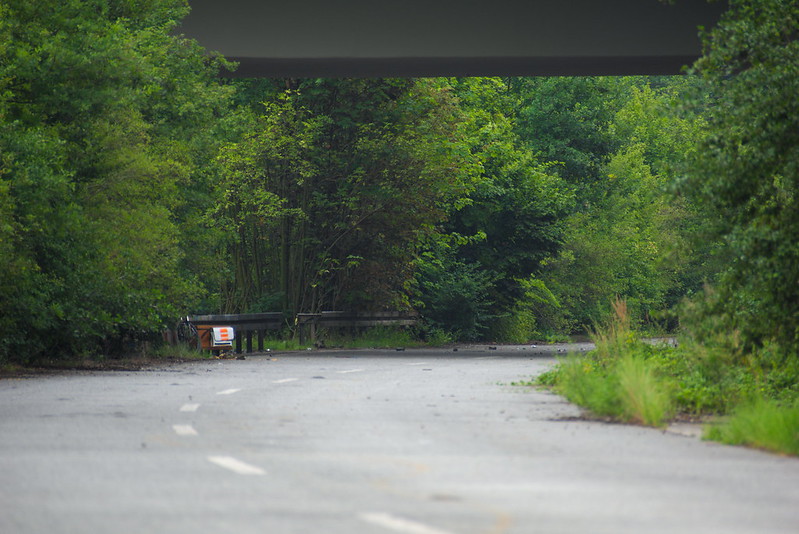
    Photo taken by Bertram Nudelbach. Sourced from Flickr.

    This was the first edition of the transport bulletin since the introduction of Level 5 restrictions in Ireland on the 22nd of October. The impact of the increased restrictions can be seen in car traffic data throughout Dublin and other regional sites. The latest car traffic data available, for the week commencing the 25th of October, indicated that traffic volumes at the Dublin sites measured, were 51.3% lower than the corresponding week in 2019.

    In the figures below from the CSO, we can see that road traffic in both Dublin and the rest of the country has been significantly lower than last year. This decline is due to current lockdown measures, and as a result an increase in the amount of people working from home. 

    The data collected also shows a large decrease in the amount of people using public transport. The use of bus and rail services has fallen significantly since the introduction of Level 5 restrictions in Ireland on the 22nd of October. The total number of bus and rail journeys taken during the week commencing 25th of October was a quarter (25.3%) of that taken in early March. The number of bus journeys outside of Dublin now stands at 27.1% of pre COVID-19 levels. The corresponding level for bus journeys within Dublin is 28.1%.

    But what is the environmental impact of less cars on the road this year? According to data compiled by the Environmental Protection Agency in 2017, just under 20% of Ireland’s greenhouse gas emissions are due to internal transport. Road transport amounts to the bulk of these emissions.

    Phillip O’Brien, Secretariat for the Climate Change Advisory Council, highlighted that despite the huge fall in traffic this year, after the first national lockdown, traffic went back up to similar numbers to last year, and that the lower traffic numbers will likely not make any long term difference.

    “I fully expect that come December, we’ll see ourselves back up to the same levels as usual,” said O’Brien. “This is not a long term change and we haven’t reformed our driving habits.

    “When we get back out on the roads, we will slip back into the same habits – they may even be worse because people have been cautious to use public transport because of perceived higher risk to catch the virus.”

    “We do need policy to get our emissions reduced over the next decade,” he said, “but we want it to be planned.

    “This is not the way to reduce our emissions; taking cars off the road and infringing on people’s mobility. That is not the way forward. The goal is that people have the same amount of mobility, and can still move around, but that there are less emissions associated with it.”

    O’Brien also suspects that the energy use from people working from home could potentially balance out the lack of cars on the road. “People at home would be using more energy than usual – heating an office for ten people is more efficient than heating ten people’s homes separately.”

  • ‘If they want us in power, they’re going to have to do more than greenwashing us’ – Reactions to FF/FG’s letter to the Green Party

    ‘If they want us in power, they’re going to have to do more than greenwashing us’ – Reactions to FF/FG’s letter to the Green Party

    Eamon Ryan, leader of the Green Party (Photo: GreenParty.ie)

    The Green Party is set to hold a teleconference to evaluate their official response to Fianna Fail and Fine Gael’s letter, which answers the 17 questions posed by the Greens regarding policy promises. TheCity.ie’s Kate Brayden speaks to County Clare Green Party councillor Roisin Garvey and Futureproof Clare about the vital Shannon LNG concession, and the 7% emissions target urged by the United Nations.

    In a letter published this week inviting the Greens into further governmental talks, FF and FG wrote that they “welcome the desire of the Green Party to be involved in recovering, rebuilding and renewing Ireland in the aftermath of the COVID-19 Emergency” and respect the “strong policy platform” outlined by the Greens, led by Eamon Ryan.

    Crucially, the two parties stopped short of promising a 7% emissions reduction target by 2030 – despite the fact that the EU have said the minimum reduction needed is 8% to remain outside of the 1.5C temperature increase. The target is based on the 2019 “Emissions Gap” Report from the UN Environment Programme.

    Ireland releases about 60 million tonnes of greenhouse gases each year, roughly broken down into 40 million tonnes from energy (electricity, heat and transport) and 20 million tonnes from agriculture. The country’s current annual reduction is just 3%, with The Climate Change Performance Index ranking Ireland 48th out of 56 countries for our negligent policies.

    In the document, it was written that FF and FG “would like to understand and tease out with you through talks, the specific actions that would have to be taken to achieve” the 7% reduction. 

    “We all need to understand the impact it would have on employment, poverty, agricultural practice, public transport, regional development and on the different sections of society.

    “Considerable work will have to be done to outline where and when further carbon reductions could or should come from given that we will have to significantly reboot and revive the economy,” they wrote. 

    Chair of the State’s Climate Advisory Council, Professor John FitzGerald recently commented that achieving a 7 per cent reduction in annual emissions would be extremely difficult but said: “If you do the groundwork…you could get to it in the second half of the decade.”

    The Greens emphasised the need for a just transition in their 17 point plan, which advocated for a Universal Basic Income, retrofitted public housing, affordable public transport and a significantly improved healthcare system, among others. Major changes in agriculture, public transport and energy would provide the means for the reduction in emissions.

    Despite the estimated €30 billion cost of the Covid-19 pandemic, the chair of the National Advisory Council on Climate Change has affirmed that Ireland needs to prioritise investment in climate action going forward. New research undertaken by University College Cork’s MaREI Centre for Energy, Climate and Marine states that the party’s 7% emissions reduction goal would require “transformative changes” and huge costs, but is a feasible challenge.

    ‘Is the new Green Party emissions reduction target feasible and what would it mean for the energy system?’, written by Hannah Daly, James Glynn & Brian Ó Gallachóir, asserts that the changes could bring significant health, wellbeing, economic and employment benefits to society.

    The Fianna Fáil and Fine Gael leaders committed to enacting climate legislation within 100 days of forming a government, but this legislation could fail to be implemented. The Greens are seeking concrete answers for their detailed questions on exactly how their policies would be enacted should they enter into Government with FF and FG.

    “If they want the Greens in power, they’re going to have to do a lot more than greenwashing us – there’s going to have to be proper commitment,” said Roisín Garvey, Green Party councillor in County Clare. 

    “We’re not tied to five years: Fine Fael and Fianna Fail really need us, because they know that if there’s an election now, they’d be crucified. Now is time to try and get policies we want, not just the promises that we want,” Garvey added.

    County Clare Green Party Councillor Roisín Garvey (Photo: GreenParty.ie)

    “I think Fianna Fail and Fine Gael know that, and they also know that there’s going to be huge fines from Europe if we don’t meet our targets. So I think now is a very good time for us to be in negotiations. We have a much better chance now than when we went in with Fianna Fail in 2008, when there were only six TDs. The climate crisis wasn’t being taken seriously by anybody. 

    “The fact that we have 12 TDs now since the General Election shows that it is an issue – that’s an unprecedented amount. However, FF and FG are just agreeing things in principle to get us into negotiations. But Eamon Ryan’s been around the block before, he’s not naive about it. Those 12 TDs have been in politics for a long time: they’re definitely going to be committed to getting proper timelines.”

    It’s important to note that in 2007, six Green TDs entered Government as the junior party in coalition with Fianna Fail. The party were later decimated four years later, suffering a wipeout in the General Election and losing all six of its seats. The party returned to the Dail in 2016, receiving just over one percent of the vote in local election.

    Today’s Green Party are heavily split over whether to prop up a FF/FG Government, which younger voters categorically don’t want. Younger members and outliers believe that the radical change needed simply cannot happen with FF and FG. The dramatic 2020 General Election, which saw Sinn Féin emerge with 33% of the overall vote, proved that real change is desired following years of homelessness, housing and rent crises and a deeply worrying healthcare system. The Greens are now between a rock and a hard place, facing strife for entering a FF/FG coalition and political backlash if they refuse to. What they choose now could decide the future of the party by turning their youth vote away (possibly to Sinn Féin) – but the climate is on a timer. Could they pass climate action policies with two parties who are notorious for their abysmal apathy on climate justice.

    Shannon LNG: concrete concession or vague promise?

    Stating that both parties are “committed to a pathway to phase out all fossil fuel exploration licenses”, FG and FF also claim to be open to introducing a moratorium on exploration licences for offshore gas exploration. Referring to the controversial Shannon LNG project, which would import dangerous fracked gas from Pennsylvania, the letter states:

    “Both of our parties accept that as we move towards carbon neutrality, it does not make sense to build new large-scale fossil fuel infrastructure such as liquid natural gas import terminals.”

    FF and FG mention that economic activity must be stimulated in the areas which were expecting local development plans, and exploring how strategic investment in the Shannon estuary and port infrastructure could support renewable energy.

    William Hederman of Futureproof Clare, speaking to TheCity.ie, mentioned that zero room for loopholes must be allowed by the Green Party if they want to ensure that no LNG terminals or fracked gas imports will go ahead in future:

    “A crucial first step is for the new government to tell the European Commission that Ireland wants Shannon LNG taken off the EU’s projects of common interest (PCI) list.

    “For Fine Gael and Fianna Fáil to accept that it does not make sense to build LNG import terminals is a huge milestone. It is the result of years of grassroots campaigning, particularly in Kerry, and also here in Clare, that has grown into an international coalition against Shannon LNG,” Hederman continued.

    “However, the language used by Leo Varadkar and Micheál Martin is vague and looks like they are trying to leave wriggle room. We must keep pressure on them to translate this statement into a firm commitment. Building new infrastructure such as this would lock Ireland and the EU into fossil fuels for decades, when we need to be rapidly transitioning to renewables in order to avoid catastrophic climate breakdown.”

    Fianna Fail and Fine Gael wrote that they “would need to have a shared understanding of what is meant by new fossil fuel infrastructure, what type scale does this relate to, and whether this proposed ban would apply to
    State infrastructure or to private sector infrastructure as well.”

    Stating that they would need a “clear understanding” of the State’s powers in this area and the limitations of European law, as well as international treaties, but removing Shannon LNG from the EU’s Projects of Common Interest list is very much possible.

    Extinction Rebellion poster during the 2020 General Election (Photo: Instagram)

    Speaking on the list, Roisín Garvey chastised the two parties on their unwillingness to face the realistic possibilities of climate action policies.

    “Fianna Fail and Fine Gael act like we can’t do that – but sure we all know that’s not true. They shouldn’t play us as fools. FF/FG need us more than ever, because we can bring back jobs, we can save people money in how they run their houses through retrofitting, we can put money into transport instead of cars; this is now a really good time for them to hear us out.

    “We’ve seen it happen in other countries. There have been hugely successful policies in Denmark and Scandinavia and Germany – lots of places have figured out their education, their housing, their transport: we don’t have to come out with these ideas all by ourselves. They’ve been around for years, that’s why the Greens exist, because we’ve all seen it done.”

    The 12 Green Party TDs and two Green Senators will hold a second teleconference meeting this week to evaluate their response to the joint Fianna Fáil and Fine Gael letter inviting the party into formal talks.

  • Real Christmas Trees: Are they better for the environment?

    Real Christmas Trees: Are they better for the environment?

    By Amy Connaughton

    Amidst calls for people to live more sustainably and with the climate crisis not showing any signs of slowing down, this Christmas many people may be left wondering, which tree is better for the environment, real or fake? With many factors to consider, it turns out the answer is not as simple as you might think.

    In a recent survey of 100 participants carried out by TheCity.ie, it was found that 69% of people will be using a fake Christmas tree this year, while 31% will be using a real tree.

    A huge 91% of people think that buying a fake tree and reusing it every year is better for the environment, while only 9% of people believe that buying a real tree every year is better.    

    Out of the 9% of people who believe that buying a real tree each year is more environmentally friendly, 30% of these people will be using a fake tree this Christmas.

    According to The Carbon Trust, a two-metre tall real tree will have a carbon footprint of just 3.5kg of carbon dioxide (CO2). However, this is only if that tree is disposed of through a wood chipper. If the tree is thrown away and ends up in a landfill, the carbon footprint increases hugely to 16kg CO2.

    For two-metre fake trees, the carbon footprint is a whopping 40kg of CO2. Though this figure makes it seem like getting a real tree each year is the smarter option, Carbon Trust says that if you re-used an artificial tree for 12 years it would make the carbon footprint greener than a real tree that was put in a wood chipper.

    However, how you dispose of your tree is not the only deciding factor on how environmentally friendly it is, manufacturing is also a factor to consider. Fake trees are made from plastic and are usually shipped over long distances, mostly from China.

    Another thing to consider is that real Christmas trees absorb large amounts of carbon dioxide from the atmosphere which is good for offsetting global warming, whereas to mass-produce artificial trees, factories emit huge amounts of industrial emissions into the atmosphere which only adds to the problem of global warming.

    So what is the answer? If you already use an artificial Christmas tree, try and re-use it for at least 12 years. However, it would seem that the greener option is to buy a real tree every year and recycle it through a wood chipper or re-pot it in your back garden so that it can be re-used every year. This way, the tree would have negligible or even negative emissions.

  • The plight of bees: fighting pollinator loss

    The plight of bees: fighting pollinator loss

    By Aidan Coyle

    The plight of bees and other pollinators has been well documented in the media in recent times. However, one local area has begun to take steps to ensure the protection of its pollinators.

    Dún Laoghaire Rathdown County Council has implemented a string of measures in an attempt to become more pollinator friendly. TheCity.ie spoke to Anne Murray, the Council’s Biodiversity Officer: “Here in Dún Laoghaire Rathdown, we have altered our landscape management of green verges along roads, along stream sides and within our parks to create areas for pollinators and other wildlife.

    “We have also planted fruit trees and orchards in some parks to provide additional pollinator opportunities and we have reduced our chemical use in relation to weed control. Our Slow to Mow Campaign aims to encourage resident groups who manage green areas and also residential gardens to manage areas for pollinators,” Murray said.

    Pollinators play a major role in the Irish economy, but their existence in the country is under serious threat. Dr Úna Fitzpatrick from the National Biodiversity Data Centre said: “Pollinators, especially bees, make up a vital part of Ireland’s biodiversity. Unfortunately, Irish pollinators are in decline, with one third of our 99 bee species threatened with extinction.

    “Without pollinators it would be impossible for farmers or gardeners to affordably produce many of the fruits and vegetables we need for a healthy diet. Pollinators are also vital for a healthy environment and landscape.”

    A recent study released by the Environmental Protection Agency (EPA) looked at the impact that pollinators have on the environment and how vital they are for Irish agriculture. According to the report, food and drink production along with food processing accounted for 7.7% of the goods and services produced by Ireland’s economy in 2018. 173,000 people are employed in these sectors and they amounted to 10% of all Irish exports. 

    Anne Murray echoed the results of the study which described the economic benefit that pollinators give to the Irish economy. She said: “The annual value of pollinators for human food crops has been estimated at €153 billion world-wide, and at least €53 million in the Republic of Ireland.”

    The report estimated the effect a total loss of pollinators would have on both crops grown in Ireland and those which are imported into the country from abroad. Value of imports, value of exports, production quantity and net trade were all factors that were examined.

    Source: Assessing Market and Non-market Values of Pollination Services in Ireland (Pollival)

    The report, which examined 62 different crops, featured the above chart showing the five most valuable animal-pollinated crops to the Irish economy as a proportion of all animal-pollinated crops consumed in the country. It found that for both imports and exports, apples are the crop that will be most impacted.

    Apples take up 23% of the market share followed by cocoa beans with 17%. Soybean oil and green coffee were both valued at 7% and rapeseed oil occupying 5%. The remaining 57 crops are responsible for the rest of the economy.

    Dr Fitzpatrick is responsible for coordinating the All-Ireland Pollinator Plan which has set up a series of initiatives to try to help pollinators around the country. She works with farmers, businesses, schools and communities to try to ensure the future of pollinators in Ireland is safely secured. 

    Dr Fitzpatrick said: “The All-Ireland Pollinator Plan is a call to action to all of us. Yes, bees are declining, but we know exactly what we need to do to reverse these declines, and the actions needed are very doable and will show results almost immediately.

    The biggest threat to pollinators in Ireland is a lack of flowers for food and safe nesting sites across the country. They need natural green spaces to thrive. Dr Fitzpatrick said: “If you’re a pollinator, finding enough food is the greatest challenge you face. In increasing our green spaces, we not only help pollinators, but biodiversity generally.”

    Initiatives like those in Dún Laoghaire Rathdown can go a long way towards safeguarding the future of our pollinators. Anne Murray said: “Flying from flower to flower and transferring pollen along the way, pollinators have had substantial historic, economic, social and cultural impacts in our world and they provide an ecosystem service that is vital to humans.”

  • How To Save The Planet

    How To Save The Planet

    By Paula Bowden

    In a year where climate crisis was named the official Oxford English Dictionary word of 2019, a solution to the environmental emergency is needed more than ever. But with phrases like single-use plastic and carbon emissions now entering mainstream conversation, it can be difficult to know exactly what steps to take and what advice to follow when it comes to saving the planet.

    Enter Luke Eastwood.

    In his latest book How To Save The Planet, author and environmental activist Luke Eastwood attempts to outline how we’ve gotten to the current environmental state we are in and how we can attempt to control the effect our lifestyle has on the planet, all in 10 simple steps.

    “The earth is in a lot of danger at the moment from humanity and you know everyone kind of knows that but it doesn’t seem to stop people just getting on with their lives,” said Eastwood. “It’s like everyone is waiting for someone else to make the first move and do something.

    “You know when you go to a dance and nobody dances, and then eventually someone is brave enough to get up and go and dance, and then everybody else gets up. It’s kind of like that,” said Eastwood. “I think humanity is standing around a dance floor and waiting for someone to actually get up and start doing it. In the meantime, the place is on fire and it’s just getting worse.”

    Author and activist Luke Eastwood
    Source: lukeeastwood.ccom

    In his new book, Eastwood sets out 10 simple steps to be followed in order to live a more environmentally friendly life, some of which include: stop buying stuff you don’t need; become flexitarian, vegetarian or vegan, and have zero, one or two children. Sounds simple, right? In reality, a fear of failure holds many people back from even attempting to change their ways when it comes to being more sustainable.

    “It’s really not that hard,” said Eastwood. “All these things are things that we can change straight away, we could all change them tomorrow if we wanted to. It’s just a matter of saying that’s a good idea I’ll do that.

    “I first got involved with Greenpeace when I was 19 or 20 and I was going out and volunteering for things and people sort of knew a bit about stuff then, but when Greenpeace started we were all perceived as weirdos and now it’s a lot more respected. But I still don’t think it has changed what people actually do in their everyday lives.

    “People think ‘aren’t Greenpeace great’ but then when it comes to their own actual lives it may not have changed anything that they actually do. And my argument is that sitting there waiting for the Government or Greenpeace or whoever else to fix everything is not going to work. We all have to actually do stuff ourselves.”

    Extintion Rebeliion protestors
    Credit: Paula Bowden

    Following on from their week of rebellion in October, climate action/agitation group, Extinction Rebellion have been garnering more and more support in Ireland and around the globe. Their brash style of protest and use of non-violent civil disobedience certainly makes headlines, but some critics worry that their disruptive approach risks alienating the average climate concerned citizen.

    Eastwood is the regional coordinator for Extinction Rebellion Kerry. As well as taking part in last month’s week of rebellion, the Kerry-based group are also focused on protesting the government’s support of a proposed Liquified Natural Gas (LNG) import terminal to be based in Kerry. Eastwood says the group is now focused on moving away from disruption and inconvenience, in favour of education.

    “Some people are very violently opposed to Extinction Rebellion’s type of protest and then some people seem to be a bit more sympathetic. I think the danger is that if you inconvenience people too much they will turn against it. I think there are maybe better ways of protesting that don’t have to involve huge levels of inconvenience,” he said.

    “Having now established itself, I think a less adversarial approach would be something that would get people on-side rather than alienate them.

    “It was necessary at the beginning to put Extinction Rebellion on the map, to get people to wake up and listen and to notice because people have been talking about this since the 80s when I was a kid,” he continued. “They were saying ‘oh the Amazon is going to get destroyed’ and ‘if we don’t do something about emissions then it’s all going to be a disaster’, but here we are 40 years later and it’s still the bloody same,  nobody listens and nobody cares.”

    Half of all the proceeds from Eastwood’s book will go to Greenpeace, an organisation which he champions for tackling climate issues head-on.

    “Extinction Rebellion is, from what I can see, quite well-funded, and what Greenpeace are doing all over the world is actually specifically targeting world problems, rather than the actual idea of it,” said Eastwood. “Greenpeace will target whaling or pollution in China, the actual causes that are happening right this minute.

    “I think they’re fantastic because they do achieve results with the pressure they apply. So I’m very happy to give them some money towards that and I think it’s important for me. I don’t want to feel like this hypocrite that’s done this wordy book and then keeps all the money for himself.”

    How To Save The Planet is also printed on 100% Recycled paper.

    How To Save The Planet by Luke Eastwood

    “The printing industry is so polluting and so wasteful, people would be shocked at how wasteful it is,” said Eastwood. “If I want to stick to my principles then it has to be done the right way and not just a quick fix. It actually cost a lot more but I don’t want to be a hypocrite.”

    Eastwood hopes that people who buy the book will share it or give their copy to others when they’re finished to continue spreading his message of sustainability.

    “My main thing is to encourage people to do something,” said Eastwood. “I‘ve said in the book that if you finish this book and then just put it down and carry on the same, then I’ve failed my mission.

    “What I’m trying to do is to convince people, even if it’s just a small bit, to improve the way they live, to be more mindful of the planet and the effects we’re having. What we do now will probably affect the next millennium. So I’d just like people to be more mindful about their choices because we can’t really afford to get this wrong.

    “If we mess this up there might not be another century after this one with people in it.”

    How To Save The Planet is available to purchase in both paperback and eBook. For more information head to http://www.lukeeastwood.com/