Tag: Food

  • A match made in TUD: When flowers are no longer enough

    A match made in TUD: When flowers are no longer enough

    Technological University Dublin’s African society Valentine’s event represents love beyond just romance and serves as a medium for promoting cultural integration.

    By Samuel Adeleke

    Photo credit: Samuel Adeleke

     With Valentine’s Day around the corner, a time often seen as a period to show and express love, TUD African Society brought the celebration early by organizing a Valentine’s event on 10th of February, at Bst259 Bolton Street.

    For Sharon Ojuade, President of the TUD African society, the theme of ‘A match made in TUD’ was not chosen for love and romance alone.

    “With this event, we aimed to create a relaxed and comfortable environment where people from the same background, different backgrounds, and experiences gather in one room, enjoying the atmosphere,” said Ojuade.

    In organising the event, the committee also sought the support of student entrepreneurs who offered services or provided freebies to participants in an African style.

    This included DJs, photographers, MCs, and the types of foods to be served.

    “Events like this give people a sense of belonging and serve as an avenue to promote student entrepreneurs from Africa and allow them to thrive,” said Ojuade.

    “Before the world loves you, your community must also love,” she added.

    The committee has experienced a record number of ticket sales for the event. For the president, it is inspiring to see that they live in a country with a strong sense of community.

    “Just because we live here doesn’t mean we shouldn’t have fun moments; people should still pursue what they need to pursue outside the community,” said Ojuade.

    Although it is an African society gathering, the event is open to other nationalities. “The first person to get a ticket for the event is an Asian. He reached and said he wanted to be part of it.” said Ojuade.

    According to Divine Nebo, the social director of the society, “the event is not just about finding love, it is about finding people who are like you to bond with on a different level.”

    And by extension, the theme of the event, ‘A match made in TUD’, is to show that love can be found anywhere, not just in school, but in environments like this, outside of social media.

    With students outside the African community feeling the pull of the event, Divine said, “the event is not only about Africa, but expressing the depth of African culture to non-Africans to see what African culture is about, beyond what social media portrays.”

    John Ologunlola, the event manager, also collaborated and highlighted the potential of the event to serve as a platform for non-Africans to experience African culture.

    “Even though they might not fully understand the African culture in its entirety, it is a valuable learning process,” said Ologunlola.

     Ologunlola mentioned that, as a Nigerian, he is learning more about the African culture and finding expression in the community alongside other African nationals, including Ghanaians and Congolese.

    With students like River Rogers, who is half Irish and half Polish, the intentions of the TU African society executive came to light.

    “It is my first time being in an African event,” Rogers said. “I am not African, but I can still attend and make some new friends,” he added.

    Not only did Rivers find the Afrobeat songs being played amusing, but he also left with the intention of trying an African dish. “I definitely need to try the African jollof rice,” he said.

    Mark Ologunlola, a former executive of the society, commended the event as a brilliant way of promoting cultural pride.

     “Events like this help people develop real relationships, and give people a picture of what love is,” he said.

     Ologunlola expressed excitement at seeing other people at the event, “no matter what part of Africa or the world you come from, we are all one body.”

    While the event promotes communal love, in a friendly society that helps people socialise, Nicole Okerikre, an African national from Nigeria, who participated in the event as a contestant, said, “This is a period of love, but people should find love in themselves first.”

    Denoting that self-love is non-negotiable.

    For Jaeson Jang, an Asian, ‘A match made in TUD was not just a Valentine’s event, but an opportunity to find expression among people of other cultures.

    “The African culture is amazing, I feel like family, I feel welcome. Everyone is enjoying themselves; no one feels lonely,” Jang said.

    Jang’s experience underscored the aims of the TU African Society to promote an atmosphere where joy, laughter, and love are shared without identity being a barrier.

    “Everyone can integrate into every culture; you only have to do it respectfully,” said Jang.

    By the end of the night, a match was indeed made in TUD as the event ended with Jaeson Jang from Asia and Nicole Odunsin from Africa emerging as winners.

    It was a reminder that love in its most powerful form goes beyond just being African or giving flowers; it is in identifying with people from other nationalities and embracing a sense of community.
     

  • “I Would Rather Die Here Peacefully, than be Killed There” – South Africans Living in Direct Provision on Hunger Strike Outside Dáil

    “I Would Rather Die Here Peacefully, than be Killed There” – South Africans Living in Direct Provision on Hunger Strike Outside Dáil

    By Jamie Ryan 

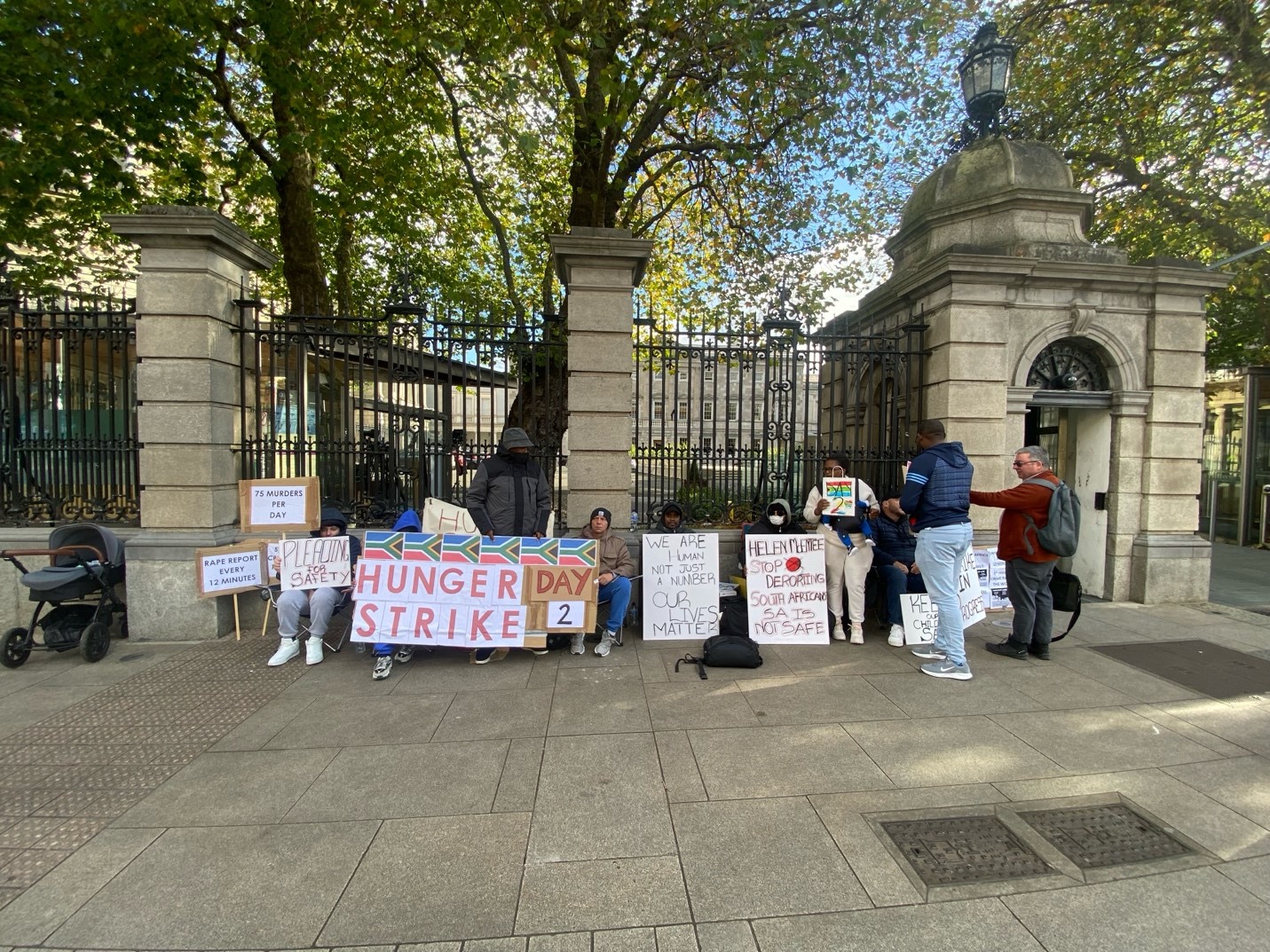
    Since Monday 21 October, these South African men and women who are living in Direct Provision have gone on a hunger strike in the hopes that the Irish Government will reconsider having South Africa listed on Ireland’s ‘Safe Countries’ list.  

    The EU and Irish Government define a ‘safe country of origin’ as a country in which: “there is generally and consistently no persecution, no torture or inhuman or degrading treatment or punishment and no threat by reason of indiscriminate violence in situations of international or internal armed conflict.” 
    Neels Heystek – a South African that are taking part in the hunger strike. Heystek told TheCity.ie his daughter is suffering from PTSD and is having regular panic attacks at school as a result of what has happened to their family in South Africa.

    “This is our last resort now.”

    Neels Heystek
    Passersby and sympathisers have donated water to the hunger strikers.
    On the otherside of Dáil Éireann’s gates, was a protest held by Irish Healthcare Workers for Palestine. Some of these protesters came over to the hunger strikers in support when a far-right agitator arrived.
    The Irish Healthcare Workers for Palestine lending their megaphone to the South African hunger strikers to drown out the far-right heckler. 
    A collection of the protester’s signs 
    • ‘Rape Report every 12 minutes’ 
    • ‘75 Murders Per Day’ 
    • ‘Pleading for Safety’ 
    Hunger strikers displaying their respective signs telling those passing by why they are on hunger strike.
    One of the protesters, down on their knees sticking together another sign for passersby and government officials coming through the gates of Dáil Éireann to see and take notice of.
    Brian Mogotsi is another of the hunger strikers.
    He is taking part in this protest in the hopes that the Government will engage in a dialogue with South Africans that are living in Direct Provision to reconsider their position on deeming South Africa as a safe country

    “I fled South Africa in need of safety.” 

    Brian Mogotsi

  • TU Dublin’s association with Aramark catering

    TU Dublin’s association with Aramark catering

    By Sean Cuttle

    (Photo via Wikimedia Commons)

    On 4 June 2020, David Fitzpatrick, condemned all forms of “structural racism and discrimination in the strongest terms” in an email sent to students and staff. 

    Aramark Ireland holds the catering contracts for TU Dublin, and operates a number of popular food services operations, including Avoca cafe. As well as serving your iced latte in the morning, or your cottage pie at lunch, they also operate three direct provision centres in Ireland: Kinsale Road in Co. Cork, Lissywollen in Co Westmeath, and Knockalisheen in Co. Clare.

    TU Dublin has paid Aramark €2.2 million since 2015 for catering and food services across its City, Blanchardstown, and Tallaght campuses. In 2018, Aramark were paid over €56,000 for providing catering at graduation ceremonies alone and a further €280,000 for catering at internal events.

    Aramark Ireland owns nearly 50% of the market share of the food services industry in Ireland, with a number of subsidiaries operating under different names. The company is the Irish arm of the international Aramark behemoth — a global catering, cleaning, facilities, energy, property management and retail firm — which provides catering services for a large portion of the American prison system.

    The Immigrant Council of Ireland described direct provision as one of the few remaining cases of structural racism and many campaign groups have called it the “Magdalene Laundries” of the 21st century.

    Direct provision centres across the country have come under fire for their poor living conditions and lack of investment in improving their facilities, despite the substantial payouts by the state. A report commissioned by the Irish Immigrant Support Center (NASC) back in 2011, found the food served in a number of direct provision services was bland and lacking in nutrition. It also found that portion sizes were far too small.

    Aramark’s direct provision centre in Knockalisheen also received media coverage when a story emerged that a mother had been denied a slice of bread and some milk to feed her sick child because the staff had been instructed by management not to serve food outside the designated meal times.

    Regular inspections are conducted by the Reception and Integration Agency (RIA), the agency responsible for direct provision in Ireland, with the most recent reports from 2018 until 2020 currently online.  

    Most recently, the biggest issues noted by inspectors were around fire safety with cooking equipment and covered smoke detectors found covered in several bedrooms. Aramark said it has addressed the issues raised.

    Aramark, which trade as Campbell Catering LTD, received €6 million in 2018, and €6.5 million in 2019 from the Department of Justice for the operation of direct provision. Aramark Ireland reported €352 million in turnover in 2018.

    The tender records for TU Dublin’s catering contracts, also released under freedom of information, contain some of the criteria that Aramark needed to meet to be eligible for the contract. A turnover of €2.5m each year for the past three years and the completion of between two and five successful contracts of a similar size and scale were both required. Despite the document’s suggestion that smaller companies are encouraged to “explore the possibilities of forming relationships with other SMEs or with larger enterprises”, this criteria makes it very difficult for smaller catering companies to be awarded contracts.

    Aramark was chosen following the tender process because it was considered the “most economically advantageous” contractor that applied. There is no mention of Aramark’s other business interests as a consideration in the tender process.

    TU Dublin did not answer direct questions about their relationship with Aramark, and issued a statement that the university considers tender submissions “in conformance with the requirements of Public Procurement Policy and is not in a position to exclude bidders on the basis of their contracts with other third parties either in the public or private sector.”

    The National Public Procurement Policy, is a framework laying out the policy that governs the tender process for contracts offered by public bodies or private companies with more than 50% public funding. This legislation is a combination of national and EU law.

    The PPP currently only allows for exclusion of potential tenders if there is evidence of Corruption, organised crime, human trafficking, terrorism, fraud or money laundering. It does not allow for the exclusion of a contractor on any other grounds.

    Aramark Ireland declined could not be reached for comment.

    CORRECTIONS:

    Knockalisheen is in County Clare, not Limerick, and Lissywollen is in County Westmeath, not Meath, as previously stated.

    A previous version of the article cited inspection reports from 2013 to 2017 on the Knockalisheen facility. The currently available reports are from 2018 to 2020 and do not cite major issues around cleanliness.

    Aramark Ireland owns nearly 50 per cent of the market share in the Irish food services sector, not 50 percent of the businesses in it.

  • Packing plastic: The rise of zero-waste shopping

    Packing plastic: The rise of zero-waste shopping

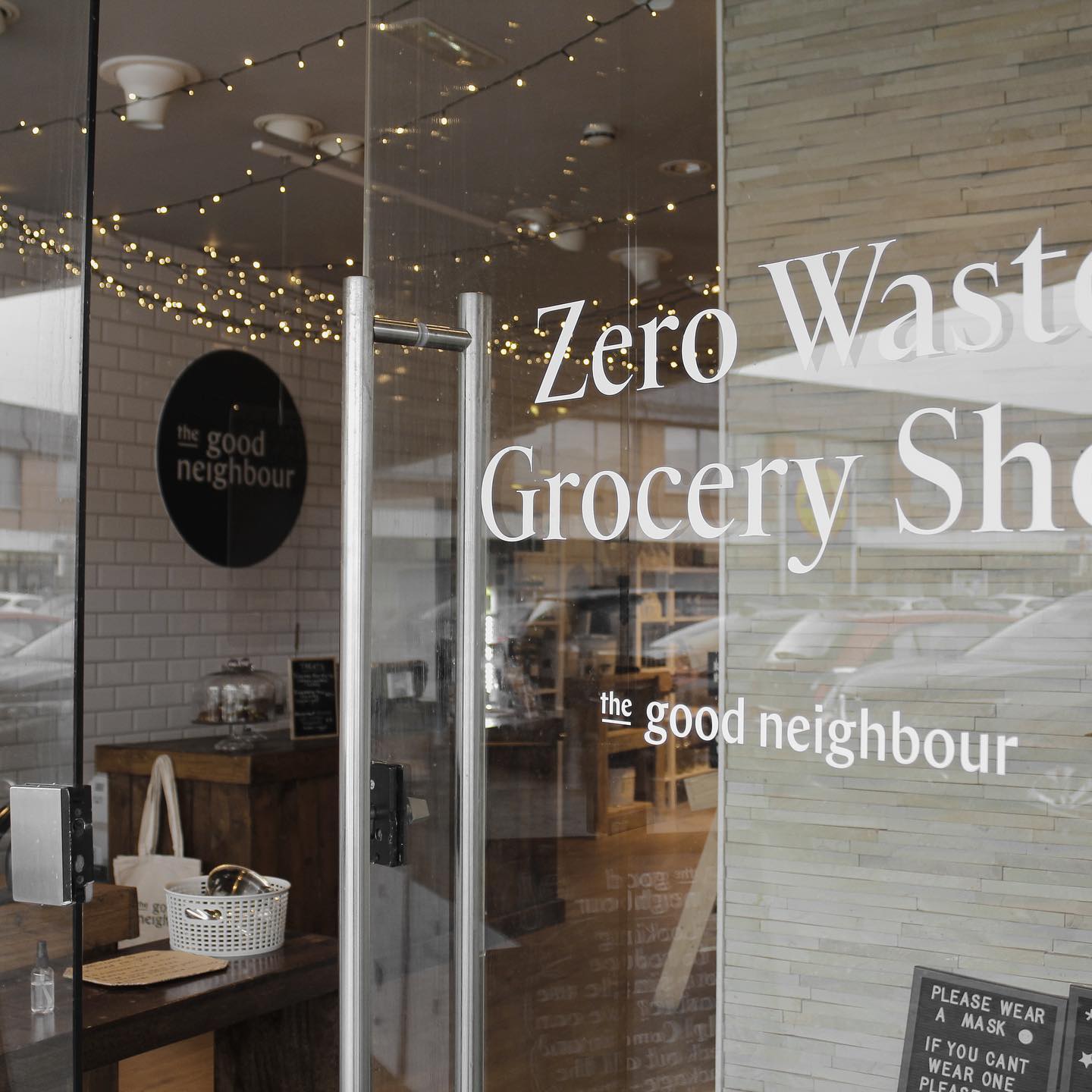
    Zero-waste shop, The Good Neighbour, in Dundrum . Image courtesy of The Good Neighbour

    Waste probably isn’t the first thing that comes to mind when you think of your local grocery store. 

    As you coast through its aisles, fixated on convenience and choice, the harsh reality is easy to forget – our weekly shopping runs are wasteful endeavours.

    The plastic packaging our food comes in is a nasty ecological sore. Thankfully, the solution is easy: come prepared with alternative/reusable packaging options.

    The Good Neighbour in Dundrum is one example of a business that is following the increasingly popular zero-waste model, designed to focus purely on reducing the amount of plastic waste.

    “The concept is simple – bring your own container, and we weigh it in-store and deduct the weight of your container, so you are only charged on whatever food you take home,” says Jess Dollinger, the owner of The Good Neighbour.

    The zero-waste shop initially opened its doors to the public in December 2019, which happened to be just four months before the Covid-19 pandemic hit.

    The interior of The Good Neighbour, with containers of rice and grains on display. Image courtesy of The Good Neighbour

    According to Dollinger, The Good Neighbour was forced to “pivot” in order to deal with the impact of the pandemic. 

    “We didn’t originally offer the option for customers to place orders, but we now offer orders for delivery and collection. Offering that service has really helped the business due to the high volumes of people quarantining,” Dollinger said.

    “We’ve also got a great community of customers who want to make sure the shop thrives, so we’ve been very lucky throughout the pandemic,” she continued.

    The shop offers over 300 bulk goods including grains, fruit and veg, spices, and several cleaning products – all package free.

    “Our mission is to be as organic and plastic-free as possible. At this point, around 60% of our products are organic, and we’re constantly working on increasing our organic offering to customers,” Dollinger stated.

    It’s “crucial for the industry”, says Dollinger, that her shop sells affordable products, as there’s a perception that choosing to live a zero-waste lifestyle is exorbitant for the everyday consumer.

    “I think that we’ll eventually see a zero-waste shop in every area of Dublin”

    Jess Dollinger

    The Good Neighbour works alongside multiple local growers and producers to stock as much Irish produce as possible.

    “Wherever possible we source locally. Unfortunately, a lot of things simply can’t be grown here, but where we can we purchase from local growers and suppliers.

    “We’ll continue to support local farmers and produce, particularly throughout the pandemic,” Dollinger says. In recent years, climate change awareness has increased, and consumer habits have shifted to reflect that.

    In Ireland, some companies are responding to that change with supermarkets taking action to reduce packaging and waste. Vegan and vegetarian sections have increased in size, and a lot of single-use coffee cups are now compostable.

    Now, more and more people are choosing to live a zero-waste lifestyle. 

    Currently, there are eight zero-waste shops open for business in Dublin alone. The majority of these shops opened within the last two years.

    “I stumbled across my first zero-waste [shop] when I was living in the UK. When I returned to Dublin, I noticed that several [zero-waste] shops began popping up across the city,” says Orla Browne, an environmental activist and frequent zero-waste customer.

    “Living a zero-waste lifestyle is becoming more fashionable than ever before”

    Orla Browne

    Although the attitudes towards an eco-friendly lifestyle for many has changed, Ireland still currently produces the highest volume of plastic waste per person in the EU at 57 kilos per capita, which is considerably more than the EU average of 33 kilos per capita.

    “Since returning home, I have noticed a change in attitude towards these issues, but you only must observe the stats to see how far behind we are in comparison to the rest of Europe.

    “To contribute to the greater good, embarking on a zero-waste lifestyle by reducing small amounts of plastic in your household is a start,” Browne added.

    However, Browne feels like we are still far off when it comes to acting on reducing plastic waste.

    “The stats show that Ireland is well behind when it comes to dealing with environmental issues. This is something we as a nation should be wary of.

    “I think people hesitate to go zero-waste because they are afraid that other [zero-waste] advocates will judge them if they don’t fully commit at all times.

    “However, it’s not true. I found encouragement and the will to try harder by surrounding myself with like-minded people,” says Browne.

    The zero-waste movement has arrived and the greater availability of this retail option to all Irish shoppers will allow it to become the norm.

  • If you build it, they will come… Eventually

    If you build it, they will come… Eventually

    Lavanda (left) and V-Face (right) on Lower Grangegorman Road. Photo by Colm McGuirk

    “The fact that this unit was close to TU Dublin was a huge factor in the decision to go ahead with it.” Sarah Boland, owner of V-Face, is talking about her vegan fast-food restaurant’s proximity to the impressive new home of Technological University (TU) Dublin.

    The city campus of what used to be called DIT, built as the centrepiece of a major regeneration programme for Grangegorman in north Dublin city, is ready to welcome around 10,000 students plus staff – once Covid restrictions are no longer necessary. 

    Boland’s is among a number of independent businesses on the Lower Grangegorman Road that had factored those numbers into their plans. 

    “It’s going to be a huge campus, so obviously footfall will increase massively,” Boland says. 

    In the turbulent 10 months since it opened, V-Face has had to make some think-on-your-feet adjustments to compensate for lost bums on its 40 seats. Among them is the outdoor eating area installed on the opposite corner, in cooperation with Dublin City Council, and the window hatch through which Boland speaks to The City

    “Coffee and sandwiches were never in the business model,” Boland says, “but we said ‘let’s bring out a lunch offering.’ The burgers were doing really well, but were more for the evening offering. [The hatch and coffee counter] have been designed in a way that, once the pandemic is gone, you can also swing around and serve people that come in.”

    Dining tables installed by V-Face. Photo by Colm McGuirk

    While V-Face benefitted from a model partly geared towards takeaway from the off, former Mediterranean restaurant Lavanda on the opposite corner has had to reset completely in the last year. 

    “We tried to do takeaway Mediterranean food during the first wave,” says Croatian owner Robert Velic, “but it didn’t work very well.”

    Lavanda’s enforced rebirth was planned with the new TU Dublin campus in mind – it now sells toasties, slices of pizza and sweet treats.  

    “We’ll see when the students come back if we made the right choice”

    Robert Velic

    “The second wave came and then we completely changed. We were expecting those students. We adapted the prices to four or five euro,” Velic says.

    “When the lockdown ends,” he continues, “it’s going to be a proper takeaway and we can add a few more things to the menu when business picks up and the colleges are back. We’ll continue to target students and walk-ins. We’ll see when the students come back if we made the right choice.”

    A few doors up, Russia native Alexander Yegorov’s print and copy shop should be bustling. 

    His unit is next door to one of two new student apartment complexes on this stretch of road built in the controversial ‘co-living’ mould (and, in the ultimate symbol of the area’s gentrification, on the site of the former ‘Squat City’).

    “We opened our shop three months ago,” Yegorov tells us. “They move the lockdown every two months. I expected the students would be here from the new year. But now, it won’t be until summer time. 

    “But it’s OK,” Yegorov adds. “We can survive until summer.”

    “We knew it was a long game, but it’s been a lot longer than anticipated”

    Rebecca Feely

    On the next corner, Rebecca Feely of Kale+Coco tells The City that when she chose the location for her plant-based healthy food cafe in 2019, “it was under the assumption that there’d be lots of students.”

    “We knew it was a bit of a long game,” Feely says, “because they were moving students bit by bit. But it’s been a lot longer than anticipated.”

    While noting that her prices might be a little above the average student’s range, she tells us, “it’s always been in my head to focus more on marketing to students, but I haven’t had the chance yet because we haven’t had the students there yet.”

    Kale+Coco has leaned more towards retail of food products to help stay afloat in what has been a difficult year.

    Rebecca Feely in her cafe Kale+Coco. Photo by Colm McGuirk

    “We were never actually told to close, so you feel almost obligated to keep trading because you have bills to pay,” Feely says. 

    “You have rent due. If you’re not ordered by the government to close, you’re not covered by any insurance, your landlords aren’t going to give you a break,” she adds.

    While the eventual arrival of students should help jump-start these Lower Grangegorman businesses, it could well signal the end for Happy Days Coffee Van on the new campus a little further up the road. 

    The mobile cafe was set up by local resident Olivia O’Flanagan in response to the “inertia and isolation” her neighbours were faced with during the first lockdown last spring. 

    O’Flanagan, a former lecturer with no background in business, was given the green light to operate on TU Dublin’s campus for as long as its own catering services were closed. 

    “It’s a lockdown project to keep us all busy and connected and give some kind of focus for the local community,” she tells The City.

    Happy Days Coffee Van set up at the entrance of TU Dublin’s Grangegorman Campus. Photo by Colm McGuirk

    Hiring only locals helped her secure the temporary contract – staff can return to their own homes for the mandatory bathroom access.

    “For me, it’s not a business endeavour,” O’Flanagan says, “though it has made money and is paying eight people’s wages on 20 hours a week. They’re all delighted and their parents are saying they were all sitting in their bedrooms cracking up.”

  • Five Black businesses that are making serious money moves

    Five Black businesses that are making serious money moves

    A package delivered by Nogora. Photo by Dolapo Agunbiade

    One of the most impactful ways to celebrate Black History Month is by putting your money where your mouth is. By supporting Black businesses, you are spreading wealth around the Black community and closing the racial wealth gap.

    Over the past few years in Ireland, there has been a steady rise in Black businesses and although I cannot name them all, here are five affordable ones to follow this lockdown.

    An array of credit cards popping out of a jean’s pocket. Photo by Dolapo Agunbiade

    “It’s not for profit. It’s meant to take a stand”

    Funto Joye

    1 Nogora Beauty

    On 28 January 2021, Nogora Beauty became Ireland’s first Black-owned e-commerce hair care and beauty supply store. The site features a wide range of products, from silk bonnets and wave sponges to lashes and lip gloss. Nogora Beauty was created as a response to the shortage in supply of Afro-hair products displayed in Irish stores. 

    The creator – Funto Joye – in an interview with The City said, “I want it to be for our community.” He continued, “It’s not for profit. It’s meant to take a stand.” 

    Nogora Beauty stocks popular Black-used brands like Aunt Jackie’s, Eco Styler gel and Cantu, while also featuring products from Black Irish businesses: byO and Melt Effect (more on that later).

    2 Awe-some Creations

    Felicia Awe’s company, Awe-some Creations,  is not one that we’ll be saying bye to anytime soon. Her business can satisfy all your delicacy needs and more. They do it all: savoury dishes, chocolate fountains and flavourful drinks. 

    The business started 10 years ago at church programme Summerfest, where Awe was asked to bring drinks. From there, at the tender age of 19,  her career in mixology began. Awe-some Creations can cater for any occasion: business events, birthdays and bridal showers on small and larger scales. 

    “I feel it’s very important to support and promote black businesses but if we don’t support ourselves how can we expect others to do so?” Awe told The City.

    The brand even runs masterclasses showing you how to make some of their refreshing cocktails. Their site is currently under construction. However, you can still order through email, Instagram, Facebook or directly over the phone. 

    3 Bees of Honey

    Mimmie Malaba’s vegan self-care brand Bees of Honey is the wellness brand you wish you’d known about at the start of lockdown number one. Since 12 February 2020, Bees of Honey has been bringing customers the daily essentials to start their self-help journey. 

    Their 100% organic products promote stability, peace and comfort. Their whipped body butter, healing candles and sage sticks soothe the spirit while relaxing auras around you. 

    “Supporting a small black owned business is like supporting any other small business. It impacts you as a buyer because we look after you as a person and not just another statistic,” said Malaba.

    Bees of Honey may be fairly young but the company has already had an enormous amount of success. The one-woman brand has been featured in Image Magazine and is certainly one to watch. 

    4 Melt Effect

    Founder Mariam Oshundairo launched Melt Effect in June 2020. She is committed to giving her clients the best foundations to put their best foot forward. 

    For Black women, getting your hair done can be seen as a gruelling task that goes on for hours on end. This is one of the reasons why this brand specialises in providing quality hair products that will keep your edges laid and make your wig stay put. Oshundairo has developed an adhesive formula that’ll leave people asking, “What lace?” 

    Melt Effect items can be found on their site, as well as on the previously mentioned Nogora Beauty. 

    “We invite the world to join in this celebration of African excellence by supporting, while spicing up their wardrobes”

    Umoja Linn

    5 Umoja Linn

    Umoja Linn was created by Liswa McDonald and China Soribe in 2017 during their college days at National University of Ireland Galway. Their Afrocentric fashion brand is a collaboration of African and Irish talent as the two work closely with numerous African designers, photographers and other creatives. 

    The company has had many achievements thus far, and have featured in Country Magazine and Irish Tatler. Umoja Linn’s success goes even further, as their clothes starred in Pharrell Williams and Jay Z’s music video Entrepreneur

    In our discussion about Black History Month, the creators said, “we invite the world to join in this celebration of African excellence by supporting us, while spicing up their wardrobes!”

    Even with their mass successes, every brand I spoke to disclosed the desire for their items to be sold in shops around Ireland. Some even expressed the possibility of opening up their own stores, depending on future restrictions. 

    This is the end of this Black History Month series. However, celebrating and supporting Black accomplishments shouldn’t be limited to once or twice a year. To truly make a difference, Black efforts should be recognised at the same volume as White ones. This is the only way we’ll ever have a harmonious society.

  • Don’t blame vegans, Blame Beyonce: The Beyoncification of Veganism

    Don’t blame vegans, Blame Beyonce: The Beyoncification of Veganism

    By Robert Geoghegan

    Ireland has recently topped the list as one of the most Vegan-friendly countries in the world, at least when it comes to our number of restaurants. This is, incredulously, despite the fact that vegans make up only 2% of the Irish population, according to Bord Bia.

    This research, conducted by HayesandJarvis.co.uk, started with a seed list of the 50 most visited countries in the world. Each city chosen needed to contain a minimum of 500 restaurants to even qualify. Finally, they scraped information from TripAdvisor, a process involving the importation of data from a website into a spreadsheet.

    HayesandJarvis.co.uk came to the conclusion that Dublin City might be the vegan capital of the cuisine world, with over 21.2% of the city’s restaurants classified as Vegan-friendly.

    And Voila; Ireland is now the most Vegan-friendly country.

    To look at these numbers alone, you might be led to believe that this is beneficial to customers. However, if you go onto TripAdvisor and look for restaurants to eat in, you get a whopping 2,269 options to choose from. And that’s just restaurants.

    Filter in all the eating options and you get 2,657 options. Of those options, 586 are Vegan-friendly, meaning 22.1% of the restaurants in Dublin are classed as, debatably, Vegan-friendly restaurants.

    CREDIT: Robert Geoghegan

    In short, when looking at the numbers there are not a lot of actual vegan restaurants and being Vegan-friendly doesn’t mean it is actually vegan.

    Semantics has always played a huge part in the narrative of being vegan.

    From the fringes to the mainstream: What came first the vegan or, the vegan option?

    Within the history of veganism, the language around the word vegan has been contested. According to the Vegan Societies website, it is argued that there could have always been vegans, often for religious or spiritual reasons.

    Their literature goes on to describe that the original use of ‘vegetarian’, in the 1830s, indicated a person who did not eat any animal products.

    It was only after the formation of the Vegetarian Society in 1847 did the word vegetarian indicate eggs and dairy products would be included in a vegetarian diet.

    From 1902 until 1912 the Vegetarian Society discussed within their journal whether eggs and dairy products should be eaten. 

    It was not until 1943, after one Mr Donald Watson gave a talk to the Vegetarian Society called ‘On Vegetarianism and Dairy Products’, did a subgroup of non-dairy vegetarians form.

    The Vegetarian Society didn’t want to limit the scope of the Vegetarian Society journal to this new group, as “they wanted to give their full attention to the abolition of eating flesh”, and suggested the non-dairy vegetarians start their own group.

    It was in November 1944 that Watson called the first meeting of non-dairy vegetarians, consisting of five other members. Together they founded a new movement called Vegan.  Bore from the word vegetarian, vegan used the first three letters and the last two letters of the word vegetarian.

    In 1949, veganism was defined as “the emancipation of animals from the exploitation of man”, further refined in 1988 to “exclude, as far as possible and practicable, all forms of cruelty to animals, for food, clothing or any other purposes”.

    The Beyoncification of Veganism

    There are not a lot of statistics on veganism in Ireland, and a great deal of existing information comes from the U.K and the U.S. Now, more than ever, do people identify as a vegan in large quantities, with over 725,000,000 vegans worldwide according to the Bord Bia report.

    You can, however, get an understanding of how interest in veganism in Ireland has grown over the years from Google Trends.

    Mining into the data of Google Trends is where the information gets more interesting. As you can see in figure 1, interest in the word vegan began to grow rapidly in Dublin after 2014, up 47% in 2015.

    Fig.1 Google trend on the word “vegan” in Ireland per year.

    Fig.1 Google trend on the word “vegan” in Ireland per year.

    Why? Well, Beyoncé made headlines for being vegan in 2015, and interest in veganism online grew 15% in the first month and has steadily increased month on month to 196% as of October 2019.

    Then, commodification began. Celebrities started heralding veganism as the next amazing diet. Athletes claimed going vegan had helped them achieve new heights in their sporting careers. And Beyoncé announced that in preparation for Coachella 2018 … she was going vegan?

    It then became apparent that Beyoncé was not actually vegan. A distinction between plant-based and vegan had to be made, which was helpfully cleared up by an article by the New York Times, after the fact.

    Yet, it was too late. The damage was done.

     CREDIT: Kasper Delaney-Petersen

    Dublin may be Vegan-friendly?

    Calling Dublin vegan-friendly is dependent on who you talk to.

    Laura Broxson from the National Animal Rights Association [NARA] expressed concern when asked about the direction veganism has gone.

    “Veganism is so much more than a diet,” she said. “It’s about respecting animals and acknowledging their autonomy in every circumstance.”

    And therein lies the problem of Dublin being vegan-friendly. Dublin has a love affair with exploiting animals for commercial gain. You only have to walk to the top of Grafton Street to find horse-drawn carriages.

    Dublin Zoo, for example, would be, or at least it should be, morally reprehensible to vegans. The idea that zoos are used as a place to conserve animals gets thrown on its head when you consider not all the animals are on the endangered list, so why are they there? 

    And then there was the RTÉ Investigates program, that covered greyhound racing and caused outrage from viewers. Not enough outrage, however, for the government to refuse funding to greyhound racing in the 2019 budget.

    All against the ethos of the original philosophy of veganism.

    Broxson continued: “No animals should be used, in any way, against their will. So that means not supporting circuses, zoos, greyhound racing, horse racing or any form of animal use.”

    Semantics has always been a problem for vegans, but now this problem is encroaching on everyone. Vegan-friendly does not make it vegan.

    However, we shouldn’t blame each other, we should blame Beyoncé for blurring the lines even further.


  • The diets preventing heart disease

    The diets preventing heart disease

    By Megan Gorman

    Different Diets

    In the last few years, diets such as vegetarian and vegan have become much more popular. For instance Bord Bia recently estimated that 8% of the Irish population are now vegetarian, while 4% are vegan. Another diet that has become popular is ‘flexitarian’ which means people limit the amount of meat or diary prodcuts in their diet.

    There are a lot of questions surronding the hype of these diets. The main question a lot of people ask is Which diet is the best for me? To know the answwe to this questions, you must know what each diet entails. The vegan diet is devoid of all animal products, including meat, eggs and dairy. People choose to follow a vegan diet for various reasons.

    These usually range from ethics to environmental concerns, but they can also stem from a desire to improve health. Foods that most vegans eat are tofu, tempeh and seitan; these provide a versatile protein-rich alternative to meat, fish, poultry and eggs in many recipes.

    If cutting out dairy products doesn’t sound like something you could do then a verertarian diet is more likey the option rather than veganism. People choose to follow a vegetarian diet for a variety of reasons that are similar to a vegan diet. A vegertarian diet involves eating plenty of fruit and vegetables and starchy foods such as bread, cereals, potatoes, and whole grain where it is possible. There are alternatives to meat and fish, these are foods like quorn meat and kidney beans. And also some dairy foods or alternatives such as fortified soya milk and yoghurts.

    Research indicates that vegetarian/vegan diets compared with traditional meat eating diets are typically lower in saturated fat and have higher intakes of fruit, vegetables, wholegrains and fibre. This may be why vegetarian and vegan diets are associated with lower risks of heart disease, high blood pressure, type 2 diabetes and obesity.

    Dr. Kevina Cardiff, Dietitian and Nutritonist at Pure Nutrition gave me advice on all things diets “The most beneficial best evidenced based diet for all is the Mediterranean diet. This diet is based on wholegrains, fish including oily fish, nuts, seeds, olive oil. There are many papers and studies on this diet supporting it’s many health benefits.

    “This diet is cardioprotective, supports gut health and reduces risks of development of diseases such as diabetes among many other benefits”.

    There is a lot of information on the number of different diets but it isn’t as simple as saying all plant based diets are good and the diets that include meat are bad – A bad diet is possible no matter which one you follow. But a lot can be said for taking steps towards a more plant based way of eating.

    Dr. Kevina Cardiff had this to say about veretarian diets “My main issue with vegetarian diets is only that people do not follow them correctly, failing to take sufficient protein and overeating on carbohydrate and saturated fats often in place of protein foods. Many young people take up this diet without appropriate dietary advice from a dietitian at a time when they are vulnerable nutritionally due to growth requirements”.

    Choose a diet that fulfils your requirements and needs.

  • Dublin street markets continue to thrive

    Dublin street markets continue to thrive

    By Aidan Coyle

    Dubliners love a good market. The Liberty Market, George’s Street Arcade and Moore Street Market are just a few of the more iconic examples. So, why is it that within the unstable and uncertain business climate, markets remain a vital and thriving part of Dublin industry?

    One of the undoubted features of markets is the personal touch that they offer shoppers and each market manager and stall owner has their own story to tell. Des Vallely is the owner and director of Irish Village Markets who run in various locations around the city and country. Despite his success, Des does not come from a trading background.

    “I took an interest in organic growing whilst working in the IT sector. What initially started as a hobby, developed into a full-time career,”said Vallely.

    “Terenure would have always had farmers markets back in the day so it was to bring something old back and to try and revitalise it”

    – Des Vallely

    “Once I started growing vegetables, I needed an outlet for my produce and decided to start my own market in Monkstown and set up a market every weekend. We were soon joined by other growers and producers which led to the establishment of Irish Village Markets.”

    Anne Talbot’s Bushy Park Market is relatively new to the scene in Dublin terms. The market she runs with Georgina Culshaw first set up its stalls in 2014 in Terenure Village before relocating to Bushy Park. The market has quickly become a great asset to the area and its community.
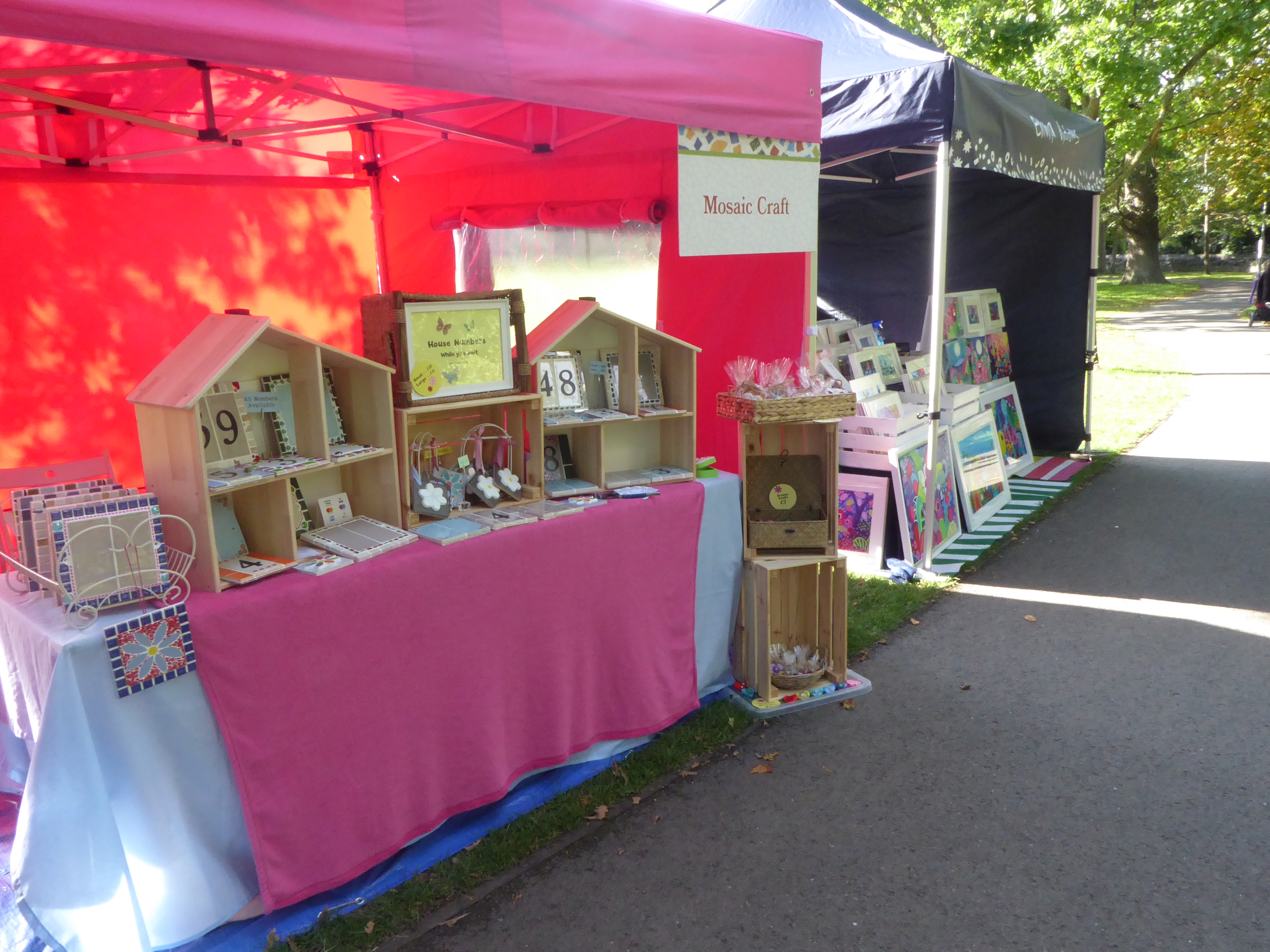
    Anne said: “It was set up initially as a volunteer project. Terenure would have always had farmers markets back in the day so it was to bring something old back and to try and revitalise it.

    “It’s now a destination for young families and people in the community to really come out and hang out and enjoy”

    – Anne Talbot

    “This is its fifth year that it’s been running up here and it’s now a destination for young families and people in the community to come out and hang out and enjoy a really nice park at the same time,” said Anne.

    “Parents are able to come down and watch their kids and have a coffee and then hang around. It has just become a concrete Saturday destination that people rely on in the area.

    “It’s very heavily community focused though. That’s the main agenda for it. The purpose of it was to create a destination for young families and that is still its purpose and I think that will remain its purpose.”

    Vallely believes markets need to capitalise on the community feeling they can generate as it’s one of their prized assets.

    “Visitors seem to enjoy the atmosphere and experience when visiting markets and share this experience with family and friends,” said Vallely. “This generates a good level of interest and drives additional footfall to markets.”

    There are also practical benefits to shopping in markets. Karl Merry, Assistant Inspector at the Licensing Section of Dublin City Centre believes it is vital for members of the public to support local markets. He said: “There is a growing awareness that supporting local businesses is good for the local economy, the standard of produce is probably better, and it is generally a more sustainable way to shop.”

    “The standard of produce is probably better, and it is generally a more sustainable way to shop”

    – Karl Merry

    Anne Talbot agrees that markets offer a great opportunity to support local businesses: “We have a policy here as well that most of the people are local so we let local people come in first and then if we can’t fill that niche then we start going out further.

    “It just gives small little industries a chance to show off their wares and not have to pay extortionate rents at the same time it’s kind of a win/win situation.”

    Sustainability and protecting the environment are becoming increasingly important factors in determining where people choose to do their shopping. Local markets have a big advantage over bigger national and multinational retailers in this area.

    “Climate change is becoming a consideration in how people shop,” said Merry. “People are more conscious of buying food in a way that impacts less on the environment.”

  • Is red meat really that bad for you?

    Is red meat really that bad for you?

    By David O’Farrell

    For many years now, public health bodies in Ireland have been encouraging people to eat less red meat, due to it being a potential cause of diseases such as cancer. However, a recent report carried out by a group of international scientists suggests that eating less red meat may not be beneficial at all.

    Led by Dalhousie University and McMaster University, both in Canada, the results of the report claimed that if 1,000 people cut out three portions of red meat over their lifetime there would be seven fewer deaths from cancer in that group. The report also found that cutting out red meat over an 11 year span, would lead to just four fewer deaths from heart disease

    The report also claimed that if 1,000 people ate three fewer portions of red meat every week for 11 years, there would be six fewer cases of type two diabetes.

    TheCity.ie spoke to dietitian Aisling Piggot of the British Dietetic Association to get her take on the report.

    “Red meat is not wholly good or wholly bad”

    “We are constantly bombarded by mixed messages around red meat, which is really confusing and conflicting for the public. The recent review explores the overall risk and examines current evidence. We need to be aware that the link between red meat and health isn’t simply black and white,” said Piggot.

    “Red meat is not wholly good or wholly bad. It is rich in iron, often affordable (depending on cut) and enjoyed by many of us. On the other hand, if red meat was our only source of protein, I would be encouraging other sources and balance.”

    Other public health officials have criticised the report, with Harvard scientists claiming it undermines the public’s trust in science, as previously we have been told to steer clear of red meat for health benefits. The report is also likely to create a stir amongst environmentalists with regards to the high amount of greenhouse gases that beef and lamb farming tend to produce. However, scientists say that this is slowly changing with advancements in farming methods around the world.

    In Ireland alone, 87,000 tonnes of red meat is consumed every year. That is approximately 19kg per person. So what is the right amount to be eating?

    “Personally, I would suggest one to two portions of red meat per week”

    “This is very much dependent on the person,” said Piggot. “Personally, I would suggest one to two portions of red meat per week, should you choose to eat it and it fits in with a healthy diet. However, I am always keen to promote the benefit of home cooking and avoiding processed meals.

    “This report doesn’t change my outlook, but I would encourage readers not to take the report as indicating they should eat red meat to excess.”

    Piggot says that there is no magic answer as to what the correct amount of red meat is to eat. “The idea of food being wholly good or wholly bad really appeals to us as a society. Unfortunately, all food has its place in our diet, and a sensible approach to enjoying our food is key!”