Tag: germany

  • Oktoberfest 2025 in photos

    Oktoberfest 2025 in photos

    By Daniel Keegan

    The 2025 Oktoberfest returned to the Theresienwiese public square in Munich this year. Monstrous beers and hearty Bavarian food filled each marquee table. The place was as loud as a rock concert with guests singing their hearts out to the many drinking songs.

    The 16-day festival took place from September 20th to October 5th and, according to organisers, attracted 6.5 million jubilant visitors, with around 30% coming from abroad. Additionally, they estimated that 6.5 million litres of beer were consumed.

    Each day began with the anticipation of the craziness that would inevitably ensue, and in ceremonial Bavarian style, the men wore their Lederhosen, and the women wore their Dirndls. The streets surrounding the festival were crowded, and the energy was high, as everyone eagerly approached the Oktoberfest.

    The first glimpse of the Theresienwiese, which showcases the towering amusements and monstrous beer tents, marvellously captures the ludicrous nature of the festival.

    Photo 1 – The early morning rush at Oktoberfest from above. Every morning at 10 am, a wave of attendees arrived. There was a mix of families deciding which ride to go on first and groups of friends swiftly trying to navigate the Theresienwiese to find which marquee to spend the next few hours in.

    Photo 2 – Once inside the marquee, folks quickly gathered at their tables and got settled. The waiters hurried to take their first orders of the hectic day. The excitement only grew from here.

    Photo 3 – The first round of the day was a moment of pure anticipation. Glasses were full, and the energy ran high. Everyone raised their glasses and clinked them together like tiny bells, followed by a chorus of ‘Prostttt’ from everyone in the marquee.

    Photo 4 – Each tent is owned and run by different beer companies, so the beer you receive varies from tent to tent. However, one thing always remains the same: you are served your beer in a large glass, which is called a Maß.

    Photo 5 – After about an hour of eating and drinking, a band arrived and started to play many traditional Oktoberfest songs. Initially, they focused on German Oktoberfest music, but later they raised the noise and played more internationally known songs such as Neil Diamond’s ‘Sweet Caroline’.

    Photo 6 – However, there was no song more important than ‘Ein Prosit’. Whenever this song was played, everyone raised their Maß and chugged. The song was played every 15 minutes throughout the entirety of the day.

    Photo 7 – After people had their fill of eating, drinking, and singing, they stepped outside to find a crowd of others at the outdoor activities. Many joined in and enjoyed some rides themselves.

    Photo 8 – Many of the taller amusements provided great scenery of the areas surrounding the Theresenwiese. Not only was a magical birds-eye view available, but from this ride, a view of the stunning St.Paulskirche was in full sight.

  • Podcast: Covid-19 abroad – how Germany dealt with the pandemic

    Podcast: Covid-19 abroad – how Germany dealt with the pandemic

    Listen to Johannes Thom speak to James Molloy about how Germany handled the pandemic

    Germany had its first reported cases of Covid-19 in January of 2020 near Munich, and has been in and out of regional lockdowns ever since. The country is currently in its third wave of the virus.

    Varying levels of restrictions have been imposed on a region-to-region basis depending on the severity of the virus. Currently, Chancellor Angela Merkel is calling for unified Covid-19 restrictions nationwide, which would see an “emergency brake” in order to try and control the spread of the virus.

    Since we recorded this interview, 7.3% of Germany’s population of 83 million have been fully vaccinated with just under 26 million doses given in total. This is due to the accelerated rollout of vaccines. From next month, it is hoped that GPs will be able to administer their preferred vaccine, with the federal government providing family doctors with the choice of vaccines from BioNTech/Pfizer and AstraZeneca.

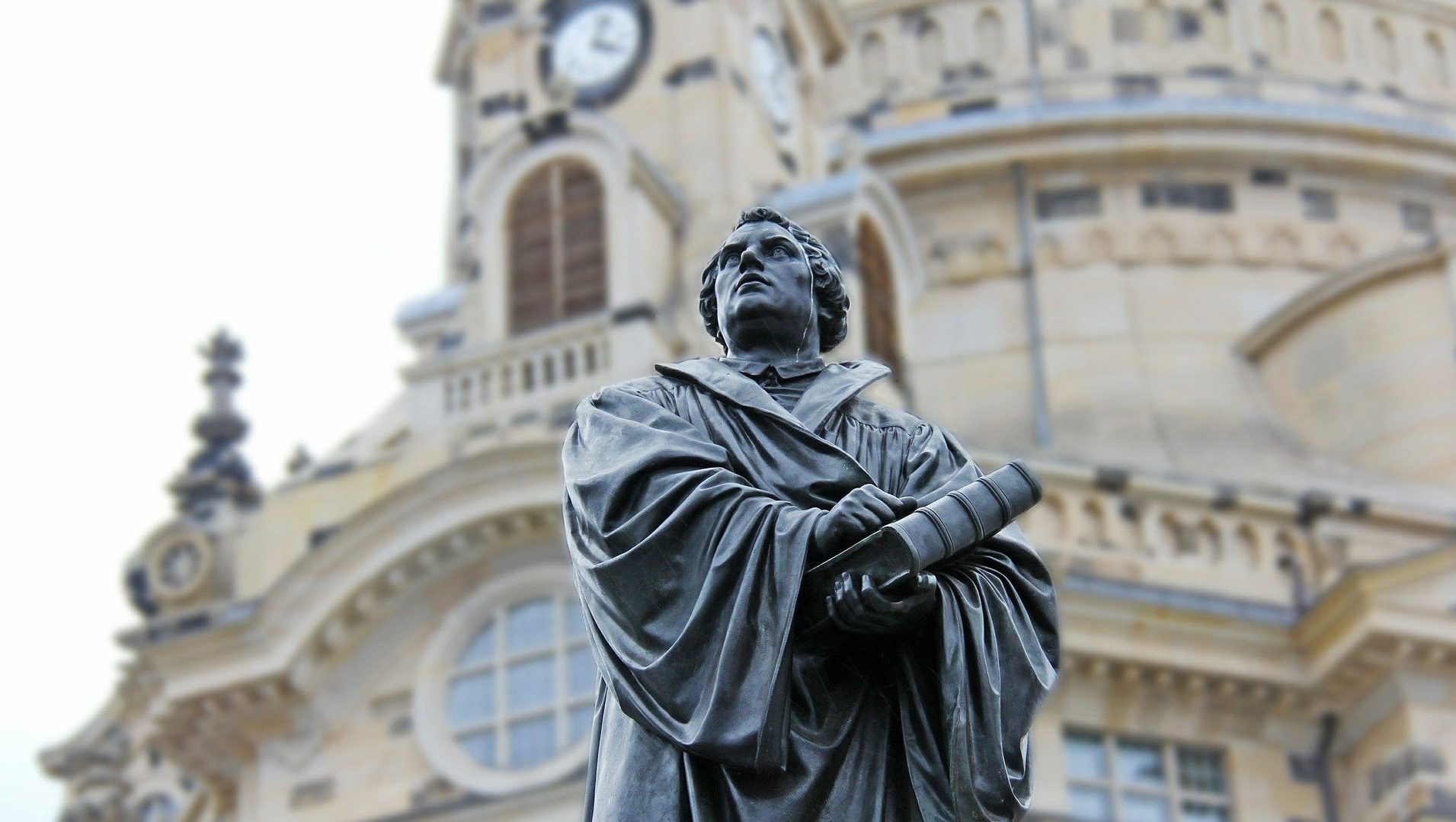
    Martin Luther’s statue at Dresden via Pixabay

    Europe has seen a rise in anti-lockdown protests from Paris to London and even closer to home, as Dublin saw violent protests in late February. Germany too has seen this rise in protests over Covid restrictions with regular demonstrations taking place across the country.

    The most recent protests planned for Dresden in Saxony were banned by the Saxony Higher Administrative Court.

    The banning of these protests is significant especially in the state of Saxony where the highest mortality numbers in Germany have been recorded. One of the main reasons for this is that the region has an ageing population and a large number of retirement homes that have been devastated throughout the pandemic.

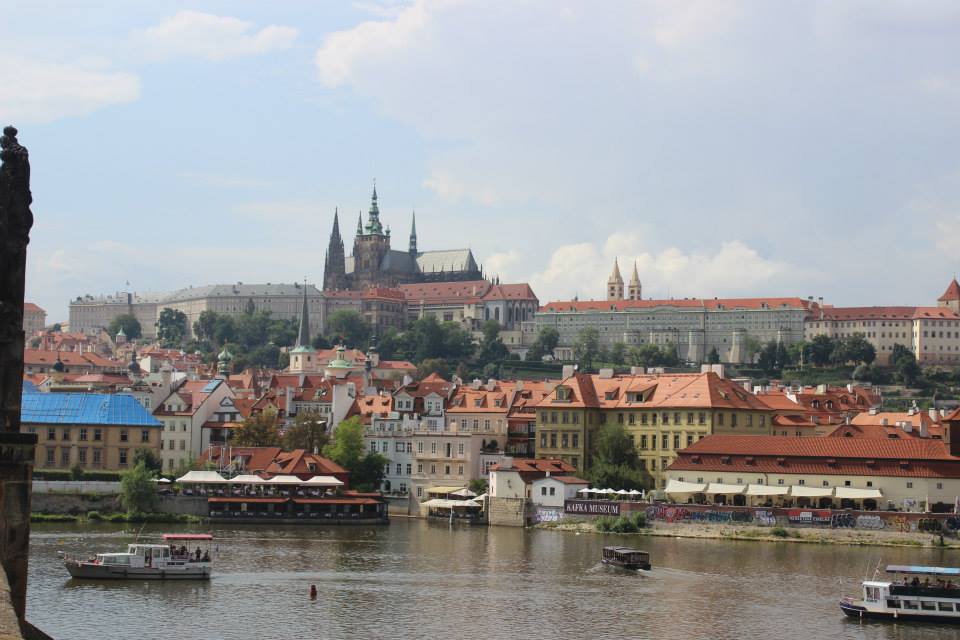
    A snap of Dresden taken by James Molloy

    Another factor is its proximity to the Czech border, with many crossing it for work. The Czech Republic has been one of the worst hit countries worldwide. Saxony has been fighting an uphill battle from the start.

  • The best European city breaks

    The best European city breaks

    This slideshow requires JavaScript.


    Whether it be a romantic getaway or some fun and frolics with friends, Christmas is the perfect time to book a weekend break in one of Europe’s cities. Stuck for ideas of where to go? Check out The City’s pick of the best European destinations, with plenty of tips and things to do.

    Munich

    “Ein bier, bitte!” First things first, when that plane hits Bavarian soil, you must grab one of Munich’s famous beers. The touristy thing to do is head to the Hofbräuhaus, where you can enjoy some Hofbräu beer together with some traditional Bavarian music and dance. The “Haus” also serves food, however, you can save your euros and grab much nicer bratwurst, or german sausage, on the street. Some other famous beers to try include Augustiner, Paulaner and Löwenbräu. If you’re not a big beer fan, then order a radler, a combination of beer and lemonade that’s very popular in Munich.

    The Englischer Garten, German for “English Garden”, is a large public park in the centre of Munich, and is well worth the stroll. Kleinhesseloher Lake in the centre offers a nice seating area where you can grab a beer and some food, or bring your own picnic. Release your inner child and take a peddle boat out on the lake.

    For the boys and their toys, a trip to the BMW museum is a must. The museum is basically a gigantic showroom, displaying hundreds of models of cars, jeeps, and bikes for you to climb into, or on. Grab a selfie in that red convertible you’ll never afford! If it’s any consolation, the museum is free. Good of them, eh?

    Munich lies at the foot of the Alps, so if you have the time then hop on a train and head to the mountains. Neuschwanstein Castle, “the fairytale castle”, is one of Bavaria’s finest castles to visit, with breath-taking views of the surrounding countryside. With a nice hike up, you’ll even get some exercise in to work off that beer belly.

    Prague

    If you’re looking for a laid back getaway and some “good vibes”, then the Czech Republic’s capital Praha is for you. Old Town Square is a charming place to start, located in the heart of the city. The architecture by itself is pretty eye-catching, but the combination of buskers, street traders and al fresco dining in this cobbled square provides a great atmosphere.

    Known for its great partying scene and never-ending supply of absinthe, nights out in Prague can get quite interesting. For those of you still yolo-ing out there, it is a must that you attempt one of Prague’s infamous pub crawls. The night starts off with a t-shirt and an unlimited supply of some lethal alcoholic mixture that’s impossible to drink. After a quick pep talk with your friends you’ll put your head down and drink it anyway, because hey, it’s free. Nobody really knows what happens after this, and then if you’re lucky you might even wake up in your own hostel the next day. Happy days!

    If you can manage it, a visit to the John Lennon Wall is sure to reach into your soul and soothe your hangover blues. Bring a marker and spread your words of love on the wall, every inch of which is covered in colourful graffiti from the thousands who have come to visit before. Some guy is sure to be killing it on his guitar singing “Let It Be” or “Hey Jude”, so chill out and enjoy!

    Overlooking the entire city is Prazsky Hrad, or Prague Castle, which is well worth the visit for the views alone. If you’re a history head, then the castle is the best place to learn about the city’s past. Some parts are free to the public, if you just want to have a stroll around the castle grounds, while others require a ticket for entry.

    If you’re wondering what that sweet, sugary scent is in the air as you wander around the streets of Prague, then that would be Staroceske Trdlo – a chewy, cinnamon, sugar-dusted pastry. Just try it. That is all.

    Krakow

    Referred to by locals as “The Real Capital of Poland”, Krakow is definitely underestimated when it comes to European cities. Post-communism, it has developed into a cultural hub of excellence – from its exciting galleries and museums to its quality cafés, pubs and nightlife. The Main Market Square, an impressive 10 acre square in the centre of Krakow, is one of its main attractions. Here you will find Kosciol Mariacki, otherwise known as The Church of the Virgin Mary, where a trumpet player sticks his head out of the tower on the hour, every hour, and gives you a tune. Legend has it that during the 2012 UEFA Euros the English team, who stayed in a hotel just around the corner, blamed the trumpet player for their poor performance on the field as he “kept them up all night”.

    If you like walking tours, then Krakow is top of the list when it comes to witty guides and really interesting tours. A general tour of the city will bring you to all the main attractions, such as the hilltop castle. The tour of the Jewish Quarters is particularly interesting. Like most central European cities, Krakow is steeped in WWII history, and this tour gives a great insight into the life of the Jewish community in Krakow during Hitler’s reign. Famous sites include the old ghetto walls and Schindler’s Factory. The infamous Auschwitz Concentration Camp is just an hour outside the city, and buses travel to and from the site daily.

    Budapest

    Hungary is famous for its thermal springs with healing qualities, and you cannot visit Budapest without a few hours of relaxation in the baths. Also known as ‘The City of Baths’, Budapest has many different medicinal baths to try. Széchenyi is one of the best public baths, with both indoor and outdoor baths of varying temperatures and medicinal qualities. If you’re visiting during the summer months then hit it’s famous bath parties for a night you’re guaranteed (not) to remember.

    If you fancy some sightseeing, Gellért Hill offers the best view of Budapest and the river Danube, which separates Buda on the west bank from Pest on the east. Dohány Street Synagogue is Europe’s largest synagogue, and marking the border of Budapest’s Jewish Ghetto, is steeped in the history of World War II. If you take a stroll along the banks of the Danube on the east, you will come across ‘The Shoes on the Danube Bank’, a Jewish memorial for the jews who were ordered to take their shoes off and line up to be shot into the river. You will also find Hungary’s impressive Parliament Buildings along this bank.

    The hop-on hop-off City Bus Tour is probably the best way to get around to all of the attractions in Budapest, working out about €20, the buses come around every 15 minutes and will save you time and walking on a short city break. As for the local cuisine, you cannot leave without trying some traditional goulash, a perfect dish for a cold winters day.

     

  • Coleman and McCarthy recalled for Ireland’s November fixtures

    Coleman and McCarthy recalled for Ireland’s November fixtures

    Republic of Ireland boss Martin O’Neill has announced a 36-man provisional squad for the Republic of Ireland’s forthcoming Euro 2016 qualifier against Scotland in Glasgow on November 14. This squad will also play a friendly fixture against the United States in Dublin on November 18.

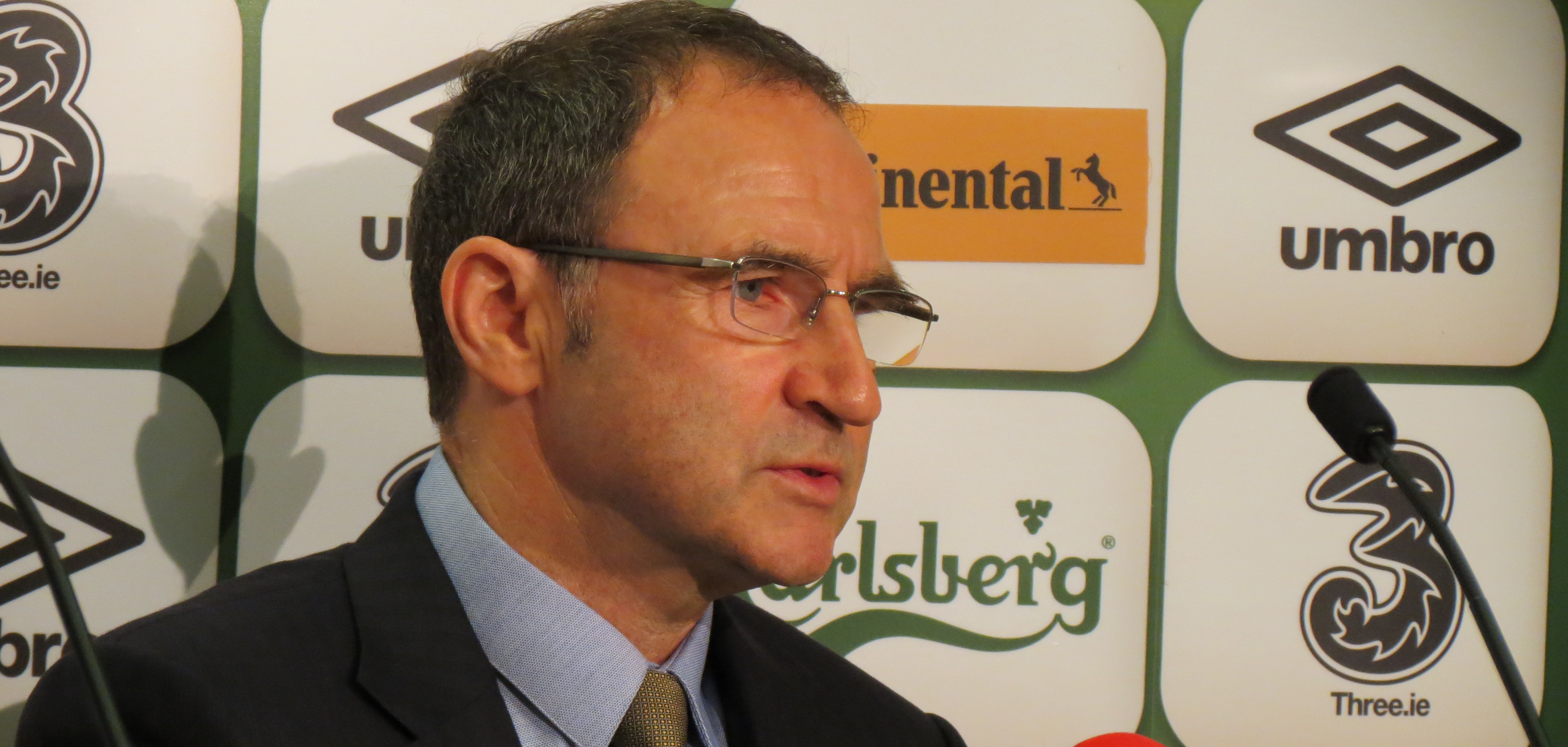
    Martin O'Neill addresses reporters at the FAI Headquarters in Abbotstown. Photo: James Hopper
    Martin O’Neill addresses reporters at the FAI Headquarters in Abbotstown. Photo: James Hopper

    O’Neill has included the Everton duo of James McCarthy and Séamus Coleman in his squad after both missed the matches against Gibraltar and Germany in early October.

    There is no call-up however for Aston Villa’s Jack Grealish who was tipped to make his debut in the USA friendly at the Aviva Stadium. Stoke’s Glenn Whelan is included despite a broken leg suffered in the Germany game but there is no place for Wes Hoolahan of Norwich, who damaged ankle ligaments with his club after returning from international duty.

    Midfielder Whelan sustained a leg fracture in the 1-1 draw against Germany in Gelsenkirchen on October 14 and was all but ruled out of the Group D showdown against Scotland in Celtic’s Parkhead Stadium by his Stoke City boss Mark Hughes.

    However, O’Neill says that Whelan’s injury is “clearing up” after naming him in his initial squad of 36. “Glenn’s in the squad at this moment,” O’Neill said. “Initially, I thought he was going to be out for some time and while he is still struggling, the injury itself is actually clearing up and he’s giving himself every possible chance.

    “He’s getting better by the day, he’s still not weight-bearing but I’ll give him every opportunity. Even if I hadn’t included him in the squad here today, if he had felt he would be able to play, I would have reinstated him,” O’Neill added.

    Former Cork City defender Brian Lenihan has also made his way into the squad after impressing in training in the lead up to the qualifiers against Gibraltar and Germany in October. However, the uncapped fullback is unlikely to remain in the squad when the panel is trimmed down to a suitable size on November 10.

    “I thought for a young lad coming in with senior players he might have been a little bit nervous but he didn’t show it in the little games we played – in fact he did very, very well,” said O’Neill.

    “It was always going to be an ask for him to be playing in those games [Gibraltar and Germany] and while he may be a natural right-back where David Meyler isn’t, we needed some experience down that side, particularly out in Germany.”

    O’Neill went on to say, “It would have been harsh to have put him in there for that game [against world champions Germany], but he impressed enough to warrant being put in the squad at this minute. Obviously when we cut it down, we’ll see how it develops but he impressed everyone.”

    With November’s clash against Scotland proving to be a significant fixture, O’Neill is hoping that his players’ boosted confidence thanks to their result against Germany will help them secure a potentially pivotal result against their Group D rivals.

    “To score in the last minute of the game and get something from the world champions on their own pitch was really just fantastic. The players have naturally gained confidence from that.”

    “Scotland will not be easy – absolutely not. They’re flying at the moment, Gordon Strachan has them playing very well and they had a great result out in Poland. If nothing else, we must go there with some confidence.”

    Ireland currently sit in second place in Group D on seven points, three points ahead of Scotland.

  • King bows out after controversial spell as interim boss

    King bows out after controversial spell as interim boss

    Noel King’s time as interim manager after Giovanni Trapattoni’s swift departure as Ireland’s head coach was originally seen as a breath of fresh air by the majority of Irish fans.

    The 57-year-old Dubliner is no stranger to the beautiful game, having played for more than two decades in the League of Ireland, managing in it for twelve, and even had a spell at French second division club Valenciennes.

    Having managed the Irish women’s international team from 2000-2010 and the Irish U-21s for the last three years, King has more than enough experience to work with the senior players of the national team, having coached a handful of his squad at the U-21 level.

    Trapattoni's spell in charge took a drastic turn after the miserable performance in Euro 2012. Photo courtesy of Davit Hakobyan on flickr
    Trapattoni’s spell in charge took a drastic turn after the miserable performance in Euro 2012. Photo courtesy of Davit Hakobyan on flickr

    His decision to invite a couple of the Airtricity League’s top players to train with the national team before the Germany game was revitalising and invigorating to see, compared to Trapattoni who continually denied the fact that there is a competitive football league in Ireland.

    The easy approach for King to adapt in the last two qualifying fixtures of the campaign was to deploy an attractive, attacking philosophy of play with a ‘nothing to lose’ mentality, which has been called for on numerous occasions by the Irish supporters and also by some sections of the media.

    In doing so, King may have won some fans and finish his interim spell earning some plaudits for giving it a go against Germany and Kazakhstan.

    However, this was indeed the easy choice and King opted to take the harder and more courageous route by stamping his own authority on the squad for those two games and no Irish supporter can complain about the two results recorded, regardless of the performance against Kazakhstan in the Aviva.

    King’s defiant and belligerent reaction to RTE’s Tony O’Donoghue in the final post-match press interview was met with great interest. Asked about his team selection after the game, he jumped into a histrionic defence of his choices and berated the journalist after walking out of the interview.

    His short spell in charge has been a drastic contrast to his Italian predecessor and his outburst illustrated his passion, emotion and patriotism for the country’s football, unfortunately this also showed a certain naïveté about the demands on those involved at the top level of management on the world stage.

    Former Sunderland boss Martin O'Neill is the bookmakers' favourite for the Ireland job. Photo: dalli58 on flickr
    Former Sunderland boss Martin O’Neill is the bookmakers’ favourite for the Ireland job. Photo: dalli58 on flickr

    Noel King has been and will continue to be an influential character on the Irish football circuit, but he was never going to be chosen to fill the void as the national coach.

    John Delaney and the FAI have a tremendously important decision to ponder regarding the appointment of the future manager of Ireland, with Mick McCarthy, Martin O’Neill and Roy Keane all being deemed early frontrunners for the post.